• Skip to primary navigation
  • Skip to main content
software stack logo

Software Stack

Get your Software Stack together

  • Knowledgebase
    • All Categories
    • Accounting Software
    • Automation & Workflow Software
    • Customer Relationship Management
    • E-Commerce Shopfronts & Payments
    • Marketing Automation
    • Online Courses & Membership
    • Project Management
    • Surveys & Forms
    • Web Hosting
  • Home
  • About Us
  • Contact Us
  • Show Search
Hide Search

Teachable

12 ebook marketing strategies for creators

Software Stack Editor · August 9, 2023 ·

Ebooks are underrated marketing tools for online businesses. Creators can make ebooks at a relatively low cost and sell them or offer them for free as a lead magnet. However, to get all the benefits that come with them, you’ll need to get your book in front of the right audience. In other words, you need to have a strong ebook marketing strategy.

If you’ve created an ebook and it’s not getting as many views or downloads as you’d like, these ebook marketing strategies can help.

What is an ebook?

An ebook is simply an electronic book. You can download ebooks and read them online via your laptop, tablet, phone, Kindle, or other device.

Many authors and creators write ebooks because they’re usually easier and more cost-effective to create and publish online. Publishing a physical book comes with extra costs like inventory, printing, and shipping.

Anything can be an ebook, including novels. Many indie authors begin by self-publishing long-form books online first. However, most creators make short-form ebooks (between 5,000-25,000 words) that focus on a specific topic. They usually sell them and make some ongoing income or they offer them for free to generate leads for their business.

For example, Julia McCoy teaches courses on writing and coaches content creators. She runs Content Hackers and has several ebooks that focus on the topics she knows best. Her Content Writer’s Handbook includes tips on writing for blogs, email, social media, and other platforms.
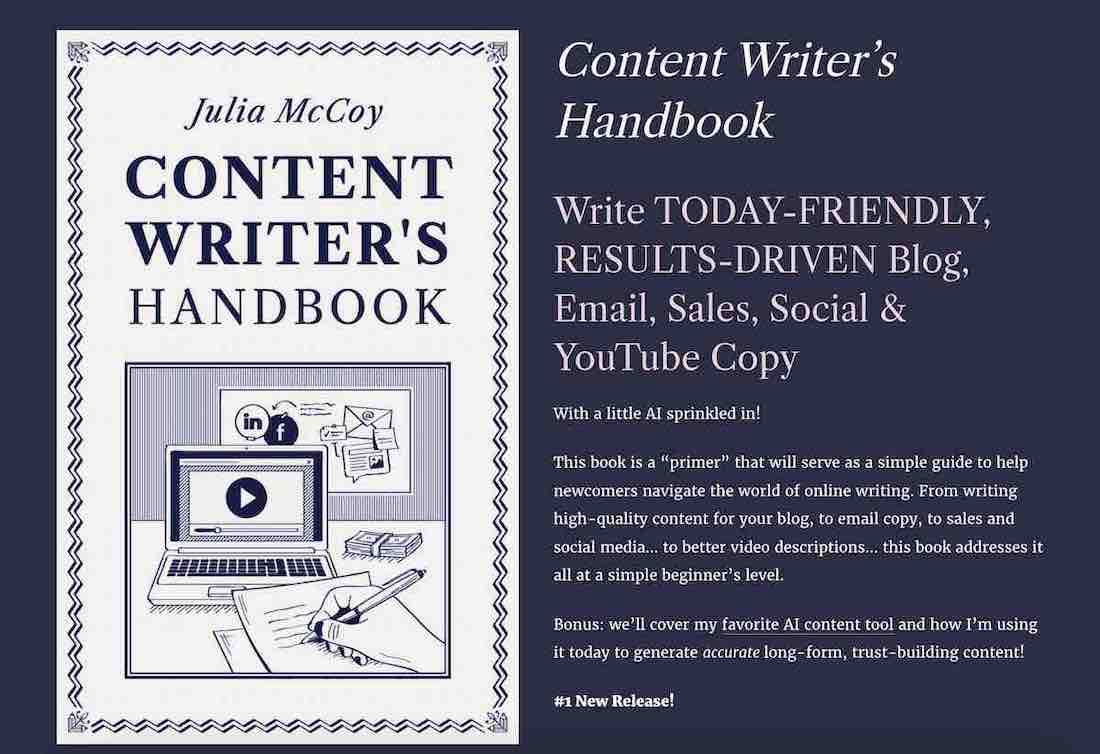
julia mccoy ebook

How ebooks help creators

There are many benefits that come with creating an ebook. But, these are the three primary reasons creators should consider ebooks:

  • Demonstrate your expertise and authority: A lot of work goes into creating a book, but it also documents your knowledge.
  • Make money online: In the U.S., there was over $1.1 billion in ebook sales revenue last year. Like other digital products, creators can make money online by offering their knowledge in book format. Although, how much you make varies.
  • Generate leads: An ebook can help you generate leads, primarily by collecting an email in exchange for downloading free content. If your content is valuable to your audience, they’ll be more than willing to sign up for your email list, re-engage, and possibly buy a product later.

How to market an ebook: 12 ebook marketing strategies

There are many tactics you can use to promote a book, but the most effective strategies for you depend on your budget, niche, and audience. These tips for how to market an ebook can help you get started at little to no cost.

1. Set yourself up for success

Before we get into the nitty-gritty of marketing an ebook, it’s important to understand what makes an attractive ebook. No amount of promotion will help if the core product is not interesting to your target audience.

Here are some general ebook tips that will help you set yourself up for success:

  • Verify your topic: Think about the questions your audience often asks you or the pain points they’re experiencing. Do you have the expertise to help them? If so, it could be a strong idea for an ebook.
  • Tap into trends: View sites like Exploding Topics or Google Trends to discover in-demand topics.
  • Use a compelling title: A good ebook title is straightforward and gets people curious to learn more.
  • Create an eye-catching cover: People judge books by their cover, even though we try not to.
  • Include imagery that reflects your brand: Design influences 94% of first impressions, so you’ll need a strong design for your ebook. There are many tools to create ebooks or you can work with a freelance designer to craft a visually appealing book.

You’ll also need to create a high-converting landing page that houses your ebook. Include a preview of the book with images, a short list of what they’ll learn or accomplish by reading, and a form with a call-to-action (CTA) button. Your CTA will vary depending on if you’re selling or offering it for free.

If you use Teachable, you can easily upload and sell an ebook by using our digital downloads feature.

2. Include original research if possible

If you have the resources, produce original data and research for your ebook. Statistics are some of the most popular types of content that people share naturally. People often link back to websites and sources within their own content, so they’re likely to share your findings.

For example, let’s say you offer online courses and run a community of thousands of freelancers. You could conduct an annual study on freelancer rates, income, and more. Then, package up your findings in an ebook that includes charts, graphs, and other visuals that support your data.

3. Partner with a like-minded creator or brand

You’ll likely promote your ebook among your existing audience, which may include your social media followers, email subscribers, course students, or your personal network. Although your audience is more likely to be engaged and cares most about your content, your reach is probably limited.

Alternatively, you can co-author your book. When you partner with other brands or creators, you can tap into their audiences as well. Each partner should promote the book within their network.

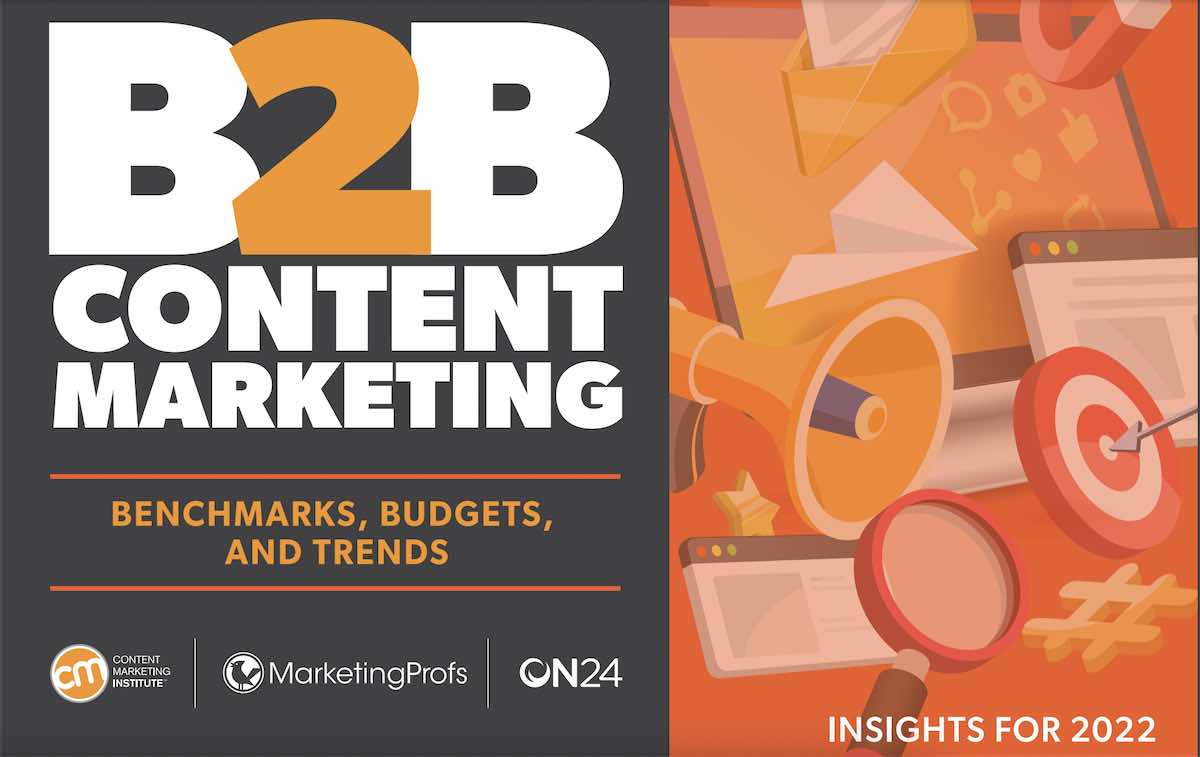
Partners might also provide resources and expertise that supplement your own, which can improve the overall quality of your content. For example, the Content Marketing Institute partnered with MarketingProfs for its annual State of B2B report. Both organizations have similar audiences (marketers) and collaborated on gathering survey data and content.
ebook example

{{teachableplantoday-component=”/blog-shortcodes/call-to-action”}}

Partnering can be a mutually beneficial relationship that helps you promote your book at little to no extra cost. However, each partner should provide value by sharing expertise, data, marketing responsibilities, or other assistance.

4. Send books to influencers for review

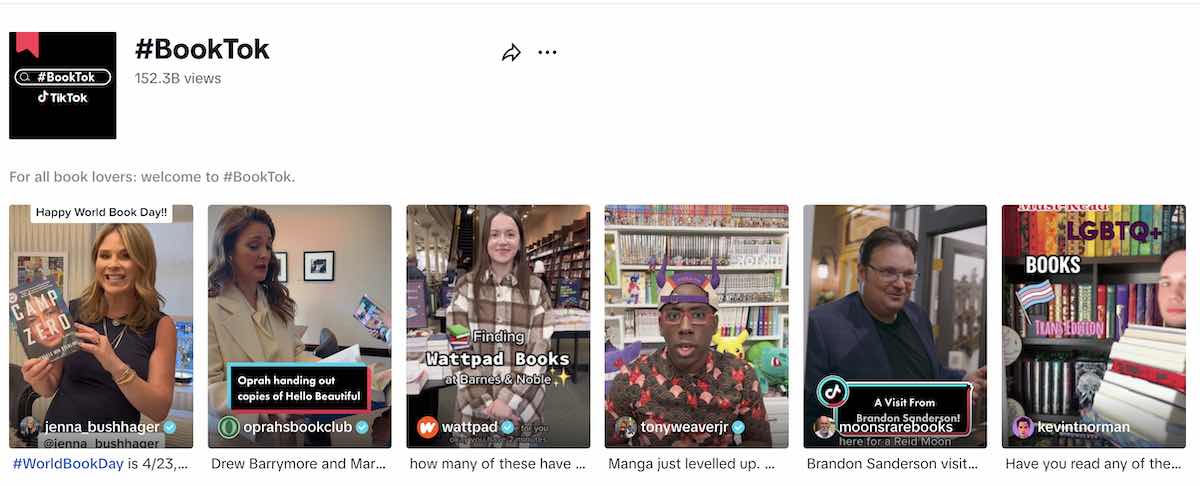
Trends like #BookTok have exploded with over 150 billion views on TikTok. Although #BookTok is most associated with novels and physical books, you can apply similar tactics for your ebook marketing.
booktok

Of course, you don’t want to spam influencers in unrelated industries and ask them to review your book. However, some influencers within your niche or others who have read your book and liked it may be open to doing a review on social media.

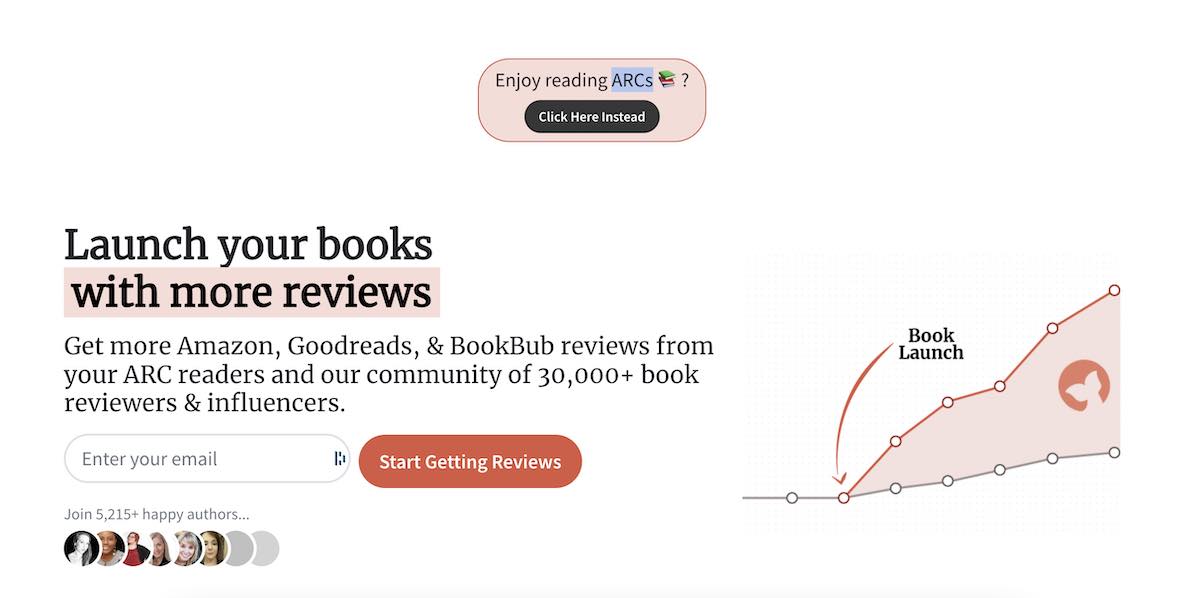
There are also several platforms that have influencer programs, where book reviewers can sign up and get paid to share book reviews. Some sites like Booksprout and Booksirens.
booksirens

5. Add your book to review sites

Outside of influencers, you could also raise awareness for your ebook by leveraging current readers. Reviews are incredibly valuable for authors. If you offer your book on Amazon, you can view reviews there. However, you may also want to make sure it appears on sites like Goodreads, Storygraph, and Reedsy Discovery.

You can even reuse some for testimonials on your website to increase your conversions.

6. Pair your ebook with an online course or coaching program

If you’ve hosted online courses or coaching services, you’ve likely created tons of written resources to support your programs. It might make sense to compile those learning materials into a short ebook. You also probably have an engaged, built-in audience who may be interested in having some resources all in one book format.

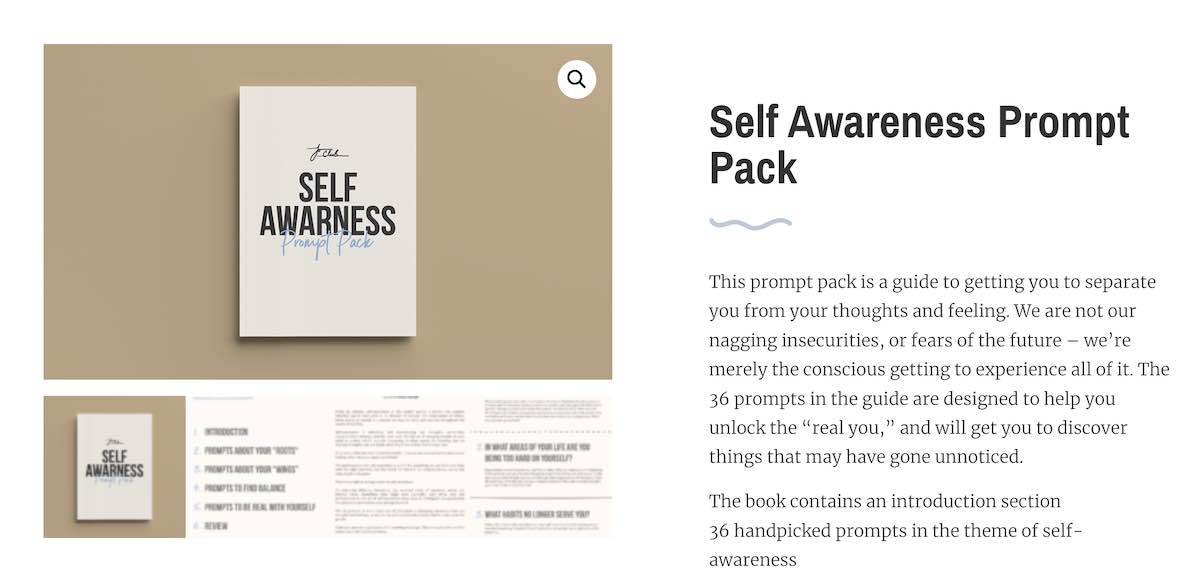
Many creators create ebooks to support their other products, especially courses, and vice versa. For example, JoClub hosts live journaling sessions and sells journaling prompts.
joclub ebook

The idea is not to overwhelm your students or clients by promoting your book. However, repurposing your content into different formats can add value to them, and help you reach other audiences.

7. Use video marketing

Video marketing is not only more effective than ever but it’s also expected. According to a Wyzowl survey, 91% of consumers prefer branded content in video format.

Also, 96% of people look for videos to research a product or service, and 80% say it influenced their buying decision. Including video in your ebook marketing strategy can help people get to know you and your expertise better.

Share excerpts and learnings from your ebook in short-form videos. For example, if you wrote a guide on Figma for web developers, feature a few of the tips, projects, and tools that you mention. Instead of trying to cover everything in one long video, break it up into a series of shorter videos. Then, post it to your most active social media channels. You might want to consider Instagram Reels, TikTok, or YouTube Shorts.

8. Host a social media book club

Another way that you can leverage social media is by hosting a book club or community. You can create a community or run an informal live Q&A for your existing audience. You’ll want to give your audience enough time to read ahead and prepare discussion questions.

Alternatively, you can partner with a book club or group that aligns with your niche. For instance, if you wrote a finance book, you could partner with a group like Female Invest as a guest speaker.

9. Promote it in your newsletter

Email marketing has one of the highest rates of engagement while being cost-effective. On average, email marketing generates $36 for every $1 you spend.

It’s also one of the best channels for distributing content and sharing updates like a new ebook. For one, you don’t have to pay to get your message in front of your audience. They’ve signed up for your emails, so it’s free to communicate and you don’t have to compete as much for their attention as you do on social media.

Someone who is subscribed to your newsletter is much more likely to be interested in your book than a complete stranger. To build your email list, you should first set up a newsletter sign-up form on your website.

Teachable creator Aliza Kelly includes a sign-up form that’s easy for a visitor to fill out with their name and email address. She also includes a short sentence on why they should sign up and what they’ll get in their inbox. If you use Teachable, you can integrate email marketing platforms like Klaviyo, ActiveCampaign, and others to host your newsletter.
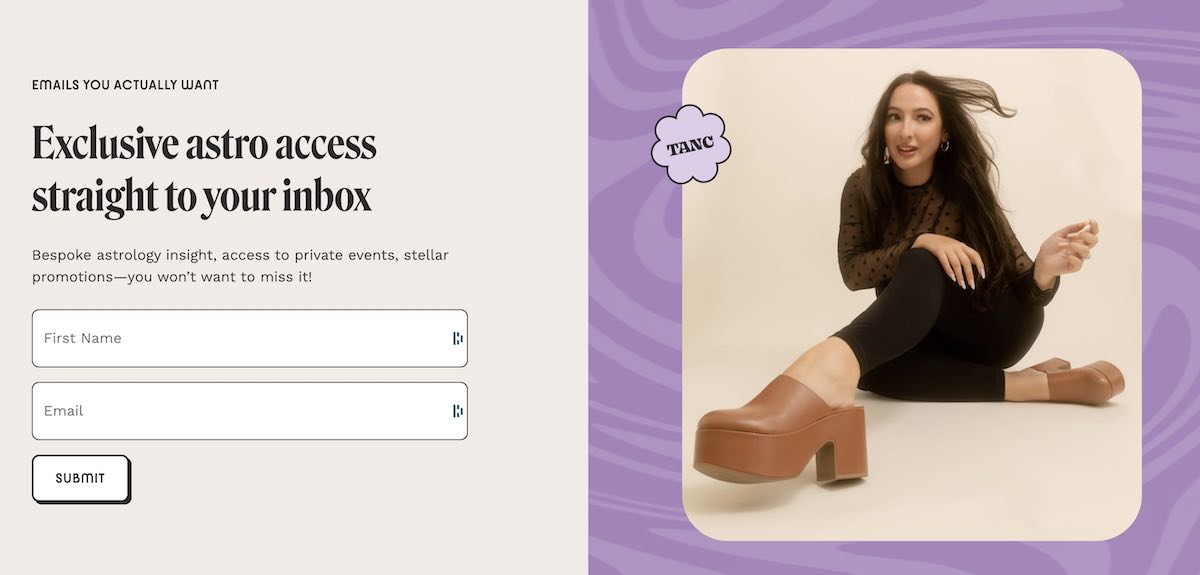
aliza newsletter

You can also host your newsletter for free on a platform like Substack, with the option to make a newsletter for paying subscribers.
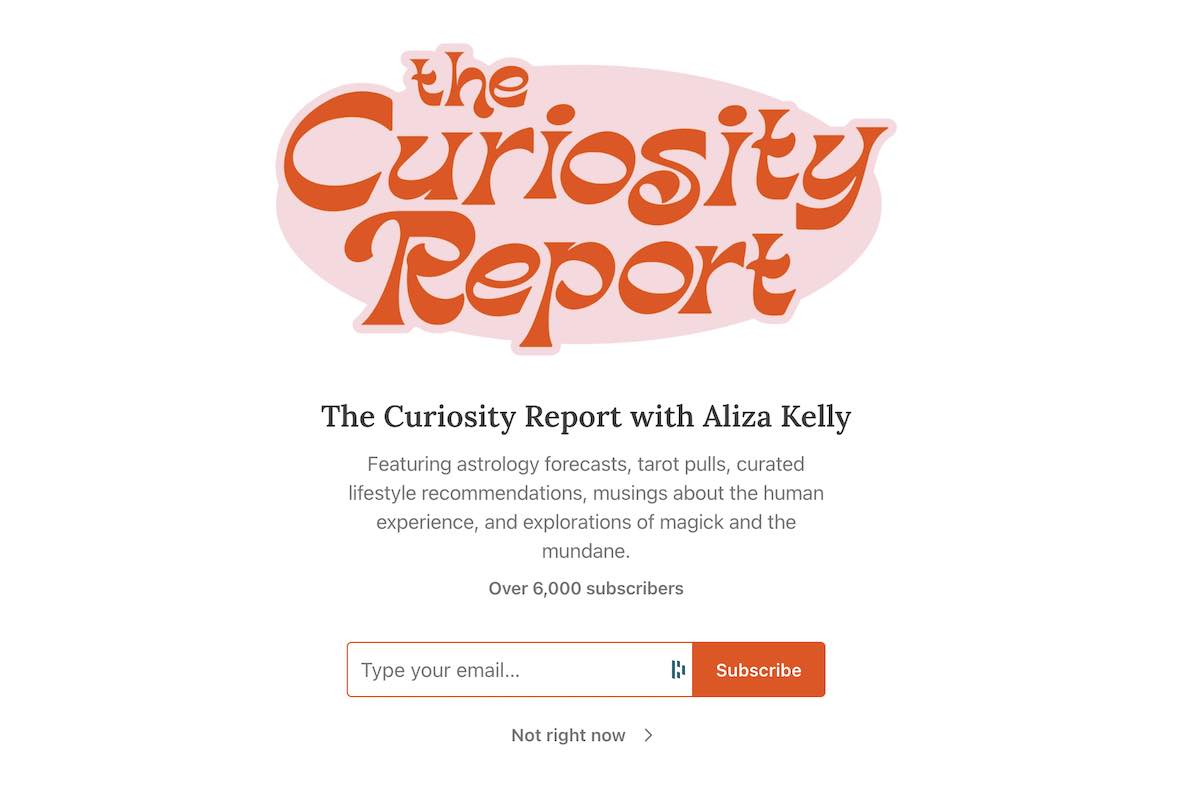
curiosity report

10. Create excitement with a waitlist and launch event

If you have an engaged audience, it might be fun to include them in the behind-the-scenes or making of your ebook. It can also drum up excitement for your book before it’s released. You can begin collecting pre-orders for your book before it’s available on your launch date.

However, remember to put it all in perspective for your audience. How will your ebook bring them value? What will it change in their lives? Of course, releasing an ebook you put time and effort into is important for you. But, your audience will want to know how it can help them and why they should care.

Let’s say you created an ebook on planning weddings. You could create a wedding-themed launch event or market. Then, partner with local wedding vendors and caterers and invite soon-to-be brides from your audience to attend. You’re promoting your book, but you’re also creating an experience that can also help your audience plan for their own weddings.

11. Develop SEO articles

If you can appear at the top of the search results for relevant searches or keywords, you can increase your website traffic and brand visibility for free. Organic search makes up about 23% of all site traffic for most sites.

Search engine optimization or SEO is structuring and improving your content and entire website so that it’s more likely to appear on the first page of search results. You’ll focus on searches your target audience will most likely make.

For example, if your expertise is in building products, you might create content around topics or keywords like:

  • Product management
  • How to become a product manager
  • Product-market fit

Similarly, someone who focuses on helping creators grow their YouTube channels, might create content like:

To discover topics your audience is interested in, review frequently asked questions or pain points. Then, brainstorm a list of relevant keywords related to those. From there, you can look at the monthly search volume—how many people search a word or phrase each month—with tools like Ahrefs. You’ll also want to view the keyword difficulty—how competitive or hard it is to rank for the term.
ahrefs

Writing blog articles can also help you build a foundation for a full ebook. Each blog could be a mini-chapter or outline.

12. Run paid ads

Running paid ads on Google search or social media (Facebook, TikTok, Instagram, Pinterest, etc.) can expand your audience and help you reach new potential customers. However, they can also be quite expensive, especially if you’re an independent creator.

Paid ads are PPC or pay-per-click advertising, so you’ll pay for each click regardless of if someone buys your book. If you have experience with paid marketing or the budget to run ads efficiently, then it can be worth it.

You may want to hold off until you’ve tested other organic channels. Then, you’ll have a better understanding of what messages, content, and designs resonate best with your audience.  

With Teachable, it’s easier than ever to create an ebook and other digital downloads. You don’t need to know how to code or build a website. To get started, all you need to do is sign up with a free or paid plan. Then, you can upload your ebook, sell it, or offer it for free on your website.

FAQs

How long should an ebook be?

You’ll usually measure the length of an ebook by word count rather than by page. The length of an ebook varies based on the genre and purpose.

For example, if you’re self-publishing a novel on Kindle, it will likely be around the same length as a print edition. That’s typically 50,000 to 75,000 words. A children’s book is much shorter and has more illustrations than words.

Short ebooks are what you usually see as lead magnets. They’re typically a few pages and 2,500 to 7,500 words long.


TikTok money calculator: Estimate how much you can make as a creator

Software Stack Editor · August 8, 2023 ·

TikTok Money Calculator is a great way to calculate your potential earnings as an influencer and content creator. There are so many ways TikTok allows its creators to monetize their content, but the numbers can vary greatly.

So, if you’re new to working with brands and monetizing your content, using a tool like the TikTok Money Calculator can help you get a better sense of what’s the baseline for your earnings and how much more you need to grow to increase your earnings as well.

TikTok Money Calculator

Use our TikTok Money Calculator to find out your average engagement and earnings:

What is the TikTok Money Calculator?

TikTok Money Calculator is a tool designed to help creators calculate their estimated earnings from their TikTok account, based on their average engagement rate and the number of followers. It’s not an official TikTok software, and its goal is to provide creators with potential guidelines for making money with their accounts.

If you’re new to working with brands on sponsored posts, then using the TikTok Money Calculator can be extremely useful. It allows you to get a better grasp of the market and see how much you can make on this social media platform.

You can use the estimated earnings to help you set your rates for sponsored posts, and UGC content, and see how much of your services and products you can expect to sell.

roi calculator

How does the TikTok Money Calculator work?

The way our calculator works is fairly simple. You can use your TikTok username or put the numbers in yourself to calculate the estimates. It analyzes your average engagement rate based on your follower count, the total number of videos you posted, and how many likes you have.

Then, based on your average engagement rate, the TikTok Money Calculator compares the data with other TikTok influencers who have a similar audience size to you and a similar engagement rate to see how much they earn.

Based on all of that information, the calculator can give you an estimate of how much you can expect to earn with your TikTok account.

creator calculating course price

How accurate is the TikTok Money Calculator?

Our TikTok Money Calculator gives you an estimate of how much you can potentially make from the TikTok Creator Fund and the industry average for sponsored content.

It’s important to note that TikTok Money Calculator only gives you estimated earnings based on the number of your followers as well as your engagement rate.

How much money you can make with your TikTok account will depend on many factors that the TikTok Money Calculator can’t take into consideration like niche, country, and audience location, your personal brand. And these things can greatly impact your earnings.

As a content creator, your rates and sales numbers, as well as other monetization methods can vary greatly, depending on how you run your business:

  • Brand partnerships: as a TikTok influencer you can work directly with brands and produce sponsored posts for them, and you choose your rates yourself, which can be very different from other influencers in your niche and even similar to your size in the audience.
  • Selling a product or service: you might have an online course or a digital product you can promote and make sales through TikTok, which is also highly individual and depends on the connection you have with your audience and how well your sales funnel is set up.
  • Earnings from Live videos: you have a way to earn money during Lives when your audience sends you virtual gifts that you can later redeem for cash, which is also difficult to estimate because it can depend greatly on the relationship you have with your audience.
  • Earnings outside TikTok: the calculator doesn’t take into consideration videos on your other social media profiles and earnings that might come from them, it only focuses on TikTok exclusively.
tiktok creativity program

What factors are considered by the TikTok Money Calculator?

TikTok Money Calculator takes a few different factors into consideration when giving you an estimate of your earnings:

Follower count

The first metric is the follower count. The size of your audience is an important measure that determines how much you can expect to make from brand sponsorships.

Roughly, here’s how much you can expect to make depending on the size of your audience from a single sponsored post:

  • Nano influencers (<10,000 followers): $50-$300
  • Micro-influencers (10K-50K followers): $300–$1,250
  • Mid-tier influencers (50K-200K followers): $1,250–$3,500
  • Macro influencers (200K-1M followers): $3,500–$12,000
  • Celebrities (1M+ followers): $12,000+

The more TikTok fans you have and the bigger your audience, the more you can earn. However, follower count is not the only metric.

Audience engagement

The second metric we use to calculate your estimated potential earnings is your average engagement rate. It’s a very important metric that many brands pay attention to, sometimes even more than they do to the follower count.

The audience engagement consists of the number of likes your videos receive, as well as comments and video shares. Higher engagement means a more emotionally involved audience, which translates into more sales.

As you’re growing your TikTok account, you should spend a lot of time focusing on increasing your audience engagement as that will be the best way to increase your potential earnings. You can do that by creating high-quality videos and ensuring that they’re valuable to your target audience.

In the future, it might be that TikTok will also allow TikTok influencers to earn money from running ads on their videos, in a similar fashion to YouTube. YouTube has allowed the creators who create Shorts on their platform to earn money from the ads that play in between the Shorts.

It proved that it’s possible for creators to monetize their content this way. And we have seen that TikTok has been very fast to change and adapt and roll out more ways for the creators to monetize their content.

If they do follow in YouTube’s footsteps and allow creators to monetize the ads, the average engagement rate of their videos might become an even more important metric when calculating earnings.

Industry average rates

And lastly, the TikTok Money Calculator takes the industry average rates for sponsored content, product sales as well as the earnings from the Creator Fund to give you an estimate of your earnings.

This metric is very vague, because each influencer, their sponsored content rates, and sales, as well as how much they get paid from the Creator Fund can be very individual.

going live on tiktok with 1000 followers

What is the difference between the TikTok Money Calculator and other engagement calculators?

Well, TikTok Money Calculator gives you a more in-depth look into your potential earnings. You get an estimate of your earnings which then can allow you to set your rates and calculate how much sales you can expect to make at the current state of your account.

And, you might even use it to see how much you could potentially earn as your account grows as all TikTok users, not only influencers with huge audiences can use it.

TikTok legislation: What’s the future for creators?

Software Stack Editor · August 7, 2023 ·

image

Remember a few months ago when all you seemed to hear about was TikTok being banned? TikTok mania has definitely died down in the Capitol, but state-level bans are heating up and the legal challenges mean the fate of the social media behemoth is in judges’ hands.

TikTok, which is owned by the Chinese company ByteDance, faced intense scrutiny from bipartisan lawmakers in Congress over security and privacy concerns. Congress and nearly half of all states have passed laws banning TikTok on government devices and in May, Montana became the first state to attempt an all-out ban.

What’s in the restriction?

Montana’s law prohibits the downloading of TikTok and fines all app stores and TikTok $10,000 per day for each time a person is given a chance to access the social media platform or download the app. There’s no penalty for users, but experts raised concerns about the practicality of enforcing the law and, several creators joined TikTok in suing the state to maintain access to the app.

The law is set to go into effect in January 2024, and content creators have asked a judge to prevent the implementation of the ban until they have time to take their challenge through the court system. Interestingly enough, TikTok is paying for the creators’ lawsuit.

“Many creators have expressed major concerns both privately and publicly about the potential impact of the Montana law on their livelihoods,” Jodi Seth, a spokeswoman for TikTok, told the New York Times. “We support our creators in fighting for their constitutional rights.”

The ruling in the Montana case is expected to serve as a bellweather for larger efforts to ban the app. If the judge rules in favor of the creators’, it could stifle other efforts. But, if the judge sides with Montana, it could create a precedent for a nationwide crack down, if Congress decides to pursue it. Which, is a big, if.

What’s the latest?

Congress’s hearings about TikTok sparked tons of speculation that a ban was imminent, largely because it seemed to be a rare moment of bipartisanship. But, those hearings were four months ago and not much has happened since and lawmakers have since turned their attention to the threat of artificial intelligence.

TikTok’s also invested a lot of money in fighting efforts to ban the app. The company’s also tapped former legislators to lobby Congress on their behalf and enlisted the help of content creators to show the massive impact a ban would have in America. And efforts to stop the bans —or at least significantly stall it – seem to be working.

“Congress can’t ban TikTok,” James Lewis, Senior Vice President at the Center for Strategic and International Studies told NY1. “I think this is one of the reasons this has fallen off the rails.”

That doesn’t mean TikTok’s completely safe, though, and it’s possible Congress could take up legislation to ban the app in some capacity later this year. Senator Maria Cantwell is drafting a proposal that would give the White House power to identify perceived national security risks but lets Congress check that power, according to The Washington Post. The bill’s proposal raised speculation that TikTok was the intended target, but a Senate Commerce aide told The Washington Post that Cantwell’s bill was not meant to directly ban TikTok.

Regardless of any plans Congress may have, nothing will be happening for at least a month because legislators have returned home for their scheduled August Recess. And when legislators do return, they’ll likely be tied up with negotiations about defense spending and the potential for a government shutdown, which means, the TikTok ban can is likely to get kicked down the road.

And if a ban does go into effect, expect the legislation to be tied up in legal battles for months, if not longer.

Is Threads worth it for content creators?

Software Stack Editor · August 3, 2023 ·

image

People are flocking to Meta’s new social media platform, Threads. However, as of now, it lacks a direct monetization program and some content creators aren’t sure it’ll ever be really profitable.

What is Threads?

Threads, which has been likened to Meta’s version of Twitter, gives content creators a space for text-based content. Its speed race to 118 million users pushed the app to the top of download charts, but the app is showing signs of losing its momentum and many of the content creators who are on Threads are playing the long game. The app currently has no opportunities for content creators to monetize their presence on it and without ad options, brands might not jump at the chance to partner with influencers. Chas Lacaillade, CEO of influencer talent agency Bottle Rocket Management, told CNBC that he’s not sure if Threads will ever get to the point that users can steer their audience to websites where they can sell merchandise or promote their brand.

What do content creators think of Threads?

Sasha Kaletsky, co-founder and managing partner of Creator Ventures, told CNBC that he predicted most content creators are going to wait and see how Threads evolves before investing a lot of time making content on the platform.

“Obviously, as a content creator, this is another time suck for me. I haven’t really gotten much sleep for the last day and a half because I’ve been messing around on Threads,” Haley Kalil, a content creator with 1.7 million followers on Instagram, told Forbes.

Marcel Floruss, a fashion influencer, told CNBC that his content thrives on visuals, so Threads isn’t the best place for him. Having never found value in Twitter, he’s struggling to see how Threads is going to be much different. He’s going to explore the app, but, as of now, he doesn’t see the potential benefit outweighing the work he’ll have to put into Threads.

However, Kalil, who never got into Twitter because her audience wasn’t attracted to it, said her Generation Z following is very much into Threads.

Benefits of Threads

One of the best parts about Threads, though, is how easy it is to gain an instantaneous following. Unlike other social media platforms that force users to start from square one when they join, Threads lets users import their information from Instagram. That includes automatically following the people a user follows on Instagram, so content creators have the potential to start with a solid base of followers.


Catarina Mello, a luxury travel content creator, told Forbes the hype around Threads could hurt content creators who don’t join the platform and start building their brand. Mello said she’s seen a drop in her engagement on Instagram because of people using Threads.

“The past day and a half, it’s been totally crickets on Instagram and I’ve been hearing from other creators as well and they’re wondering if it’s even worth posting here now,” Mello said.

While Threads rejects any comparisons to Twitter, it’s rooted in the same focus on text and photos. Users have 500 characters per thread to get their message across, can tag people using the @ symbol, and repost someone else’s thread by clicking a single button.

Unlike Twitter, there’s no website for people to access the platform on a desktop, and Threads has no hashtag or topics section. It puts emphasis on algorithms to show users content they’re interested in but can make it difficult for content creators to capitalize on a specific trend or try to grow their audience.

“My guess is that there’s going to be a bunch of people that end up being very successful on Threads who you wouldn’t really expect,” Connor Hayes, a Meta product vice president, told The Washington Post. “You might look at them now as a visual content creator, but they have a lot of great things to say they just haven’t had the place to say them. And our hope is that Threads can be that place.”

For most content creators, it’s too early to tell if Threads will be the next big hit or if it’s a flashy jewel that people will get tired of. Those who are likely to thrive on the app are the ones willing to put in the time now for a potential payoff later, whether that be in direct monetization opportunities or growing their audience by reaching new people.

Motivational wallpapers & backgrounds for entrepreneurs August 2023

Software Stack Editor · August 1, 2023 ·

image

To help you get ready for the month ahead we’ve created some motivational wallpapers for your phone and desktop computer. There are few betters ways to start the workday than sitting down, starting your computer up, and being greeted with a beautiful wallpaper background or screensaver.

Every month we’ll have a new inspirational desktop wallpaper for you to use to refresh your workspace and one for your smartphone too. We hope these motivational backgrounds make you a little more excited to sit down and get to work this month on whatever it is you’re creating.

{{wallpapers-component=”/blog-shortcodes/popups”}}

How to download the free motivational wallpapers

Click the CTA bar above. And then enter your email address when prompted. The wallpapers and backgrounds will then download as a zip file that you can open and choose your favorite wallpaper for. Maybe you’ll even use more than one throughout the month!

Inspirational backgrounds made just for you

These inspirational backgrounds are available for you to download above. They include inspirational quotes wallpapers and calendars to help you stay organized and motivated. The motivational wallpapers are perfect for creators looking for that extra push when it comes to working on their online courses, digital downloads, or online coaching.

Your workspace can set the tone for your work. So it’s important for you to feel confident and cheerful while working on all things entrepreneurship relate. Maybe you’re working on getting your online course business up and running. Or maybe you’re just beginning to dabble in creating digital content for your audience to download. Maybe you even feel a little stressed while working on finances.

Whatever it is, having a great wallpaper as the backdrop can becalming and make that little extra difference. Plus, it can offer you inspiration on those days when you’re feeling stuck. Or be a new mantra to keep you in the groove.

You could even offer your audience your own wallpapers that you’ve designed. It could be the opportunity you’ve been looking for to break into selling your first digital downloads. We hope that in offering these wallpapers and backgrounds each month we give you something to lighten up your space that you can look forward to.

Check this blog post each month to get the latest backgrounds and wallpapers. We’ll be updating them at the start of the month. And we’ll be sure to share them each month in our In The Know newsletter that we send each week on Thursdays. To stay up-to-date with the latest Teachable and creator news, and to get the latest wallpapers, be sure to sign up for the newsletter.

Remember, you’ve got everything you need to become the creator you want to be, and for everything else, we’re here to help! Check out more on the blog for great resources as well as our Instagram and Knowledge Base for any support you need using the platform. If you want o learn more about the pricing for Teachable, check out our pricing page, or sign up for a free plan to try it out.

Video monetization 101: How to make money from your videos

Software Stack Editor · July 27, 2023 ·

The exciting world of video monetization is expanding. It’s not just about YouTube anymore—creators are making their marks (and money) on various platforms. Why is this so exciting?

In this article, we’ll show you the best ways to monetize videos and generate revenue. We’ll also explore how much money you can make, and video monetization platforms beyond YouTube.

What is video monetization?

Video monetization is the process of generating revenue from your video content. This typically involves leveraging different monetization models, allowing your audience—your users—to pay in exchange for video access.

Video is a potential income stream—you can earn money every time someone watches. How much you make depends on your monetization model.  

Video monetization models

Understanding the different models can help you choose the best one for your content, audience, and financial goals. Let’s explore three popular video monetization models: ad-based video-on-demand (AVOD), transactional video-on-demand (TVOD), and subscription video-on-demand (SVOD).

Ad-based video-on-demand (AVOD)

In the AVOD model, viewers access your content for free, and you earn income through advertisements that play within your video content.

  • Example: YouTube

The key to AVOD success is to have a large, engaged audience base, as more viewers translate to higher ad revenue.

Transactional video-on-demand (TVOD)

TVOD is like a digital rental or purchase system. Users pay a one-time fee to access a piece of content for a limited period or indefinitely. It’s an excellent model for creators who offer high-value, unique content that viewers are willing to pay for directly.

  • Example: Vimeo

Subscription video-on-demand (SVOD)

With SVOD, users pay a subscription—a recurring fee for unlimited access to a library of content. It works well for creators who regularly produce fresh, engaging content.

  • Example: Netflix and Hulu

How much do creators earn from video?

As we explore video monetization, you might be wondering, “Just how much can I make from my video content?” Let’s crunch some numbers and look at the creator economy’s current state.

The demand for video content is soaring. Statistics show that:

YouTube may take the crown as the most popular video platform. But it’s not the only player in the game. Platforms like Twitch, Instagram, and TikTok also pay creators a percentage of ad revenue when they have high views and engagement. Plus, creators are taking more control over their earnings by selling their own products—including the video courses you see on Teachable—and keeping the majority of their profit.

Here’s a chart comparing average earnings on some popular video monetization platforms. Remember, these figures can change depending on various factors, so consider this a starting point.

Top video monetization platforms

The platform you choose to monetize your video will impact how much money you make. A platform with a large audience base could mean more exposure but could tough competition or lower payouts. For example, most YouTube creators monetize through ad revenue but YouTube takes a large percentage of earnings.

On the other hand, a niche platform might provide a smaller but more targeted and engaged audience.

The goal is not just to make money, but to sustainably grow your online business in a way that works best for you. Now let’s dive into the top platforms, their pros and cons, and how creators can make money from each.

YouTube

The main source of income through YouTube is ads. To be eligible, you’ll need to join the YouTube Partner Program. You’ll need a minimum of 1,000 subscribers and 4,000 public watch hours in the last 12 months. For every $100 an advertiser pays, Google pays $55 to the creator.

Ad revenue is not the only way to make money from your YouTube videos though. Many creators look for YouTube sponsorships with brands once they have at least 10,000 subscribers. Brand sponsorships may take a little more work to secure, but they are also more lucrative. Depending on your channel, you could make anywhere from $1,000 to $5,000 per video starting out.

If you’re thinking about starting a YouTube channel, consider these pros and cons:

Pros Cons
Access to a large audience High level of competition
Ideal for brand-building Revenue largely reliant on ads
User-friendly interface Limited control over ad placement

Take the example of the highest-earning YouTube star, MrBeast, who earned $54 million in 2021. His consistent quality content has attracted millions, demonstrating the potential of YouTube when creators focus on sharing their unique perspectives and engaging actively with their audience.

Teachable

With Teachable, creators can monetize video primarily through online courses. As a creator, you can create additional revenue streams by offering coaching and digital products—all within Teachable’s platform.

teachable

One of the perks of using Teachable is that you keep more of the profit than you would through ad revenue on other platforms. For example, if you sell a course for $150 each, you’d keep most of the revenue (minus any payment processing and transaction fees).

Finding success on Teachable hinges on offering in-depth, high-quality video courses that provide value to your target audience. Also, marketing consistently and fostering a community around your courses can significantly increase your earning potential.

Examples of creators that have sold courses through Teachable include:

personal-branding-examples-aliza

Twitch

Twitch monetizes live-streamed content through ads, subscriptions, and donations. It’s gained popularity in gaming because it offers something that other streaming platforms don’t—live game broadcasts.

twitch
Pros Cons
Several income streams Highly competitive platform
Real-time interaction with viewers Consistent streaming schedule is necessary
Predominantly gaming-oriented

Ninja, a famous Twitch streamer, exemplifies the platform’s potential when creators consistently provide captivating content and interact authentically with their viewers, which is vital for success on the platform.

TikTok

The TikTok Creator Fund encourages creators to consistently create content. Regular contributors can make some income, but it’s not as much as what you’d make working directly with brands.

Live streaming is another option to make money on TikTok. With it, your audience can buy coins, which they then gift during your live videos. Much like Twitch, you can convert these gifts into real money. If your follower count exceeds 1,000, you can start live streaming.

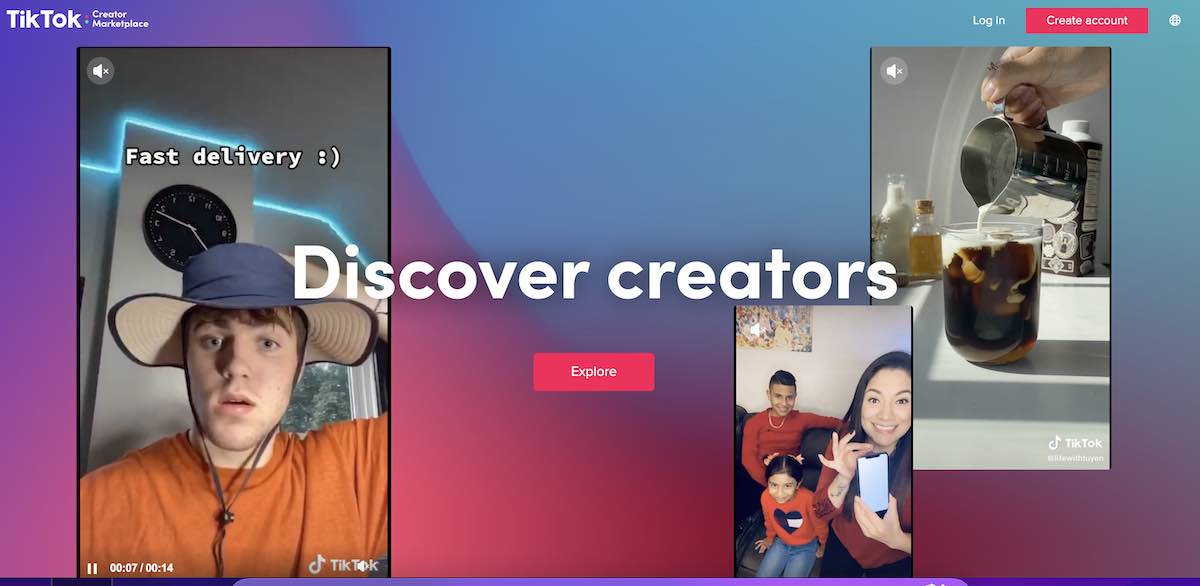
The TikTok Creator Marketplace is the platform’s official hub where brands can connect with creators. You can collaborate on advertising content and get paid for your efforts here. However, to join, there are a few prerequisites to keep in mind.

tiktok creators
Pros Cons
Potential for content to go viral Earnings can be unpredictable
Active, engaged user base Limited to short video format
Access to brand partnership deals Younger demographic may limit content types

Cameo

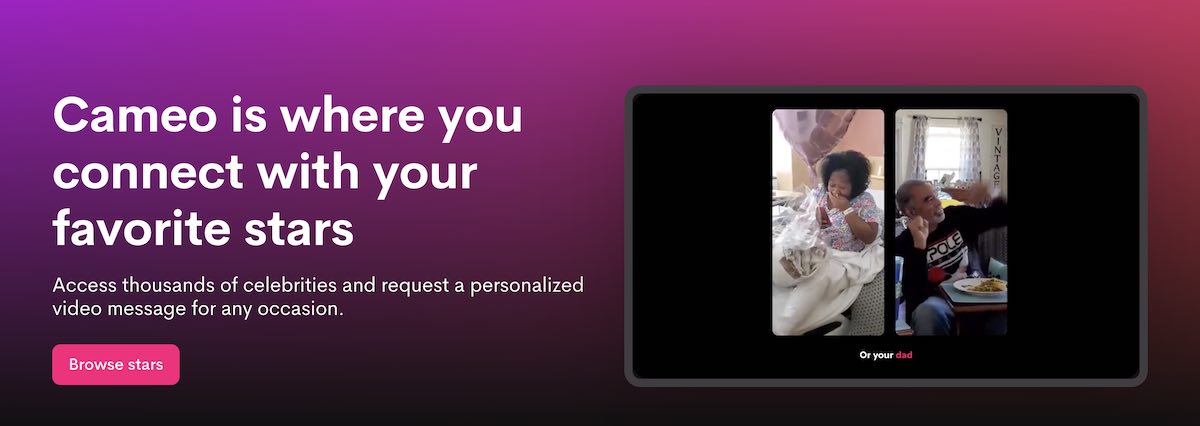
Cameo started out with celebrities selling personalized video messages to fans. Celebrities maintain complete control over which requests they accept and make sure every video aligns with their personal brand. Now influencers are hopping on board too.

cameo

The platform compensates well for 30-second videos. But to see significant earnings, creators need to produce a large volume of these brief videos. Cameo also presents an opportunity to generate income through its pay-per-message chat feature. For a $19.99 fee, fans can send a short message to their chosen influencer, who, in turn, responds

Pros Cons
Set your own prices Dependent on fan base
Flexibility in schedule Can be time-consuming

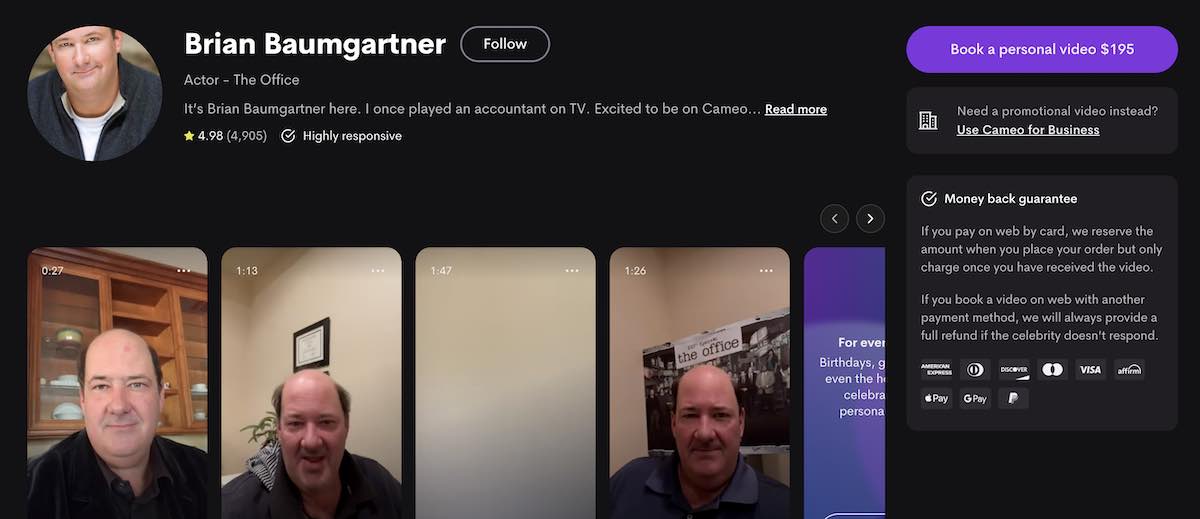
The actor Brian Baumgartner, known as Kevin from “The Office,” netted over $1,000,000 on Cameo in 2020.

cameo example

For creators on Cameo, building a recognizable personal brand is essential as you’ll be selling personalized video shout-outs to fans. The more renowned or popular you are, the higher you can set your price.

Patreon

Patreon is like your very own online clubhouse. It’s a place where you can host your content behind a virtual ‘entry fee.’ Your biggest fans pay a subscription fee to get exclusive access.

Keep in mind, the more enticing your exclusive content and perks, the more fans will want to become your patrons.

Pros Cons
Steady income stream Regular exclusive content is a must
Close fan engagement Fees are deducted from earnings
Creative freedom Building a subscriber base takes time

Patreon is all about offering exclusive content to your subscribers. Success on this platform relies on actively building a strong, loyal fan base and consistently delivering high-quality, unique content that can’t be found elsewhere.

Creator marketing platforms

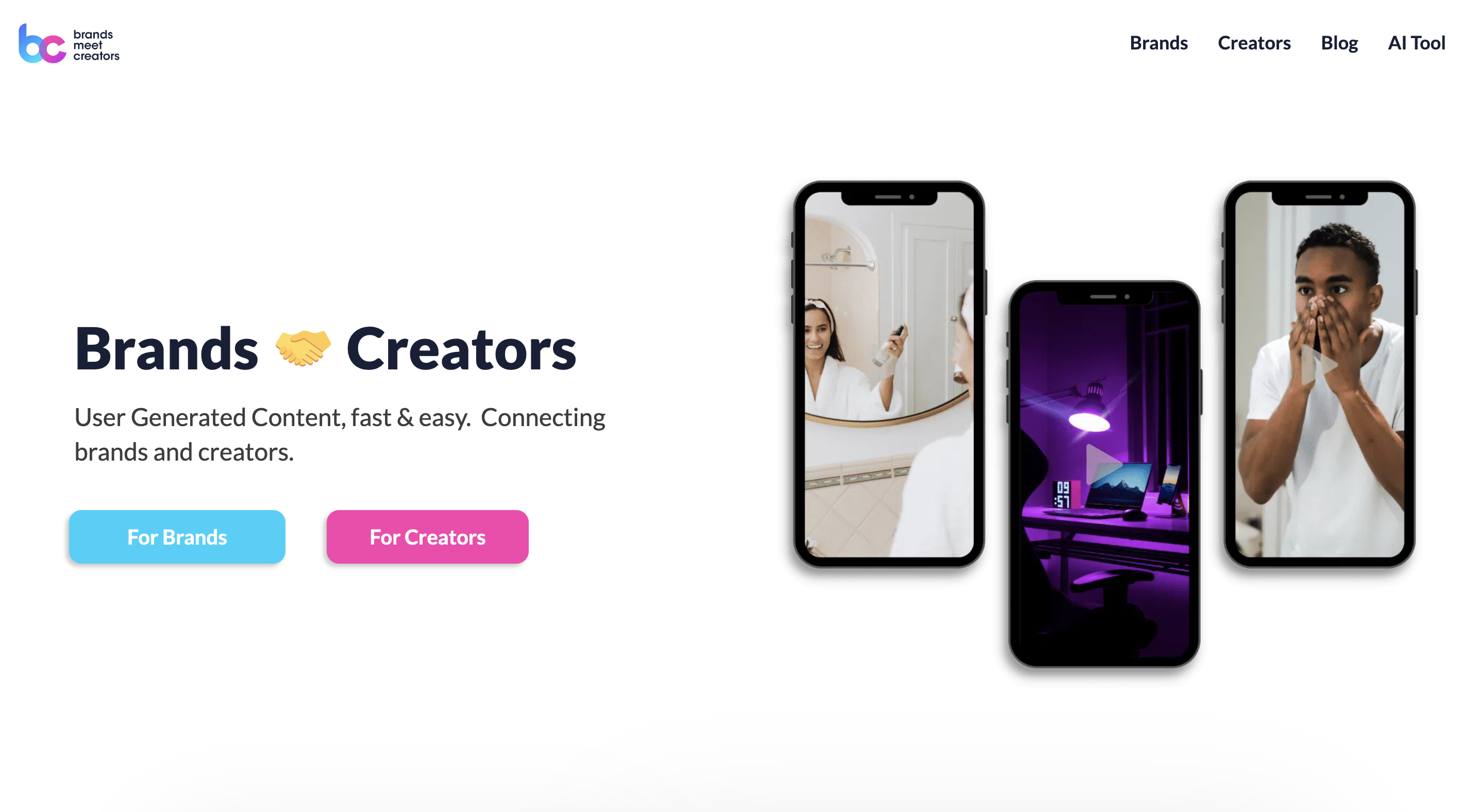
Creator marketing platforms like #paid act as digital matchmakers between creators and brands looking for promotion.

paid creator marketing platform

Video content creators can monetize by creating sponsored content, product review videos, or other user-generated content.

Here are a few noteworthy creator marketing platforms to monetize your video:

Platform Best for Requirements
#Paid Creators interested in connecting with a variety of brands Requires at least 5,000 followers and a 1.5% engagement rate
minisocial Creators focusing on visual storytelling High-quality content and a well-defined audience
GRIN Creators looking to work with influencers and brands Requires a strong content portfolio and engagement rate
krispy Creators interested in working on branded content Must have a track record of producing high-quality content
Billo Creators keen on collaborating with product-centric brands Requires an engaged audience and consistent content quality

How do creators make money with video?

With many options for video monetization at your disposal, it’s essential to understand how they work and how to navigate them effectively. Let’s explore the most popular ways that creators make money with their video content.

Advertising revenue

Advertising is a popular choice for creators to make money from their videos. Video ads can take various forms—pre-roll, mid-roll, and post-roll ads, overlay ads, or sponsored cards. The key to increasing ad revenue lies in creating content that keeps your viewers engaged and watching. Remember, the longer they watch, the more ads they will likely see.

While earnings can vary greatly, a creator with a moderately successful channel can make a few hundred to a few thousand dollars monthly from ad revenue alone. A shining example is the popular YouTuber Linus Sebastian of Linus Tech Tips, whose tech videos have amassed billions of views, translating to substantial ad revenue.

Brand sponsorships

Deals can range from product placements and shout-outs to full video sponsorship. Creating content that aligns with your potential sponsors’ brands is essential to land the right sponsorships. For tips on finding brand deals, check out our YouTube sponsorships guide.

Sponsorship earnings are highly variable, depending on your audience size, engagement rate, and the sponsor’s budget.

Video courses

If you’re an expert in a specific field, creating online video courses could be profitable. You curate your knowledge into a comprehensive course, set your price, and earn revenue every time a user pays for your course.

Creating video courses allows you to harness your expertise, connect with your audience, and establish a steady income stream. Teachable is a top platform for this approach, hosting a variety of successful creators.

spi

Pat Flynn, the creator of “Smart Passive Income,” usesTeachable to sell his courses on entrepreneurship.

Get paid with Teachable

With the right tools and mindset, you can create videos and build a sustainable source of income. The path to effective video monetization lies in aligning your passion, knowledge, and audience needs in a way that creates value for all.

Creators use Teachable’s platform to create and sell online video courses and other digital products. See how Teachable can help you monetize your knowledge by testing out a free plan.

Video monetization FAQs

What type of video content can you monetize?

If video content meets the platform’s rules and regulations, you can monetize almost any high-quality, engaging content. Some examples include:

  • Online courses
  • Product reviews
  • Vlogs
  • Unboxing videos
  • Gaming streams
  • Fitness tutorials
  • Cooking demonstrations
  • Tech tutorials
  • Comedy skits
  • Travel vlogs
  • Educational explainers

How many videos do I need to monetize?

There’s no definitive answer, as it can vary based on the platform. For example, you need at least 1,000 subscribers and 4,000 public watch hours in the last 12 months on YouTube. However, on platforms like Teachable, you can earn from your first video course.

How can I monetize my videos?

Video monetization takes many forms: advertising revenue, brand sponsorships, subscriptions, and online video courses. The right mix will depend on your content, audience, and personal brand. A fitness trainer might succeed in selling online courses. A gaming enthusiast might prefer using Twitch to earn through brand sponsorships and ad revenue.

Which video platform pays the most to creators?

The payout greatly varies from platform to platform and largely depends on the creator’s content, audience size, and engagement rate. Some creators make a significant income on YouTube due to its massive audience, while others succeed on Teachable, selling online courses. It’s about finding the platform that fits your content style and monetization strategy best.

2023 email statistics to know if you’re in the creator economy

Software Stack Editor · July 26, 2023 ·

image

If you practice a comprehensive digital marketing strategy, email marketing likely makes up a significant portion of it. Yet it can be tough for any modern brand to know when it’s spending the right amount of money on email ads, retargeting content, and other email marketing materials. Let’s break down some of the most important email marketing stats of 2023. You can use these steps to shape your future email marketing strategy.

Email marketing revenue will reach $11 billion by 2023

According to Statista, the total revenue brought about by email marketing should reach almost $11 billion by the end of 2023. This prediction is two years old, but it’s still on track to be accurate.

Importantly, this indicates that email marketing has a major role to play in business revenue and advertising success, even if (as some of the statistics below will indicate) it’s less of a role than it was previously.

Daily email use will reach 4.6 billion by 2025

Perhaps expectedly, right now, there are approximately 4 billion daily email users. But that number should increase to 4.6 billion by 2025. Statista indicates, in short, that email users around the world are increasing.

That’s a good thing for brands that still use email marketing, as it means more eyeballs looking at your email marketing materials. But it also means that you’ll need to differentiate your email campaigns from those of your competitors.

Most brands are increasing email marketing budgets

Most brands know the above information. Because of this, most brands are also increasing their email marketing budgets to some extent. According to Litmus, 37% of brands in total are increasing their email marketing budgets. Meanwhile, 1.3% are making cuts.

It’s ultimately up to you which path your business decides to take. But if most of your competitors are doubling down on email marketing, it might be a good idea to do the same, even if it means taking some marketing money from other potential avenues.

Most small businesses use email marketing

The above statistic correlates with Campaign Monitor’s finding that 64% of small businesses use email marketing to reach their customers. In other words, most small businesses across industries use email marketing heavily to attract leads and draw new clients to their brands.

This is a surefire sign that your business should be doing the same thing if it isn’t already. Email marketing can be a highly effective tool to get new customers and to keep current customers or clients purchasing or subscribing again and again.

Fewer brands say email marketing is critical

Even with the above statistics, it’s also true that fewer brands now say that their email marketing is “very critical” to their overall business success. Litmus found this in 2021 and noted that it was a significant difference from the 78% that said email marketing was very critical in 2020.

This could represent a shift in how brands think of email marketing. Many businesses might now think of email marketing as a supplementary advertising element meant to work in conjunction with things like social media marketing or other forms of advertising.

For example, those brands might use different forms of digital advertising, like content marketing through blogs or affiliate marketing deals or traditional Google or Amazon PPC ads, which have historically proven successful at increasing brand awareness and profits.

Depending on what your metrics say about your email marketing performance, you may also decide to pivot some of your resources to other marketing avenues.

Yet email engagement continues to rise

But don’t scrap your email marketing budget just yet. Recent studies have shown that 77% of marketers saw an increase in email engagement throughout 2021, and this trend has increased up to the midpoint of 2023. Paradoxically, even though many brands don’t think of email marketing as absolutely critical to their success, email marketing is more engaging to consumers than ever before.

The cause of this could be multi-fold. For example, engagement doesn’t necessarily increase revenue, as a marketing email has to include a link to a product or service for it to directly result in a conversion. But email engagement could still see increased conversion in terms of:

  • Brand awareness
  • Client loyalty
  • Cart reminders
  • And more

The best email subject lines are multi-faceted

Most brands that leverage email marketing already know that subject lines are highly important. A bad subject line will usually result in a low open rate. Recent research indicates that the most effective email subject lines:

  • Engage curiosity
  • Include interesting promotional offers
  • Are personalized to recipient interests

This is highly valuable information if you want to include your emails’ open rates in the future.

Email marketing testing yields excellent results

Meanwhile, you should also make heavy use of email marketing testing, including A/B testing, spam testing, and QA testing. Litmus found that brands that used these different testing strategies had a 28% higher return on their investments compared to brands that did not. Test your emails to make sure they are effective before sending them out en masse.

AI could revamp your email marketing strategy

Many studies indicate that artificial intelligence and machine learning could significantly impact email marketing strategies and procedures going forward.

According to HubSpot, 95% of marketers that use generative AI for email creation say that it is effective. 54% say it’s very effective. If your brand isn’t already using AI, you might consider it in the future.

Email marketing is especially important for B2B marketing

If your brand is a B2B or business-to-business company, you need to know that email marketing could be especially important for your advertising strategy. About 81% of B2B marketers say that the most used form of content marketing is email newsletters.

This makes sense to an extent, as email marketing allows you to showcase your brand’s expertise or focus in its industry.

Nearly 16% of emails are missing or caught in spam folders

It’s more important than ever to make sure your emails don’t trigger any spam folders and are targeted precisely for their intended recipients. That’s because about 15.8% of all emails go missing or are caught by spam filters, resulting in wasted advertising effort and money.

Most email views come from mobile

If your email marketing isn’t tailored to mobile users, it should be. That’s because the majority of all email views come from mobile devices, at 41%. Desktop views only comprise 39% of all email views.

Given this fact, you should do what you can to make sure your marketing emails are:

  • Easily viewable on mobile devices
  • Navigable on mobile devices
  • Load quickly on mobile devices, meaning they don’t have excessive graphics or sounds
  • And more

All of these steps combined will make your emails more accessible to mobile users and target audience members.

All of the takeaways

As you can see, email marketing is still highly important. Yet at the same time, it’s crucial to design and send your emails to the right people at the right time. The most successful companies use their marketing budgets wisely, leveraging email marketing as a targeted tool instead of a mass advertising method. Keep this in mind when developing your next email marketing strategy to see excellent results.

How creators can use AI to help bridge the language gap

Software Stack Editor · July 24, 2023 ·

image

Speaking more than one language is incredibly beneficial for content creators because it gives them a way to exponentially grow their audience. With the help of artificial intelligence, even content creators who don’t have an ear for languages can reach a global audience.

While English is widely regarded as the global language, millions–or even billions–of social media users speak a different language. That gives content creators an entirely new segment of the population to market their content to and sell guides or courses to. But, learning a language to the point of fluency is extremely difficult for a lot of people, not to mention time-consuming, which makes translation tools powered by artificial intelligence incredibly useful.

AI language tools for video creators

Generally speaking, there are two different types of language tools content creators can utilize–text translation and voice-over dubbing. Each tool serves a different purpose and, when used in tandem, can make your content incredibly accessible.

At VidCon 2023, YouTube announced plans for a new AI-powered dubbing tool for translating videos and it’s going to be available “at no cost.” This is particularly beneficial for content creators with smaller followings, who might not be able to afford to invest in a costly tool.

Content creators will edit an AI-generated transcription of a video and then YouTube’s tool will automatically translate it into the language the content creator chooses. Once the video is finished, content creators can publish the dubbed content by uploading the audio track onto their original video.

Mr. Beast, who has the most subscribers on YouTube, said the tool “supercharges the heck” out of the video. He told YouTube’s Creator Insider that he opted to keep all videos in a single, multi-language channel because it’s easier for him to manage the content and respond to comments and it’s a better user experience because all of the content is in one place.

He started with Spanish, Hindi, and Japanese dubs because those are some of the most popular languages that are spoken.

“If you do the top 15 languages, you can reach basically 90 percent of the world,” Mr. Beast told Creator Insider. “Most of the world doesn’t speak English, so if you make content in English, most of the world can’t watch your videos. The second you do videos in every language, your potential reach is 5x-6x [greater].”  

While YouTube’s tool doesn’t have lip reanimation yet, creators plan to make the feature available in the future. Creators wishing to use Aloud should join the waitlist using this online form.

Dubbing videos isn’t a new concept, it’s been around for years. But, older technology struggled to successfully sync lip movements with the voice-over, which made the videos visually unappealing and difficult to watch. Fortunately, technology has made leaps and bounds, and tools are now able to synchronize an image with new sounds so that a person’s lip movements match the new language they’re speaking. And, as time goes on, the tools are going to continue to improve, making it easier and easier for content creators to increase access to their content.

YouTube isn’t the only dubbing program out there. Other tools include Rask AI, Vidby and LOVO AI, which offer the option to specify emotions, giving content creators an added connection to their audience.

Adam Waheed, a content creator with an average of 50 million views per video, works with a company called Deeptune to translate and dub his content. His videos use the same voice, inflections, and emotions in every language he chooses and he claims it only takes 15 minutes to do. Waheed believes that he can triple his annual YouTube views to 35 billion by using AI translations.  

“My content is already very global,” Waheed told Fortune. “With me translating, it’s going to explode.”

AI tools for written content

Dubbing videos is awesome for people who primarily connect with their audience through video. But, a lot of content creators have also built businesses selling e-books, digital guides, and tutorials, making text translation just as critical.

Companies like Pairaphrase, Text United, and LanguageWire all offer text translation services. The benefit is that they can save you a ton of money, as personal translators are often pretty costly. Offering your digital guides and tutorials in several languages is an easy way to boost your income by repackaging the content your audience already loves. And to offer your content to a new market of consumers.

Beyond audience growth, translation tools are a great way to continue to connect with your non-English speaking followers. You can use the tools to answer questions, send out promotional emails and communicate directly with your global audience.

How to convey the value of your community to your audience

Software Stack Editor · July 21, 2023 ·

image

Popular associations aren’t the only go-to source for educational content, news, or any other form of value. Private companies now offer a significant level of value as well. For instance, these companies provide great courses, top-notch resources, and, sometimes, meet-ups among members of the community.

If you are in charge of a membership site, it’s imperative that you sustain a high level of value, whether it’s a free community or not. Most importantly, you should be able to convey this degree of value to parts of your audience that still need to become a member of your community.

10 tips that would help your audience see the need for a membership

1. Clearly state membership benefits

The first step to conveying your membership value is highlighting its advantages. Without a clear understanding of the pros of joining your community, your audience may avoid subscribing. So, identify what sets your members apart from the general audience.

Once you have figured out what could set your membership apart from others, articulate them in ways that resonate with your audience. Consider focusing on solving pain points and using compelling storytelling techniques.

2. Give your members a quick and sustainable win

Everyone wants to see what works before getting into it. For this reason, you need to make your members great examples of what you promised. To achieve this, closely monitor and guide members on how to make progress. This process will be a continuous loop of feedback.

A continuous feedback loop and guide will help your members learn and grow, making their successes more sustainable.

3. Provide members with priority access to products or services

It’s imperative to give your members priority access to whatever you do. Doing that will not only make members feel more valued, but your audience will also consider membership. For instance, if there is a live workshop or event coming up, your members should know first and get early tickets.

When your members are first in line to get priority access, it creates an extra value stream. This additional level of value will help you build on the exclusive nature of membership when marketing.

4. Offer a trial period to non-members

Offering a free trial period is a way to allow non-members to try out your service or product with zero risk. The primary purpose of providing your audience with a free trial is to give them an idea of what they could get if they were members. Companies use free trials to increase conversation rates, build brand trust, and improve customer retention.

Consider offering a trial with a money-back guarantee. However, clearly state your terms and conditions to help non-members build trust. You can utilize KPIs (key performance indicators) to monitor the financial growth or progress from this technique of offering trial periods. An example of a key performance indicator to track is the return on investment (ROI).

5. Connect members to one another

Helping members know each other provides a chance for them to grow, which attracts more of your audience. Even with your consistent follow-up and feedback loop, members need each other to stay on track. This is the purpose of a community. Some members could need a practice or accountability partner within the community. So, allowing them to get to know each other is imperative.

6. Provide ongoing support

Ongoing customer support could involve providing educational resources, webinars, expert advice, and workshops. When trying to convey the value of your membership using this approach, ensure you let your audience know that membership provides access to an ever-evolving resource. You can also highlight how your members get regular updates on insights and the latest industry trends.

Consider mentioning any personalized guidance or resources available to members, including assessments, tailored recommendations, or action plans that reflect ongoing support.

7. Create a good sense of belonging

In a community, creating a good sense of belonging is imperative. Fostering a sense of community within your membership helps create a supportive and valuable environment for members to learn and collaborate. This sense of belonging will significantly improve the perceived value of the membership, which helps attract individuals looking for a network of like minds.

8. Offer exclusive discounts

Like businesses do when trying to increase sales, you can offer discounts too. However, this discount should be channeled towards members. Taking that step makes your membership seem more valuable to your target audience and makes members feel valued and appreciated.

Discounts and other special perks are seen as immediate and tangible benefits. It leads to a higher perception of overall membership benefits.

9. Get members featured on your platform

If you’re involved in content marketing, look for ways to put your members out there. For instance, if you run a podcast, Facebook Livestream, or even a blog site, let people know about your members and their successes. You could create a blog series that discusses community members and the benefits they enjoy. When doing this, ensure the write-up is organic or follows a storytelling approach.

10. Organize events and networking opportunities only available for members

Creating networking opportunities within your membership establishes a sense of exclusivity and provides unique experiences that non-members can’t access. These networking opportunities should follow a structure and involve organizing events, networking sessions, or creating a platform suitable for members to connect and engage.

Examples of events to focus on include seminars, conferences, workshops, and webinars that feature industry experts or thought leaders. Networking opportunities build connections, improve professional growth, and increase knowledge sharing within the membership community.

Sharing the value

Rightly conveying the value of a membership to your audience will help attract new members, increase member retention, build trust and credibility, and differentiate from competitors. In most cases, communicating the value of membership promotes word-of-mouth marketing and fosters referrals. There’s a higher likelihood of members sharing their positive community experiences with others, increasing organic growth with the help of referrals.

Understanding how to become a successful content creator, the right way

Software Stack Editor · July 21, 2023 ·

If you are wondering how to enter the world of content creation, know that you’re not alone. Content creation has become one of the most popular career paths for many people, and for a good reason. “Creator economy” is valued at $100 billion, and the numbers are growing each year as the demand for new content increases.

Big companies are looking for in-house content creators to help with their digital marketing needs, and brands are looking for content creators to collaborate with as influencer marketing continues to be an efficient marketing strategy.

So, if you’re interested in becoming a full-time content creator, we have put together a quick guide with essential information about what it means to be a digital content creator and how to become one in eight easy steps.

{{tableofcontents-component=”/blog-shortcodes/table-of-contents”}}

person filming at home

What is a content creator?

A content creator is a person that creates educational and entertaining content in one or more formats – written, audio, video, and visual for a target audience and shares it on digital platforms. Anyone posting pictures and videos on social media platforms or writing blog posts for their personal blogs can be considered a content creator, but a professional content creator is someone who is able to monetize their content.

Also, there are different business models for content creation:

  • Freelancer: a professional marketing content creator who creates written, audio, video, and visual content for their clients.
  • In-house creator: a content creator who is working full-time for a company or agency, creating content for them (think Buzzfeed content creators who are crafting content for Buzzfeed YouTube channel and website).
  • Influencer: an independent content creator who is creating content for their platforms and monetizing it through brand sponsorships.
  • Entrepreneur: a small business owner who is creating and selling digital products like online courses, ebooks, workbooks, etc., for their target audience.

What does a content creator do?

  • Content creator job can include many different creative tasks like:
  • Brainstorming and coming up with creative ideas
  • Building engaged online communities
  • Managing content calendars
  • Writing guest blog posts
  • Doing guest podcasting
  • Filming and editing videos
  • Writing and editing social media posts, blog posts, magazine articles
  • Managing social media channels
  • Producing podcasts
  • Collaborating with brands on sponsored content
  • Creating online courses and other digital products
  • Working with clients

Most often, being a social media content creator requires wearing many different hats. It’s a very creatively-heavy and dynamic job that requires an interest in various subjects and skills that complement each other, for example, photography and video editing, or writing and social media management.

[embedded content]

How much do content creators make?

How much money content creators make on average varies greatly amongst creators. The income will depend mostly on which business model you choose as a content creator – whether you’re freelancing, working for a company in-house, creating your own digital products, or working with brands on creating sponsored content.

Glassdoor reports that the median yearly content creator salary in the US is $48,000. But according to Influencer Marketing Hub, 2 million top content creators make six-figure salaries. So, the sky is the limit when it comes to how much content creators can make.

To understand better how content creators’ incomes vary, let’s look at a few examples of creators in different niches:

  • Jessica Lynn is a content creator who writes articles on Medium on topics ranging from relationships, family, and politics to what it’s like to be a content creator. She makes between $5,000 and $7,000 every month from the platform.
  • Pat Flynn is a well-known content creator who sells online courses, has a podcast, and is a published non-fiction author. His niche is online business and making money, and with his content, he makes well over $100,000 every month.
  • Sorelle Amore is a minimalist travel YouTube content creator who made over $300,000 in her first year of being a full-time content creator from brand sponsorships, YouTube AdSense, and her photography courses.

Related post: How to find brand collaborations

How to become a successful content creator in 2023

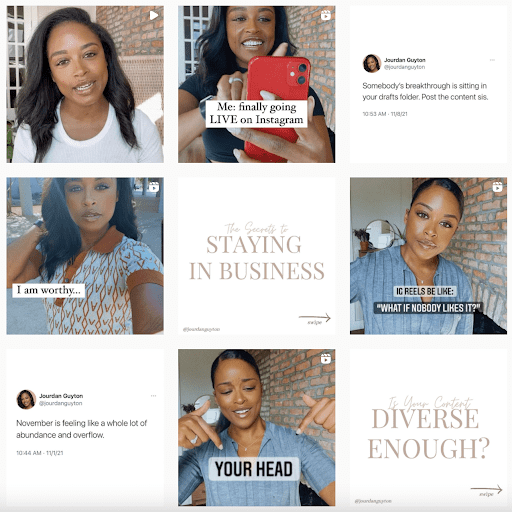
jourdan guyton ig
There are many ways to become a content creator

Step 1: Choose a skill to master

While being a digital content creator will require you to have multiple skills to build your business and monetize it, start with choosing one skill to master at the start. That skill can be anything from:

  • Writing/copywriting
  • Social media
  • SEO and Google Analytics
  • Photography
  • Videography
  • Graphic design
  • Illustration
  • Audio production

Some skills might be easier to learn than others. And, you might already have a skill you can use to craft high-quality content, like writing or photography, which will make it easier for you to start. Once you choose one skill to focus on, you’ll be able to excel at it and monetize it in different ways with time. And of course, your unique skill or niche area of interest may not fall into the above—and that’s OK! You can still hone it and create content.

For example: If you choose video production because you want to start a YouTube channel, as you improve your video production skill, you will be able to start working with clients and brands, producing content for them either as an in-house creator, freelancer, or even as an influencer as you grow your audience.

Step 2: Pick a niche you are passionate about

Pat Flynn started his first content creation business by creating exam study guides for architecture students. He had just passed the architecture exam and wanted to share the method that he knew works with other students. It was a small niche yet very effective, and it allowed him to build his first online business.

So, when you’re ready to start creating content, you have two roads ahead of you:

  • Picking a topic/niche that you already have knowledge or expertise in
  • Choosing a topic/niche you’re passionate about

If you, like Pat Flynn, choose the first option, creating content and coming up with content ideas will be easier at the start. You’ll be able to write blog posts or produce podcast episodes faster and more efficiently because you already know the topic well enough. And, your knowledge of the subject will allow you to present as an expert in the field, helping you build credibility.

Another way is to choose a niche or a topic that you’re passionate about and interested in developing knowledge in. When you are interested in the topic you’re creating content on, you’ll be more inclined to stick with it, and you won’t get bored even after hundreds of hours of writing or talking about the subject. There’s frequent overlap between these two routes, so go with your gut and know that regardless of what you choose, there are endless niches that are easily monetized.

live webinar

Step 3: Choose your business model

As we already discussed at the start, you can structure your content creation business in many different ways. If you already have expertise in a niche and a skill, like writing, you can start by being a freelancer or working as an in-house content creator for a company or an agency. To find in-house content creator jobs, go to Google and type in “content creator jobs” and see what postings are available.

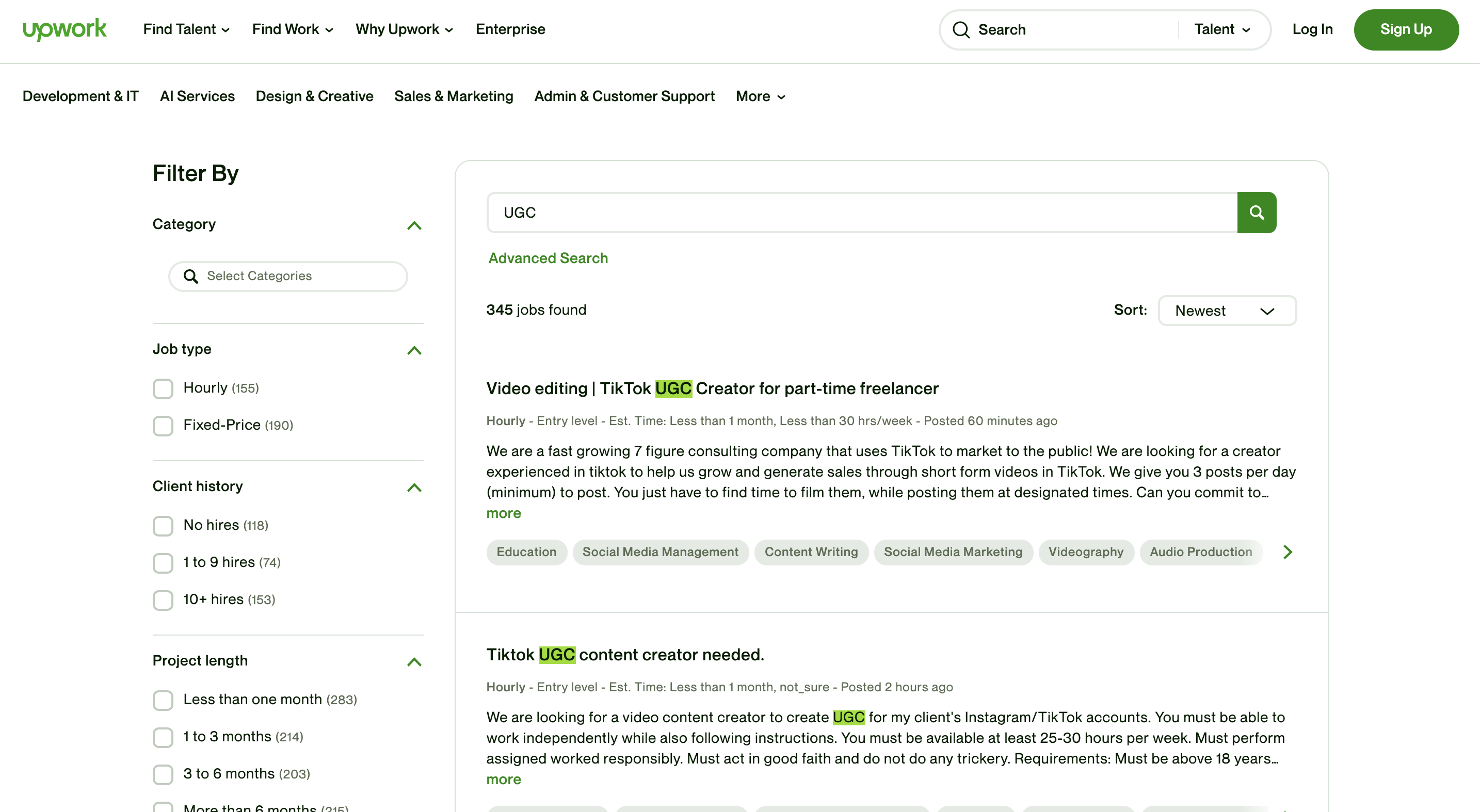
If you decide to go the freelance writing route, then you’ll need to find clients. You can either apply to jobs on online marketplaces like ProBlogger. Or, simply Google businesses in your niche, make a list of ones you want to work with, and then cold pitch them asking if they need help with their content marketing.

Not everyone will want to choose these business models. Maybe taking the entrepreneur route and creating your products is more up your alley. Or maybe, you always wanted to create lifestyle content and be a social media influencer. Think about which content creation model is the right one for you.

Of course, you can tap into the creator economy yourself through online courses. Online courses and coaching allow you to be in control over the content you share—and how you monetize it. With Teachable, everything you create is 100% yours always. We give you the easy-to-use tools and features you need to share your passion and knowledge in a way that makes sense for you and your audience.

personal branding examples

{{checkplans-component=”/blog-shortcodes/call-to-action”}}

Step 4: Build your portfolio

Finally comes the fun part—content creation! To become a successful content creator, you’ll need great good quality content that people want to consume. And the best way to learn to create this type of content is by creating a lot of content.

The first step will be to pick a platform. We recommend picking one at the start that compliments your niche and chosen skill set well:

  • Best platforms for video production: YouTube, TikTok, Instagram
  • Best platforms for writing/copywriting: WordPress blog, Medium, Substack, Instagram, Twitter
  • Best platforms for audio: TikTok, YouTube, Instagram.
  • Best platforms for graphic design/illustration: TikTok, Instagram, Twitter
  • Best platforms for photography: Instagram, TikTok
  • Best platform for online course and coaching: Teachable

Once you choose a platform or a few on which you want to create content, your next step will be brainstorming ideas and creating a content calendar. It will allow you to plan and prepare to create intentional content and help build your credibility as a successful content creator.

Creating content will require more energy and time at the very start of your journey. You might not always be happy with the results, and that’s okay. The key here is to create enough content pieces to get you the experience and make you excellent in what you do, allowing you to grow and monetize your content creation business.

Step 5: Find your unique voice

No matter which niche you’re in or which format of content you choose to create, finding the thing that makes you unique is crucial for your success. One thing that all great content creators have in common is that they each have something that makes them stand out in a crowd.

As you create your content, think of how you can craft content that stands out from other creators. For example, if you’re a beauty blogger, try to stand out by writing long-form blog posts on a topic instead of crafting short articles. Or, maybe try to add your unique tone of voice every time you write, allowing your readers to recognize you.

If you’re creating a piece of content for TikTok, experiment with different trends and video formats to create something that has the potential to appeal to many people but is a bit different than what the rest of the creators are doing. Due to the nature of the app, good content goes viral quickly, and if you manage to create unique digital content, your chances of it happening are higher.

marketing strategy vs. tactics

Step 6: Build an engaged community

If you choose to take the influencer or entrepreneur route, you’ll need to build an engaged community interested in your content. The side of your audience is not the focal point. The key here is to build an engaged audience that consumes your content and is a superfan of what you create.

And the best way to build an online community that’s interested in you as a content creator and what you have to offer is by identifying who your target audience is. You can do that by answering these questions:

  • How old is my target audience?
  • Where are they based?
  • What is their relationship status (single, married, divorced)?
  • What are their interests?
  • What brands do they follow/interact with?
  • What are their values?
  • Where do they spend their time online?
  • How familiar are they with internet culture?

The more in-depth and in-detail you go with identifying your target audience, the better it is. Knowing who you are talking to when creating content and what language your audience responds to will allow you to stand out in the crowd and connect with them.

Once you have built an engaged online community, you’ll be able to take your content creation business to the next level. And the easiest way to do that is by creating digital products that help improve your target audience’s lives. This brings us to the next step in your journey.

woman filming with ring light

Step 7: Create an online course

One of the most common questions people have when trying to find out how to become a content creator is how to monetize their content. The easiest and most efficient way to monetize your content when you have an engaged online community is by creating digital products like ebooks, workbooks, and online courses. Online courses are the best option because they allow you to charge a premium price for your expertise without you having to directly exchange your time for money.

Here is your quick step-by-step guide for creating an online course:

1. Identity what your audience needs

Best online courses sell a transformation to people. It can be anything from learning how to draw fashion illustrations, bake sourdough bread, make shoes or get healthy.

Throughout your journey as a content creator, you’ll start noticing the specific pain points your audience has. Make a list of them, and then see what sort of transformation you can offer with your online course.

2. Test your idea

An efficient strategy for launching an online course is to do a soft launch that includes announcing a pre-sale for your course before you start creating course material. This strategy allows you to validate your idea and ensure that you’re not creating something in which your audience has no value.

When you have a solid online course idea in mind, announce it to your email list, inviting people to pre-order. It’s also a good idea to post your pre-order on your social media channels or Facebook group if you have one. Once you see people pre-ordering, you know that your idea is valid, and it’s time to start creating!

3. Create the course

Content creation is something you have already been doing and love! First, you’ll want to create a curriculum for your course and map out your content. When it comes to lessons, remember that less is more, and the most important thing is to map out the journey for your students from start to finish.

Once you have a curriculum, you’ll want to consider the types of content your online course will include. Different people will prefer different types of content, so you’ll want to consider including written, audio, and video content for the most optimal experience.

4. Launch and market your course

The launch of your online course is always exciting and fun. But this is also where you’ll have to give your content creator hat a break and put on a marketer hat because your launch and after-launch period is when you want to seriously dig into marketing your course.

Consider these marketing strategies:

  • Run an email campaign
  • Do guest podcasts
  • Write guest blogs
  • Do live webinars
  • Post on your social media accounts

To learn more about online courses, check out the in-depth guide on how to create an online course.

Step 8: Diversify your income

As a content creator, you’ll want to diversify your income as you progress further into your career. This will become easier as you gain experience and build your reputation as an expert in your field. Because of how dynamic this job is, many different opportunities await you.

If you started as a freelancer or in-house content creator but have been working on creating YouTube content, you might want to branch out and start working with brands on sponsored deals as your audience grows.
Sorelle Amore turned her YouTube audience’s interest in her “Advanced Selfies” into a profitable online course business. At the start, she created YouTube videos of her travels and how she takes photos of herself on solo travels.

Once she noticed people’s interest, she launched an online course that helped her rack up the $300,000 in her first year as a full-time content creator. Then, to further diversify her income, Amore branched out to working as an influencer and collaborating with brands like Porsche to create sponsored video content for her channel.

As you can see, diversifying your income as a creator is easy once you get more experience and exposure and build your name and online audience.

how to get sponsored on instagram

How to become a content creator on Instagram

While the general guidelines for becoming a content creator can apply to all the various platforms, there are more nuanced ways to show up depending on the platform that can bring you more success. It’s important to note that the algorithms for each platform, especially Instagram, are constantly changing. The main goal of instagram’s algorithms are focused on engaging users with relevant content in order to increase their time spent on the app. This is based on the user’s past history when it comes to what kind of content they’re engaging in (posts, stories, reels, videos), who is posting it, and how likely they are to engage in the content. The more likely it is that users will engage with your content, the more your posts will be prioritized in a user’s feed.

In other words, it’s important to invite your audience to interact with what you’re posting. Invite them to “double tap” a post if they agree with the caption/text, ask an engaging question so that people will comment with their opinion or answer, or have a call to action for them to click the link in your bio.

This can feel like a catch-22, because how will people engage with your content if it’s not being shown as much? This is where it’s important to stay consistent, because the more you post relevant content, the more likely it will be engaged with, and the more it will be shown to people. Stick with it—slow and steady wins the Instagram race!

How to become a content creator on TikTok

While TikTok also prioritizes content based on engagement, it’s a slightly different game than the other platforms. With TikTok, it’s all about the FYP (“For You Page”). Some of the most important factors that this app’s algorithms take into account are the subject material of the video, trending sounds that are being used, location, and watch time/rewatches.

The more views a video is garnering, the more it will be shown on other’s For You Pages. This makes it a bit easier to go viral on TikTok, and that can happen fast on this app, with some videos getting millions of views in a matter of days.

Just as with other platforms, it’s crucial to create content from the perspective of what will get the most engagement from your audience. You can boost engagement (and the chances of your videos getting seen more!) by using trending sounds, and making shorter videos—when they’re shorter, they’re more likely to loop. This registers as an increase in watch time, and will push your content out to a wider audience. It’s also relevant to start with an attention grabber, because much of the content on the app is very short form, people are faster to scroll away if it doesn’t pique their interest right away.

It’s important to stay patient with this platform as well, since your videos can start (or continue!) to go viral days or even weeks after posting them.

a person cooking and filming a video

FAQs

What qualifications do I need to be a content creator?

You may be relieved to know that there are no official qualifications required to become a content creator. While there are a plethora of courses, coaches, and content that focus on how you can do this, you don’t need to partake in any of those. All you need is a willingness to be visible, consistent, and to have awareness of navigating common experiences like imposter syndrome, burnout, and prioritizing mental health as a creator. It’s also helpful to familiarize yourself with skills like video editing, photography, and copywriting. Don’t worry about needing to master these before starting though, many of these skills just come with time and practice!

Do content creators get paid?

This varies from creator to creator, but in a lot of cases, it’s entirely plausible to monetize your content. This can be done through being a brand ambassador, marketing your courses, or through other aspects of being a digital creator, like virtual offerings and/or coaching. Some platforms like Instagram and TikTok even offer financial incentives to post . There are many income streams that can open up to you as a content creator, including brands approaching you. As this process unfolds, there will likely be a varying length of time in the beginning where you aren’t getting paid, so be sure to plan for that!

Is being a content creator worth it?

This is a highly personal and subjective answer. In order to understand how this would apply to you, get clear on what it is you’re looking to get out of it. If you’re solely looking to make money, then it can be hard to predict if and when it would be deemed “worth it.” However, if your aim is to make money and make a positive impact with your content and to enjoy the creation process along the way, then it’s absolutely a worthwhile endeavor.

It’s also helpful in this case to choose a niche that you care about, as opposed to choosing it solely on how lucrative it has the potential to be. People will be able to sense if you’re genuinely excited and interested in the topics that you’re sharing about—and that can be a determining factor when it comes to them engaging with your content or buying from you.

Additional reporting by Nicole Quintana-Wolf

How to use AI prompts to create your online course

Software Stack Editor · July 19, 2023 ·

image

Using AI to create parts of your course can be a speedy and efficient way to get organized and ready to launch a final product. With Teachable’s integrated AI course generator, you can easily have a concise course outline in seconds.

While there are many different tools that can be specifically beneficial to creators, it’s also true that the genius of AI is limited to the depth of instructions that it’s given. It’s a skill in and of itself to know what questions to ask and which directions to give the AI so that it produces the best results possible. If you want to improve the quality of its output, then look no further than the prompts that you’re inputting. Luckily it’s pretty straightforward to learn how to up your prompt game. Read on to find out how!

{{curriculumminutes-component=”/blog-shortcodes/call-to-action”}}

Best practices for using AI

If you’ve never used AI before, you might not know what to expect. Here are our tips for creating the best prompt possible for AI.

Get clear on your intention

Having a specific goal in mind for what you’re creating is essential for you and the AI tool you’re using. What do you aim to teach with your course? What value will your students gain from this course? What specific skills or understanding will they walk away knowing after completing the course? Consider these questions when setting your intention.

Share your intention with the AI

This is a simple but important step. The more information that you include in your prompt, the more on-target the output will be. AI is looking for your intention, so clearly stating it is a helpful way of getting more specific results. This can be as simple as starting the prompt with “Today we are creating a course outline that focuses on XYZ.”

Be as specific as possible

Specificity is key to helping the AI understand what you’re looking for. For example, if your course has to do with teaching others how to improve their mindset you can get very specific. Instead of prompting with “Write a course outline about improving your mindset” try using something like “Write a course outline that explains what mindset is, how it impacts your daily life, and how to replace negative subconscious beliefs with positive ones.” This will provide an output that gives you a lot more to work with.

Details, details, details

It’s likely you have some idea of how long you want your course to be. So include what subtopics are essential to include, and/or any niche-specific language that needs to be included. Tell the AI all of this in your prompt!

Double-check your prompt for errors

It may seem obvious, but checking for spelling and grammar errors can go a long way in ensuring that the AI is receiving information that is as clear and concise as possible.

Revise and revisit

Keep in mind that you can revise the first or second (or more!) prompts that you input to get a more specific and aligned output. Play around with tweaking the prompts and you’re likely to get even better results. You can do this by changing verbs, rephrasing certain words or sentences, and adding more details about the overall goal or intention of the course.

Example prompt for using AI

You can input as many details as you want, but make sure to include these essentials:

  • Who is the course for? (You can include a problem that your audience is experiencing that the course will help solve)
  • What is the overall aim of the course?
  • What are the learning objectives that each module will cover? (It’s okay if you don’t know every single one!)
  • Optional: length of course and any niche-specific language that you’d like to include

For example, instead of inputting “Create a course outline for doing a yogic headstead” this prompt will give you a much more concise output: “Create a course outline for a 4-week course for beginner yogis on how to build muscle tone and balance so that they can do a headstand. This includes learning poses that increase balance and strengthens the core muscles. It also focuses on the mental aspects of overcoming fear to practice the inversion.”

Try it yourself

As with anything new, learning to hone your prompts is a skill! Keep at it and before you know it, you’ll be generating outputs that were better than you could have imagined on the very first try. Then, take what AI gives you and make it your own so you stay true to your brand.

How to create a membership website around your course

Software Stack Editor · July 18, 2023 ·

image

Amembership website can be a very lucrative way to expand your online product selection, provide more value to your students, and increase your profit. And what’s best is that this business model works for so many different industries and niches, that any content creator can find a way to take advantage of it.

Let’s talk about how a Membership product can complement your online courses or digital downloads, and why you might want to consider creating one.

5 ways a membership website can complement your online course

What is a membership?

A membership is a business model where customers pay a fee for content that’s exclusive to the membership. That fee can happen on a monthly, quarterly, annual, or any other cadence schedule.

There are many different successful businesses in various niches that operate on a membership or subscription basis. Netflix, HBO Max, and BossBabe (a business membership for women entrepreneurs) all fall under the membership website umbrella.

Why create a membership website to accompany your online course

Most often content creators opt for either creating an online course or running a membership. However, there are many benefits to creating both—an online course, and a membership to accompany the course.

Let’s discuss some of the key benefits of why that’s a good idea for your business:

The memberships make for a good upsell

As a business owner, you want to make sure that you have as many valuable offers available for your audience as possible to maximize your profit. Upsells are one of the most effective strategies to increase your profit. And a membership can be a fantastic upsell for people who are interested in your offers.

Add a paid tier to your online course

Another very effective way you can use a membership to increase your online course business profit is to use it to add tiers to your pricing.

Let’s say you sell an online course about product photography. Here’s how you can break down your pricing into tiers:

  • Tier 1: for $200, students get access to course material
  • Tier 2: for $500, students get access to course material + one-off 30-minute consultation with you
  • Tier 3: for $900, students get access to course material + one-off 30-minute consultation with you + access to an exclusive membership site

With one course alone you can create many more opportunities to increase your profit. Plus an opportunity to provide your students with more value. You can learn more about how to easily do this on Teachable with our Membership product.

Engage your audience with ongoing challenges

One key component of a membership is often the sense of community it creates. This is often  community of people who are all interested in the same topic and are seeking to find solutions to their problems is a very powerful tool.

Running memberships can help you to engage with your audience in a much more personal manner, and you can help them accomplish their goals by offering ongoing challenges.

For example, let’s say you sell online courses teaching people how to achieve various fitness goals like a handstand, a split, etc. You could create a membership option, where every month students can participate in fitness challenges based on your fitness programs. Plus, if you allow them access they can communicate with one another and share their highs and lows on their journey.

This will allow your students to utilize the course materials you offer much better, find a supportive community of like-minded people, and have a way to receive guidance from you.

Keep your students accountable

Another wonderful way to use a membership is to use it as an accountability system. The American Society of Training and Development (ASTD) found that if you’re committed to someone and have an accountability appointment with them, you’re 95% more likely to accomplish your goals.

When you sell your online courses you’re really selling a transformation or a promise of a transformation. A membership that serves as an accountability system is a great way to deliver on that promise. It can also help increase overall student satisfaction with your programs.

You can also offer your time as an accountability buddy through your membership. Or you can connect your students through the membership and take on the role of an accountability matchmaker.

Provide a place for students to connect and network

Depending on what industry you’re in, you can utilize a membership as a way to connect your students to one another. This can also help them find work and other opportunities.

For example, if you’re teaching online courses on web design and development. Your courses provide a way for people to learn a skill, and a membership product could provide tools to find a job or build a career with their newly learned skills.

So, within your membership, you could offer multiple benefits. Like coaching sessions with you, networking events, a job board, and other valuable materials to help people utilize the skill they just learned.

Membership examples

Let’s take a look at a few great examples of successful membership websites that complement other parts of the creator’s businesses:

The Virtual Savvy

The Virtual Savvy offers online courses that teach people how to build their virtual assistant businesses. After listening to their community, they decided to add a membership site for $47/month where they offer additional useful training for their members.

When you join their membership website, you get access to all the previous content, as well as every new training that they add every month.

Allasyummyfood

Allasyummyfood is another great example of a content creator using a membership website to complement their online courses. They sell courses on making cakes and individual live cake-baking workshops.

In addition to that, they have a membership website where members get access to a community, new recipes, and live sessions with the founder every quarter.

Live Richer Academy

The creator of The Budgetnista doesn’t sell online courses, but she does sell books on personal finance. And in addition to that, she has created a membership website that gives people a place to learn about finance and build wealth and find like-minded people.

Membership website models

So, as we already briefly touched on before, there are many different ways to run a membership website. You can offer different forms of content and choose to engage your community in multiple ways:

  • A fixed membership period: This type of membership works best for limited-time challenges, like 30/60/90-day fitness, wellness, or personal finance challenges. People pay a membership fee for the duration of the challenge to get access to content, accountability system, and everything else.
  • Product membership: This type of membership provides the members with access to exclusive content. It’s often delivered in small chunks, giving people time to process the content before receiving a new update.
  • Coaching membership: This type of membership gives the members access to the creator, either in a coaching or accountability format.

Depending on your content, niche, and business goals you might choose to mix and match all these membership types and offer your audience a little bit of everything. There are really no rules as to how you have to run your membership. So it’s best to choose a model that works for your business.

How to keep your members engaged

Creating a membership website and onboarding new members is just the start. You want to make sure that your members are engaged and get value out of their subscriptions. Here’s how you can do that:

  • Engage with them: It’s essential to engage with your community and show up consistently. You can share valuable, inspirational, or motivational short-form content, answer questions or simply offer encouragement where needed.
  • Refresh content: A successful membership website always offers new, valuable content. So, make sure that you’re supplying your members with regular new content in the form of webinars, blog posts, YouTube videos, workshops, and everything in between.
  • Run challenges: If it works with your niche and business model, a very effective way to engage your members is to run challenges consistently and invite people to participate. Take it a step further and offer incentives for finishing challenges–gifts, discounts, or special swag.
  • Listen to feedback: Your members will tell you what sort of content they want to see more, what struggles they are facing and need help with, and how you can better help them achieve their goals or solve their problems.

8 abandoned cart email best practices to increase sales

Software Stack Editor · July 17, 2023 ·

Abandoned cart emails automatically get sent out when someone adds a product to their online cart, then leaves the page before finalizing the checkout process. This type of email sequence is great for reminding potential customers to come back and complete their purchases.

Research shows that almost 70% of consumers abandon their carts—but abandoned cart email sequences can generate a click-through rate of 23.33%, meaning nearly a quarter of those will click back to their cart while considering whether to complete the purchase.

However, to see good success rates with your cart abandonment emails, you need to know how to create the best email sequence you can. We’ve got eight abandoned cart email best practices to help you get started.

8 abandoned cart email best practices to increase sales

Want to increase sales from cart abandoners? Keep these eight best practices in mind when creating your next email sequence.

1. Start your abandoned cart email sequence within 24 hours

Don’t wait too long before starting your abandoned cart email sequence. You still want the product(s) your customer almost purchased to be top of mind.

While you absolutely must send that first email within 24 hours of cart abandonment, studies show that the optimal time is actually one hour after abandonment, according to Rejoiner.

abandoned cart email best practices 1

2. Send out three emails

Many businesses simply send out a single cart abandonment email and call it a day. If the customer comes back, great. If not, we tried.

However, best practices dictate that your abandoned cart email sequence should consist of three emails for optimal results. One study done by Klaviyo analyzed nearly 10 million cart abandonment emails to find some of the best data, and here are the results.

Sequences of three emails generate the best results at $24.9 million in revenue. That’s 6.5x the revenue that a single abandoned cart email sends. Two emails generate the second-best results at $16.4 million, then four emails, before we get to the revenue that just one email brings.

This tells us that your abandoned cart emails can’t be a one-and-done. And if they are, you could be leaving a ton of revenue on the table.

But what should go into those three emails? You don’t want to just send the same email three times. One good rule of thumb is to break your emails down like this:

  • Email #1: A brief reminder of their abandoned cart
  • Email #2: A suggestion that they finalize their purchase
  • Email #3: An incentive (like a discount code or free shipping)

3. Use a catchy subject line

Make your emails stand out in your recipient’s inbox. Use a subject line that’s going to grab attention and get your customer to open it.

Klaviyo’s study found that simply reminding your customer about their abandoned cart generates a 47.67% open rate. Their data found that the average cart abandonment open rate was around 41.18%, meaning a simple reminder (one popular subject line is, “It looks like you left something behind”) increased opens by 6.5%.

However, we encourage you to experiment with your subject line, too. Add some of your brand’s personality to it.

For example, this subject from BarkBox adorably mentions that the customer’s dog wanted a reminder sent about their toys.

Brainstorm ideas for your own subject lines that will make your customers want to open your emails.

4. Write engaging email copy

If your subject lines should be catchy, then your email copy should be even more attention-grabbing and enticing. Throw some personality in there and get your customer to want to shop with your brand.

Here’s a fun example from Adidas:

Adidas example for abandoned cart

“Is your Wi-Fi okay?” in big, bold letters helps lighten the mood and assume that it was just a little mistake, the customer wouldn’t have chosen not to fulfill their purchase!

Think about how you can create email copy that helps increase the chances that your recipient clicks through and decides to finish up a purchase.

5. Share high-quality product imagery

Your emails should be simple, but not boring. And they should absolutely include high-quality photos of the product(s) they’ve left behind.

Your photos will likely be automatically pulled from your product page—so step one is to ensure high-quality product photography is used there. Second, make sure your imagery shows up nice and large in your emails so it’s part of the main focus.

Here’s a great example from Jack Wills:

Jack Willis abandoned cart email

The product information—and photos—are front and center.

If you’re unable to include photos that large, consider taking a page from this Food52 example:

food 52 abandoned cart

While they’ve included the product left behind lower in the email, they also have a visually appealing header photo with a large assortment of their products to help make the email more attractive.

6. Include a call-to-action (CTA)

The purpose of a cart abandonment email is to get your customer to take action in finishing their purchase. So make it clear what action you want them to take with a call-to-action button.

Here’s one example from Rudy’s Barbershop:

cart abandonment email barber

They’ve included a big “Checkout Now” button right underneath the products to clearly state what they’re hoping the customer will do.

CTA button options include:

  • Shop Now
  • Checkout Now
  • Take Another Look
  • Complete My Order
  • Return To My Items
  • View My Cart
  • Continue Shopping

7. Create a sense of urgency

Urgency can help customers decide to make purchases more quickly. One case study found that creating urgency with their customers increased sales by an astronomical 332%. And it can help you make a sale with your cart abandonment emails.

Here’s an example of what this might look like from Society 6:

cart abandoment email best practices 8

Letting customers know their cart is only available for a certain amount of time can increase the odds they take action much more quickly.

Other ways to create a sense of urgency with your abandoned cart emails include:

  • Letting customers know when products are selling out
  • Sharing that the cart will expire soon
  • Including information about limited-time-only products
  • Using phrases like “Don’t wait too long,” or “Going, going, gone!”

8. Provide an incentive

Finally, include some sort of incentive like a discount or free shipping that will help your customer feel better about spending money and making a purchase.

Here’s an example from Winc of what that might look like:

abandoned cart email best practices 9

They’re offering a $20 off discount code to those who go back and complete their purchase—with fun CTAs like “Let’s do this” and “I’m ready for wine.”

Providing some additional incentive—whether it’s free shipping, money savings, or even a free product—can be a great way to get customers through the door, especially after they’ve abandoned their carts.

Use these abandoned cart email best practices in your next sequence

The bottom line is that abandoned cart emails work. Keep your customers from abandoning your course and digital products with these best practices. Learn more about creating abandoned cart email sequences with Teachable.

A step-by-step guide on how to become an online tutor

Software Stack Editor · July 14, 2023 ·

The world of online tutoring has opened up teaching opportunities for people everywhere. Now, you don’t necessarily have to work for a public or private school to share your passion for educating and giving students the tools they need to succeed in adolescence and their careers.

But how to become a tutor online? Let’s answer that question with a step-by-step breakdown of how to offer your tutoring services online.

{{tableofcontents-component=”/blog-shortcodes/table-of-contents”}}

What do tutors do?

Tutors – both online and in-person – are professional teachers who lecture students individually or in very small groups. These professionals provide tutoring services to students for a variety of different subjects, including:

  • Mathematics
  • Writing
  • Science
  • Languages
  • And more

Lots of tutors advertise their online tutoring services on dedicated websites, which connect remote tutoring professionals with students or their parents. Depending on the online tutoring platform used, the tutor might guide the student through interactive lessons, lecture them in a virtual classroom, and more.

To work as an online tutor, every teacher needs to have professional teaching experience or some kind of educational background. There’s a wide range of opportunities available for tutors of all types, especially those who cultivate good reputations and who interact with students regularly.

Tutoring can be a very rewarding experience as well. For many teachers, there’s nothing better than teaching online since it’s often more flexible compared to a traditional classroom teaching environment.

But to work as an online tutor, you need to accomplish several limited steps. For example, you’ll need learning experiences in the educational field, plus you have to complete a background check for your employing company or teaching platform. Many online tutoring websites have very strict requirements for remote tutoring professionals.

Let’s take a closer look at how to tutor online.

How to become an online tutor

To become an online tutor, you have to have relevant educational credentials, knowledge of different teaching styles, pick a specialty, and decide how you will offer your tutoring services.

Earn a degree or diploma

First, you need a high school diploma, GED, or a relevant degree. Technically, you don’t need a degree in teaching or a related subject to work as a tutor or get a tutor job. You can tutor anyone you like for free or for money if they agree to accept your services. However, you won’t be able to work for tutoring companies or official organizations without a bachelor’s degree in education or a similar subject.

Furthermore, it’s unlikely that parents or educators will accept you as a tutor for their children or students if you don’t have a degree highlighting your skills or specialization. Tutoring experience is valuable, but some sort of certification and degree will go a long way.

Generally, if you want tutoring to be your profession in the long run, it pays to earn a bachelor’s degree in teaching or whatever subject you wish to teach.

how to start freelance tutoring

Earn certification

No matter your career path, tutors must pursue certification through different accredited tutoring associations. Examples include:

  • The American Tutoring Association
  • The Association for Tutoring Professionals
  • The College Reading and Learning Association
  • The National Tutoring Association

The more certifications you have, the more likely you’ll be hired by an official tutoring organization like an agency or private school system.

Certifications can also benefit you if you choose to work part-time as a freelance tutor. And they’ll help you learn the important tutoring methods. You can post these on your tutoring profile or business website. Certifications demonstrate your expertise in the area of tutoring and make parents more comfortable hiring you for their kids.

Most tutoring certifications require you to take one or more exams. They may also require you to have a bachelor’s degree in teaching (see more above). Again, this highlights the importance of getting a bachelor’s degree if you want to tutor seriously and for significant money.

Choose your tutoring specialty

Next, you need to decide what to teach or what your tutoring specialty will be. Unlike many public school teachers, most tutors teach one or two subjects maximum. They may teach students to help them master specific subjects or areas of expertise rather than teaching students everything they need to learn from the school system.

For instance, you can be an English tutor, a math tutor, a tutor of music, or something else entirely. English tutors, or American tutoring, are some of the most common as many non-Americans seek English tutors for their children. That’s because American English is an important business language.

However, Chinese is also a common tutoring specialty. Chinese is becoming an important trade language like English, so if you know how to speak it, you could make a lot of money teaching Chinese to current English-only speakers.
Regardless, you should try to teach subjects you have professional training in or enjoy teaching.

how to start a career as a tutor

Choose where you’ll teach

You can offer tutoring sessions in public areas like coffee shops. Or you can tutor at your own home, which provides greater privacy and control over the environment. Alternatively, you might go to your pupils’ homes, especially if your students tend to be on the younger side or high school students and parents are worried about protecting their children from identity theft and online security.

Choosing where you’ll teach can impact your schedule, how often you can tutor, and how much you should charge for your work. Keep all of this in mind when choosing your primary teaching locations.

Decide to work independently or for an agency

After choosing your specialty, you need to decide whether you’ll work as an independent freelance tutor or if you want to work for a tutoring agency. It’s easier to find work when working for an agency in many cases.

A tutoring agency is an organization that hires you as a contractor for private tutoring jobs. The tutoring agency handles marketing, outreach to parents or schools, and many other business elements. In exchange, you tutor for the agency and give them a cut of your profits or accept a salary from them.

In essence, working for an agency means working as a tutor in a traditional employee context. It’s not the same thing as being an independent tutor, where you get to choose all of your clients, set your rates, and have more freedom.

Both types of tutoring have their advantages. For instance, tutors working for an agency don’t have to worry about advertising their services. But they might earn less money working for an agency than they would as a freelancer with their own client base.

Start seeking students

Whether you choose to work for an agency or independently, you’ll need to find students to teach. There are many ways you can do this, though if you work for an agency, you’ll have to advertise your services much less, if ever.

how to become an online tutor

How to start freelance tutoring

Freelance tutoring can be advantageous and beneficial economically, professionally, and personally. When you tutor as a freelancer, you are 100% in control of your:

  • Rates
  • Schedule
  • Who you teach (i.e., high school students vs. college kids, their age range, etc.)
  • What you teach
  • The learning styles you’ll offer your students, etc.

However, running a freelance tutoring business is like running any other online business, whether you teach students in person or over the internet. You need to come up with a business idea, make a quality website, and decide how you’ll present your class materials to your pupils.

You can use online platforms like Teachable to provide educational content to your pupils. Alternatively, you can video conference with your students, especially if your teaching methods require you to converse with them “face-to-face.”

Regardless, to start freelance tutoring:

  • Decide how you will run your tutoring business. Will you advertise locally and meet students at coffee shops? Or will you have a big online tutoring business where you videoconference to teach students throughout the day?
  • Set your rates. The key to succeeding as a freelance tutor is setting your rates to be competitive without going overboard. Look at what other tutors in your area or niche are charging and try to rate yourself competitively. Most students won’t want to take out student loans for a private tutor unless they sign up for a long-term program under your tutelage.
  • Start advertising your freelance tutoring services. Note that it may take you some time to build up a reputation as a great tutor. But over time, getting students to come to you for education will become easier. You can post advertisements, make blog posts about your experiences, and much more.
  • Ask for positive reviews from the parents of your current pupils. This is the best way to build a strong reputation and a client base from scratch.

How to get students to tutor

Now that you know how to become a tutor, it might be wise to start looking for students to teach. After all, you won’t make any money despite your skills if you can’t advertise your tutoring services one way or another!

Fortunately, there are multiple ways in which you can get students to tutor, including:

  • Registering for an online tutoring directory. These are essentially public listings where you can advertise your services. Examples of tutoring directories include Care.com, Wyzant, and more.
  • Asking for referrals. If you know people, ask them to refer you to teachers or parents so you can educate their students/kids.
  • Running online advertisements for your tutoring service, especially if you work as a freelancer. Online PPC or pay-per-click ads could be the best way to advertise in this manner. Alternatively, you could advertise on social media platforms like Facebook and Instagram.

If you get a tutor job with a tutoring agency or organization, you’ll be assigned students to tutor almost immediately. If you decide to go freelance or opt for another business pathway, you’ll need to pursue new students to tutor by yourself.

FAQs

How do I start a career as a tutor?

To start a career as a tutor, you must first figure out what you want to teach, get a degree, and decide whether you’ll tutor for an agency or by yourself. Above all else, you need to be skilled in one area or another so you can teach applicable skills to students.

Can I be a tutor and make money?

Yes! Good tutors earn enough to make a living from teaching just a handful of students each year. However, most tutors make money privately or while working for an agency.

Do I need a degree to become a tutor?

You don’t need a degree if you wish to tutor students as a freelancer. However, working for tutoring businesses requires a degree either in the subject you wish to teach or in education.

How to market online courses and boost your sales in 2023 (41 ideas ahead)

Software Stack Editor · July 14, 2023 ·

Online education is more popular than ever, and teachers like you have wider audiences to market to as well. Whether you’re an experienced educator or are looking to launch your first online class, it can be tough to bring students to your online courses, especially if you don’t already have a dedicated audience.

Luckily, you don’t need to spend tons of money on online advertisements, nor do you need to hope Google’s SEO algorithms favor you over your competitors. Instead, you can take advertising into your own hands if you learn how to market online courses effectively.

Let’s take a look at 41 ways you can do just that.

How to market your online course before it’s ready

Advertising for online classes doesn’t have to begin after your course is ready and uploaded to a quality learning platform like Teachable. You can market your course before making it with a few smart strategies.

The below steps are important for ensuring your later marketing efforts succeed. Think of them as the groundwork you need to do before promoting your online course.

[embedded content]

1. Identify your brand’s USP

First, identify the USP or unique selling proposition of your brand. Of course, “brand” in this sense can be just you as a person or your reputation as an online teacher.

Regardless, the USP is what separates you from other online educators.

It’s important to identify your USP, so you know what you bring to your students and can highlight that in all of your marketing and promotional materials. Your

USP can be things like:

  • The affordability of your online courses
  • Your expertise in your educational niche
  • The quality of your online courses
  • Something else entirely

Bottom line: make sure you know what separates you from the pack of other online educators before selling online courses. It is the number one way to ensure that students understand the intrinsic value of your educational offerings before making a purchase. It’s also a great place to showcase the transition students can expect to undergo after having gone through your course.

2. Determine your target audience

Next, you need to determine the target audience you’ll primarily sell to. For example, if you make online marketing classes about UX design, your target audience will include:

  • Small business owners
  • Online entrepreneurs
  • UX students
  • Online marketers, etc.

Your target audience is the group of people most likely to purchase your courses or attend your lessons regularly. Again, by identifying your target audience, you’ll be better equipped to market to them effectively.

For example, you can make an ad that speaks to them more directly and clearly instead of a generalized ad that doesn’t pull them in or persuade them to view your materials.

You can determine your target audience by:

  • Performing market research, such as keyword research
  • Using some common sense—for instance, if your courses are on a specific subject, your learners will necessarily be professionals in the same industry
  • Considering your experiences as a teacher

{{getaudience-component=”/blog-shortcodes/popups”}}

person filming self

3. Create a “student avatar”

The next step is to create a so-called student avatar. In a nutshell, a student avatar is a representative example of a member of your target audience or the people most likely to enter your marketing funnel. You’ll often hear this called an audience persona, too.

Say that your audience comprises small business owners who want to know how to make a clean e-commerce shop user interface. That’s perfect for your courses because you teach how to make UIs for small websites.

The student avatar might have characteristics like:

  • Aged between 25 and 45
  • Generally female
  • Interested in clear solutions and streamlined tutorials

No matter the exact demographic characteristics or attributes of the student avatar, the point of understanding them is the same. When you create a student avatar, you can advertise to that persona more easily and effectively.

4. Research keywords for titles

Before drawing up a list of potential courses to create, you should research keywords for course titles. Course titles can and should take search engine optimization (SEO) into account, as the titles will impact who finds your courses and how you can categorize them.

Researching keywords can also be advantageous since doing so can help you develop course or topic ideas if you are having trouble.

man on computer in workshop

5. Pre-sell the course

That’s right; you don’t have to sell online courses after they’re done. It might be smarter to pre-sell your courses by letting people purchase them or a tutorial/trial class within the larger course ahead of time.

Pre-selling a course is advantageous because it lets you test out course ideas. If, for example, you pre-sell two courses that you haven’t yet created and one has many more pre-sales compared to the other, you know which of the courses you should focus on. It’s also a fantastic way to gather feedback, secure testimonials, and test the waters with ideas. Learn more about how to run a pre-sale here.

6. Make a “Teacher Profile” page or section

Lastly, you can build trust and your brand authority as an educator if you create a teacher profile page on your website or course sales page. The teacher profile page should include:

  • Your history as an educator
  • Any relevant credentials to the subjects you teach
  • What you plan to bring to potential students, etc.

You should mainly focus on credentials (strong social proof) and authority on this page. But it’s also a great place to share your brand mission statement or course goals. Be sure to link to the teacher profile page in every course description, especially for new courses in untested subjects or niches.

A teacher profile page is even more important if you are a new educator and don’t have a willing audience of trusting students quite yet. Pro tip: include some contact information, such as an email or social account. That way, your potential students can ask questions and see if the course is a fit for them.

How to market online courses once they’re ready

Naturally, most of your marketing work will occur after you create an online course (or several) and are ready to bring students to your materials. Fortunately, you can employ many effective strategies to promote your course after making it and uploading it to Teachable. Here’s how to promote online classes once they’re ready.

woman in greenhouse

7. YouTube promotions

For starters, one of the best ways to advertise a course is through YouTube promotions. YouTube promotions are much more effective nowadays since people are used to viewing video content for ads, promotions, and breakdowns of online courses.

YouTube promotions can be even more effective if you leverage several subsidiary strategies:

  • For example, you can partner with other YouTube creators and cross-promote your courses with each other. This may allow you to bring students from each other’s audiences without having to attract new students.
  • You can join the YouTube Partner Program and create advertisements that show up on related videos.

8. YouTube Ads

Dedicated YouTube ads take some time to create, but they’ll pop up in front of your videos or the videos of related content creators. Think of these as traditional commercials seen on TV. This marketing strategy will likely be more approachable and effective as you earn money and solidify your place as a major educator in your subject.

9. Blog announcements

Blog announcements can also be highly effective. For example, you can make a blog post announcing the recent launch of one of your new courses. The benefit of announcing new courses on your blog is that you can tie them into previous classes you’ve already released or represent the classes however you like.

Similarly, you can cross-promote by partnering with other educators or brands and announce your class on their blogs and vice versa.

10. Student testimonials page for your website

You might consider creating a student testimonials page for your website or a sales page to market a class. Student testimonials are highly advantageous because they:

  • Boost brand authority for you as an educator
  • Show potential students that your previous students had a great time learning from your classes
  • Allow students to gain some insights into your teaching style and your specific benefits

Of course, your testimonials should be legitimate and taken from real reviews. This leads to the next major tip…

11. Ask for course reviews

Don’t hesitate to ask former students for course reviews or testimonials about your teaching abilities. If you’ve just launched a new course, you can ask for reviews for prior classes those students completed.

Asking for course reviews, feedback, and testimonials is highly recommended for your personal branding. Getting the positive word out there and gathering good reviews for your testimonials page is a great way to convince new students that you are worth their time and money.

CreateYourSalesPage-Desktop

12. Make a dedicated course page for your website

You don’t have to have a website to have a course page on Teachable. Teachable can act as your business’s homepage and course directory.

However, if you have your own website, be sure to update the links and information about your course or courses. Each new course you release should have a dedicated page on your website. The dedicated course sales page should include the following:

  • A breakdown of what the course includes
  • Details about how long the course is and how many subclasses it includes
  • What students will learn by the end
  • Who the course is meant for
  • Any other pertinent information

Think of the dedicated course page as a product description for prospective students. The more information you give them, the greater the likelihood a student will sign up for one of the courses since they’ll feel confident about their purchase.

13. Update the existing course page

Alternatively, you can update your existing collective course page if your site has one already. This is essentially a listing page that breaks down all the class offerings you have as a teacher. Be sure to update this each time you launch a new class or change how you price your courses.

Many of your former students will visit the existing course page rather than click on advertisements since they already trust you. Updating the existing course page will make your new class offerings more accessible to new and former students.

14. Email newsletters

Email newsletters are perhaps the best way to market online courses. Getting leads for your newsletters is easy by requiring student emails from every new student who signs up for a class.

If you already have an email list, send out course announcements when you make a new class and invite your students to watch it on your platform. Your marketing newsletters should also include special deals or discounts (more on those below) if applicable.

15. Email signature links

You can passively promote online courses by adding a link to the new class or your educational platform in your email signature. Your email signature is used for all of your professional correspondence, either between your students or other individuals and organizations.

Having the link to your new class in your email signature gets the word out there that you have a new course ready for viewing. It’s a great way to bring a few extra people to your class without having to do much.

16. Podcast announcements

Are you into podcasting? More importantly, are your students? If you answer one or both of those questions “yes,” then you should feel free to announce your new classes on any podcasts you are a part of. It’s a smart, stellar way to market and sell online courses to those interested in your courses.

Whether you host your own podcast show or are a guest on someone else’s, be sure to plug your new class at the end. Most podcast hosts are fairly relaxed about this, as they’re used to product placements or advertisements being a part of their shows.

17. Make a free trial

You can’t go wrong with allowing new students to sample your educational wares without having to pay a penny. To do that, create a free trial for every new course or class you make.

Platforms such as Teachable allow you to do this with a few button presses. But no matter what platform you use, you should make a free trial by:

  • Giving students unlimited access to the course for a short timeframe, like 24 hour
  • Giving students unlimited access to one part of the course, like the first two lessons, but requiring them to pay for the rest

No matter which trial strategy you employ, you can rest assured it will be quite effective at getting new students to want to get the full course offering once they see the beginning. Just be careful not to make your free trial with too much freedom and flexibility; otherwise, you might find that a few highly productive students complete your class within the free 24-hour period, for example.

{{runcourse-component=”/blog-shortcodes/call-to-action”}}

18. Offer a free mini course

Alternatively, you can create a free mini course. This is a great lead magnet, which will help draw new leads to your brand and other courses you offer.
For example, if you make a new course with three sub-classes contained within, you can offer the first one free on your website. This is similar to a free trial, but it doesn’t have the same time limit element and might be a little more effective.

Naturally, any free mini courses you offer should be valuable and accessible from the get-go. The point of mini-courses is to draw students to your larger class offerings. So make sure any mini classes you launch have valuable information while also serving as a taste of what else you can provide.

19. Host a webinar

As an online educator, you’re probably already comfortable getting in front of a video camera. If this is true, consider hosting a webinar for prospective students looking to learn more about your course offerings.

Your webinar can be on your chosen niche or industry, of course. Make sure it provides some interesting information about your current topics and subjects, such as how to sell an online course. The webinar can be a promotional tool if you plug in your new class at the beginning or end of the session.

Of course, you’ll need to promote the webinar regularly to ensure enough people attend. But done right, a webinar can provide lots of marketing benefits. For example, it can improve your authority in your industry if enough people attend and see that you know what you’re talking about.

20. Cross-promote with other courses

If you already have more than one class under your belt, it should be a simple affair to add a promotional line about your new class to the end-of-current course offerings. Include a link to your course, too. This way, you can advertise new classes to students already in your educational pipeline.

They might finish a current course, then notice an advertisement or offer for a new class you just released. If they appreciated the current educational offering, they might be well-prepared to make an immediate purchase and jump into your next course on the same day.

woman sewing at table business success

21. Bundle a new course

You can also attract people to new classes by making them more economically worthwhile, improving sales for your online course offers. For example, you can market online courses by bundling them with old courses.

Say that you just came out with a new class for a subject that relates to your best-selling course of all time. To get people to view the new class, bundle it with the best-selling course and ensure the price is lower than if someone were to buy both courses separately.

While you may not get as many sales from those who have already taken the other course, you might get many more new students who jump at the opportunity to learn from you at a lower-than-average price.

22. Discounts and sales

Speaking of low prices, you can always offer discounts and sales for your new classes, especially in the earliest months after launch. Discounts and sales of between 10% and 15% can do wonders for improving your long-term revenue and showing the value of signing up for your course, although this depends on your profit margins.

Don’t forget to offer discounts and sales for special occasions, such as the Black Friday or Cyber Monday sales periods. Other course creators will undoubtedly do this, and you don’t want to be left behind just because you keep your prices rigidly at their original marks.

23. Amazon book publishing

Have a talent for writing, or do you want to advertise your new course while also improving your brand recognition? In that case, you might consider publishing a book on Amazon. The book doesn’t have to sell tons of copies to get the word out about your new classes and market your educational brand, not to mention boost your product or service search results presence.

Plus, if you make a book about your educational subject, you can always plug that book into any future classes you make. Like modern college professors, you can tell students to buy your book if they want to learn more about your perspective on a topic or get some extra value from your online classes.

24. Attend local meet-ups

Local meet-ups with other online course creators and educators can be beneficial for a few key reasons:

  • They allow you to network with those creators, potentially benefiting from the partnerships detailed below.
  • They let you advertise your online classes since many students attend these meet-ups as well.

However, this tip is contingent on your area having regular meet-ups you can attend. Look for social media groups about local course creators or digital education conferences and conventions before making this a major part of your online course marketing plans.

baristas looking at a phone

25. Partner with other course creators

Consider partnering with other course creators, especially those in related but not identical subjects: an effective way to promote your online course in 2023. For example, you can team up with a UI design teacher if you primarily teach UX or user experience principles.

Simply include a mention for other creators at the end of your courses or mention those other creators in blog posts. They’ll do the same for you, and, in theory, you’ll create a tide of advertising momentum that lifts all proverbial boats.

26. Satisfaction guarantees

Satisfaction guarantees are essentially refunds. While these can cost you if you aren’t careful, they’re still valuable promotional tools since they show that you believe in your online classes enough to offer refunds in the first place.

Generally, it’s a good idea to offer a 30-day money-back guarantee. Then, students who aren’t satisfied with your new class can get a refund within 30 days of making the purchase.

27. Provide a payment plan option

Some students may want to take advantage of your online learning resources, but they may not be able to afford a new class for its upfront price. To help those students out, you can provide a payment plan option by which students make regular monthly installments toward the price of your courses.

This is a great promotional tip if your classes tend to be on the more expensive side due to their length or complexity. That way, even budget-minded students can start learning from your classes quickly after they are released.

getting started setting up payments

28. Google Ads

You can’t forget about Google Ads—arguably the cornerstone of online advertising these days. Google Ads are super easy to set up and allow you to advertise your classes based on certain keywords.

Google Ads are PPC or pay-per-click advertisements, so you only have to pay Google when someone clicks on one of your ads and sees your class’s landing page. With Google Ads, you can also monitor ongoing marketing campaigns, see which ads perform the best, and adjust your marketing efforts accordingly.

29. Other banner ads

While Google Ads are effective, they aren’t the only online ads you can leverage. You can also purchase banner advertisements on websites related to your niche. For instance, if you teach carpentry online, you might purchase banner ads to show up on carpentry supply websites or even on sites for bigger companies like Home Depot.

30. Ask bloggers for course reviews

If you know bloggers in your social or professional circles, you can ask them to review your classes and courses. Of course, ask them to be honest in their opinions, but have them write positive reviews that will bring new students to your courses.

In exchange, you can link to their blogs or provide them with other value depending on your niche or educational industry.

31. Join course forums and participate

There are lots of online course forums and networking sites you can join. It’s a good idea to join them ASAP and participate in conversations regularly. This is a great way to build your reputation as a high-quality educator in your field. If any prospective students read your posts, your insights might convince them to give your classes a try.

teachable affiliate link generator

32. Create an affiliate program

Affiliate marketing programs have you pay bloggers and other content creators to mention or advertise your courses. If they bring students to your classes, you pay them a commission for each sale you make. It is a great and low-cost way to advertise your classes across the web since you don’t have to pay anything if the affiliate marketers don’t produce results.

33. Translate your new course

Translating new courses into other languages aside from English is a great way to expand them into other markets. The most popular languages include Chinese, French, Russian, and Spanish. However, note that you’ll have to spend a good amount of money to get excellent translation services for your classes.

34. Record a Google Hangout presentation

Google Hangouts allows you to create content like video or slide-based presentations. These are great opportunities to showcase your educational skills or host a “trial” class, such as a module from one of your recently released courses. You can share these presentations with your friends or professional peers and even open them up to the public.

lady holding flowers

How to promote online classes on social media

Aside from the above effective marketing tactics, you can and should leverage social media marketing strategies to advertise your courses. Lots of online advertising happens on social media platforms since billions of people collectively use those platforms daily.

35. Update your social media profiles

For starters, you should make sure each social media profile is updated across the web. Ensure that each profile has your new courses listed clearly with functional links to direct visitors to them.

36. Facebook ads

Next, consider leveraging Facebook ads to bring people who know you on social media to your course content. Facebook ads can be static images or videos, but video ads are much more effective than image-based ads in most cases.

37. Facebook groups

Facebook groups are online social networks you can jump into to promote recently released classes. You should try to join Facebook groups for:

  • Your local area
  • Other content creators
  • Students and teachers in your industry, especially if it’s technical

38. LinkedIn groups

By the same token, LinkedIn groups represent ways to network with others in your field or with students who might be interested in what your classes have to offer. Be sure to join these groups and interact with others in them regularly so you can build a positive reputation and have many opportunities to advertise your classes to prospective students.

person filming tiktok

39. Purchase Social Media Posts

Sites such as Fiverr allow you to purchase social media posts from influencers. Often costing just a few dollars each, these can help you spread the announcement of a new online course’s launch far and wide in a few days.

For longer-term advertising purposes, consider working with an influencer directly, who you’ll pay to promote your classes on their social media page.

40. Build a TikTok audience

TikTok isn’t going away anytime soon! If you want to reach younger students, it might be worthwhile to create a TikTok profile, start creating compelling content to promote your business, and build an audience on that platform.

41. Instagram Reels promotions

Don’t forget Instagram, arguably the most important social media platform for advertising. Instagram Reels video content, in particular, is excellent for highlighting your classes, showcasing a few small lessons or nuggets of information, and building intrigue about your course offerings.

Putting it together

Marketing online courses means leveraging multiple promotional channels to get the word out about your classes to as many people as possible. With the right preparation and overarching strategies, however, your online classes will draw people to them faster than you think, and your career as an online educator will blossom in no time.

Of course, a platform like Teachable can help you reach your goals effectively as well.

FAQS

How do you successfully market online courses?

Once you create an online course, it’s easy to get overwhelmed by employing too many tactics to get course sales. That’s why we recommend that course creators start with two or three tactics and focus their energy most on them. In this article, we cover organic search, email, paid, social media, and video marketing strategies.

How do you promote a course on social media?

Social media is one of the easiest ways to reach out and engage people who may have a genuine interest in your product. You can drive traffic to course platforms via Pinterest, Instagram, Facebook, Twitter, YouTube, and more. Many social media platforms offer business profiles that support your marketing efforts.

What is a UGC Creator & Should You Become One in 2024

Software Stack Editor · June 19, 2023 ·

In the creator world, buzzwords and acronyms abound. And while not every one is relevant to you, UGC might be one to pay attention to. First off, what does UGC stand for? Simply put, UGC is an acronym for user-generated content and has been a tried-and-true marketing tactic for brands for years. Brands rely on this user-supplied content as a way to garner social proof, promote their product or service, and market themselves.

However, gathering authentic UGC—and lots of it—can be difficult, especially if you’re a newer brand. This is where UGC creators come in. UGC creators help brands to develop an entire library of user-generated content that doesn’t feel pushy or promotional and resonates well with each brand’s target audience.

In this post, you’ll learn more about what exactly a UGC creator is, what a UGC creator does, and how you can become one to bring in even more income.

{{tableofcontents-component=”/blog-shortcodes/table-of-contents”}}

What is UGC? 

UGC or user-generated content (otherwise known as consumer-generated content) is original and authentic content created by customers about a brand or a product at no cost to the brand. It can be a short-form video like a TikTok or Instagram Reel, an Instagram post, a review, or a testimonial. 

Originally, UGC was organic content that didn’t cost a brand anything. It was out of the brand’s hands what people say about their product and how they showcase it. However once brands noticed how successful their customer creative efforts were, brands started to use paid UGC, meaning they pay professional UGC creators to create UGC for their products. 

What is a UGC creator?

A UGC creator is a content creator who focuses specifically on creating user-generated content for brands. While this is paid content and not organic UGC, it still follows the same formula that makes organic UGC work so well.

User-generated content is so popular because it appeals to the social proof side of marketing psychology. Social proof is a phenomenon that dictates that consumers tend to copy the actions of others in order to emulate their experiences. For example, if someone sees a TikTok video of a woman with great skin sharing a skincare product she loves, they’re going to be much more likely to purchase that product than if they saw an ad directly from the brand talking about the product features and benefits.

This is where UGC creators come in. They are paid to create that content—the type that entices regular everyday consumers to make a purchase because they see other regular everyday consumers use it and enjoy it.

UGC creators vs. content creators

A content creator is a professional who creates content for brands for a living. They might create things like blog content, graphics, videos, ebooks, online courses, and more. You can learn more about what a content creator is and how it differs from an influencer in this blog post.

Content creators differ from UGC creators as UGC creators tend to make this type of content on the side. They’re regular social media users rather than professional creators.

UGC content creators vs. influencers

Influencers focus on building up their audiences. They also work with brands for paid promotional content, but they’re typically sharing the content on their own social media sites rather than sending it to the brand for their content platforms.

Influencers must have a large audience for them to appeal to brands. UGC creators don’t need any type of audience—they just need to be able to create good content for the brands to use.

How to become a UGC content creator

If UGC content creation sounds like something that might be right up your alley, let’s walk through a few steps you can take to become a UGC creator all on your own.

1. Choose your niche

This tip is the same across the board, no matter what type of content creation business you find yourself getting into. Niching down helps you attract more of the businesses that you actually want to work with. Plus, then you have a portfolio filled with content that looks like what they’d probably be looking for. Choose a niche that you actually enjoy and are passionate about. For example, you might focus more on makeup or skincare products. You might want to work with home and gardening brands. Or you could choose to create content for cooking companies.

It’s not necessary to completely box yourself in—feel free to take any kind of work that you think seems interesting. But you don’t want to accept projects just for the sake of it to realize you have zero inspiration down the road.

2. Get your filming setup together

UGC content can consist of a number of things—case studies, graphics, photos, and videos—but one of the most common types that brands hire creators for is video content.

This means that once you’ve decided what types of businesses you’d like to work with, it’s time to get your filming setup together. You’ll need the right tools to record and edit your footage as well as a nice, bright area you can use to film.

You can simply use your smartphone to record your video footage, but other tools you might want to acquire include:

  • Ring light or other lighting additions to supplement more light for your videos
  • Lavalier mic to catch your voice and other sounds (like ASMR) while you record
  • Backdrops to help provide different looks and feels for each video
  • Props to use throughout your video content
  • Editing software (or you can use the TikTok app) to finalize your video content

3. Create your starter portfolio

Once you’ve got your filming setup ready to go, it’s time to create sample content to build up a portfolio. A lot of UGC creators will grab products they already have and use those to create examples of the types of UGC content they could create for other brands.

Put together several videos—ideally using products within the niche you’re hoping to work in—and add them to your portfolio. You can create your portfolio using a tool like Canva and then easily share it with prospective brands.

4. Network with brands you want to work with

The next step is to begin outreach. Create a list of brands you’d be interested in working with and locate their social media handles, websites, and any other potential contact information.

Before you start your outreach, create an email address and social media handles specific to your new UGC creation business. Use these new profiles to follow all of the brands on your list. You can also start to network with other creators in the community.

Then, start interacting with all of the brands you’d like to work with as well as any marketers or founders you can find for each one. Formulate your pitch and share it with them either on the social media platform you’ve been using or via email.

When you first start, finding work might be a slow process, but don’t be discouraged. Keep pitching, and eventually, you’ll start seeing some deals come in.

Pros and cons of producing user-generated content 

Like with any other creative endeavor, there are pros and cons to creating user-generated content.

Pro: Easy to produce

User-generated content is fairly easy to create. Even if you don’t have any video creation experience or fancy filming equipment, you can learn how to create UGC with your phone alone and a little bit of practice. You don’t need a studio or professional background–you can easily film your content in the comfort of your home or any other spot (coffee shop, beach, friend’s house, etc).  

Because of its casual nature, UGC also doesn’t have to be highly produced, so the editing should be minimal and mimic regular content from people you see on social media platforms. 

Con: It might take trial and error to figure out what works 

While it’s pretty easy to get started with UGC, and it requires minimal skills and effort to produce, it can take time to learn the best tactics for creating engaging content. When you create UGC, you want to show the brand that you know how to hook the viewer and showcase the best side of the product you’re creating content about. 

That might require some trial and error and studying the best UGC examples to get it right. You might want to invest in a UGC course from other content creators to help you understand the specifics and strategies better, or simply try and test out different tactics yourself and learn from your experience. 

Pro: Great earning potential 

Probably one of the biggest pros of being a UGC creator is the great earning potential. While as a beginner, you might start off charging only $50 per piece of content, you can easily increase your rates with experience. The sky is the limit when it comes to how much money you can make doing UGC for brands, and it makes it a very lucrative creative endeavor. 

Con: You need to always be on top of trends 

It’s no secret that success on social media platforms like TikTok greatly depends on understanding trends. Those trends change more rapidly than ever, which means that to create engaging, trending content people want to see, you’ll have to be quick at recognizing trends and jumping on them at the right moment to maximize the gains. 

While it might not be a con for some, it might be a huge disadvantage for others. So, before you jump into being a UGC creator, that’s something worth thinking about and considering how to navigate to get the best results for your clients. 

Top UGC platforms for creators

There are also a number of platforms that UGC creators can join to help them find work. Social media in itself can be powerful, but here are a few platforms to pay attention to.

1. Join Brands

ugc platforms for content creators

Join Brands has a creator platform that interested creators can join. Rates start at $60 per video and $15 per photo—plus free product to use when creating the content. Easily sign up to be a creator with Join Brands and start getting work with big brands in your preferred niche.

2. Billo

ugc content creators

Billo is an app for video UGC creators to find clients and get paid. There are two tiers: Beginner Creator and PRO Creator. Beginners can have a basic film setup and is the perfect starting place while PRO creators are required to have a full film setup and professional knowledge of product video creation. This app is for US-based creators only.

3. Insense

ugc creators

Insense is another app made to connect creators and brands. The cost for brands starts at $50 per video, so the payout per video is somewhere in that ballpark for creators. It’s easy to apply and start finding brands to work with. Some creators working with this platform have made thousands of dollars creating UGC.

4. Brands Meet Creators

best platforms for ugc creators

Brands Meet Creators is essentially like a job board to easily connect brands and creators. Creators can sign up to receive emails of opportunities or check out the board of available creator jobs. You can apply to jobs that interest you and brands get to sift through the applications to choose the best fit.

5. Upwork

ugc creation

Upwork is a creator marketplace for all sorts of creative jobs—writing, video editing, graphic design, virtual assisting, and so much more. But the platform also has plenty of UGC creator jobs to check out as well. Look through the gigs to see if any interest you and start applying.

6. Target Creator Program

Target Creator Program is an affiliate program where creators earn commission on sales they attract by creating content. The commission rates are up to 8%, and anyone is free to apply (however, not everyone will be accepted). 

7. Trend 

Trend is a platform that connects brands who need UGC content with creators who want to get paid for creating UGC content for brands. They have an iOS app where you can browse gigs (they add them daily), apply, and submit content. One advantage of Trend is that they provide their creators with free products and monetary payment on successful brand deals. 

8. Tribe

Tribe is another great platform to find UGC gigs in one place. You need 3,000 followers to start making money. You pitch brands your creative ideas for Instagram and TikTok campaigns, which allows you to really tap into your creativity and show off your skills. 

9. Influee

Influee is a global agency that connects brands and UGC creators. They have an app where you can browse and apply for gigs with brands, which is super easy and convenient. 

10. UGC Shop

UGC Shop is a smaller global agency and online platform that works with brands and UGC creators. Anyone can apply, and you don’t have to live in the United States to be eligible to start working with brands, receive free products, and get paid. 

11. The Right Fit

The Right Fit is a platform where you can create your creator profile, browse available brand partnerships, and then apply for jobs that fit your experience and personal brand. You can manage all the applications, collabs, and content directly on their app, which is quick and convenient. 

UGC Success Cases 

To give you a better idea of what being a UGC creator is like, let’s look at a few successful UGC creators. 

Emma Lorrae 

Emma is a full time UGC content creator and strategist. She has worked with a variety of brands to help them create engaging UGC. On her website, she has portfolio that showcases the high quality videos she created, and brands she collaborated with, which include Girl Code, Waterdrop and more. She makes around $7-8k/month from UGC partnerships.

Hannah Jefferson 

Hannah is a full time UGC content creator and mentor from the UK. She creates beautiful aesthetic videos for her own platfrom and for brands. She mainful focuses on hair and beauty, wellness, jerwelry and fashion industries and has worked with brands like Motel, Wild, ghd London and more. 

Ashlee Sulens

Ashlee is a full-time UGC content creator from Australia. She creates content about hair, beauty, wellness, food, and lifestyle and has worked with brands like Wild, Esmi, Afterpay, and more. Her rates start at $150 AUD for a video, but she offers a variety of different packages for brands to choose from. 

FAQs

Now, let’s answer some of the most frequently asked questions people have. 

Do UGC creators make money?

Yes! UGC creators can make a good part-time or even full-time income. How much UGC creators will make can vary greatly due to their niche, following, and results. If you can demonstrate to the brand that you can create content that generates engagement, you can charge much more than other creators in your niche who have the same following. 

One UGC creator on TikTok shares that in 2023, she made between $7-8k each month from UGC content alone. Another UGC creator on TikTok shared that, on average, she makes around $15k per month by creating UGC content for brands. As you can see, the sky is the limit here. 

How much should I charge as a UGC creator?

Your rates will depend on your experience and the size of your portfolio. Minimum rates might start out at $50 for a single piece of content and can go up to $500 or more. One UGC creator and educator on TikTok shares that if you’re a beginner, your rates should be $150 for a video and $20-$30 for a photo. She also suggests offering bulk discounts to encourage brands to book content packages with you. 

How do I get UGC for my online course?

The easiest way to get UGC for your online course is to tap into your past and current student network. Chances are that some of them are creating content, or would be interested in creating content. So, reach out to them and ask if they’d be interested in a collaboration. 

You can incentivize your students to create UGC around your course by running giveaways, offering dicounts for their UGC they share online, or running contest with prizes. Make it fun and engaging, so that your students are more willing to participate. 

Is user-generated content legal?

Yes. But, before using UGC, you always have to get explicit permission from the creator to use their content. This is very important for each piece of content every time you want to post a UGC. The same applies if you create UGC and the brand wants to use it–they should always request your permission.

What are the best UGC examples?

Some brands do UGC better than others. ASOS uses hashtag #AsSeenOnMe on Instagram to encourage their customers to share their OOTD (outfit of the day) on their socials wearing ASOS clothing. In 2014, on their website, they launched an As Seen On Me section where they feature outfits they choose from people who used the hashtag on Instagram. 

Another brand that utilized UGC very well is Aerie. When, in 2014, they launched their campaign against retouching models’ pictures, they invited their audience to share their own pictures showing off wearing Aerie clothing with all of their imperfections using hashtag #arieREAL.

‍

34 Low-Cost Business Ideas With High Profit

Software Stack Editor · April 13, 2023 ·

In recent years, more people have started their own businesses. In fact, a report from the Commerce Institute shows that there were about five million new businesses started in 2022. If you’re looking for low-cost business ideas with high-profit potential, you’re in the right place. We’ve compiled a list of 34 opportunities with low startup costs.

Lucrative low-cost businesses to start in 2024

There are many low-cost business ideas that you can start online. We’ve compiled a list of the most profitable options with information on how to begin, startup costs, and earning potential.

1. Sell digital products and downloads

Many Teachable creators earn money by selling digital products and downloads. And if you have something to teach others, you can sell a digital product.

For example, Darnell Brown is a business coach. He’s been using Teachable for years to create digital downloads to help his clients start and grow their businesses.

darnell brown

Tips to get started:

  • Create digital products like ebooks, podcasts, and how-to guides to sell online.
  • Use a platform like Teachable to create and sell digital downloads.
  • After your digital product is ready, promote it on social media, email, and other marketing channels.
  • Over time, create new products to increase your customer base and make passive income.

Startup costs: With Teachable, creating and selling your digital products is easy and affordable. And you can join at no cost, then select from various pricing plans to fit your needs. Whether you’re selling courses, coaching, or digital downloads the no-code platform means you can start now.

How much money can you make: Earning potential for selling digital downloads depends on your products, audience, and topic. Some creators make up to six figures annually.

Take our quiz

Find out which digital product you should create first.

2. Offer copywriting services

Copywriting is one of the best low-cost business ideas with high potential profit because it’s versatile.

Most companies need copywriters to craft landing pages, social media posts, advertising copy, blogs, video scripts, and more. And they also prefer working with freelance writers because they can save on overhead costs.

Tips to get started:

  • Learn grammar and search engine optimization (SEO) best practices.
  • Build writing skills like paying attention to detail and creative thinking.
  • Decide what content you’ll write. Examples include marketing material, websites, emails, and ads.
  • Put together a website and portfolio of your copywriting so you can share it with potential clients.
  • Help clients meet their goals by researching their brand, audience, and marketing trends.

Startup costs: If you have experience copywriting for brands, you can start at no cost. But, if you’re building skills, then a copywriting course usually costs about $300. Creating a portfolio website will cost about $0 to $65 per month.

How much money can you make: Many freelance copywriters charge per word, hour, or project. So your earning potential also depends on the type of content you write.

When it comes to blogs, highly experienced writers charge $100 or more an hour, or anywhere from .25 to $1 per word. If you write 10,000 words per month, you can earn $2,500 to $10,000 monthly.

3. Become a virtual assistant

Because online businesses are booming, the demand for virtual assistants is higher than ever.

Tips to get started:

Consider taking a course to learn virtual assistant skills. Then, create a website to display your services, which usually include:

  • Managing emails
  • Handling social media and blogging
  • Scheduling appointments
  • Making phone calls

Startup costs: Similar to copywriting, startup costs are low for virtual assistants. You’ll likely spend anywhere from a few hundred to a thousand dollars on courses to learn the necessary skill set and create a website to market your services.

How much money can you make: Your income as a virtual assistant can vary depending on your services and experiences. Many virtual assistants charge up to $100 per hour.

4. Host workshops

Like with many other low-cost business ideas with high-profit potential, if you have the knowledge to share, you can host workshops. Workshops might be in-person or online and last anywhere from an hour to a few days.

workshops

Tips to get started:

  • Workshop hosts must be comfortable speaking to and engaging an audience.
  • Decide what kind of workshop you’ll host: online or in-person, seminars, or boot camps. Seminars are shorter and best if you plan to organize and host with little or no help. Meanwhile, boot camps are multi-day workshops and usually include various hosts and speakers.
  • Organize and host a workshop where you’ll teach others how to do something. For example, you might arrange a creative writing workshop if you’re a writer.

Startup costs:

There are various costs to consider when hosting a workshop.

  • Location or online platform cost – A small space runs anywhere from a few hundred dollars to a thousand, depending on how long you use it. You can also host your workshop online using Teachable, which integrates Zoom. The free version covers a 30-minute workshop and a small class size.
  • Audio and visual equipment – Microphones run between $30 and $100, while cameras start at about $500.
  • Printed materials – Print shops usually charge a few cents per page.
  • Refreshments – Depending on the length of your workshop, you may provide snacks and drinks.

How much money can you make: If you only host one workshop per month and charge 30 people $250 per workshop, you can make $90,000 per year.

5. Sell online courses

Online courses are an excellent way to share your knowledge with others from the comfort of your home. With platforms like Teachable, it’s easier than ever to get started with an online course business and generate significant profit. Courses are even one of the top five sources of income for bloggers today.

Tips to get started:

  • Outline what you want to teach. Teachable creators have sold online courses teaching others about various topics, including fitness, houseplant care, and 3D design.
  • Create a course curriculum and record videos of your lessons.
  • Prepare your course using Teachable. You can upload your content, design your course with ready-made templates, set up pricing, and manage your course after it’s published.
  • Scale your business by creating multiple courses over time.

Startup costs: Teachable makes creating and selling courses simple and affordable. Various plans range from $0 to $375 per month.

How much money can you make: It’s possible to earn upwards of $200,000 per year selling online courses. Thousands of Teachable creators earn a comfortable income from online courses. For example, Julia McCoy earned $150,000 from one online course.

{{creatingdigital-component=”/blog-shortcodes/popups”}}

julia mccoy

6. Design and sell low-content books

You can create low-content books in little time and easily sell them online. Low-content books don’t require much writing on your part. They usually have pages that the person buying fills in, similar to workbooks.

Examples of low-content books include:

  • Planners
  • Journals
  • Log books
  • Coloring books

Tips to get started:

  • Choose a niche–a focus for your book. For example, a plant expert might create a gardening journal. Amazon’s search feature offers suggestions based on popular searches, so you can start there.
  • Create your low-content book(s) with templates or DIY on Canva. Then, use a platform like Teachable to upload and sell your digital content. You can also use Amazon to sell hard copies.
  • Increase your income by creating more low-content books over time.

Startup costs: You can create content on Canva and join Teachable at no cost. It’s free to sell on Amazon, but you pay for printing and shipping after you sell a book.

How much money you can make: Low-content books usually sell for $4 to $15. If you sell 300 low-content books per month, you can make up to $4,500. That said, 60% of that usually goes to Amazon for printing and shipping.

7. Start a clothes-flipping business

If you enjoy shopping and are looking for a low-cost business idea, try clothes flipping.

Tips to get started:

  • Buy used clothing items and accessories like jewelry and shoes for a low price at thrift stores, flea markets, yard sales, and online.
  • Wash and spruce up your items before reselling them at a higher price.
  • Sell your items on sites like Poshmark and eBay. You can also create an online shop using a website platform like Shopify, but it’s best to already have an audience to direct to your site.

Startup costs: You can begin clothes flipping at no cost by starting with items you already have. And once you start earning money, you can buy new-to-you items to grow your inventory and increase sales.

How much money can you make: Your earning potential depends on where you find and sell your items and how much time you put into it. The casual thrifters make around $300 per month on average.

More devoted thrifters earn as much as $70,000 to $100,000 dollars per year. This couple earned $12,000 to $15,000 monthly as full-time clothes flippers and sellers.

8. Help students as an online tutor

Do you enjoy teaching and have a subject you’re passionate about? If so, you might want to start an online tutoring business that costs little to nothing to start.

Tips to get started:

  • First, determine what topic you’ll teach. Choose something you’re an expert in. For example, a musician might teach music.
  • Pick a platform to teach on. There are some tutoring marketplaces, but they’ll take a large percentage of your earnings. Another option is using Teachable and Zoom.
  • Create lessons. Some tutoring marketplaces have lesson guidelines, so review the details before committing to one.

Startup costs: If you already have a computer, you should only need noise-canceling headphones and a microphone to get started. This means you can start with less than $100.

How much money can you make: Online tutors can earn $35-$150 per hour. If you tutor for one hour each week, you’ll earn $1,400 to $6,000 monthly.

9. Become a personal trainer

If you’re passionate about fitness and looking for low-cost business ideas with high profit potential, consider becoming a personal trainer.

Tips to get started:

  • Choose a specialty such as strength training, weight loss, or senior fitness.
  • Create exercise plans based on your focus.
  • Start finding clients by sharing your personal training services with your local gym and your network.

Startup costs: This is one of the easiest and most affordable businesses to start because the only investment you’ll need is a personal training certification for less than $100.

How much money can you make: On average, private personal trainers earn up to $70,000 annually. But, running a personal training business can be more lucrative. If you start doing 10 personal training sessions a week at $150 each, you’ll make $1,500 monthly.

10. Illustrate books

Becoming a freelance illustrator is one of the best jobs for artists and costs little to start. While many illustrators attend art school, this is optional.

Tips to get started:

  • Consider what you like to draw. Many illustrators focus on children’s books, but you can also be a product, editorial, or comic book illustrator.
  • Once you know more about what kind of illustrations you want to do, you’ll need to gather the necessary art supplies.
  • Create a website to host your services and portfolio.

Startup costs: Art supplies and tools like Adobe Illustrator will cost anywhere from $200 to $500. A website costs less than $100 monthly.

How much money can you make: Beginner illustrators typically charge $25 to $100 per hour. However, most experienced illustrators charge per project. Ultimately, you should price your services based on how complex each project is and how much time and effort it takes to complete.

You can also package several illustrations into a bundle price. Some illustrators charge anywhere from $500 to $5,000, so don’t be afraid to negotiate higher prices.

11. Offer social media management

Do you enjoy social media, connecting with others, and getting creative? As influencing and social media marketing are rising, so is the demand for social media managers. A recent report shows the market will grow from $17.5 billion in 2022 to $51.8 billion in 2027.

Tips to get started:

  • Learn about SEO, copywriting, and social media trends.
  • Consider what services you’ll offer. Social media management services may include creating strategies and content, publishing posts, and managing engagement.
  • Create a portfolio with sample posts and a media kit. Then, reach out to brands and pitch your services.

Startup costs: Social media managers need a website to share their services and portfolio, which usually costs $0 to $65 monthly.

How much money can you make: Social media managers charge $25 to $250 per hour, depending on experience and services. Like many other online businesses, you can increase your earnings by generating passive income through digital products. Specifically, you might create social media templates that brands can buy.

12. Edit photos

Photo editing is as important as ever, with a high need for visuals to promote businesses, services, and products. While a photography business requires startup money for cameras, lighting, and other equipment, photo editing doesn’t.

Tips to get started:

  • Create a website with a portfolio to show work samples.
  • Work with clients to edit and retouch their existing photos.
  • Help brands review and select images.

Startup costs: A website costs less than $100 monthly, and the popular Adobe Lightroom for editing starts at $9.99 monthly.

How much money can you make: Photo editors can make $40 to more than $100 per hour. On the low end, you can earn $1,600 monthly. On the high end, $4,000 monthly.

13. Help with event planning

Event planning is an excellent low-cost business idea with high profit potential for those with organizational, multi-tasking, and planning skills.

Tips to get started:

  • Set goals for your business and research successful event planning companies. Then use this to create a business plan.
  • Learn about event planning services–organizing meetings, choosing venues, working with vendors, planning event logistics, and coordinating payments.

Startup costs: Event planning startup costs usually only include a website ($0 to $65 monthly). But, you might also hire a professional photographer or videographer to record content from events for your marketing.

How much money can you make: Earning potential depends on what kind of events you plan and where. Private event planners charge between $50 and $150 hourly. You can also earn a commission from event vendors.

14. Develop websites

Website developers create and maintain websites to help companies meet their goals, and they’re in high demand.

Tips to get started:

  • Take an online course to learn how to become a website developer.
  • Create a website to showcase services and testimonials.
  • Most website developers work as freelancers and find clients on freelance platforms. You can also pitch companies via email or LinkedIn.

Startup costs: Web design courses usually cost $100 to $1,000, while a website costs less than $100 monthly.

How much money can you make: The average cost to build a website for a small business ranges from $5,000 to $20,000. However, more complex web development projects cost more.

In your first few years of running a web development business, you can earn $80,000 to $250,000 or more.

15. Plan vacations

If you like traveling and are good at planning, why not earn money by becoming a travel planner?

Tips to get started:

  • Find clients by sharing your services with people you know and through word of mouth.
  • Help clients plan their next vacation by putting together an itinerary.
  • Research and book flights, accommodations, and activities.

Startup costs: Around $0 to 65 monthly for website costs.

How much money can you make: Although travel planners that work for an agency don’t earn a high salary, you have more opportunities running your own business.

If you charge $30 to $100 hourly and work at least 10 hours a week, you’ll earn $1,200 to $4,000 monthly. You can also increase your earning potential by creating passive income with a blog, travel guides, and more.

16. Become a blogger

Learning how to start a blog and make money is how many creators begin their business journey.

Tips to get started:

  • Choose a niche–a focus for your blog. The most profitable blog niches are food, personal finance, lifestyle or parenting, and travel.
  • Make your blog profitable with ads, online courses, affiliate marketing, and more.
  • Consistently publish blog posts about topics your audience wants to read about.

Startup costs: To start a blog, you need a website. This costs $0 to $65 monthly.

How much money can you make: With so many ways to monetize a blog, a blogger’s earning potential is high. For example, Lauren McManus and her business partner have two blogs and make six figures per month.

Bloggers in the most profitable niches earn between $5,000 to $9,000 monthly.

17. Help others by coaching

If you enjoy helping others, consider becoming a life coach. The life coaching industry brought in $1.5 billion in 2022, with an expected annual growth rate of 4.85%.

{{freetoday-component=”/blog-shortcodes/call-to-action”}}

Tips to get started:

  • Choose what type of coaching you want to do. Options include relationship, career, nutrition, and finance coaching.
  • Consider getting a life coaching certificate.
  • Create a website to display your services and start finding clients.

Startup costs: Coaching programs start at about $1,000.

How much money you can make: Freelance life coaches usually charge $75 to $250 per hour.

18. Sell graphic designs

Graphic design is one of the top low-cost business ideas for creatives. There’s ample opportunity for graphic designers because every industry has design needs.

Tips to get started:

  • Combine your art skills with technology to create graphic designs.
  • Build a portfolio of your graphic design projects.
  • Pitch your services to people who might need a graphic designer. You can also use freelance platforms to find clients.

Startup costs: You can make designs using software like Adobe Creative Cloud, which is about $60 per month.

How much money you can make: Graphic designers can charge up to $200 per hour, but usually set rates by the project. For example, you might charge $500-$1,500 for a logo and upwards of $2,500 to $10,000 for a full brand identity package.

19. Upcycle furniture

Another low-cost business idea for creatives is upcycling furniture. Once a popular side hustle, people now find it a lucrative full-time job.

Tips to get started:

  • Gather used furniture from yard sales, thrift stores, and flea markets.
  • Clean and refresh pieces before selling them.
  • Sell your furniture on platforms like OfferUp and Facebook Marketplace. You can also create a website or social media page to list your items.

Startup costs: You can start at no cost by cleaning up and selling items you already have. When you start making money, buy used items and materials for flipping.

How much money you can make: Furniture flippers often make up to $500 per piece. If you upcycle and sell 10 pieces of furniture per month, you can earn $5,000.

20. Become a fashion consultant

Are you passionate about fashion? If so, you could be a fashion consultant and offer clients style advice.

Tips to get started:

  • Define your niche. Fashion consultants often style wardrobes, wedding attire, or jewelry.
  • Connect with potential clients by networking in your community and on social media.

Startup costs: A fashion consultant can start by creating a website for under $100.

How much money you can make: Fashion consultants usually charge an hourly fee of up to $100 or a daily rate of about $1,000.

21. Walk dogs

The dog walking industry has grown in recent years and has an expected growth rate of 11.52% from 2022 to 2030. Dog lovers who enjoy staying active can start their own dog walking business.

Tips to get started:

  • Perform market research to identify your services and rates. Dog walkers often offer home and dog park visits, short and longer walks, and overnight pet sitting.
  • Find clients through networking, word of mouth, and dog-walking apps like Rover.

Startup costs: You can start walking dogs for people you know at no cost.

How much money you can make: Dog walkers usually charge up to $50 per hour.

22. Offer data entry services

If you’re tech-savvy and organized, you could offer data entry services and update online records for companies.

Tips to get started:

  • Learn data entry skills using a platform like Skillshare.
  • Create a website for your services and testimonials.
  • Network and use freelancing platforms to find clients.

Startup costs: You can learn data entry skills for free or take a course starting at a few hundred dollars.

How much money you can make: Freelance data entry clerks charge up to $50 per hour.

23. Become an influencer or digital content creator

Influencers or digital content creators are experts on a specific topic and share their content to earn money.

Tips to get started:

  • Create content in your niche—travel, beauty, wellness, or something else.
  • Choose a platform to get started. Many influencers use YouTube, TikTok, or Instagram. Over time, you might use multiple platforms.
  • Decide how you’ll earn money. Sponsorships, paid aids, and selling merch are common ways to earn money as an influencer.
  • Build a media kit and pitch brands directly to earn sponsorships.

Startup costs: Most influencers don’t pay anything to start.

How much money you can make: Earning potential varies based on different income sources. That said, some influencers report earning a few thousand dollars per post. So, if you share five branded posts per month, you could make $15,000.

24. Edit videos

With many companies relying on video for marketing, video editing jobs are booming. This is the ideal low-cost business idea because it requires little equipment or startup costs.

Tips to get started:

  • Practice editing videos and create a portfolio.
  • Decide what kind of videos you want to edit. While ad videos are common, you can also edit documentaries and music videos.
  • Connect with potential clients and share your work samples and services via your website.

Startup costs: You can create a website with your portfolio and services for less than $100.

How much money you can make: Video editors usually earn $50 to $150 per hour.

25. Become a yoga instructor

The global yoga industry was $105.9 billion in 2022 and expects to hit $177.6 billion by 2028. If becoming a yoga instructor is on your bucket list, now’s a perfect time.

Tips to get started:

  • Decide what style of yoga you want to teach. Common ones include yin, vinyasa, ashtanga, and children’s yoga.
  • Attend a yoga teacher training program.
  • Find a studio to teach at or create your own yoga courses using Teachable, which is how Zabie Yamasaki earns money as a yoga instructor.
online yoga business

Startup costs: Yoga teacher training programs usually cost a few thousand dollars. Most of them offer payment plans.

How much money you can make: Yoga instructors usually charge about $20 per class. If you teach 10 classes to 10 students each, you can earn $2,000 per week.

26. Design print

Another lucrative business idea for creatives is designing print. Print designers use digital software to create visuals for physical items, including

  • Brochures
  • Business cards
  • Labels
  • Merchandise

Tips to get started:

  • Create spec pieces and become familiar with Adobe and other print design software.
  • Add your portfolio and offers to a website.
  • Pitch your services to people who need a print designer. You can also use freelance platforms to find clients.

Startup costs: Adobe Creative Cloud costs about $100 per month. A website costs $0 to $65 to start.

How much money you can make: Print designer rates are similar to graphic designers. You can earn anywhere from $25 to $150 per hour, but it depends on the project.

27. Perform SEO audits

Search engine optimization (SEO) helps companies increase traffic to their sites and get more potential customers to view their products and services. It can be a lucrative way to make money online, especially if you’re familiar with technical SEO.

Tips to get started:

  • Consider taking a course to learn how to perform SEO audits.
  • Create a website to display your packages and testimonials.
  • Connect with your target audience and pitch your services.

Startup costs: There are no costs to get started. You can find various free SEO courses you can take and get your first clients on platforms like Upwork.

How much money you can make: If you know technical SEO, you can charge $1,500 to $5,000 for a basic SEO audit. You can earn $2,000 to $5,000 monthly.

28. Write songs

Being a songwriter is one of the best low-cost business ideas with high profit potential for musicians.

Tips to get started:

  • Consider taking a songwriting course.
  • Practice writing songs. Use this to create your portfolio.
  • Join the International Songwriters Association and freelance platforms and pitch your songs.

Startup costs: You can take songwriting courses for free and create a portfolio for free.

How much money you can make: As a new songwriter, you can charge up to $500 per song and increase this as you gain experience.

29. Sell stock photography

If you have a camera and take good photos, selling stock photography is an easy, low-cost business opportunity.

Tips to get started:

  • Join Shutterstock and other stock photo websites.
  • Create a profile and upload your photos.
  • Consider starting a blog to scale your business and sell pictures on your website.

Startup costs: You can join stock photo sites for free.

How much money you can make: You can usually earn up to $40 for one image.

30. Offer IT support

With an expected growth of 10.36% by 2027, the IT support industry offers excellent earning potential.

Tips to get started:

  • Consider taking a course to learn the necessary skills.
  • Make a website for your business.
  • Work with clients to troubleshoot technical issues and offer support.

Startup costs: IT support courses usually cost $0 to $1,000. You can start your website for free.

How much money you can make: Freelance IT support providers charge an average of $100 per hour.

31. Provide childcare services

If you’re looking for an in-person job and like working with children, childcare offers excellent opportunities.

Tips to get started:

  • Identify your services and the number and age of children you’ll work with.
  • Get CPR and first-aid certified.
  • Gain experience by offering services to people you know.

Startup costs: You can take a CPR and first-aid class for less than $100.

How much money you can make: Earning potential depends on your experience and where you live. Many freelance childcare providers charge up to $40 per hour.

32. Develop apps

App development is one of the fastest-growing industries, offering ample job opportunities.

Tips to get started:

  • Learn about coding and programming.
  • Choose a platform–Android or iOS.
  • Practice your skills and turn an idea into an app. Use this as a work sample.
  • Join freelancing platforms to find clients.

Startup costs: If you take a course, it’ll cost up to $100.

How much money you can make: Most app developers charge $5,000 to $10,000 per project.

33. Become a beauty consultant

Beauty consulting is a great low-cost business idea with high profit potential for skin, hair, or nail experts.

Tips to get started:

  • Do market research to help you choose a focus area and your services.
  • Work with people you know to gain experience and build a portfolio.
  • Find clients through word of mouth and freelance platforms.

Startup costs: Supplies to start can cost up to $500. You can create a portfolio at no cost.

How much money you can make: Beauty consultants can earn up to $50 per hour.

34. Offer content editing and proofreading

Because all industries produce written content, there’s always a need for editors and proofreaders.

Tips to get started:

  • Decide what type of content you want to edit and proofread.
  • Consider taking a course to learn editing and proofreading skills.
  • Create a website for your services and portfolio.
  • Pitch your services to potential clients. You can also use freelance platforms.

Startup costs: There are many free online courses. A website costs $0 to $65 per month.

How much money you can make: You can charge up to $100 per hour.

How to select a low-cost business idea with high profit

With so many low-cost business ideas with high profit potential, there are several ways you can choose the best option:

  • Consider your current skill set
  • Determine your goals
  • Evaluate your budget
  • Check demand
  • Identify your niche market and ideal client

Consider your current skill set

If you choose a job you already have the skill set for, you’ll save on startup costs and time. Make a list of your skills and interests to help you pick your business idea.

Determine your goals

To start a business that aligns with your personal and career goals, use these questions to guide you:

  • What kind of work do you enjoy?
  • How many hours do you want to work per week or month?
  • Do you want most of your work to be online or in-person?
  • How much would you like to earn?
  • Do you want to work alone or have a collaborative job?

After you answer these questions, consider jobs that allow you to meet these goals.

Evaluate your budget

Startup costs for the businesses on this list vary based on these factors:

  • Necessary training
  • Equipment
  • Website and other software

Determine what your budget is to get started. Here are some high-profit job ideas based on various budgets.

Budget of $100:

  • Sell digital products and downloads
  • Start a clothes or furniture flipping business
  • Design and sell low-content books
  • Offer social media management
  • Edit photos
  • Help with event planning
  • Plan vacations
  • Become a blogger or influencer
  • Become a fashion consultant
  • Walk dogs
  • Perform SEO audits
  • Write songs
  • Sell stock photography
  • Provide childcare services
  • Develop apps
  • Offer content editing and proofreading

Budget of $500:

  • Become a virtual assistant
  • Sell online courses
  • Help students as an online tutor
  • Offer copywriting services
  • Illustrate books
  • Develop websites
  • Sell graphic or print design
  • Offer data entry services
  • Become a beauty consultant

Budget of $1,000+:

  • Host workshops
  • Help others by coaching
  • Become a yoga instructor
  • Manage ecommerce stores
  • Offer IT support

Check demand

Once you narrow down business ideas, check their demand to ensure there’s earning potential.

Use social media and other online communities for market research. You can also do keyword research at no cost using Semrush Keyword Magic Tool to see what industries people are searching for.

seo business

Identify your target audience

Consider who you want to work with by thinking about your target audience.

  • What problem does your ideal client or customer have?
  • What results do they want?
  • How can you offer results?
  • What’s your target audience’s budget?
  • What product(s) or service(s) can you offer your ideal client or customer?

Start a profitable business without spending a fortune

With so many low-cost business ideas with high profit potential, there are many ways to earn money without a significant investment.

Thousands of Teachable creators have started lucrative businesses for little to nothing. Start today with a free Teachable account.

  • « Go to Previous Page
  • Page 1
  • Interim pages omitted …
  • Page 6
  • Page 7
  • Page 8

Get your Software Stack together. softwarestack.tech

Software Stack

© 2024–2025 - Software Stack is a trading name of SouthwestCIO Limited ac ompany registered in England & Wales 11319049

  • Knowledgebase
  • Home
  • About Us
  • Contact Us