Jazzi McGilbert didn’t exactly start out with a business plan, but rather a vision of a space for Black people in Los Angeles. She wanted to create a place where they could gather as a community, inspired by her own childhood in the city. “I was just a creative, bookish, introverted Black girl growing up and always needed spaces to just feel safe. And I lacked those,” Jazzi says. “So I went out and built one.”
With just $20,000, Jazzi started Reparations Club, a bookstore and community space. In just three years, the store has grown into a seven-figure business. Much of that growth has happened organically, driven by creativity, curation, and careful risk-taking.



Harnessing her creative side
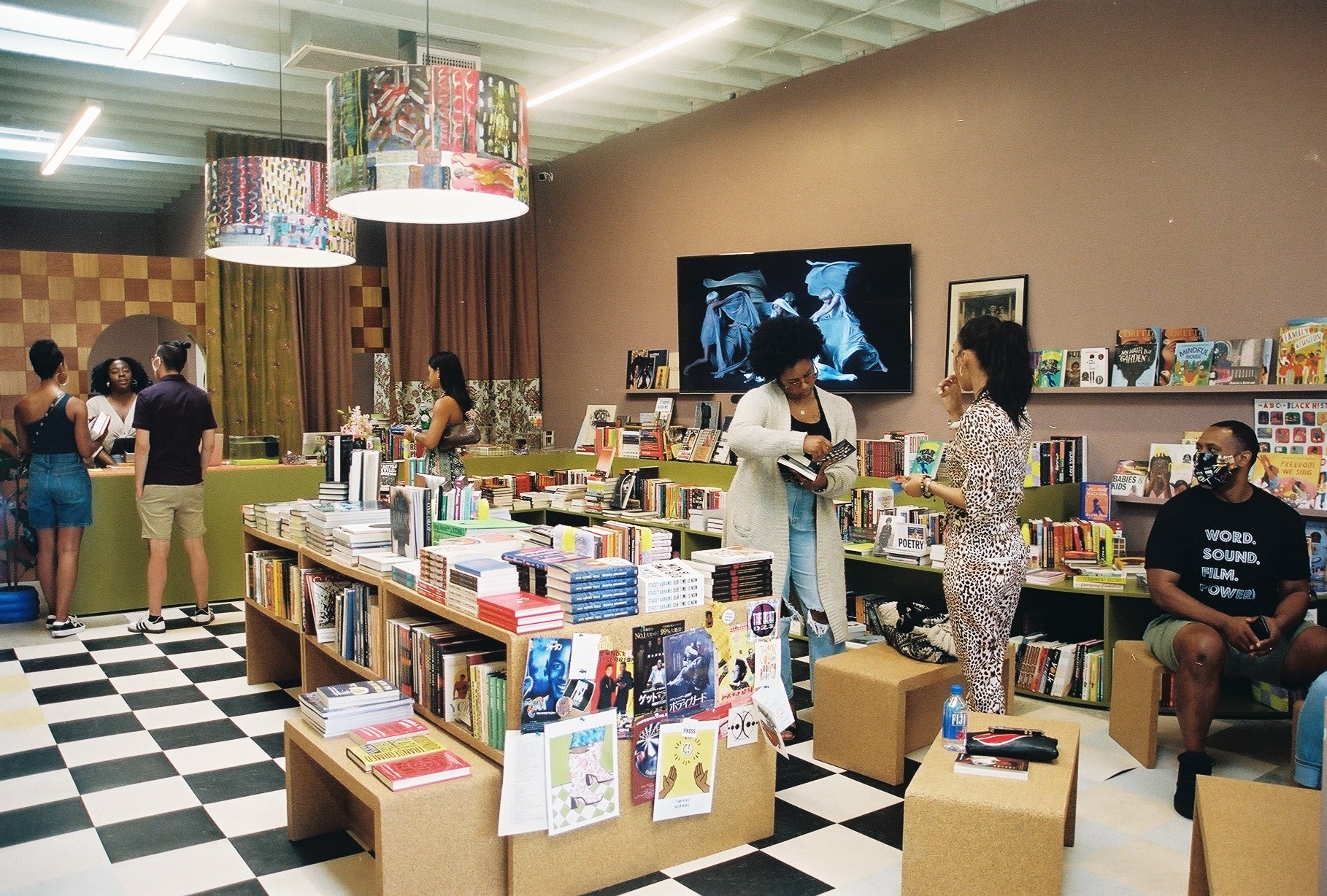
Jazzi is an artist who works in multiple mediums. She was a fashion magazine editor and a creative director before starting Rep Club, and brought a similar artistic sensibility to designing the store. “I approach my business like an artist in that I am thinking about color and texture and how people are going to resonate with the work,” Jazzi says.
For Reparations Club, Jazzi wanted the store to have a 1970s-inspired aesthetic, similar to the décor of her childhood.

Curating with purpose
Reparations Club sells books and products from Black-owned brands. “I think every bookstore is ultimately, in some way, a reflection of its owner,” Jazzi says. She explains that her interests and identity, as well as the interests and identity of her staff, are reflected in the products on the shelves.
The ups and downs of entrepreneurship
When she started, Jazzi had a vision for Reparations Club and knew the community she was building it for, but she didn’t know how it would be received. When she did find her first retail space, she went in expecting the worst. “If nobody walks in this space and buys anything, how much do I stand to lose?” she asked herself.
When the building’s roof had a leak, Jazzi almost did lose it all, with water damaging almost all of the store’s inventory.
Jazzi kept going, though. The COVID-19 pandemic forced Reparations Club to shut down its brick-and-mortar location temporarily, but Reparations Club opened an online store and started making book deliveries around the city.
And Reparations Club was able to meet customers’ needs when people were looking for resources amid the Black Lives Matter protests in 2020. “This was the summer of anti-racist reading. People were really seeking out education that they were now realizing they lacked,” Jazzi says.
Growing through word-of-mouth marketing
Reparations Club hasn’t spent any money on advertising. Instead, the brand’s growth has been organic. “I just wanted to focus on people having such a good experience that they told somebody else about it,” Jazzi says. Creating that experience is sometimes as simple as recommending a book to a customer or helping an author celebrate their first release.
The indie bookstore business can be challenging at times, but Jazzi does see some hope in the amount of books that people are reading and how many films are based on books. “There is this return to reading that I’m deeply inspired by,” she says.
To learn more about Reparations Club and Jazzi’s journey to becoming a business owner, listen to the full interview on Shopify Masters.






 Once you have an idea, the best way to get started is to just start. You can begin a free trial on Shopify and play with your new store before you go live. If the prospect of building a website is overwhelming, start with free resources to guide you through the process. Next, ask yourself a few important questions:
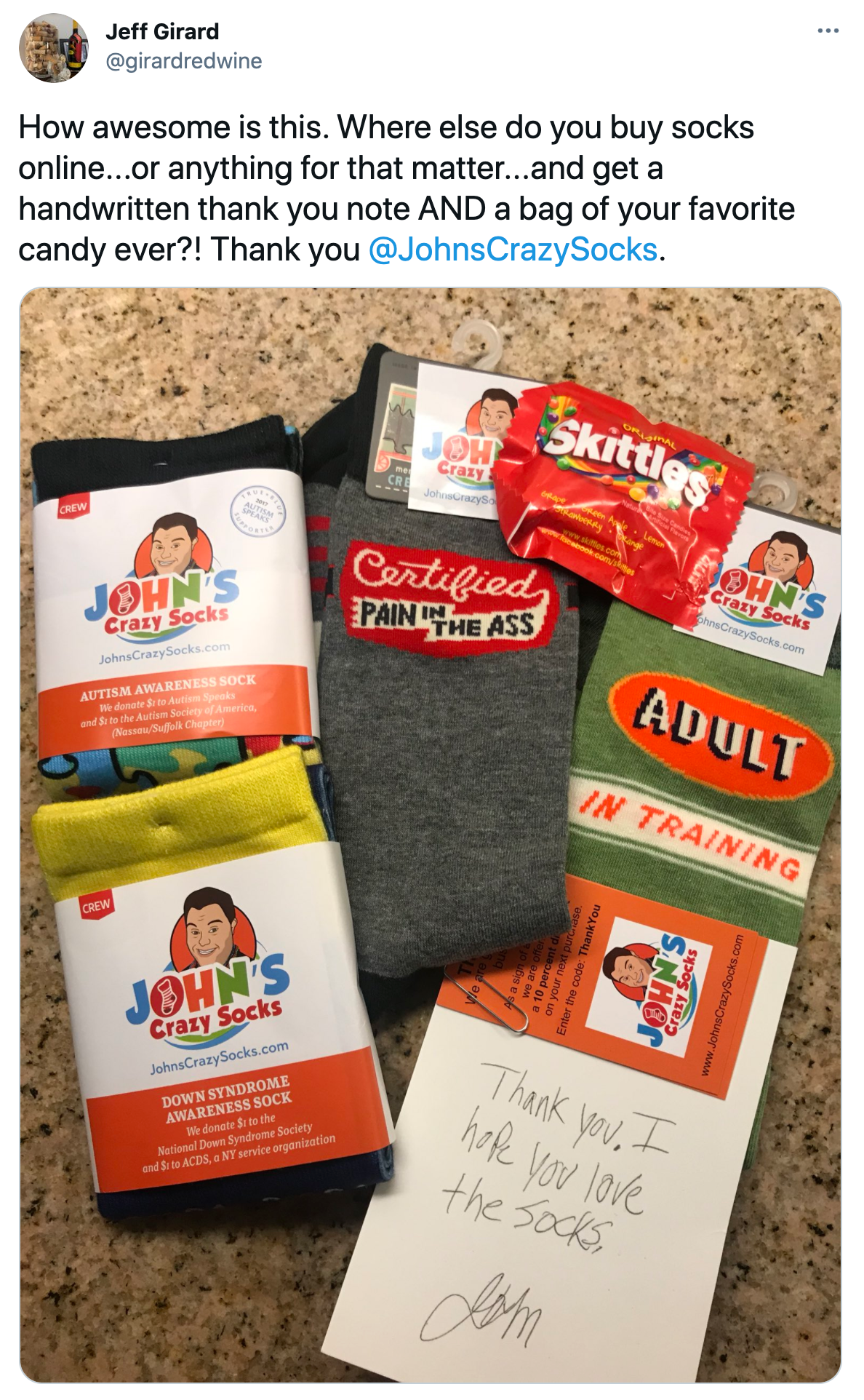
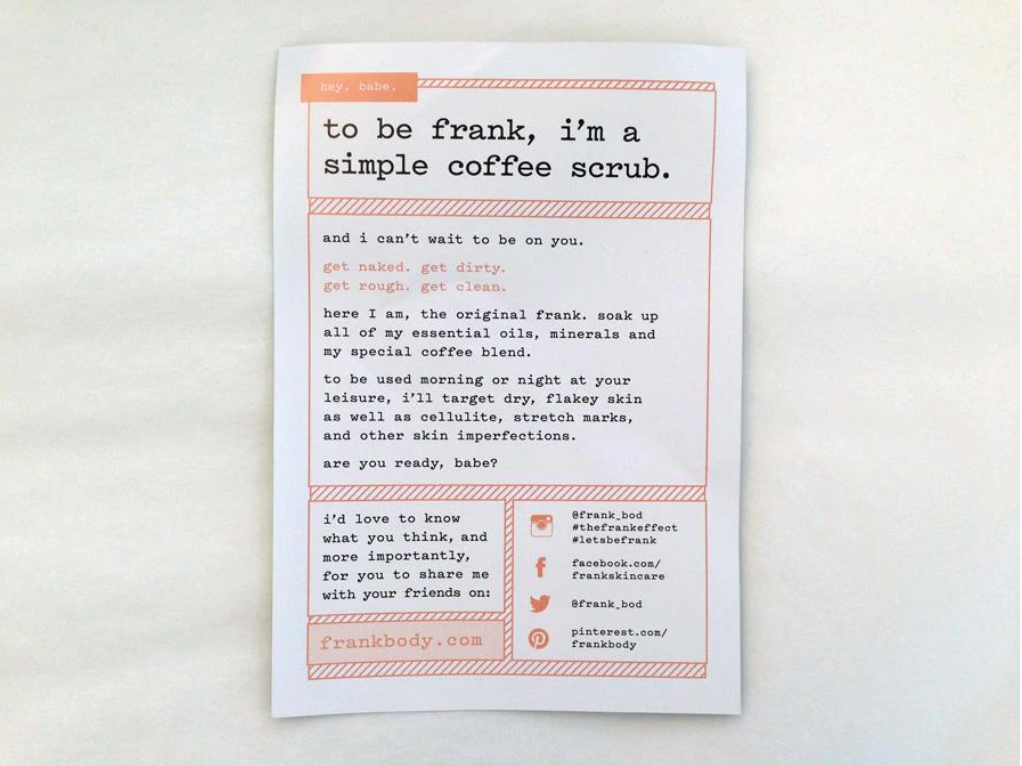
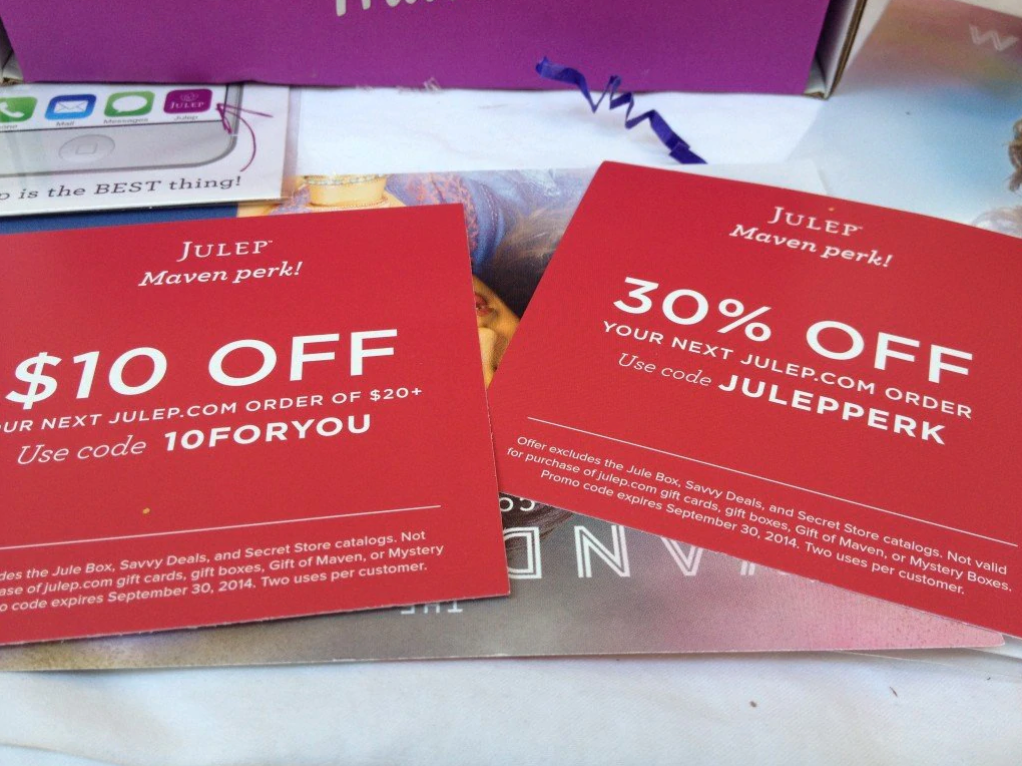
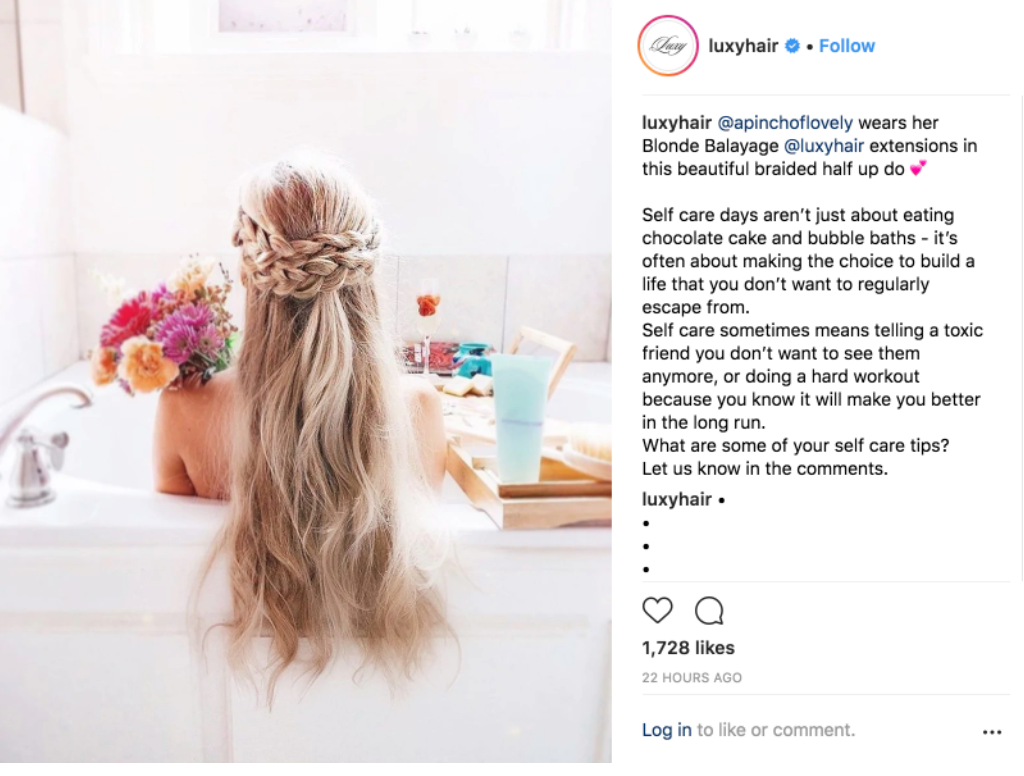 To find great content to share, create a hashtag that customers can use on their own posts. Before sharing content, make sure you ask the owner for permission.
 Formal brainstorming techniques can help squeeze out more startup ideas now that your brain is primed for creativity. Whether you opt for a solo practice or a formal exercise with a group, try these methods of brainstorming at any stage—from coming up with a business idea to growing your dream even bigger:
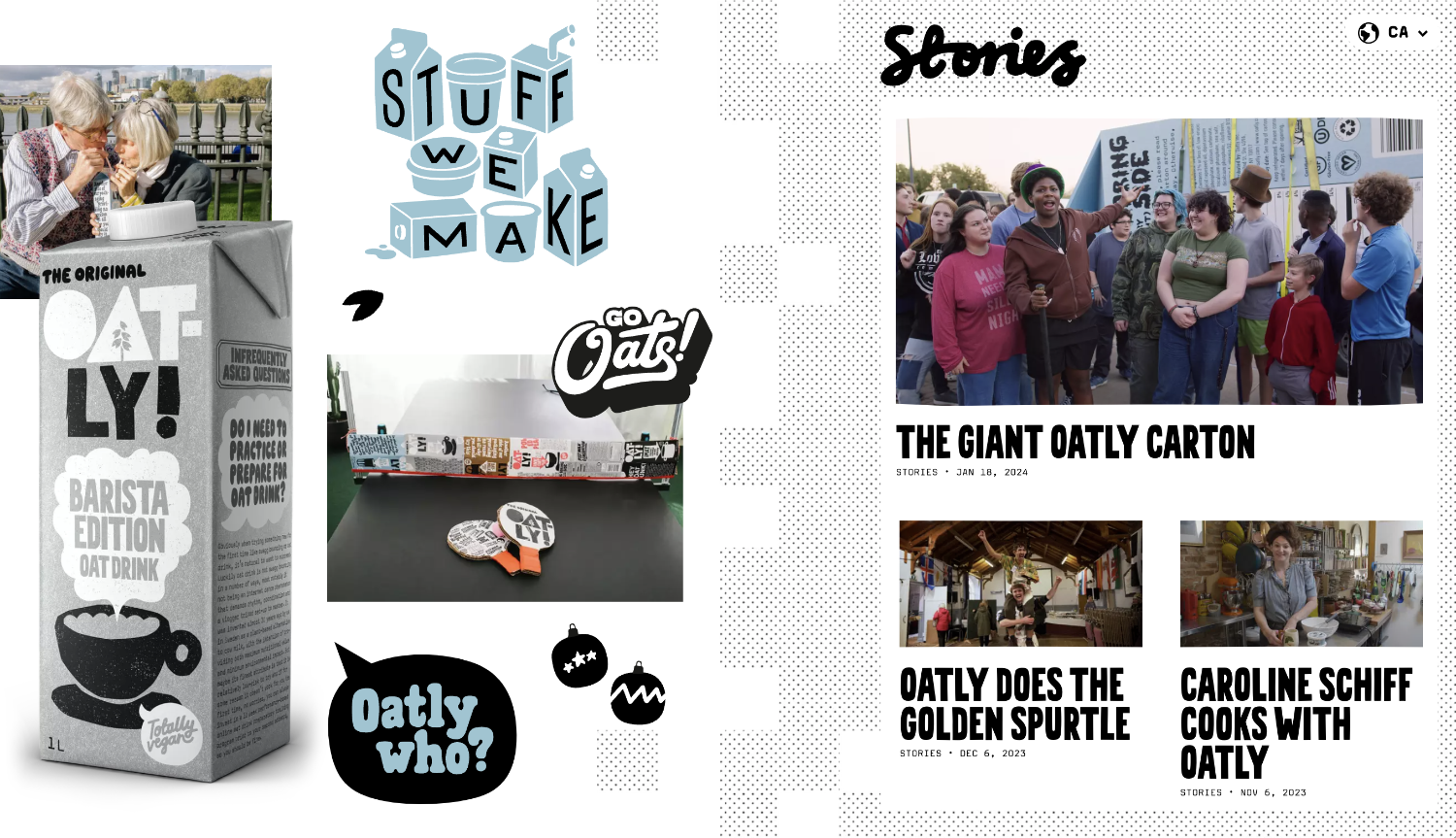
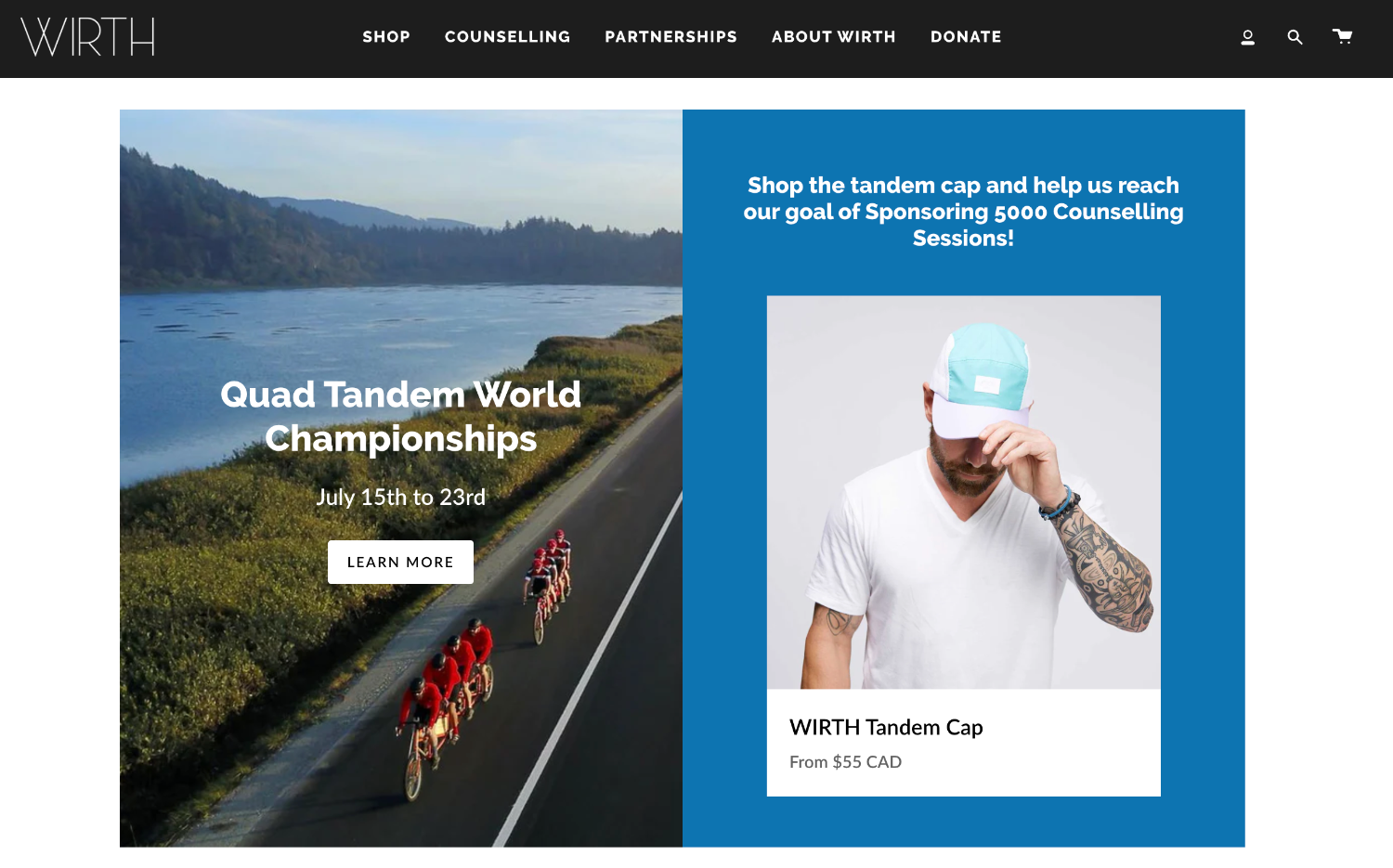
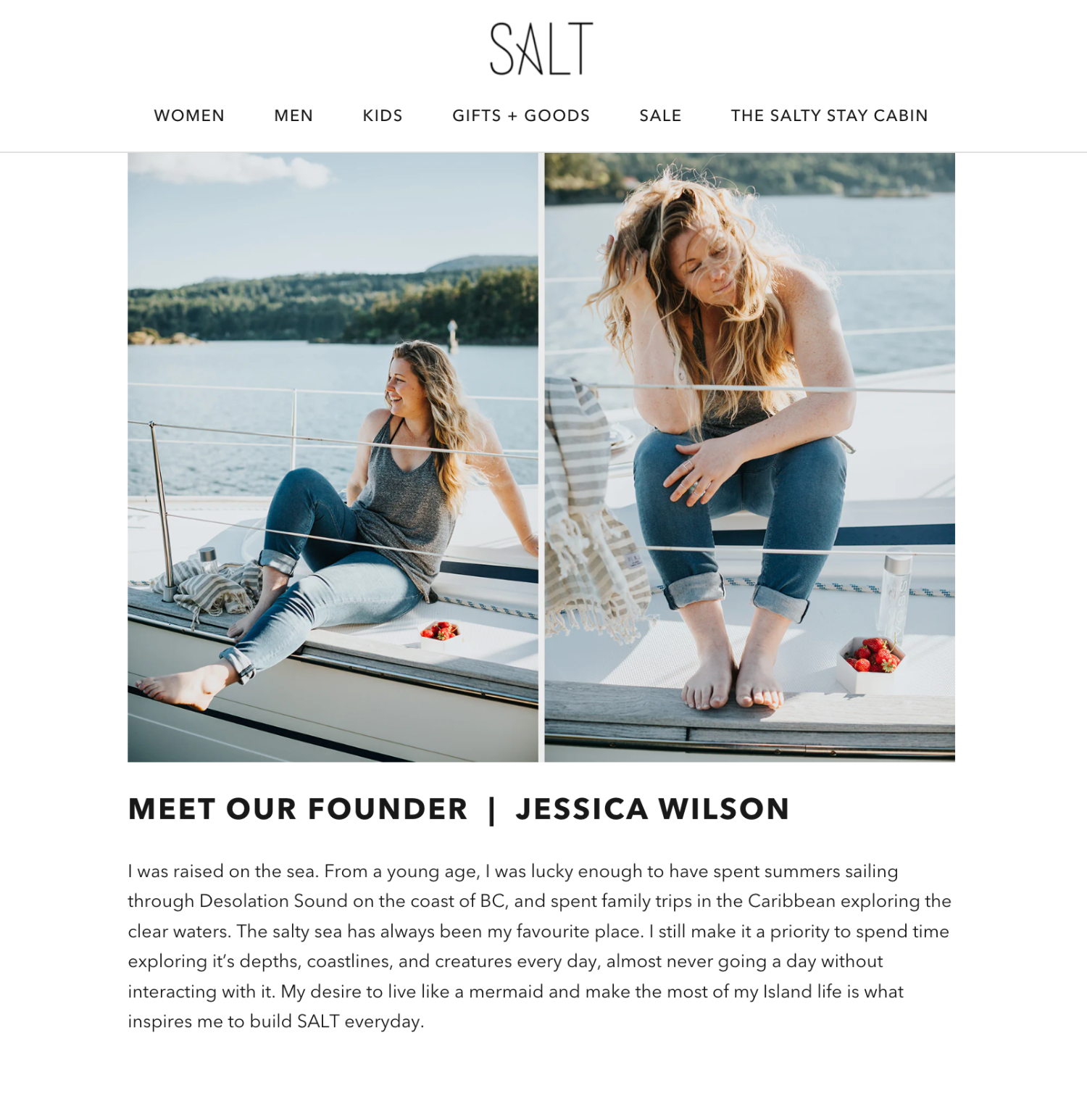
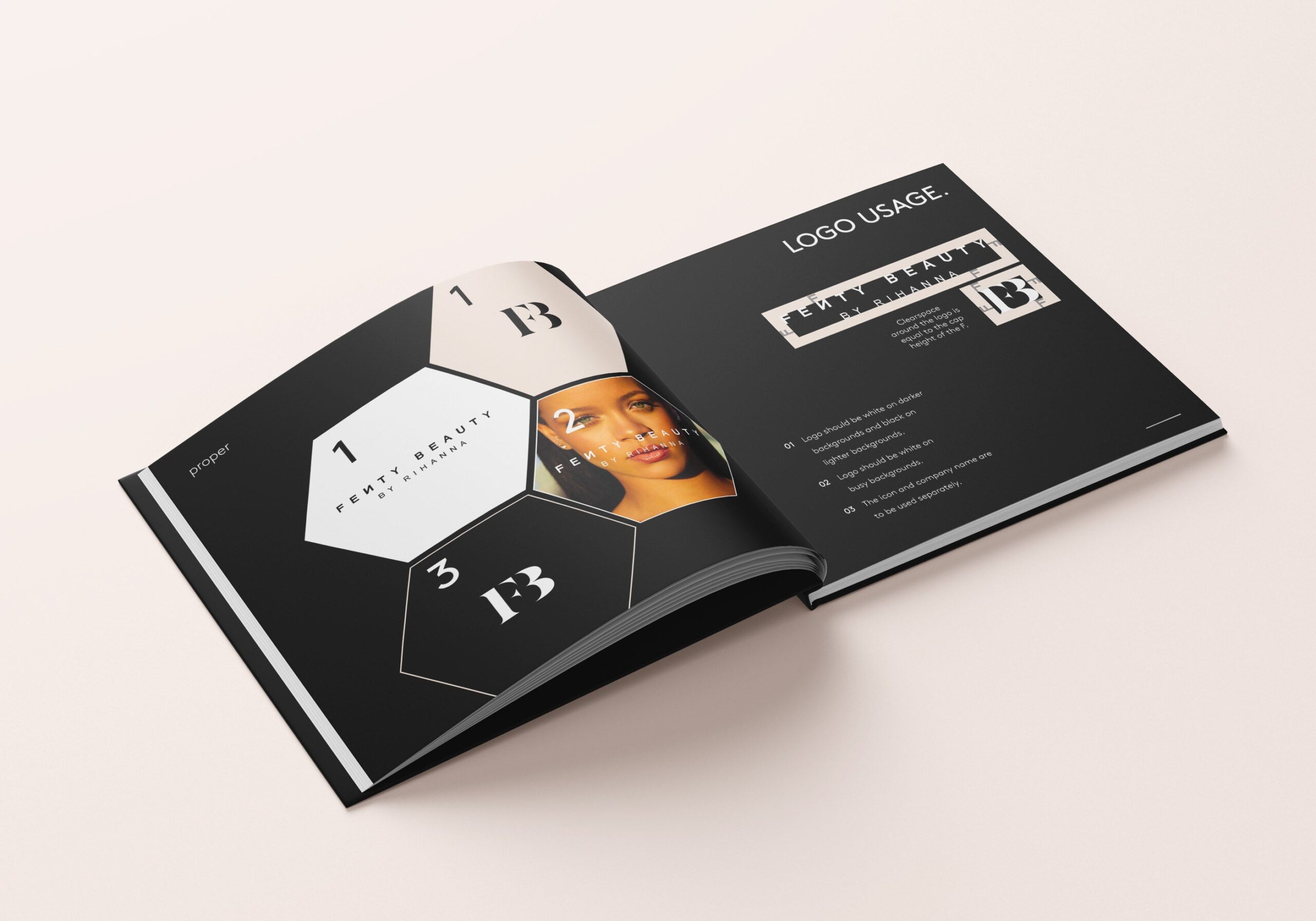
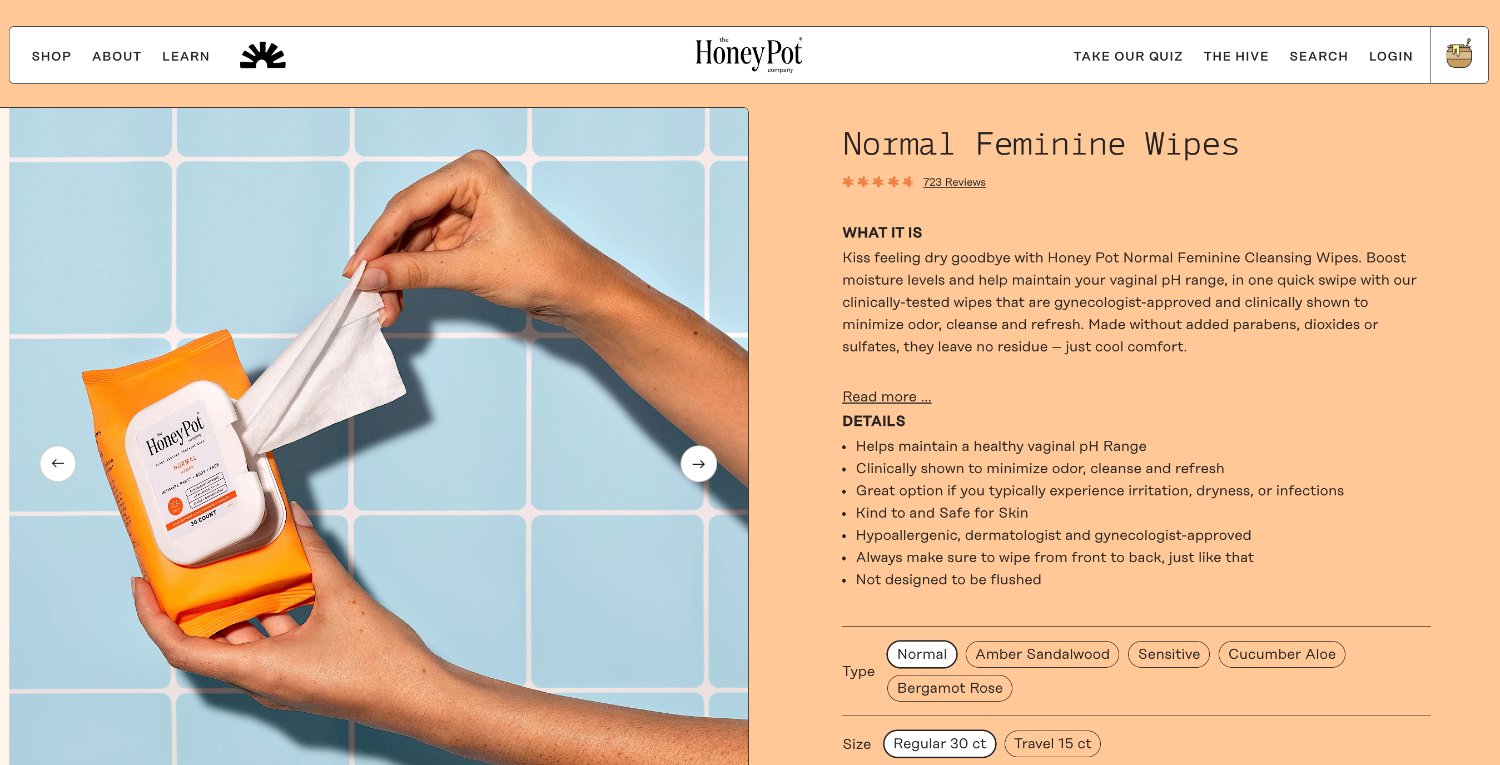 The Honey Pot is a sexual wellness and feminine care brand that’s made breaking taboos central to its brand. Its beautiful visual identity and product photography aside, The Honey Pot’s brand truly shines through its frank tone of voice and messaging: a carefully crafted balance between educational and funny. “Our content might have an angle of humor, but then the caption, for example, will be deeply insightful, with reference points that are backed in science,” says VP of marketing Giovanna Alfieri.
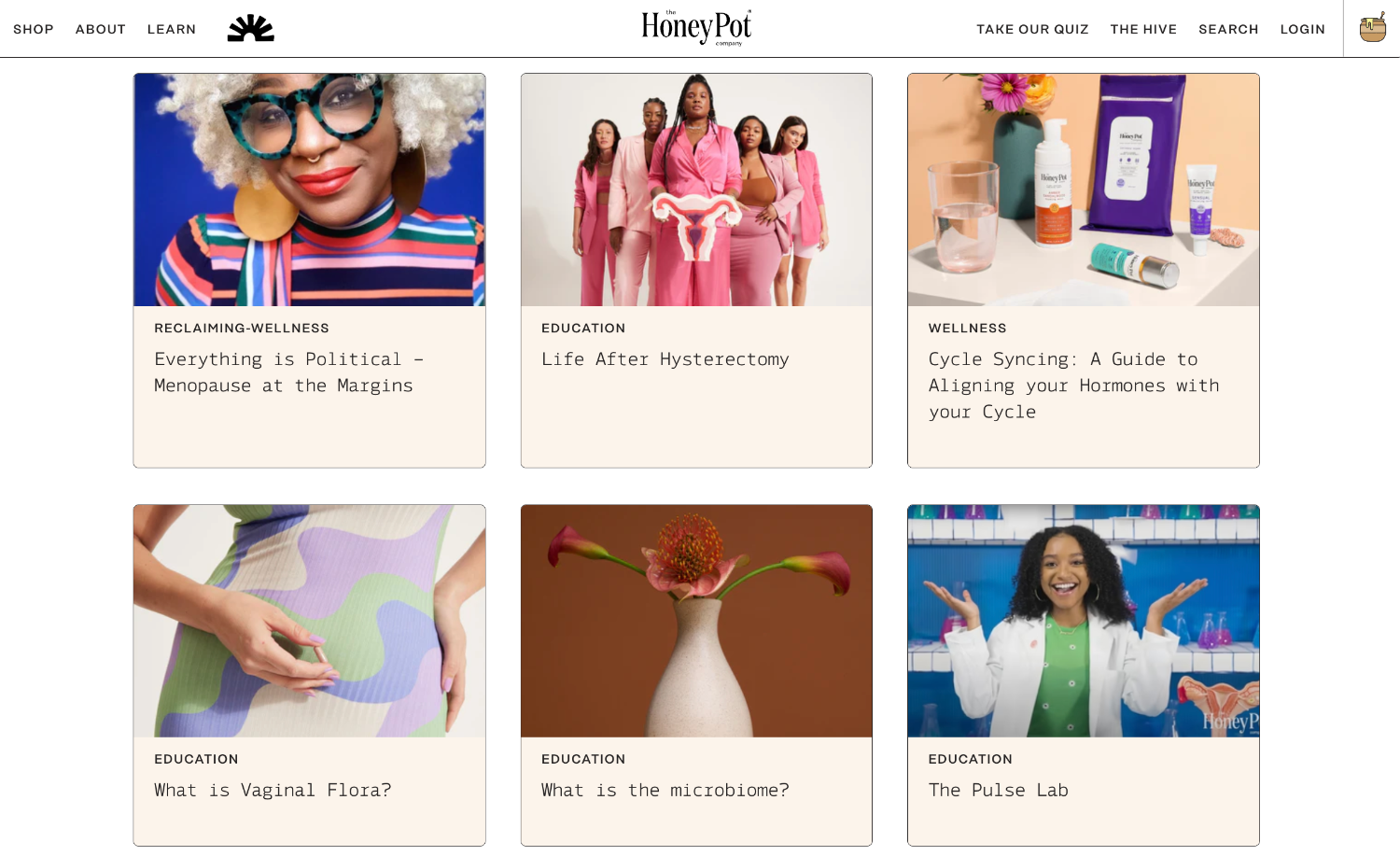 The Honey Pot invests in influencer marketing, choosing ambassadors that can evoke the brand’s unique tone of voice—and creators with stories that mirror those of its target customer. This approach builds trust with the community it aims to reach.
 What’s so special about Heyday Canning is that its market research didn’t prompt it to follow the norm. In fact, the exercise highlighted the need to do something bold and daring in an industry stuck in time. Heyday took an everyday product and spiced it up—both inside the can and out.
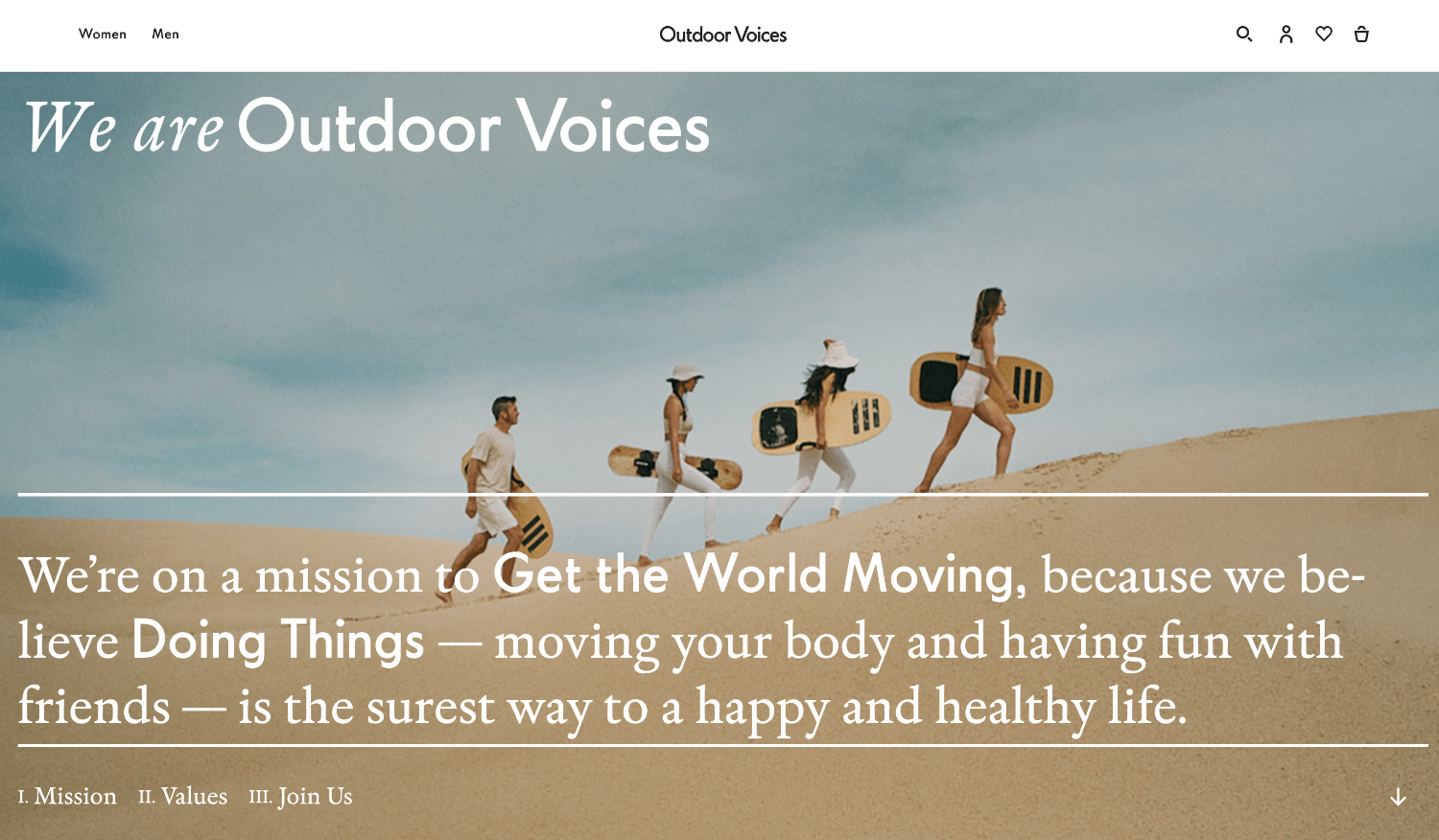
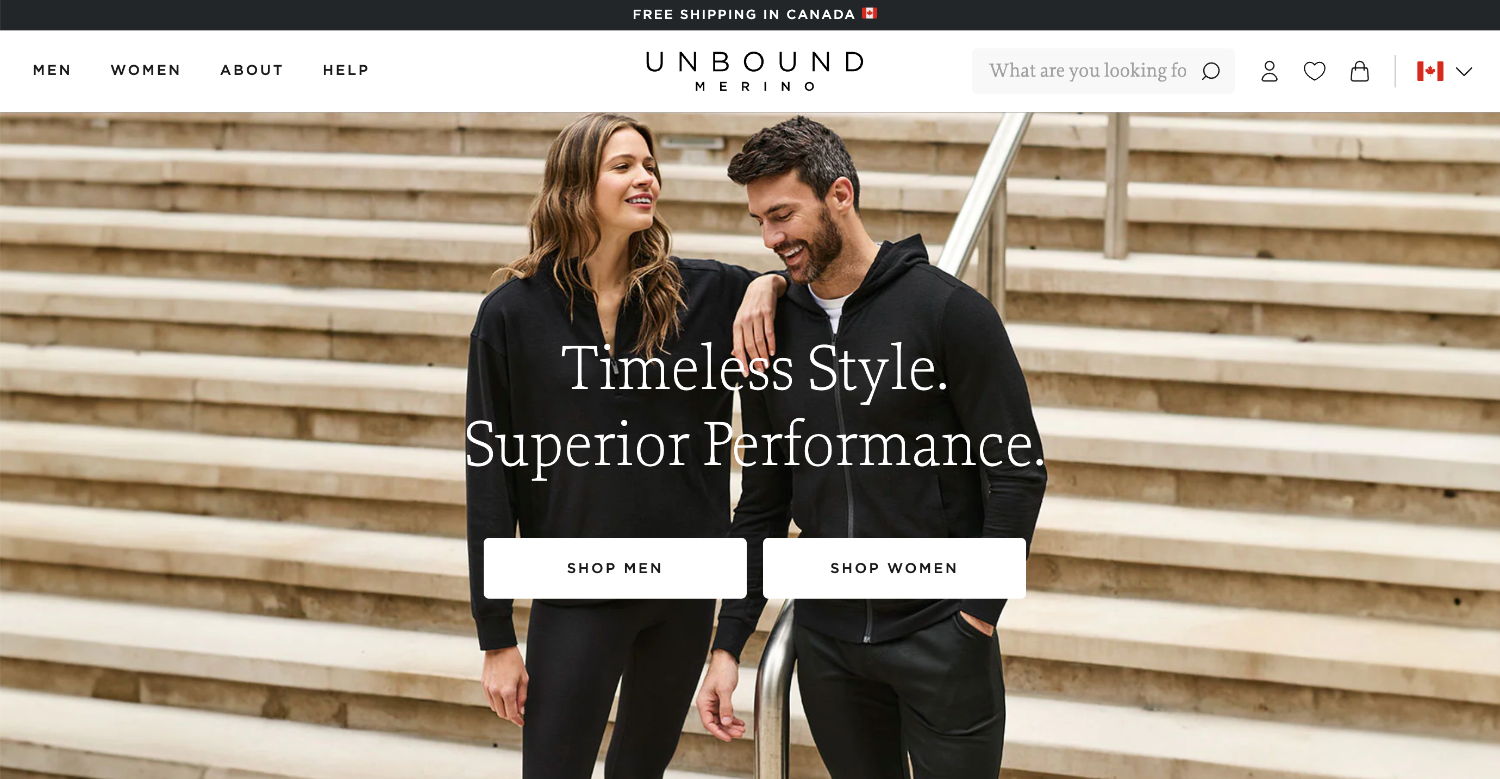 Unbound Merino’s branding is as unfussy as its products. This apparel brand aims to communicate product benefits like versatility, ease of care, and timeless design. That messaging is not only explicitly called out in website copy, it’s also reflected in the brand’s laid back visual identity.