• Skip to primary navigation
  • Skip to main content
software stack logo

Software Stack

Get your Software Stack together

  • Knowledgebase
    • All Categories
    • Accounting Software
    • Automation & Workflow Software
    • Customer Relationship Management
    • E-Commerce Shopfronts & Payments
    • Marketing Automation
    • Online Courses & Membership
    • Project Management
    • Surveys & Forms
    • Web Hosting
  • Home
  • About Us
  • Contact Us
  • Show Search
Hide Search

GoCardless

GoCardless achieves profitability

Software Stack Editor · October 7, 2025 ·

image

LONDON, UK – 8 October 2025 – Bank payment company GoCardless has recorded its first EBITDA positive quarter on an adjusted basis*, operating in the black in the final three months of FY25 (April to June 2025). The result reflects strong cost discipline and a sustained growth trajectory, positioning the company for long-term financial sustainability.

This milestone follows strong financial results in FY24, where GoCardless reported a 38% increase in revenue to £127m and a 55% reduction on losses, down to £35m. Since then, GoCardless has also reached several strategic milestones that have strengthened its market position and accelerated growth. This includes:

Hiroki Takeuchi, co-founder and CEO at GoCardless said:  

“Reaching profitability is a huge achievement for the business and a clear signal of confidence for our customers, partners and team. It reflects the discipline, focus and strategic scaling we’ve delivered over the past 18 months. Now, we’re focused on turning this momentum into a full year of profitability and continuing to achieve our ambitious growth goals”.

Notes to Editors   
For more information, contact: 
press@gocardless.com

* Unaudited figures. A more detailed financial update for FY25 will follow as part of GoCardless’ annual Companies House filing.

GoCardless processes over 100,000 open banking payments for savings app Tembo, empowering first-time buyers

Software Stack Editor · October 6, 2025 ·

image

London, UK – 6 October, 2025 – Global bank payment company GoCardless has helped Tembo – the leading digital mortgage and savings platform – reach a major milestone, processing over 100,000 open banking payments in a month.  

With UK house prices averaging £291,000 and budgets under pressure, Tembo saw a clear need for a more flexible way to help first-time buyers save. In partnering with GoCardless, Tembo is able to leverage secure and scalable open banking capabilities as one tool to deliver a seamless savings experience through instant money movement. 

Through integrating GoCardless, Tembo customers can save seamlessly using two payment methods: Direct Debit for regular contributions, and GoCardless’ Instant Bank Pay, powered by open banking, for instant top-ups into their Lifetime and Cash ISAs. GoCardless’ ability to provide both types of payments at scale through a single platform means Tembo can give users full control over how and when they save.

With 1 in 3 adults now using open banking, consumer demand for secure and flexible  financial solutions is growing. Tembo’s partnership with GoCardless reflects a forward-looking approach to savings that aligns with this shift, with strong customer uptake: transactions via GoCardless’ Instant Bank Pay grew 400% year-on-year. 

Thanks to this open banking technology and the ability to collect instant payments, Tembo also extended its end-of-tax-year deposit window by six hours longer than competitors, collecting nearly £1 million in that time alone. 

Richard Dana, CEO at Tembo, said: “Since launching, one of our main goals has been to help first-time buyers navigate the ever-difficult housing market, as flexibly as possible. GoCardless has been instrumental in this journey. By introducing both Direct Debit and instant, open banking payments through the GoCardless platform, our customers are able to save smarter than ever.”  

Hiroki Takeuchi, co-founder and CEO at GoCardless, said: “We’re thrilled to be partnering with Tembo as they continue their mission to empower people to take charge of their financial futures. Open banking is playing an increasingly vital role in the savings and investment space, and by offering this technology at scale, we can give consumers greater flexibility as they save, and merchants a cost-effective alternative to traditional card payments.”

[Webinar] Introduction to GoCardless for football clubs

Software Stack Editor · June 18, 2025 ·

Get paid faster: Strategies for collecting money from customers

Software Stack Editor · June 18, 2025 ·

image

Collecting money from customers is the lifeblood of your business, but getting paid isn’t always straightforward. 

From late payments and cash flow bottlenecks to awkward conversations about money, these challenges can hold you back. But late payments don’t have to be an inevitability of doing business. Here, we cover everything you need for an effective strategy to collect money from your customers, including essential invoice collection strategies, accounts receivable best practices and practical late money solutions.

Why does money collection matter to your business?

Effective cash flow management and robust invoice collection strategies are more crucial than ever for your business’s growth and stability. When payments are delayed, it doesn’t just affect your bottom line; it impacts your ability to operate, invest, and can even cause personal stress, not to mention the valuable time lost to chasing payments.

Source: GoCardless survey of 1,700+ small businesses

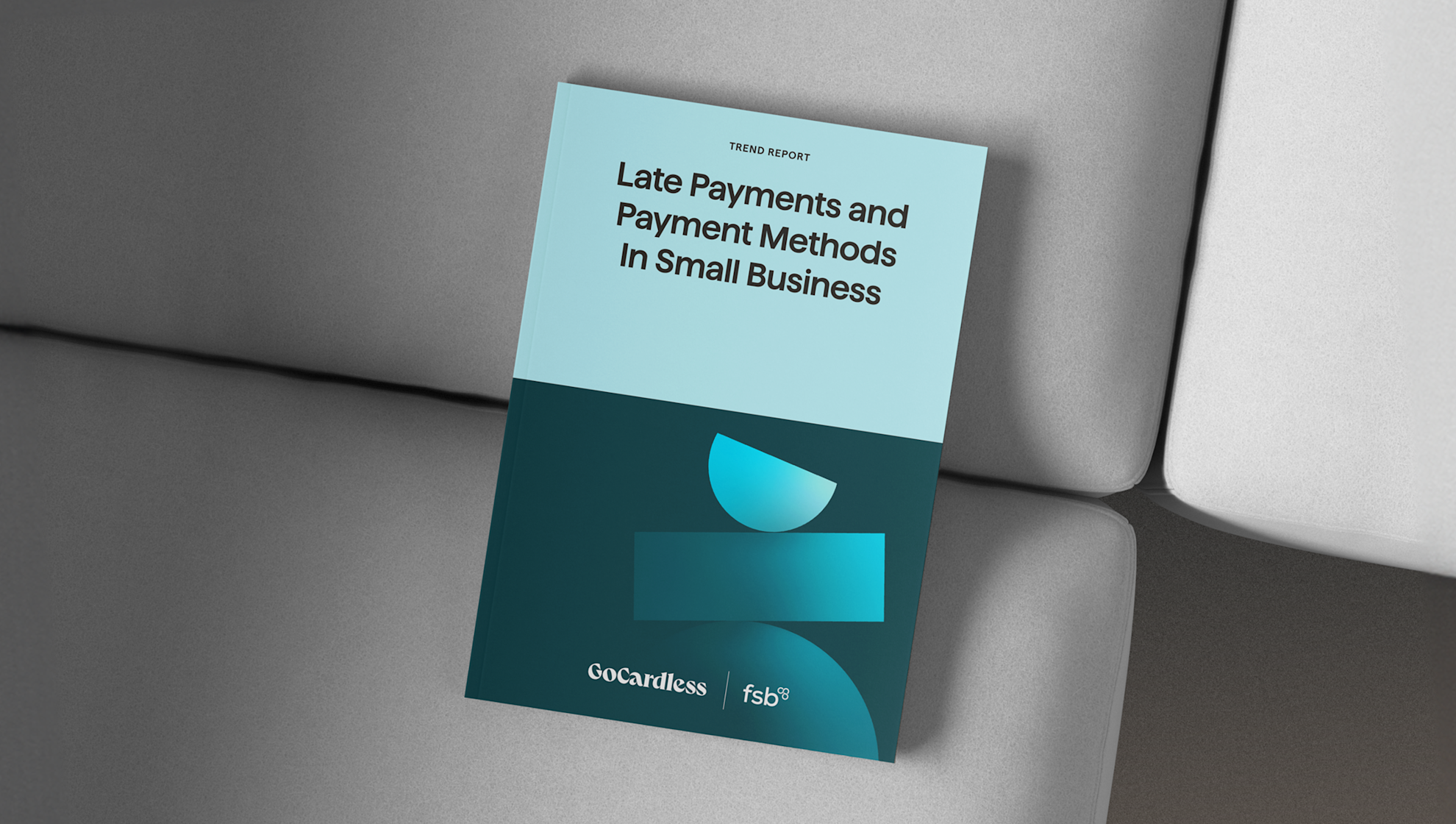
We conducted a survey with the Federation of Small Businesses (FSB) of over two thousand small businesses and found that 45% are experiencing more late payments than 12 months ago, with 50% concerned this trend will continue.

What if a late payment turns into losing a customer? The cost to acquire a new customer can be five to 25 times more than retaining an existing one, and 30% of churn is involuntary.

What are the most common challenges businesses have when collecting money?

If your business invoices for products or services after delivery, then unpaid invoices become your accounts receivable. Chasing these late payments and handling overdue accounts costs your business more than just missing funds.

Every delayed payment isn’t just a number on a spreadsheet; it’s a missed chance to invest in new equipment, launch that exciting marketing campaign, plan for the growth of your business, or hire the talent you need to scale. Healthy cash flow gives you the power to negotiate better deals with suppliers, make the most of unexpected opportunities, and you can better weather unforeseen storms in an unpredictable economy.

Payments fail and are delayed for a number of reasons, from credit cards being lost, stolen or expiring to insufficient funds in an account or even payment gateway errors (the systems that process payments).

We answer some common questions on the challenges of collecting money:

  • How can I streamline my invoice collection?

  • How can I use technology and AI to collect money faster?

  • How do I create an effective communication strategy for collections?

  • How do I juggle my cash flow with customer relations and have an effective debt collection policy?

1. How can I streamline my invoice collection?

Do you spend 24 days a year like other small businesses processing, chasing and reconciling invoices?

Save time with these best invoicing practices and invoice collection strategies:

  • Standardise templates: Create reusable, easily editable templates. This saves time and provides customers with consistent information.

  • Clear payment terms: Always set and communicate explicit payment terms, such as Net 30 (30 days). Being upfront about due dates makes it easier for customers to pay..

  • Flexible payment options: Automate your payment methods to offer flexible money options like one-off payments, instalments, or customer money plans without extra admin. Money processing solutions like GoCardless empower you to leverage automated Direct Debit and bank payments, eliminating manual hassle.

2. How can I use technology and AI to collect money faster?

Automation is key to preventing late or failed payments. Automated money reminders using an email marketing tool can significantly encourage on-time payments. By automating emails or notifications about upcoming payments, you save time and move towards improving your cash flow.

Even with proactive measures, payments can fail. That’s where late money solutions come in. You can leverage money collection software to automatically retry failed payments when customers are more likely to have funds. This approach saves you from awkward conversations and helps maintain positive customer relationship management.

3. How do I create an effective communication strategy for collections?

Preventing the hard conversations. This could be as simple as asking your customers to move to a more reliable and automated payment method so you can avoid late payments altogether. We’ve built some great email templates, ready to copy and paste, to help small businesses using GoCardless encourage their customers to make the switch.

When a payment is late, a robust strategy for effective communication is crucial:

  • Start early: Don’t procrastinate. When chasing an unpaid invoice, the payment is already late, and you can’t use this money to run or grow your business.

  • Structure conversations clearly:

  • One to three days late: A gentle, firm-but-friendly email nudge with the invoice attached is often enough for genuine oversights.

  • Seven days late: Send a follow-up email stating the invoice is outstanding, requesting payment within, say, 14 days to avoid escalation.

  • Twenty-one days late: Emails can be ignored, but a phone call is harder to dismiss. Prepare for potential excuses before making the call.

  • Thirty+ days late: If no payment or meaningful contact, consider a formal letter before action or passing the matter to a debt collection agency.

4. How do I juggle my cash flow with customer relations and have an effective debt collection policy?

You don’t have to sacrifice customer relationships to maintain healthy cash flow. Customers can be late to make a payment for many genuine reasons, and a well-defined debt collection policy, approached with the right attitude, can contribute to long-term customer loyalty.

Five key elements of a fair and effective debt collection policy:

  • Transparent terms: When you issue an invoice, clearly state all payment terms and accepted payment methods. This prevents misunderstandings and sets expectations.

  • Consistent communication: Plan a system for consistent and effective communication, including automated reminders. Documenting these interactions protects your business and provides a clear history in case of disputes.

  • Flexible payment options: Offering flexible money options like instalment plans for overdue payments can help customers pay and bring cash back into your business, boosting customer relationship management and improving payment rates.

  • Clear escalation process: Define a clear process for escalating overdue accounts from initial reminders to final collection actions. Ensure this process complies with all relevant laws and regulations.

  • Negotiating fair money plans: It’s best to handle these conversations calmly and empathetically. Bring different options for resolutions that you’re comfortable with to the table, like different repayment plans, but be clear about your boundaries. 

Late Payments Cripple Small Accountancy Firms, GoCardless Survey Reveals

Software Stack Editor · June 11, 2025 ·

image

LONDON, UK – 12 June, 2025 – Late payments are imposing a significant financial and operational burden on small accountancy firms across the UK, according to research released today by bank payment company GoCardless. The study uncovers the pervasive and costly nature of the problem, with over half (56%) of accountancy practices resigning themselves to late payments as an “inevitable cost of doing business.”

The survey, which polled 100 leaders from accountancy and financial services businesses — predominantly one-person teams or micro-firms — highlights the severe impact of late payments on cash flow. Four in 10 (40%) respondents reported spending over an hour each week chasing overdue invoices, diverting crucial time and energy away from client work and business growth.

The issue is so critical that more than half (57%) of small practices admit to occasionally forfeiting payments entirely rather than go through the hassle of chasing. One in ten (13%) have resorted to debt collection services, indicating that even the smallest firms have started to rely on formal recovery methods.

Despite the mounting pressure, the adoption of proactive payment strategies remains inconsistent. While 19% now enforce stricter payment terms and 24% charge late fees, only a quarter (25%) have automated their payment processes. A small percentage (6%) have introduced early payment discounts, an incentive that, while beneficial for cash flow, often impacts net income.

Hiroki Takeuchi, co-founder and CEO of GoCardless, commented:

“Small accountancy practices are the backbone of the small business economy, often acting as frontline advisors. It’s deeply concerning to see how late payments are stifling their growth and forcing them to waste valuable time and resources. In addition, our customers tell us that late payments not only take a toll on their business, they also bring a lot of personal stress.

“Late payments are a complex issue, and there are many underlying causes. But we strongly believe that technology and modern payment methods in particular can help businesses turn them from ‘inevitable’ costs to something they can control.”

Case Study: TotalBooks Finds Freedom from Late Payments

For Buhir Rafiq, who runs TotalBooks in Cardiff, getting paid on time isn’t just about keeping his business healthy – it’s about getting his evenings and weekends back. For 16 years, his accounting firm has been busy, but before he sorted out his payment system, following up on invoices was a massive burden.

“Chasing clients for money months after I’d done the work, knocking on the door, repeatedly ringing them up — it was all a huge headache,” Buhir recalls. “This caused major cashflow issues and, honestly, it was hard not to take all that mental trauma home with me.”

He turned things around by integrating GoCardless’ direct bank payment solution into his accounting software and getting clients to switch to automated payments. “It takes seconds to sign clients up online, and with a couple of clicks I can either schedule automated monthly billing, take an up front payment, or bill them halfway through a project,” he explains. “I know that money will come in, with little intervention from me.”

This change transformed his practice, with Buhir estimating that he saved 200 hours a year on raising invoices and chasing payments. This positive experience was so impactful that when Buhir launched his new spin-off business, RX Virtual Finance, building the same system was “a no-brainer”.

Reacting to the survey findings, Buhir said: “More than half of an industry that is worth billions say that late payments are just the norm. If even one percent of those respondents cottoned on that automated payments can end this issue in an instant, that would translate into millions more for the accountancy sector.”

He offered another tip for practices struggling with late payments: making processes clear from the outset. At his firm, customers pay upfront and sign up for Direct Debit as part of their onboarding. Not only does it help him, it leads to satisfied customers too. “My clients are busy. So they’re happy that they already know their fee at the start of the year. They know it’s split over 12 months, and they know when each payment will be taken,” said Buhir. “They don’t have to chase me and I don’t have to chase them.”

Notes to Eds.

All figures in this release refer to an online survey conducted by the FSB. The survey ran from October to December 2024 and had input from 2,298 responders, including 100 in the accountancy sector.

For more information contact:
press@gocardless.com

Energy : Five payment considerations for energy suppliers

Software Stack Editor · June 10, 2025 ·

image

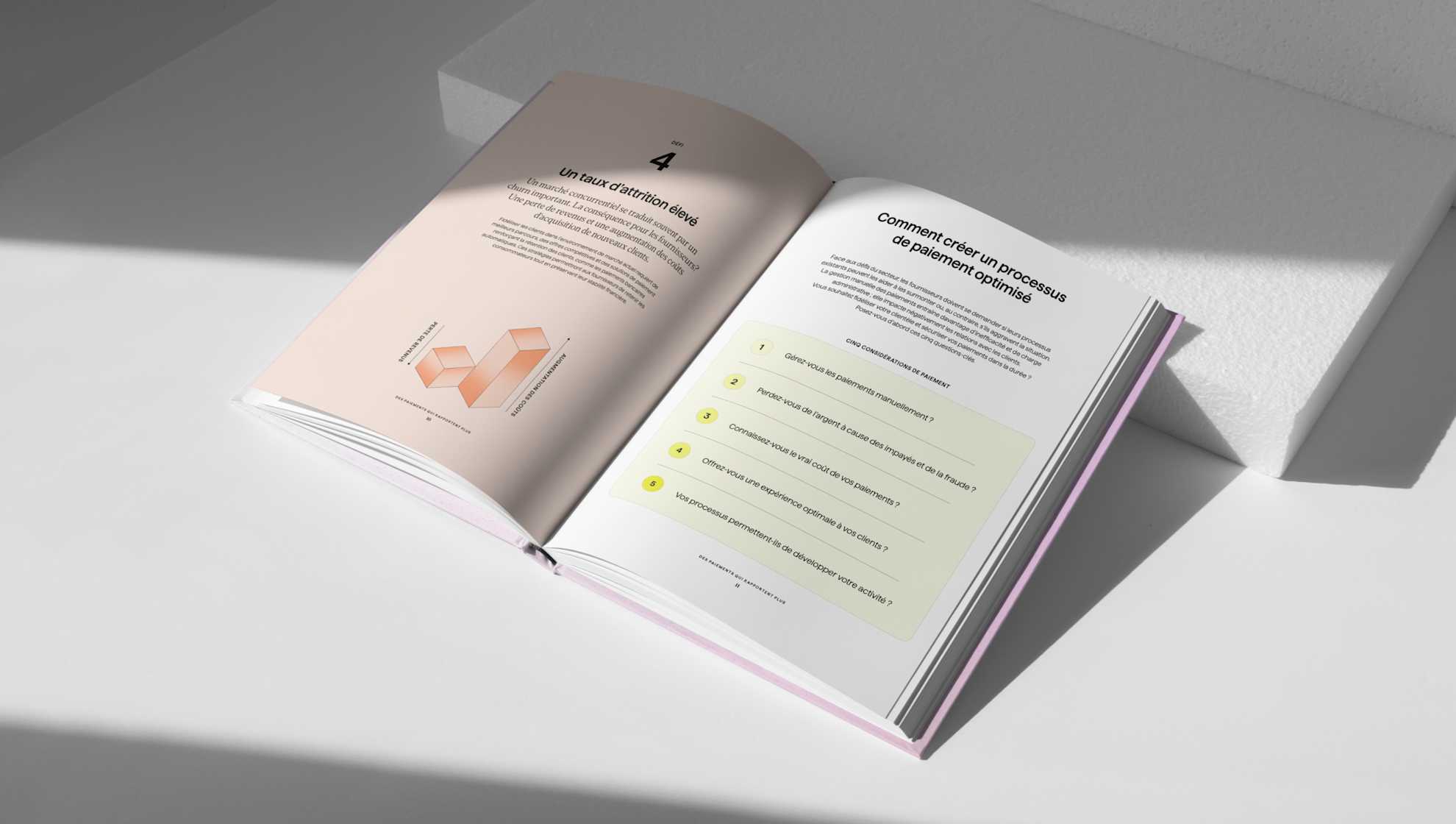
Across Europe, energy suppliers are going through turbulent times. Rising prices, increased competition, high churn rates and payment volumes are all making it harder to attract and retain customers. As a result, maintaining stable cash flow through regular payments has become more difficult than ever.

In light of these sector-wide challenges, suppliers should ask themselves whether their current processes are helping them adapt – or making matters worse. Manual payment processing often creates inefficiencies and adds to your admin burden, while also damaging customer relationships.

Here are five key payment considerations for energy suppliers looking to retain customers and protect their cash flow.

1. Are you still handling payments manually?

Manual payment processes can require more than 20 full-time employees. When payment collection demands significant in-house resources (not to mention the direct impact on your cash flow), your team is pulled away from more strategic and value-adding tasks.

Automated payments take the pressure off. They integrate with your existing tools and come with features that digitise the entire payment workflow, from invoicing to reconciliation. Your teams are freed from time-consuming admin, saving you money in the process.

2. Are you losing money to unpaid bills and fraud?

Payment inefficiencies are a common issue across the energy sector. Late payments, failures and fraud can carry a high cost, especially when suppliers are already under pressure to retain customers and preserve cash flow. Between 11% and 15% of failed payments turn into bad debt or customer churn.

Payment intelligence provides a solution. With tools that automate recovery and fraud prevention, you stay in control of your revenue and keep your cash flow safe from unexpected events.

3. Do you know the true cost of your payments?

Transaction fees are just the tip of the iceberg. With rising energy bills increasing the risk of non-payment, it’s just as important to consider the time and resources spent managing, processing and recovering payments. In fact, only 38% of failed payments are recovered manually – the rest is lost for good.

Automated solutions recover failed payments effortlessly and help prevent fraud before it happens. In doing so, they reduce the total cost of payment collection for your business.

4. Are you offering the best possible experience to your customers?

Most energy providers offer multiple ways for customers to pay their bills. But did you know that 46% of consumers prefer a bank-based method, such as Direct Debit, when paying for recurring products and services like energy? With prices rising and more customers choosing instalment payments, encouraging this payment method is more relevant than ever.

Automatic bank payments improve the customer experience, even when payments fail. Failed payments are automatically retried and recovered, eliminating the need for follow-up calls or emails.

5. Are your processes set up for growth?

Expanding into new markets, locally or internationally, means dealing with even higher payment volumes. Can your current systems handle the increased load efficiently, without requiring more staff?

Every time you enter a new market, your time and financial investment increases. So it’s worth asking whether managing payments in-house is really the best option, when outsourcing could bring greater efficiency, profitability and peace of mind for both you and your customers.

Transform your business with simpler, cheaper payments that deliver more.

Curious how better payments can help you thrive in today’s energy market? 

Speak to a payment expert today

Choosing the right accounting package for your small business

Software Stack Editor · June 10, 2025 ·

image

Managing a small business comes with lots of challenges. From tracking revenue from sales to managing expenses, the financial side can quickly become overwhelming. That’s why it’s essential to choose the right accounting package for your business.

In this article, we’ll explore the most popular accounting packages available for small businesses in the UK, as well as the benefits of using an accounting package and what to look out for when selecting the best option.

Why every small business needs an accounting package?

Running a small business often means managing finances manually, leading to countless hours spent chasing and reconciling payments.

An accounting package goes beyond simple bookkeeping. It’s a powerful tool designed to automate manual tasks, track income and expenses, manage invoicing, and simplify payroll. This automation doesn’t just save time — it provides real-time financial visibility, empowering you to make smarter business decisions and makes sure you’re always prepared for tax obligations. For accountants and bookkeepers in particular, these tools simplify the invoice and Direct Debit set-up process, freeing up more time to give strategic advice to clients.

Know an accountant who could benefit from using GoCardless? Refer them here for a bonus

Focus on your business needs

The reason why you use an accounting package depends entirely on your specific business needs, but some features stand out for most small businesses. 

Look out for user-friendly dashboards, customisable invoicing tools, and strong reporting capabilities that offer visibility of your profit and loss, EBITDA, and cash flow.

You’ll also need to consider integration capabilities. The best accounting software works easily with other tools you use daily, especially your payment systems. Meaning automatic reconciliation of transactions, fewer manual errors, and a real-time picture of your finances.

This is particularly important for businesses with niche needs, such as:

  • Builders and construction firms that need detailed project-based tracking. 

  • Gyms and personal trainers that manage sign ups and recurring memberships with varied payment schedules.

  • Landlords that need to manage multiple properties and rental income in one platform.

    By focusing on these features, you’re more likely to end up with a package that truly supports your business, both now and in the future.

Popular accounting packages for small businesses

Accounting packages for small businesses vary depending on a number of factors, but let’s get started with a few examples from the UK market. Many of these accounting solutions are used by entrepreneurs, sole traders, and small firms. While each has its unique strengths, their main goal is to simplify financial management.

Here’s a list of some of the accounting package providers in the UK:

  • FreeAgent is a popular choice for businesses on the smaller side (such as microbusinesses or freelancers) with good options for tax return submissions directly from the platform (self-assessment, VAT, Companies House). 

  • QuickBooks offers convenient mobile features, enabling users to effortlessly upload photos of receipts and invoices for streamlined expense and bill management.

  • Sage provides various solutions, from desktop software to cloud-based options, catering to diverse business needs from small businesses to large-scale enterprises. 

  • Xero is one of the most popular choices among small businesses. It has a user-friendly interface offering real-time data insights as well as a high number of integration options.

These are just some of the accounting packages available on the market in the UK. You can find an extended list of those that integrate with GoCardless in this article. Choosing any of them should help you manage your small business finances easily.

Top five things to consider when choosing an accounting package

Next, you’ll need to determine the features that are non-negotiable for the accounting package of your choice.

Here are the top five factors to consider:

  1. Cost: Beyond the monthly subscription fee, consider any set-up costs, add-on features, or potential charges for extra users. Look for transparent pricing that fits your budget.

  2. Features: Prioritise the core functionalities your business really needs. Do you require inventory management, time tracking, multi-currency support, or advanced payroll features? Don’t pay for what you won’t use.

  3. The learning curve: How intuitive is the interface? Will you and your team be able to quickly grasp the system, or will it require extensive training? Choose a package that minimises disruption.

  4. Integration capabilities: This is vital for streamlining your operations. Make sure the software integrates seamlessly with your bank accounts, CRM, and, critically, your preferred payment processing provider like GoCardless.

  5. Scalability: Will the software support your business as it grows? Look for a package that can handle increasing transaction volumes, additional users, and evolving reporting needs without requiring a disruptive system overhaul later on.

Choosing software that matches the nuances of your specific industry and offers relevant integrations will keep things simple for you.

Choose the right accounting package for your small business

Choosing the right accounting package for your small business is about more than just managing numbers. It’s making sure your business is maximising efficiency and has a strong foundation for sustainable growth. By focusing on integration, ease of use, and the specific needs of your business, you can transform your financial management from a chore into an advantage.

Don’t forget, GoCardless connects with multiple well-known accounting packages to help simplify your payment admin.

Seamless accounting integrations

Discover how GoCardless can help you simplify your accounting and payments today. With our easy-to-use platform and seamless integrations, it’ll be easier to keep track of your cash flow and growth.

Simple accounting software: the best options for UK businesses

Software Stack Editor · June 5, 2025 ·

image

For small businesses and sole traders, simple accounting software can make a world of difference in managing finances efficiently. According to a recent GoCardless report, 63% of small businesses estimate they spend around £100 every week on managing late payments.

With the right software, you can streamline your accounting processes, reduce manual errors and late payments, and focus on what truly matters – growing your business. Read on to find out what you should look out for when choosing the best accounting software for your small business.

Simple accounting software in the UK

For accounting software in the UK, it’s best to keep it simple. Many small businesses struggle with complex accounting systems that require extensive training and time to manage. Fortunately, there are several options available that prioritise ease of use without sacrificing functionality.

What’s even better is that GoCardless integrates seamlessly with many popular accounting software platforms, which you might already be using, like Xero, QuickBooks, and Sage. By connecting your payment processing provider with your accounting software, it’s easy to automate invoicing and payment collection, so you spend less time on the admin and more time on what matters most to your business.

How to find the right accounting software

When choosing which accounting software is right for your business, consider the following criteria:

User-friendly interface: A clean and easy-to-use interface allows users to navigate the software without extensive training. This is particularly important if you’re a small business owner who might not have a background in finance.

Automation: Look for software that automates repetitive tasks, like invoicing and payment reminders. This reduces your administrative burden and means you can put any saved time and effort into growing your business.

Integration capabilities: The ability to connect with other business tools, like payment processing providers and CRM systems, is crucial. GoCardless integrates with over 350 different platforms, including top accounting software tools.

Real-time reporting: Access to real-time financial data helps you make informed decisions quickly. Your accounting software should provide easy-to-read reports that give you insights into your cash flow and overall financial health.

Customer support: Reliable support is essential for resolving any issues that might arise. Choose software that offers comprehensive support options, including tutorials, FAQs, and quick assistance.

You need to decide which of these is most important to your business. You might want 24/7 customer service, an instant heads-up display of key financial metrics, or to plug and play with any software you already use. Every business is different, so choose wisely.

Best connected accounting software

We already mentioned above that integration capabilities are important, so let’s look at why and a few examples.

The best connected accounting software solutions not only simplify your accounting tasks but also give you a clearer picture of your business’ finances. By integrating with payment platforms like GoCardless, these software options allow for real-time updates and accurate reporting.

  • Xero is known for its user-friendly interface and robust features, making it an excellent choice for small businesses. When paired with GoCardless, you can automate your payment collection process, helping you to get paid 47% faster.

  • QuickBooks is another popular choice, offering a range of features tailored to small businesses, including international payments. With GoCardless, you can easily set up Direct Debit payments for invoices in QuickBooks, so your customers pay automatically. Not only does this help boost cash flow, but it can also improve customer satisfaction by offering more convenient and flexible ways to pay.

  • Sage is a trusted name in accounting software, offering solutions tailored for small and growing businesses. When integrated with GoCardless, payments are automatically reconciled in Sage 50cloud, allowing you to spend 90% less time on payment management.

  • FreeAgent is ideal for UK small businesses, freelancers, and entrepreneurs. Its user-friendly invoicing, expenses, and VAT features, combined with GoCardless, make recurring payments easy.

These are just a few examples, and if that’s not enough to choose from, check out our other accounting software article.

Keep it simple: Three things to remember when choosing accounting software

Choosing the right accounting software is crucial for small businesses and sole traders looking to manage their finances effectively.

Keep these three things in mind when deciding on which accounting software is right for you:

1. Ease of use: You shouldn’t have to dig through spreadsheets to know if your business is struggling month-to-month or year-over-year. Choose a platform with automation and clean visuals that alert you to anything unusual so you don’t need to worry about things going off track.

2. Integration options: Again, make things easy for you. Check if the accounting software integrates with your existing software or payment processing provider.

3. Scalability: Choose accounting software that can grow with your business  – you don’t want to have to find another platform if your business grows faster than you can handle.

Making informed choices in these areas will help you optimise your financial processes and support your business growth. By opting for simple invoicing software that connects easily to platforms like GoCardless, you can automate your payment processes, reduce admin, and enhance your overall cashflow management.

🔌 GoCardless integrates with the major accounting and invoicing platforms

We’re partnered with some of the biggest names in accounting and invoicing software, so you can automate away annoying financial admin, and recover hours of wasted time.

GoCardless expands payment platform with Outbound Payments

Software Stack Editor · June 2, 2025 ·

image

New payouts product enables businesses to both send and collect payments via GoCardless 

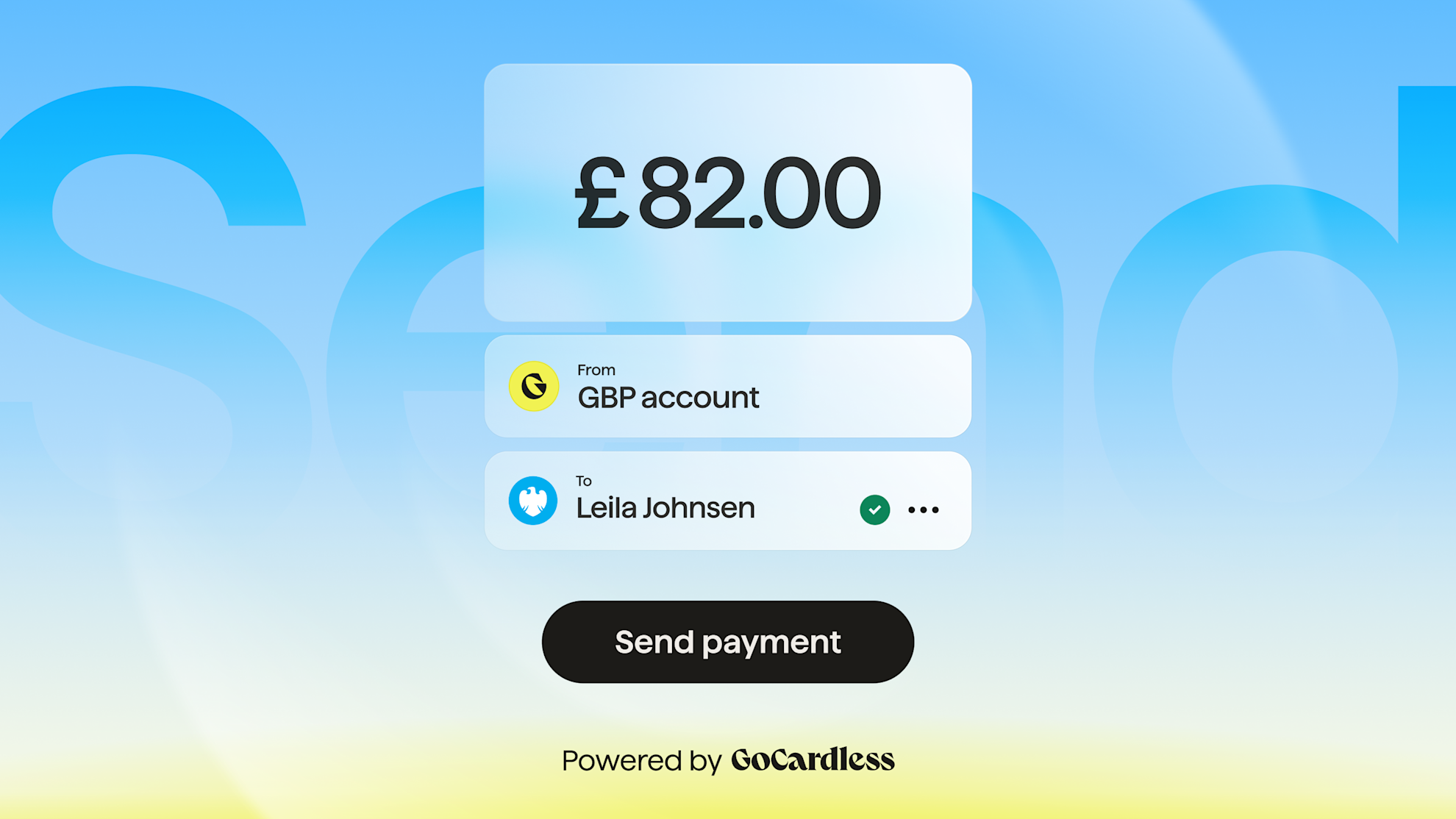
LONDON, UK 2 June 2025 – Bank payment company GoCardless announces the launch of Outbound Payments, a significant expansion of its platform that will enable merchants to send money directly to customers, suppliers, and third parties via GoCardless. 

Merchants will be able to use GoCardless to manage both account-to-account collections and payouts within a single platform, streamlining operations, simplifying reconciliation and enhancing payment visibility. The introduction of payouts will also help merchants save time and money as they eliminate costly set up, maintenance, and contractual processes by managing both collections and payouts in the same place. 

Outbound Payments provides built-in payment security as merchants can reuse stored bank details from payment collections to reduce manual errors when paying out. In addition, Confirmation of Payee helps to ensure that payouts reach the right recipient by confirming that the payee’s name matches the registered bank account details before funds are transferred, helping reduce the risk of accidental or fraudulent transfers.

For Clay, a fintech that helps tech-enabled businesses launch and fund their own lending programs, the new product will streamline their operations. Andres Castaño, Co-founder & CTO of Clay, said: “As a B2B2C lending platform, Outbound Payments are core to our operations — whether we’re disbursing loan funds to customers or issuing refunds. Our credit operations rely on these flows running smoothly. Having a single platform that handles both outbound and inbound payments simplifies reconciliation and reduces operational overhead. 

“Working with one provider, rather than stitching together multiple payment suppliers, saves time and complexity — which is critical for a lean team like ours. The ease of onboarding and the reliability of GoCardless give us confidence they can scale with us as we grow.”

Outbound Payments is a direct result of the strategic acquisition and rapid integration of Nuapay, which has a proven track record of processing billions in payout volume. Adding payouts to the GoCardless Payment Platform marks a significant milestone in the company’s 14-year history and strengthens its competitive positioning in the market. 

Pat Phelan, Chief Commercial Officer at GoCardless said: “Thanks to the rapid integration of Nuapay we can now offer an ‘all-in-one’ bank payment platform that serves all payment flows. From reducing costs and simplifying back-end processes to increasing payment visibility and protecting against fraud, there are now even more reasons to use GoCardless.

“Adding payouts to our platform also means we can serve new vertical sectors and use cases. For example, we can now streamline claims processing for insurance companies and disbursement of funds for lenders. This is a significant step as we pursue our vision of becoming the world’s bank payment network.”

Click here to find out more about Outbound Payments.

Notes to Editors

For more information, contact:

press@gocardless.com 

About GoCardless

GoCardless is a global bank payment company. Over 100,000 businesses, from start-ups to household names, use GoCardless to collect and send payments through direct debit, real-time payments and open banking.

GoCardless processes US$130bn+ of payments annually across 30+ countries; helping customers collect and send both recurring and one-off payments, without the chasing, stress or expensive fees. We use data and insights to improve payment success, reduce fraud and, with open banking connectivity to over 2,500 banks, help our customers make faster, more informed decisions.

We are headquartered in the UK, with additional offices in Australia, France, Ireland, Latvia and the United States. For more information, please visit www.gocardless.com and follow us on LinkedIn @GoCardless.

Get your Software Stack together. softwarestack.tech

Software Stack

© 2024–2026 - Software Stack is a trading name of SouthwestCIO Limited ac ompany registered in England & Wales 11319049

  • Knowledgebase
  • Home
  • About Us
  • Contact Us