• Skip to primary navigation
  • Skip to main content
software stack logo

Software Stack

Get your Software Stack together

  • Knowledgebase
    • All Categories
    • Accounting Software
    • Automation & Workflow Software
    • Customer Relationship Management
    • E-Commerce Shopfronts & Payments
    • Marketing Automation
    • Online Courses & Membership
    • Project Management
    • Surveys & Forms
    • Web Hosting
  • Home
  • About Us
  • Contact Us
  • Show Search
Hide Search

Online Learning & Community

How to Make Money as a Nano Influencer

Software Stack Editor · September 15, 2025 ·

Picture of Haiden Hibbert

Haiden Hibbert

I’m a Content Manager at MemberSpace helping entrepreneurs and creators sell digital products.

Big follower counts get all the attention. But if you’re a nano influencer — with 1,000 to 10,000 followers — you’re in a powerful position to build a real business.

Why? Because smaller audiences often mean higher engagement, stronger trust, and more authentic connections. And those qualities are exactly what people pay for when you package your expertise into digital products and memberships.

Let’s break down how this works (and how you can start).

What Is a Nano Influencer?

Not everyone who creates online thinks of themselves as an “influencer.” Maybe you share recipes, post about your fitness journey, or teach people how to care for plants. If you’ve built a small but loyal community online, you may already be a nano influencer — even if you’ve never used the term.
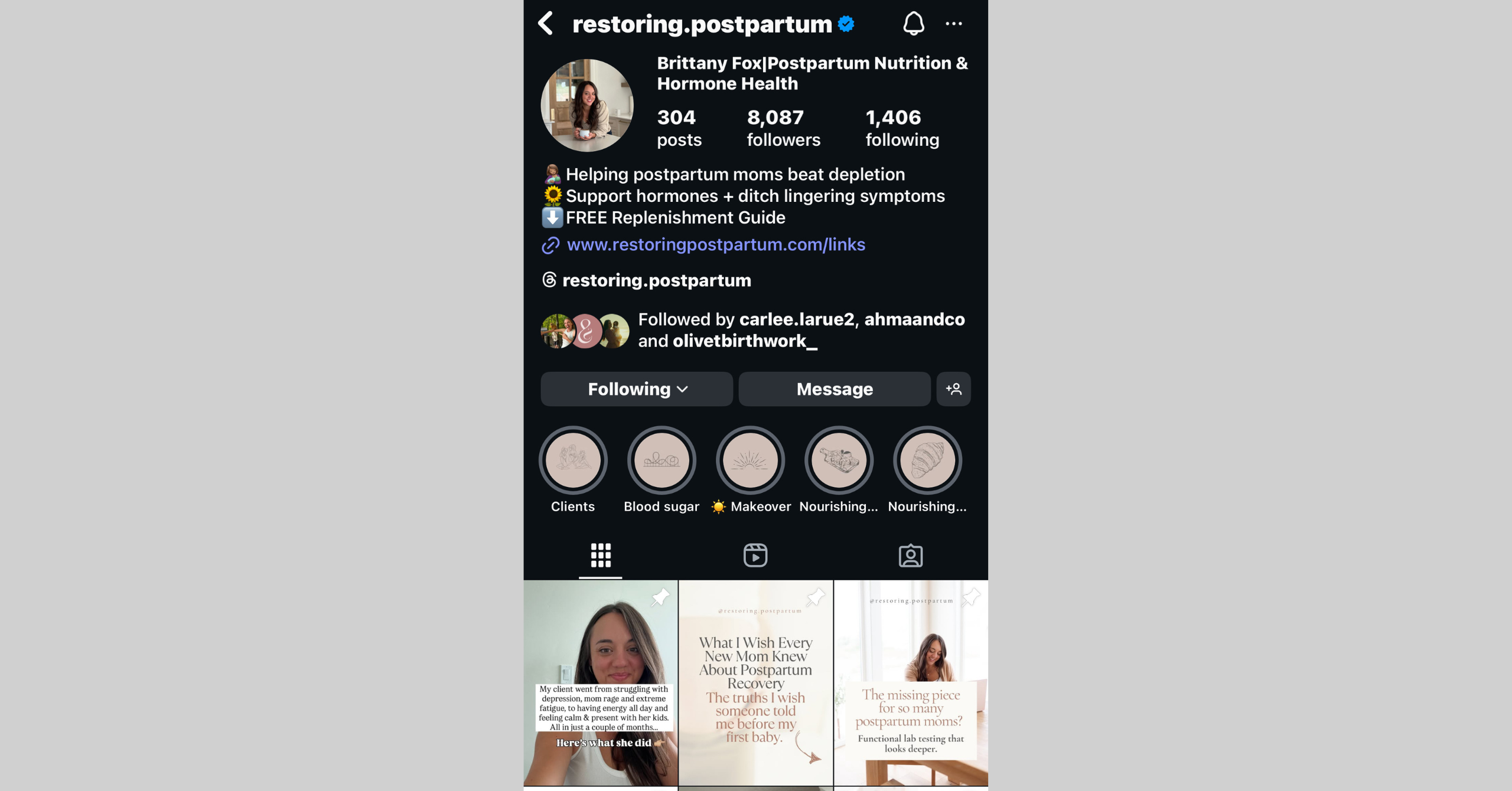
Nano influencer example

A nano influencer is generally defined as someone with 1,000 to 10,000 followers on a social media platform. But follower count is only part of the story. What really sets nano influencers apart is:

  • High engagement: A larger percentage of your audience actually comments, likes, and interacts with your content.
  • Authenticity: Followers often feel like they know you personally.
  • Niche focus: Instead of appealing to everyone, you serve a specific community or interest.

A nano-influencer could be:  

  • A home baker with 3,500 Instagram followers sharing sourdough tutorials.
  • A student with 6,000 TikTok followers posting productivity hacks.
  • A craft creator with 2,000 YouTube subscribers uploading DIY tutorials.
  • A finance enthusiast with 4,000 followers on Xsharing budgeting tips.
  • A writer with 1,200 email subscribers sending weekly essays.

If you have an engaged audience in this range, you’re in a sweet spot: small enough to stay personal, but big enough to start monetizing.

Why Being a Nano Influencer is an Advantage

A lot of people assume bigger is always better when it comes to audience size. But here’s the thing: brands, businesses, and followers are starting to realize that smaller can actually mean stronger.

Here’s why:

1. Higher engagement rates
Nano influencers often see much higher engagement than macro influencers. According to Influencer Marketing Hub, nano influencers can have engagement rates up to 4x higher than larger accounts. Why? Because your followers aren’t just numbers — they’re real people who feel connected to you.

2. Authenticity and trust
People follow you because they like you, not because you’re a celebrity. That authenticity builds trust, and trust is what makes someone more likely to buy a product you recommend or sign up for something you’re offering.

3. Niche expertise
Nano influencers often serve a specific niche — whether that’s fitness for new moms, productivity hacks for freelancers, or watercolor tutorials for beginners. That focus makes your recommendations even more valuable to your audience.

4. Better conversions
You don’t need tens of thousands of followers to make sales. If you have 1,000 followers and even 5% purchase a $20 product, that’s $1,000 in revenue. A small but loyal audience can outperform a large, passive one. If you want to dig deeper into this idea, check out our post on how to monetize a small audience.

So instead of worrying about “not being big enough,” lean into the advantages you already have. Your size is actually part of your strength.


The Best Ways Nano Influencers Can Make Money

There are a lot of ways to monetize as an influencer, but not all of them make sense when you’re just starting out with a smaller audience. Let’s break down the main options — starting with the ones that usually work best for nano influencers.

1. Sell Your Own Digital Products

This is one of the smartest (and fastest) ways to start earning. Digital products are things you create once and sell over and over again — no shipping, no inventory, no middleman.

Examples include:

  • eBooks or guides (meal plans, travel itineraries, how-to tutorials).
  • Templates (social media graphics, spreadsheets, design files).
  • Online courses or workshops (pre-recorded or live).

The benefit? You’re in full control of the product, the pricing, and the customer relationship. Plus, it positions you as an expert in your niche.

👉 Want to see how this works in practice? Check out our guide on how to sell digital products.

2. Offer Memberships

Memberships are powerful because they create recurring revenue. Instead of selling a one-time product, you’re building an ongoing relationship with your audience.

Memberships can include things like:

  • Exclusive content (bonus tutorials, behind-the-scenes videos).
  • A private community where members connect with you and each other.
  • Group coaching calls or Q&A sessions.
  • Resource libraries that you update regularly.

Even a small membership can add up quickly. For example, 50 members paying $10/month is $500 in recurring income.

👉 If you’re curious about this model, we’ve got a full post on how to monetize a community.

3. Sponsored Content & Brand Deals

This is usually the first thing people think of when they hear “influencer.” And yes, brands do work with nano influencers — especially if you’re in a niche they care about. You might get paid to post about a product, create a video, or share a review.

The challenge? It can take time to land deals, and you don’t have much control over when or how often they come in. That’s why it’s smart to treat this as a bonus, not your main income stream.

4. Affiliate Marketing

Affiliate marketing means you earn a commission when someone buys a product through your unique link. It’s a low-barrier way to start monetizing, and it works best when you’re recommending products you already use and love.

For example, if you’re a productivity influencer, you might share your favorite project management tool and earn a percentage of each sale.

Want to learn more? Here’s a solid affiliate marketing guide from Shopify.

The takeaway: while sponsored content and affiliate links can be nice, your real power as a nano influencer comes from selling your own products and memberships. That’s where you’ll see the most control, the most stability, and the most growth potential.

Why Digital Products & Memberships Are the Smartest Route

By now, you’ve seen there are a handful of ways to make money as a nano influencer. But if you want something sustainable, digital products and memberships are where things really click. Here’s why they stand out from the rest:

1. You own the relationship
With brand deals or affiliate marketing, you’re essentially renting your audience to someone else. When you sell your own products or memberships, you’re in control of the pricing, the messaging, and the customer experience. No middleman, no waiting for approval.

2. Predictable income
Sponsored posts might come and go. Affiliate sales can spike one month and drop the next. But with memberships, you’ve got recurring revenue you can count on. Even a small base of loyal members gives you stability.

3. Scalable effort
Creating a digital product takes upfront work, but once it’s done, you can sell it as many times as you want. Compare that to brand deals, where you’re constantly creating new content for someone else’s campaign.

4. Perfect fit for small audiences
You don’t need thousands of buyers to make this work. For example:

  • 30 people buying a $30 eBook = $900.
  • 75 members paying $15/month = $1,125 in recurring income.
    That’s achievable with a small, engaged following.

5. Long-term growth
Digital products and memberships grow with you. As your audience expands, you can add new products, raise prices, or create different membership tiers. You’re building an asset, not just chasing the next deal.

If you’re curious how this plays out in real life, we’ve got a full guide on how to monetize a small audience that digs into this exact idea.

How to Get Started with Digital Products & Memberships

Okay, so digital products and memberships sound great in theory — but how do you actually get started? The good news is you don’t need a huge budget, fancy tech, or months of prep. A simple, steady approach works best.

Here’s a step-by-step way to think about it:

Step 1: Listen to your audience
Pay attention to the questions people ask in your comments, DMs, or emails. Those are clues to what they’d happily pay for. For example, if you’re a food blogger and people constantly ask for your grocery lists, that’s a product idea right there.

Step 2: Choose a simple format
Your first product doesn’t need to be a massive course or a 100-page guide. Start small:

  • A PDF checklist
  • A short video tutorial
  • A template or swipe file
  • A small membership with monthly resources

Simple is easier to launch — and easier for your audience to say yes to.

Step 3: Pick a platform that makes it easy
This is where a lot of people get stuck. They try to stitch together payment processors, file-sharing tools, and community platforms. Instead, look for a tool that handles everything in one place. (We’ll talk about how MemberSpace does this in the next section.)

Step 4: Launch small, then refine
You don’t have to get it perfect on day one. Launch to a handful of your most engaged followers, collect feedback, and improve as you go. The earlier you start, the faster you’ll learn what works.

The goal isn’t to create the “perfect” product right away — it’s to start building momentum. Once you’ve got your first few sales or members, you can expand from there.

How MemberSpace Helps Nano Influencers Make Money

By now, you’ve seen why digital products and memberships are such a strong option for nano influencers. The next step is finding a tool that makes it easy to set everything up — without juggling multiple platforms or complicated tech.

That’s where MemberSpace comes in.
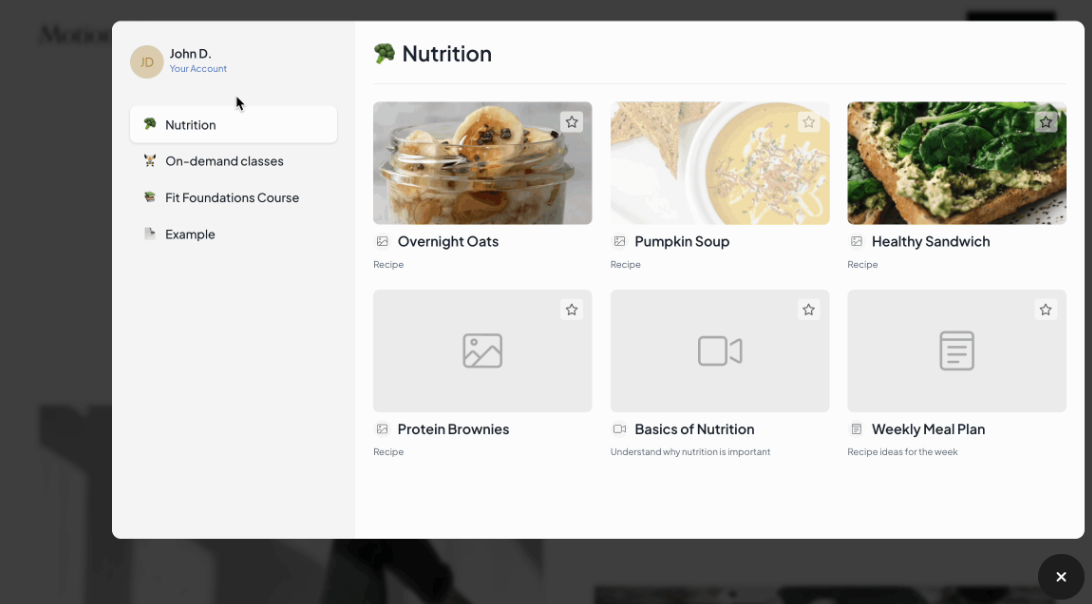
memberspace content library

Everything in one place
MemberSpace lets you turn your existing website into a membership business without coding or extra plugins. You can sell digital products, create gated content, and manage recurring subscriptions — all from a single dashboard.

A home for your content
You can add a clean, organized content hub to your site where members access files, links, videos, or posts. If you don’t have a website yet, MemberSpace can provide a free, customizable site so you can get started right away.

You can also share a direct link to your content hub anywhere you connect with your audience — in your social media bios, posts, stories, or email newsletters. That way, your followers have an easy path to sign up and access your products or membership.

Options for how you sell
Whether it’s a one-time eBook, a monthly membership, or both, MemberSpace gives you the flexibility to offer different kinds of products under one roof.

Simple payments
With Stripe integration, you can accept payments securely from anywhere in the world — no chasing invoices or piecing together multiple tools.

Stay in control
Your content and branding remain yours. Your audience engages directly with you, not a third-party platform.

Room to grow
Start with one product or membership, then expand into tiers, bundles, or new offerings as your business grows.

In short: MemberSpace handles the tech so you can focus on creating value for your audience.

Frequently Asked Questions

What is a nano influencer?
A nano influencer is someone with 1,000–10,000 followers on social media who has a highly engaged, loyal audience. They often serve a niche community and build strong trust with their followers.

How to become a nano influencer?
Start by choosing a niche you’re passionate about, consistently creating valuable content, and engaging with your audience. Growth in the nano range is less about going viral and more about building authentic connections.

How many followers do nano influencers have?
Nano influencers typically have between 1,000 and 10,000 followers.

What are the 4 types of influencers?
The influencer world is usually broken down into:

  • Nano influencers: 1k–10k followers
  • Micro influencers: 10k–100k followers
  • Macro influencers: 100k–1M followers
  • Mega influencers: 1M+ followers

How much do nano influencers make?
It varies widely. Some earn a few hundred dollars a month from brand deals, while others make thousands through digital products, memberships, or coaching. Because engagement is high, nano influencers can often charge more per follower than larger creators.

Do you need a niche to be a nano influencer?
Yes — having a clear niche makes it easier to attract the right audience and create products they’ll actually buy.

Can you be a nano influencer without Instagram?
Absolutely. TikTok, YouTube, newsletters, and even LinkedIn can all support nano influencers. The key is having an engaged audience, not just the platform.

Final Thoughts

Being a nano influencer isn’t a limitation — it’s an advantage. Smaller audiences often mean stronger trust, higher engagement, and better conversions. And when you pair that with the right monetization strategy, you don’t need tens of thousands of followers to build a real business.

Digital products and memberships give you control, flexibility, and the chance to grow at your own pace. And with a tool like MemberSpace, you don’t have to worry about tech headaches — you can set up a content hub, share it directly with your audience, and start earning from the community you’ve already built.

👉 Ready to take the next step? Try MemberSpace for free and see how easy it can be to turn your influence into income.
Evergreen marketing funnels for course creators: How to capture, nurture, and convert leads

Software Stack Editor · September 15, 2025 ·

Engagement inside your courses (quizzes, certificates) directly impacts upsell success. If you’re running an online course or academy, you already know how challenging it can be to turn leads into paying students. Maybe you’ve seen plenty of sign-ups but struggle to convert them. Or perhaps your revenue depends on exhausting live launches that spike and …

Continue

The post Evergreen marketing funnels for course creators: How to capture, nurture, and convert leads appeared first on LearnWorlds.

The Best Tools for Creators in 2025 (That Actually Work Together)

Software Stack Editor · September 12, 2025 ·

Picture of Haiden Hibbert

Haiden Hibbert

I’m a Content Manager at MemberSpace helping entrepreneurs and creators sell digital products.

If you’re a creator, you probably know the feeling: you’re the writer, designer, marketer, editor, accountant, and customer support team — all rolled into one. Until your audience grows enough to hire help, it’s usually a one-person show.

The good news? You don’t need a giant budget or a 10-person team to run a successful creator business. The right tools can save you hours, keep you organized, and — most importantly — help you actually earn from your work.

At MemberSpace, we’ve helped creators and entrepreneurs earn over $300 million. Along the way, we’ve seen which tools are worth your time and money. This isn’t a giant list of “every tool under the sun.” Instead, it’s a curated stack of affordable, practical options that play nicely together — no competing, no overwhelm.

Let’s dive in!

1. Monetization Tools

MemberSpace
Pricing: Starts at $49/month.
MemberSpace is the foundation of a sustainable creator business. It allows you to turn your audience into paying supporters by offering memberships, gated content, paid communities, or courses. Unlike most tools that cost you money, MemberSpace is designed to help you make money — often with just one or two paying members covering the monthly fee. If you’re serious about monetizing your work, this is the tool to start with.

2. Content Creation Tools

Canva
Pricing: Free plan available; Pro is $14.99/month.
Canva makes design accessible to everyone. Whether you’re putting together social media graphics, course materials, or a YouTube thumbnail, Canva’s drag-and-drop editor lets you create polished visuals in minutes. The free version is surprisingly robust, and the Pro plan unlocks brand kits, premium templates, and time-saving features like background remover.

Descript
Pricing: Free plan available; Creator plan $12/month.
Descript is a game-changer for video and audio editing. Instead of wrestling with complicated timelines, you edit your content as if you’re working in a Word doc — just delete words from the transcript and the video/audio updates automatically. It’s perfect for podcasters, YouTubers, or anyone who wants to repurpose long-form content into shorter clips without a steep learning curve.

Free alternatives: GIMP (for design) and Audacity (for audio editing). They’re not as sleek, but they’ll do the job if you’re on a zero-dollar budget.

3. AI Tools

KoalaChat (or ChatGPT)
Pricing: Free plan available; Pro is around $20/month.
Think of this as your brainstorming partner. Whether you’re drafting a blog post, brainstorming video ideas, or simplifying research, AI tools like KoalaChat can save you hours. They’re not a replacement for your unique voice, but they’re excellent for breaking through creative blocks or speeding up the “blank page” stage.

Notion AI
Pricing: $10/month add-on.
If you already use Notion to organize your projects, Notion AI is like an assistant living inside your workspace. It can summarize notes, outline content, or even suggest ways to structure your ideas. For solo creators juggling multiple projects, it’s a quiet but powerful productivity boost.

4. Social Media Marketing Tools

Buffer
Pricing: Free plan for 3 channels; Essentials $6/month/channel.
Buffer makes it easy to stay consistent on social media without being glued to your phone. You can draft, schedule, and analyze posts across multiple platforms in one place. The interface is clean and beginner-friendly, and the free plan is generous enough to get you started.

Later
Pricing: Free plan available; Starter plan $25/month.
Later shines when it comes to visual platforms like Instagram, TikTok, and Pinterest. You can plan your content calendar, preview your feed, and make sure your branding looks consistent before anything goes live. If you’re a visual creator, this tool can save you a lot of second-guessing.

Free alternative: Meta Business Suite (for Facebook and Instagram scheduling). It’s not as flexible, but it’s free if you’re just starting out.

5. Analytics & Insights Tools

Fathom Analytics
Pricing: Starts at $15/month.
Fathom is the simple, privacy-friendly alternative to Google Analytics. It gives you the key insights you need — like traffic, top content, and referrers — without drowning you in data or requiring a degree to set up. If you want clarity without complexity, this is worth the small monthly fee.

Google Analytics 4
Pricing: Free.
Google Analytics is the industry standard for tracking website traffic and user behavior. It’s powerful, but it does come with a learning curve. If you’re willing to spend a little time learning, it’s a free way to gather deep insights about your audience.

6. Productivity & Workflow Tools

Trello
Pricing: Free plan available; Standard $5/month/user.
Trello is like a digital whiteboard for your projects. You can organize tasks into boards, lists, and cards — perfect for planning content calendars or tracking client work. The free version is enough for most solo creators, and the paid plan adds automation and collaboration features if you need them.

Zapier
Pricing: Free plan available; Starter plan $19.99/month.
Zapier connects your favorite apps and automates repetitive tasks. For example, you could set it up so that when someone joins your MemberSpace, their info automatically gets added to a Google Sheet or email list. It’s like having a personal assistant quietly handling the busywork in the background.

Free alternative: IFTTT, which offers basic automations at no cost.

7. Financial & Business Tools

Wave
Pricing: Free for accounting and invoicing; paid add-ons for payments/payroll.
Wave is a fantastic option for creators who need to keep track of income and expenses without paying for expensive accounting software. You can send invoices, track payments, and get a clear picture of your finances — all for free.

QuickBooks Self-Employed
Pricing: Starts at $15/month.
If you want something a little more robust, QuickBooks Self-Employed helps you track expenses, mileage, and taxes. It’s especially useful if you’re juggling multiple income streams and want to stay organized come tax season.

8. Inspiration & Learning Tools

Skillshare
Pricing: $32/month or $168/year.
Skillshare gives you unlimited access to thousands of classes on topics like design, marketing, business, and creativity. It’s a great way to level up your skills without investing in expensive one-off courses. Many creators use it to pick up new techniques quickly and apply them right away in their projects.

Readwise
Pricing: Starts at $4.49/month.
Readwise helps you capture and revisit the best ideas from books, articles, and podcasts. Instead of letting highlights and notes disappear into the void, Readwise resurfaces them so you can actually use what you’ve learned. It’s like a personal knowledge library that keeps your creativity fueled.

Free alternative: YouTube University — there’s a free tutorial for almost anything if you’re willing to dig, though the quality can vary.

Final Thoughts

Being a creator often means being a one-person team — but that doesn’t mean you have to do everything the hard way. The right tools can save you time, keep you organized, and even help you earn more.

Here’s the big takeaway:

  • MemberSpace is your monetization anchor — it’s what turns your audience into a business.
  • From there, you can add tools that help you create (Canva, Descript), market (Buffer, Later), analyze (Fathom, Google Analytics), stay productive (Trello, Zapier), manage your money (Wave, QuickBooks), and keep learning (Skillshare, Readwise).
  • Many of these tools have free plans or affordable entry points, so you can start small and scale up as your income grows.

Your toolkit should feel like a supportive co-pilot, not a burden. With the right setup, you’ll free up more energy for what you love most: creating.

How to Make Money on Social Media: Turn Followers into Paying Subscribers

Software Stack Editor · September 10, 2025 ·

Picture of Haiden Hibbert

Haiden Hibbert

I’m a Content Manager at MemberSpace helping entrepreneurs and creators sell digital products.

If you’re a creator, you’ve probably been told a hundred times: “You should monetize your social media!”

And sure, social platforms are incredible for building an audience. But here’s the catch: you don’t actually own your followers.

They belong to the platform.

One algorithm change, one account suspension, or one platform shut down (RIP Vine) — and poof, your audience could vanish overnight. That’s why relying only on social media for income is like building a house on rented land.

The real key to making money on social media? Move your followers onto your own website. That means creating a space you control — like a newsletter, private community, or paid membership.

And the good news? With MemberSpace, you can set this up in just a few minutes.

Here’s what we’ll cover in this post:

  • Why social media followers are “rented”
  • The power of owning your audience
  • How to move followers from social to owned spaces
  • How MemberSpace makes it simple
  • Real examples of what you can sell
  • Tips for driving followers to your membership
  • Other ways to monetize your social media followers
  • FAQs

Why Social Media Followers Are “Rented”

Think about it: you don’t have your followers’ phone numbers or emails. You can’t directly reach them without the platform’s permission.

And platforms change the rules all the time. One day your posts are reaching thousands, the next day your engagement tanks because of a new algorithm.

It’s frustrating, right?

That’s because your followers live on rented land. The platform is the landlord, and they can change the terms of your lease whenever they want.

The Power of Owning Your Audience

When you own your audience, no one can take it away.

That means building an email list, creating a membership, or starting a private community. These are spaces you control.

The benefits are huge:

  • Stability: Your income doesn’t disappear with the next algorithm update.
  • Recurring revenue: Memberships and subscriptions give you predictable monthly income.
  • Direct connection: You can email your community whenever you want — no algorithm gatekeeping.

Here’s the difference:

  • A follower on Instagram might see your post once in a while.
  • A paid subscriber on your site? They’re invested in your work and excited to hear from you.

How to Convert Followers from Social to Paid Members

So how do you actually get people off Instagram, TikTok, or YouTube and into your owned space?

Here’s a simple process:

  1. Create a content hub with MemberSpace — By adding MemberSpace to your site, you can sell member-only access to a library of digital content and exclusive pages of your website.
  2. Offer value — Give people something worth joining for: exclusive content, behind-the-scenes access, resources, or a private forum.
  3. Promote it on social — Tease your premium content, mention it in posts, and always add the link to your content hub in your bio.

memberspace content library
Add any kind of digital content and resources to your content hub on MemberSpace and instantly sell access on your own website

How MemberSpace Makes This Simple

With MemberSpace, you can set up your own membership site in just a few minutes. 

  • Get a free, fully customizable website (or connect your existing one).
  • Lock content, resources, or a community behind a paywall.
  • Sell digital products, courses, or one-off downloads.
  • Build recurring income with paid memberships.

And the best part? You don’t need to have tech experience. You can be up and running in minutes without any coding. Here’s a quick tutorial on how to set things up.

Realistic Examples of What You Can Sell

Not sure what to offer? Here are some ideas:

  • Exclusive tutorials or mini-courses.
  • Members-only podcast episodes or videos.
  • Resource libraries (templates, guides, downloads).
  • A private community or forum.
  • A member directory for networking.

And remember: you don’t need a massive audience. Even 100 people paying you $10/month is $1,000 in recurring income.

The Micro Squad sells digital fitness programs as a part of their membership site

Tips for Driving Followers to Your Membership

Think of social media as the top of your funnel — not the end goal.

Here are some ways to encourage people to join your membership:

  • Share sneak peeks of your premium content.
  • Highlight member wins or testimonials.
  • Make joining feel like being part of an exclusive club.
  • Remind people regularly (not just once).

The more you show the value of your community, the more curious your followers will be.

Other Ways to Monetize Your Social Media Followers

Owning your audience is the foundation. But it’s also smart to diversify your income streams.

Most platforms now offer built-in monetization options, like:

  • Instagram & TikTok: Creator funds, brand partnerships, live gifts.
  • YouTube: Ad revenue, channel memberships, Super Chats.
  • Facebook: In-stream ads, fan subscriptions.
  • LinkedIn: Paid newsletters, coaching leads.

These can be great supplements to your membership site income.

Diversify for a Stronger Business

The best way to earn a great living as a creator is to mix both approaches.

Think of it like this:

  • Social media = reach and discovery.
  • Membership site = stability and recurring income.
  • Platform monetization = extra revenue streams.

Together, they create a business that can weather the ups and downs of the creator economy.

FAQs about How to Make Money on Social Media

Do I need a big audience to make money?
Nope. Even a small, loyal audience can generate recurring income.

What should I charge for my membership?
The average membership site cost is $25-$50 per month, but you can charge whatever you think is a reflection of the value your membership offers. 

What if I don’t have a website?
No worries. MemberSpace gives you a free, customizable site. No tech skills needed.

Can I still use my social media?
Absolutely! Social media is your funnel. The goal is to guide people from following to subscribing.

What if I just want to sell one product, not a membership?
That works too. You can sell digital downloads, courses, or one-off resources with MemberSpace.

Final Thoughts

Social media is powerful, but it’s rented land. Algorithms change, accounts get flagged, and platforms come and go. If your income depends only on them, it’s always at risk.

The real stability comes from owning your audience — giving your biggest fans a space you control, where they can support you directly through memberships, communities, or paid content.

You don’t need thousands of followers to start. Even a small group of loyal fans can create meaningful recurring income.

With MemberSpace, you can set up your own content hub in minutes and start turning followers into paying subscribers.

Try it free today and take the first step toward building income you truly own!

Worlds of Learning 2025: Where course creators and L&D teams come to level up

Software Stack Editor · September 9, 2025 ·

Two days. Two worlds. Thousands of your peers. On September 23–24, 2025, LearnWorlds’ flagship online summit, Worlds of Learning, returns for its 5th year. With over 25,000 registrants since launch, including 12,000 in 2024 alone, it has become the #1 AI & elearning summit, bringing together a truly global audience of education professionals, training professionals, …

Continue

The post Worlds of Learning 2025: Where course creators and L&D teams come to level up appeared first on LearnWorlds.

Grow your funnel: Scalable education strategies for customer success

Software Stack Editor · September 9, 2025 ·

Did you know that customer education is a great way to lead your prospects across the funnel, without ever sounding salesy or pushy? In our recent webinar, we invited Luke Curry, Director of Sales at Periti Digital and a Hubspot Elite Solutions Partner. With five years of experience in the Hubspot Sales Org and having …

Continue

The post Grow your funnel: Scalable education strategies for customer success appeared first on LearnWorlds.

Creating and Monetizing an Online Community: Your Step-by-Step Creator Playbook

Software Stack Editor · September 9, 2025 ·

Picture of Haiden Hibbert

Haiden Hibbert

I’m a Content Manager at MemberSpace helping entrepreneurs and creators sell digital products.

Likes and comments are great, but building an online community isn’t about chasing vanity metrics. It’s about creating a space where your audience feels connected, supported, and excited to engage. And when you’ve already grown a loyal following—whether that’s on Instagram, through your newsletter, TikTok, or elsewhere—you’re sitting on an incredible opportunity to monetize that community.

With the right setup, your audience can become more than just followers. They can become paying members who support your work month after month. That’s where tools like MemberSpace make the process simple and sustainable.

In this playbook, we’ll cover:

  • How to plan and set up your community
  • Ways to keep engagement high
  • Monetization strategies that actually work
  • How MemberSpace can help you turn any audience into a thriving membership business

Why Creators Should Monetize Their Communities

Social platforms are great for discovery, but they’re unpredictable. Algorithms shift, features disappear, and your reach can change overnight.

Monetizing your community gives you stability. Instead of relying on ad revenue or brand deals, you create direct income streams from the people who already value what you do. And because they’ve chosen to pay, engagement tends to run deeper.

Tools like MemberSpace make this transition simple by helping you build a private home base for your community—no complicated tech, no coding required.

How to Define the Purpose of Your Online Community

Every thriving community starts with a clear purpose and niche. Ask yourself:

  • What’s the main reason people will join?
  • What problem are you solving for them?
  • What kind of experience do you want to create?

Your purpose acts like a lighthouse. It attracts the right members and sets expectations for how they’ll show up. Keep it simple—something you can summarize in a sentence or two.

Understanding Your Audience Before You Monetize

The better you know your audience, the easier it is to create offers they’ll pay for. Look at:

  • Demographics (age, interests, stage of life)
  • Pain points and challenges
  • Habits (where they hang out online, how they consume content)

Use polls, surveys, or Instagram Q&As to gather feedback. This insight shapes everything from pricing to the type of content you’ll lock behind a paywall.

Types of Online Communities

Online communities come in all shapes and sizes. Knowing which type you’re building helps you choose the right strategy—and the right way to monetize.

  • Interest-based communities: These bring people together around a shared passion. For example, many MemberSpace customers run fitness memberships with on-demand workout libraries or recipe hubs.

  • Support communities: Spaces designed to help and encourage members. We’ve seen customers create safe spaces for parents of children with autism, or groups that provide ongoing accountability for entrepreneurs.

  • Learning communities: Perfect for creators teaching a skill or subject. Think online course creators, educators, or coaches who sell structured lesson modules and resource libraries through MemberSpace.

  • Brand communities: Fans and followers who want to connect more deeply with you or your product. For instance, some MemberSpace customers run exclusive memberships for their podcast listeners or newsletter subscribers, offering bonus content and behind-the-scenes access.

Here are a few examples of online communities set up with MemberSpace. 

online community example
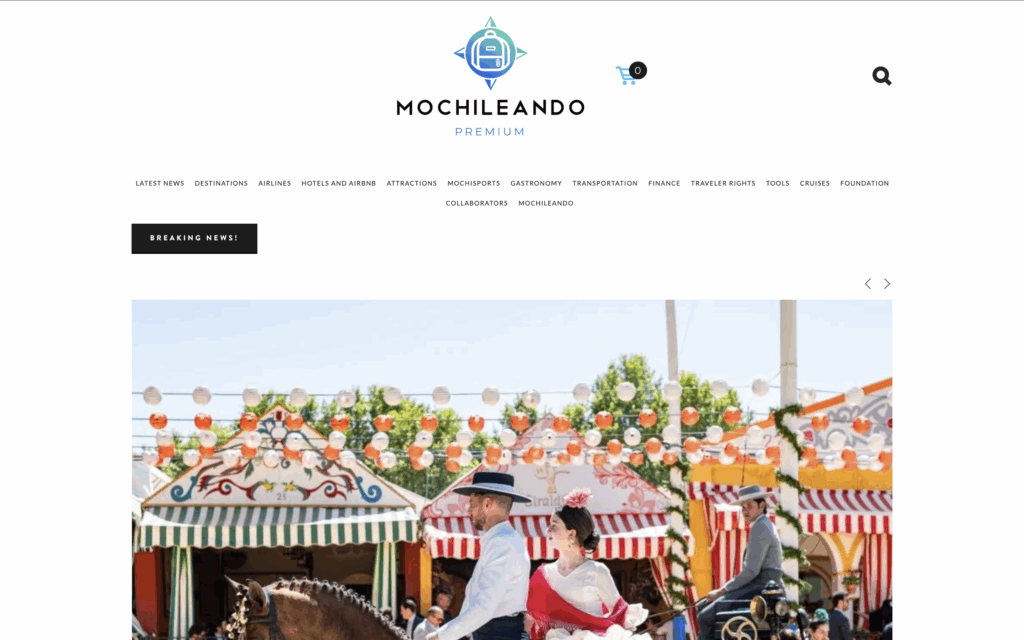
Mochileando is an online travel community

Rogue Running online community
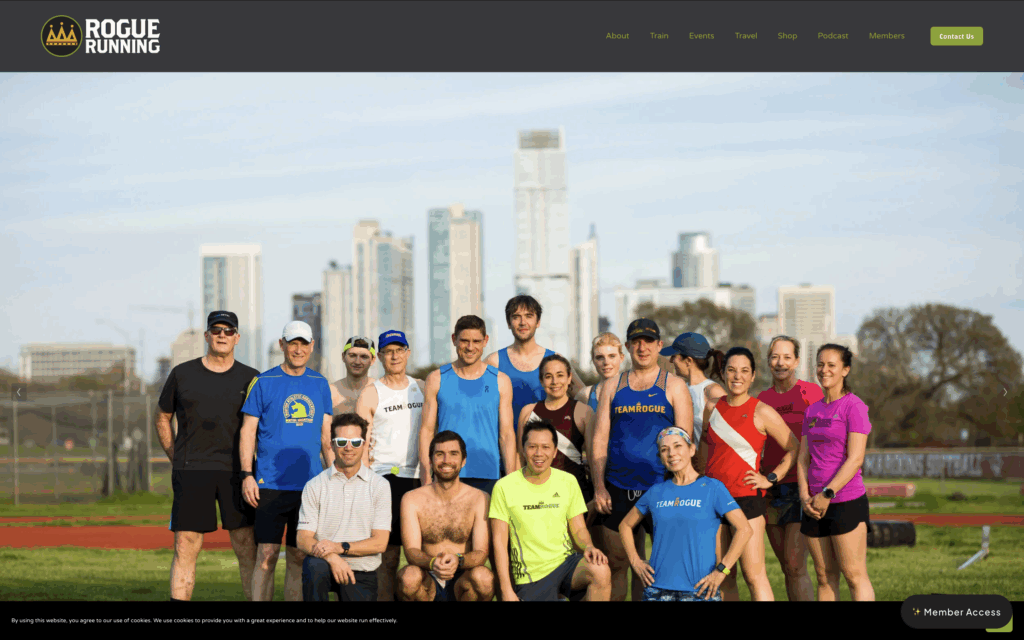
Rogue Running is an online running club/community

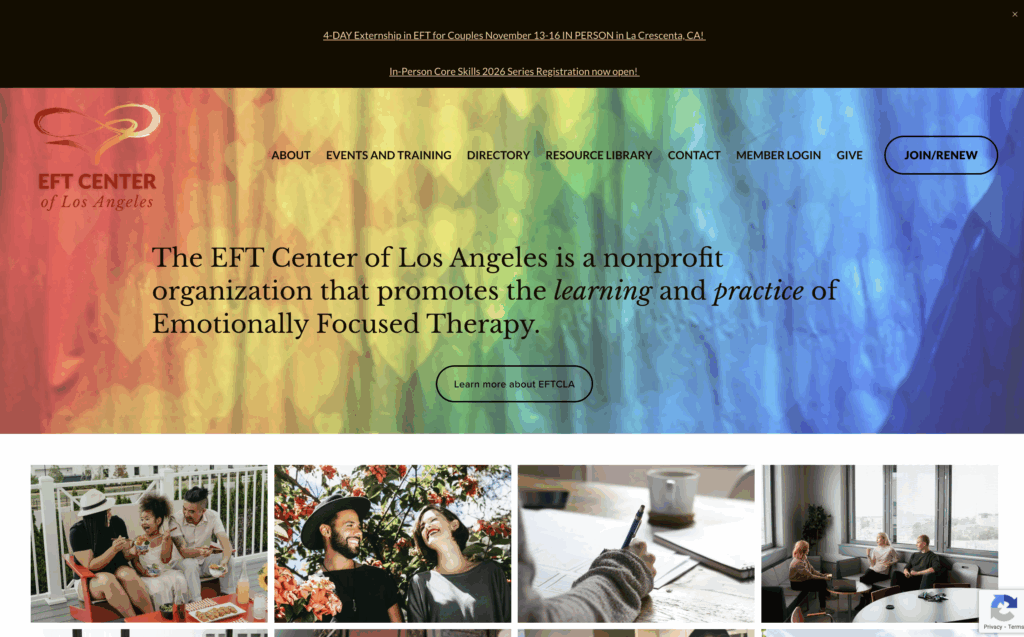
EFT Center of Los Angeles is an online community, directory, and resource library

Choosing the Best Platform for Your Community

Picking the right platform is one of the most important decisions you’ll make. Where your community lives shapes how people engage, what kind of content you can share, and—most importantly—how you can monetize.

Social media groups (like a private Facebook group or Discord server) can be great for getting started. They’re familiar, easy to set up, and free. But they also come with big drawbacks:

  • You don’t own the platform. Algorithms and policies change overnight.
  • Monetization options are limited or clunky.
  • Your brand feels tied to another company’s rules and design.

If you’re serious about turning your community into a business, you need a platform you control. That usually means creating a dedicated community hub on your own website.

A website gives you:

  • Ownership – You’re not at the mercy of shifting algorithms.
  • Professionalism – Members see your brand front and center, not Facebook’s or Discord’s.
  • Flexibility – You choose what to offer: memberships, content libraries, coaching, courses, or a mix.

That’s where MemberSpace comes in.

How to Use MemberSpace to Monetize Your Community

MemberSpace makes it simple to take your existing audience—whether they follow you on Instagram, TikTok, YouTube, or through your newsletter—and give them a private space they can pay to access.

Here’s how it works:

1. Create your community hub

  • Add MemberSpace to your current site or launch a free, customizable site right inside MemberSpace if you don’t already have one.

2. Add exclusive content and features

  • Upload digital content like online courses, videos, templates, guides, or checklists.
  • Protect videos, articles, courses, or entire pages behind a paywall
  • Even lock discussion forums or member directories.

3. Set up flexible pricing

  • Offer monthly, yearly, or one-time payments.
  • Create tiered plans (great for offering a “basic” vs. “premium” membership).
  • Run free trials to boost signups and show off your value.

4. Invite your audience in

  • Share your signup link in your Instagram bio, newsletter, or TikTok profile.
  • Let followers join in one click—without complicated tech or clunky processes.

MemberSpace handles payments, logins, and member access automatically, so you don’t have to stress about backend setup. It feels seamless for your members and keeps you focused on the creative, high-value work only you can do.

In short: social platforms are great for building an audience, but your community deserves a permanent home you control. With MemberSpace, you can create that home, monetize it, and scale it into a sustainable business.

How to Keep Community Members Engaged

Getting people to join your community is one thing—keeping them active and excited is where the real work (and magic) happens. If you’ve already built a following on Instagram, TikTok, or through your newsletter, you know how quickly attention can drift. That’s why engagement has to be intentional.

The good news? With the right structure and tools, you can keep your community buzzing.

Create a Space People Actually Want to Come Back To

Think about your own online habits—would you keep showing up if a space felt messy, overwhelming, or unwelcoming? Probably not. Set clear but friendly guidelines, and keep the vibe positive. When people feel safe to share, they open up more, which leads to stronger connections.

Give Members a Reason to Log In

People join communities for your content, but they stay for the value they get week after week. That could look like:

  • Weekly tips or behind-the-scenes updates they can’t get anywhere else
  • A new video tutorial or resource drop every month
  • Member-only Q&A sessions where you answer their burning questions

With MemberSpace, you can easily release new content on a schedule and lock it behind your paywall, so members know they’re getting exclusive access for supporting you.

Celebrate and Spotlight Your Members

This part gets overlooked, but it’s huge. Shout out member wins, highlight their stories, and let them feel seen. A quick spotlight in your newsletter or a pinned post in your members-only area goes a long way.

Keep Interaction Flowing

Don’t let your community feel like a one-way broadcast. Use polls, challenges, or even quick prompts to spark conversations. Some creators host small monthly challenges (like a 7-day photo challenge or a “reset week” for wellness communities) to give people something to rally around.


Monetization Strategies for Online Communities

If you already have a community, you’ve done the hardest part—building trust and showing up consistently. Monetization isn’t about “selling out.” It’s about giving your people more of what they already want, in ways that also support your work.

Here are a few proven approaches that creators use every day:

Membership and Subscription Plans

This is one of the most reliable ways to generate recurring income. You can create a simple membership with core resources or offer tiered levels that include perks like workshops, coaching calls, or early access to new content.

The key is making sure each level feels valuable enough to justify the price. Free trials or limited-time offers are a great way to encourage signups and let people see the benefits firsthand.

Sell Premium Content

Some members may not want an ongoing subscription but would happily pay for something specific—like a workshop replay, a bundle of templates, or a mini-course. Offering one-off products alongside your membership gives people more ways to support your work.

Coaching, Events, or Challenges

Interactive experiences often spark the most engagement. Hosting a group coaching session, running a 10-day accountability challenge, or leading a live workshop creates urgency and builds community momentum. These can be included in your membership or sold separately as a premium option.

Partnerships and Sponsorships

Once your community is thriving, brands and collaborators may want to get involved. A well-aligned sponsorship or partnership can bring in additional income without putting pressure on your members. The key is staying true to your community’s values so partnerships feel like a natural fit.

The big takeaway: your monetization strategy should feel like an extension of the community you’ve already built—not a sales pitch. Your audience trusts you, and when you provide options that genuinely add value, they’ll be excited to support you. Tools like MemberSpace can help handle the logistics in the background, but the real driver of success is how well you know and serve your members.

Tracking What Works and Optimizing for Growth

Once your community is up and running, don’t just set it and forget it. The best way to keep growing is to pay attention to what’s working—and what’s not.

Start by tracking:

  • Engagement – Are people commenting, showing up to events, downloading resources?
  • Conversions – Which offers (free trial, membership tiers, premium content) bring in the most signups?
  • Retention – How long are members sticking around before they cancel?
  • Use this data to make small, intentional tweaks. If engagement drops, test new formats like polls or challenges. If a pricing tier isn’t converting, adjust the offer or benefits.

Think of it as an ongoing cycle: measure → adjust → repeat. The more you fine-tune, the more your community becomes both valuable for members and sustainable for you.

Frequently Asked Questions

How do I start an online community?
Define your purpose, choose a platform you control (like your own website), and invite your existing audience to join.

What is the best way to monetize an online community?
Memberships and subscriptions are the most reliable, but you can also sell premium content, host events, or offer coaching.

Can I monetize a community on Instagram or TikTok?
Yes, but the easiest way is to move your audience to a private hub you own where you can offer memberships, resources, and exclusive content.

Do I need a big audience to make money from my community?
No—a small, engaged group often converts better than a large, passive following. Focus on serving your members deeply.

What tools can help me monetize my community?
Platforms like MemberSpace make it easy to sell access to digital content, set up memberships, and manage payments directly on your website.

Final Thoughts

Whether you already have an active community or you’re still building one, the opportunity is the same: people gather around your work because they see value in it. Monetization is simply a way to deepen that relationship.

If your community is established, now’s the time to give members a clear next step—exclusive content, events, or a membership that lets them invest in what you’re creating. If you’re still growing, focus on building trust and consistency first, then introduce paid options when your audience is ready.

The path looks a little different depending on where you are, but the end goal is the same: a thriving community that supports your members and supports you. With the right systems in place, you can turn followers into committed members and build something sustainable for the long run.

✨ Want some inspiration on what to offer your community? Grab our free guide with 40 digital product ideas you can start selling today. It’s packed with examples you can adapt to your niche.
How to sell courses on Amazon: A complete guide

Software Stack Editor · September 8, 2025 ·

With more than 300 million active customers worldwide, Amazon gives course creators, coaches, and educators an opportunity to reach a global audience that’s already searching for solutions. If you’ve ever wondered how to sell courses on Amazon, the good news is: it’s easier than you think. Amazon offers multiple pathways to package and monetize your …

Continue

The post How to sell courses on Amazon: A complete guide appeared first on LearnWorlds.

Selling Information Products Online: 12 Profitable Examples for Creators

Software Stack Editor · September 5, 2025 ·

If you’ve got knowledge people turn to you for—whether that’s fitness advice, business tips, or travel hacks—there’s a good chance you can turn it into an information product and get paid for it.

The great thing about info products is how flexible they are. You can package what you know into an ebook, a template, a video course, or even a full membership library. These products provide so much value to customers by delivering expertise and solutions directly to their needs. Once it’s created, you can sell it again and again.

They’re also one of the best ways for creators to monetize an audience. Instead of relying only on ads or sponsorships, you’re selling directly to people who already trust you. Plus, there’s high market demand for quality information products. That means recurring revenue, more control, and less stress about changing social media algorithms.

MemberSpace gives you an easy way to sell info products on your own site and keep everything organized in one spot. In this guide, we’ll break down everything you need to know to launch your first product.

What are information products?

So what exactly counts as an information product? At their core, an information product (also known as a digital product) is anything delivered in a digital format that help people solve a problem or reach a goal. These online products can be sold repeatedly to different customers, making them highly scalable and profitable. Information products include a wide range of digital downloads and resources.

And because they can take so many forms, you’ve got options to choose from depending on your audience:

  • Digital book (eBook) or guides – practical and straightforward, easy to download.
  • Templates – plug-and-play frameworks, designs, or scripts.
  • Cheat sheets – condensed, easy-to-use guides for quick reference.
  • Courses, business courses, or online course – a series of lessons with videos, worksheets, and resources that provide valuable content and educational content.
  • Video courses – instructional content delivered in video format for visual engagement.
  • Video series – a sequence of related videos offering in-depth coverage of a topic.
  • Workshops or masterclasses – live or recorded training sessions.
  • Live event recordings – digital recordings of live performances or events for ongoing access.
  • Live event recaps – summarized versions of events highlighting key moments and insights.
  • Membership content – ongoing access to a library of resources.
  • Case studies or reports – deep-dive insights packaged for a specific audience.
  • Digital downloads – files such as PDFs, templates, or resources delivered electronically.

This flexibility is what makes them so appealing. No matter your niche, there’s a format that will fit.

Creating information products

Once you know the possibilities, the next step is creating something that fits your audience. Don’t overthink it—start with these three basics:

  • Defining your niche and audience → Who do you serve, and what problem are you helping them solve? Identify a clear market need and understand your target audience’s preferences, challenges, and budget. For example, a health coach might create info products like meal plans or video courses specifically for women over 40 seeking weight loss or healthy eating guidance.
  • Choosing your product format → Does your audience want a quick solution (like a template), a deep dive (like a course), or ongoing support (like a membership)? Brainstorm product ideas based on your own experience and expertise to ensure your offering is both valuable and authentic. Then, match the format to the outcome.
  • Creating your product → Use simple tools you already know—Google Docs, Canva, Loom, or Zoom—and start small. You can always polish and expand later. Most digital products have a simple, clean format and design, so no need to overthink this part.

And once your product is ready, it’s time to think about how you’ll actually sell it. That’s where MemberSpace comes in.

How to Sell Information Products and Membership Sites with MemberSpace

Here’s where your idea becomes a real product people can buy. MemberSpace is a platform for creators to sell access to digital products and membership sites on your own website. Here’s how it works.

Step 1: Install MemberSpace on your site

MemberSpace works on any website, no coding required. And if you don’t have a site yet, we will create a free, customizable one for you with your own domain.

This gives you the ability to sell member-only access to a clean, organized library of digital content and even lock down exclusive pages of your site.

Step 2: Add content to MemberSpace

After you’ve got MemberSpace installed on your site, it’s time to upload your content. Add any type of files (PDFs, images, MP3s), embed videos directly from YouTube, Vimeo, Wistia, or publish posts directly inside your content hub. You can also offer exclusive content and other resources, such as templates, live sessions, or community access, to enhance the member experience.

You can organize everything with drag-and-drop into Collections and folders. Members can even “favorite” what matters most to them, which creates a personalized experience inside your hub.

Step 3: Set your pricing

Next comes pricing. MemberSpace gives you four options:

  • One-time payment – perfect for a single ebook, guide, or workshop.
  • Recurring subscription – ideal if you’ve got a library of products you’re updating regularly.
  • Multiple payments – works well for bigger ticket products like a course or masterclass.
  • Free – offer a resource at no cost to build trust and grow your audience.

To increase value and sales, consider offering add ons such as coaching sessions or exclusive content, or bundle complementary products together as a package deal.

For example, if you’ve built a collection of templates and video lessons, you could turn it into a membership where people pay monthly or yearly to access everything.

Step 4: Share your content with the world

And finally—the fun part. Once everything’s ready, you can share a link to information products!

Drop the link in your newsletter, share it on social, or add it to your podcast notes. You can also repurpose your content into a blog post to reach a wider audience. Don’t forget to include social proof, such as testimonials or reviews, to build trust and credibility with your audience. However you connect with your audience, MemberSpace gives you a simple way to get your info products in front of them.

Examples of creators selling information products and online courses

If you’re wondering what this looks like in real life, here are some creators who’ve built businesses around info products:

  • Jillian Turecki – Jillian is a relationship coach who helps people navigate singleness, divorce, and relationships. She sells courses and blueprints packed with tools, tips, and scripts so her audience feels more confident in their relationships.
  • Dana from Somewhere Worthwhile – Dana created Laidback Magic, an ebook guide that helps families navigate DisneyWorld without stress. It’s niche, practical, and solves a real problem for a specific audience.
  • Stephen from SLP Stephen – Stephen sells online courses for speech pathologists, parents, and people who stutter. By focusing on his area of expertise, he’s built a resource library that serves both professionals and families. If you’re an instructor building an online teaching business, check out this Yoga Creator ToolKit – 19 Essential Tools to Launch Your Online Yoga Studio to discover helpful resources for launching and growing your virtual studio.
  • Sarah Andrews – Sarah runs The Hosting Masterclass, which teaches people how to succeed with Airbnb and short-term rentals. It’s become a gold-standard program, offered both online and in person.
  • The Creative Template Shop (Abagail) – Abagail built a digital store full of easy-to-use templates and strategies for small business owners. Her customers save time and get practical tools they can apply right away.
  • Business Chicks – This global community for women in business sells access to an online video library packed with exclusive interviews and resources. They also use Facebook groups to foster a supportive community, drive engagement, and boost sales.
  • Brandon Harvey (Good Good Good) – Brandon publishes The Good Newspaper, a members-only newsletter focused on positive news stories. Members pay for uplifting, well-curated content they can’t find anywhere else.
  • Caryn Dugan (Center for Plant-Based Living) – Caryn turned her expertise into online classes and recipe collections, helping people cook and enjoy plant-based meals.
  • Blue Harbinger – This membership newsletter offers premium investment research and analysis, giving subscribers insights they wouldn’t get on free finance blogs.
  • Kayla Itsines (Sweat) – Kayla started with fitness ebooks, then grew her business into a membership app with workout libraries and meal plans. It’s a great example of scaling an info product into a bigger platform.
  • Pat Flynn (Smart Passive Income) – Pat sells courses and playbooks that teach entrepreneurs how to build online businesses. His products grew out of the same strategies he used to grow his own brand.
  • Emily Mills (Sketchnote Academy) – Emily teaches people how to visualize ideas through sketchnotes. She sells courses and guides that make the skill approachable and fun.
  • Matt Giovanisci (Podcaster & Event Host) – Matt records live events, such as podcasting conferences and workshops, and sells the live event recordings and live event recaps as digital products. Customers can easily access these resources online, making it simple to catch up on key insights and moments from each live event.

Different formats, different audiences—but the same core idea: package up what you know and make it easy for people to buy.

FAQ: How to Sell Information Products

What’s the easiest way to sell information products online?
Use a platform like MemberSpace. You can upload your content, set your pricing, and protect access—all from your own website.

How do I price information products?
Think about the value to your customer. A checklist might be $20, while a full course could be $200+. MemberSpace lets you sell with one-time payments, recurring subscriptions, multiple payments, or even for free.

Do I need a website to sell information products?
No. MemberSpace gives you a free customizable site with your own domain if you don’t have one yet.

Can I sell multiple information products at once?
Yes. You can create Collections, bundle products together, or set up a membership where people pay to access everything in your library.

What’s the best information product to start with?
Start small with a guide, checklist, or template. They’re quick to create, easy to sell, and a great way to see what your audience responds to.

Final thoughts

Selling information products is one of the easiest ways to turn your knowledge into a business. It doesn’t matter if you’re starting with a single guide or building a full membership library—you can start small and grow from there.

With MemberSpace, you’ve got a simple way to sell ebooks, templates, courses, newsletters, or any combination of products, all from your own site.

The best approach? Create one product, share it with your audience, and see how it goes. Over time, you’ll have a library of resources that not only helps people but also brings in consistent revenue.

15 elearning trends that will go big in 2026

Software Stack Editor · September 4, 2025 ·

The future looks very bright for elearning. In fact, the elearning market is predicted to grow by upwards of 200% between 2020 and 2025, with a high peak already happening during the COVID-19 pandemic. This will not come as a surprise, as the industry has already begun making moves that will help its businesses succeed. …

Continue

The post 15 elearning trends that will go big in 2026 appeared first on LearnWorlds.

How to Monetize a Facebook Page: 5 Ways for Creators

Software Stack Editor · September 4, 2025 ·

Introduction to Facebook Monetization

Facebook might feel a little old-school compared to TikTok or Instagram, but it’s still one of the most powerful platforms for creators. With more than 2.9 billion monthly active users, there’s no shortage of people to reach. And yes, many creators are still using Facebook as their main traffic engine and income stream! 

When it comes to Facebook monetization, you have two main paths:

  • Sell your own content—products, memberships, or services—using your Page as the marketing channel.
  • Tap into Facebook’s built-in monetization tools like in-stream ads, Stars, and Subscriptions.

To use Facebook’s official features, you’ll need to meet their partner monetization requirements. For example, in-stream ads require at least 10,000 followers, while Stars unlock at 1,000. Each tool comes with its own set of rules, so you’ll want to check the latest eligibility guidelines before applying.

But here’s the good news: you don’t have to wait until you hit those numbers. You can start earning right away by selling your own content directly to your audience.

Building a Quality Facebook Page

Before you can start earning, make sure your Page looks polished and professional. A high-quality Page makes it easier to attract followers, build trust, and convert fans into paying customers.

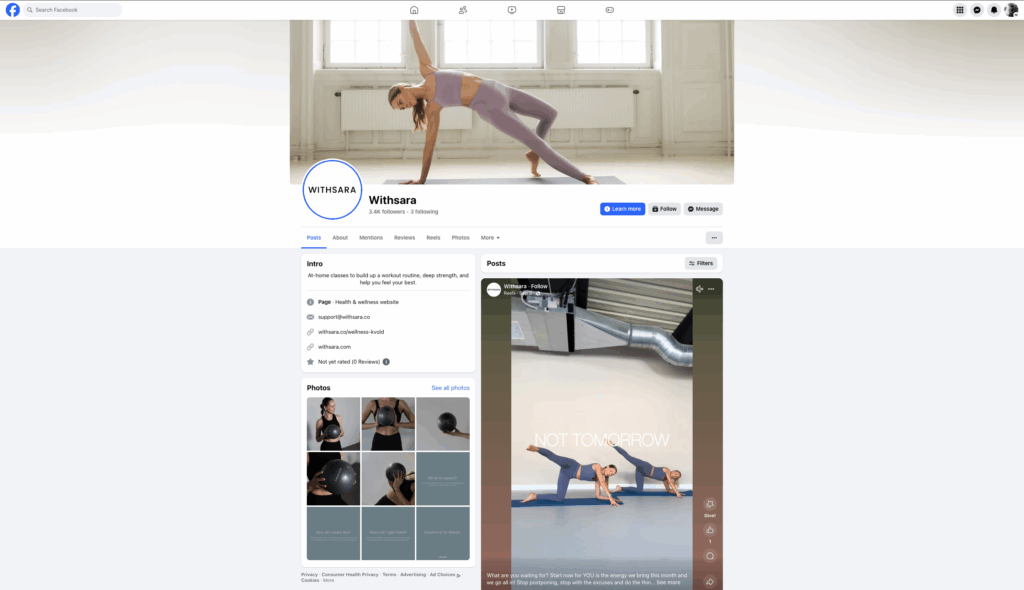
withsara facebook page monetization
Fitness membership site, Withsara uses a Facebook page to promote her digital content to followers.

Here are the essentials:

  • Strong branding – Use a clear profile photo, a branded cover image, and a consistent style across your posts.
  • Engaging content – Mix up formats: videos, Reels, Lives, and images. See what clicks with your audience.
  • Active community management – Reply to comments, ask questions, run polls. The more you engage, the more Facebook rewards you with reach.
  • Professional tools – Use Meta Business Suite to schedule posts and track analytics, and Meta Brand Collabs Manager if you plan to work with sponsors.

5 Ways to Monetize Your Own Content on Facebook

Now, let’s talk about the fun part—how to monetize a Facebook Page directly through your own offers. These strategies work whether you have 1,000 fans or 100,000.

1. Sell Digital Products

Digital products are a low-barrier way to start making money. They’re inexpensive to create, easy to deliver, and endlessly scalable.

Examples:

  • Ebooks or guides (meal plans, photography tips).
  • Templates (social media calendars, resume layouts).
  • Short workshops or video tutorials.

How to promote them on Facebook:

  • Share sneak peeks or a single tip from your guide.
  • Post customer testimonials.
  • Run a Live training, then link to your product.

👉 Need ideas? Download 40 Digital Product Ideas to Fit Any Niche.

2. Offer Paid Memberships or Communities

Facebook Groups are great for community, but the payment side should live on your website. That way you can create paid Facebook groups and manage access, payments, and member experience directly.

  • Collect payments securely.
  • Offer tiered access for different price points.
  • Control who gets access without relying on Facebook’s rules.

Example: A wellness coach runs a private Facebook Group where paying members get exclusive resources, weekly Q&As, and a supportive peer community. Payments happen off-platform, but the group is the hub.

3. Sell Online Courses

Courses can be one of the most profitable offers you create.

On Facebook, you can:

  • Share short lessons or tips as free content.
  • Post student success stories.
  • Run a free mini training via Facebook Live, then pitch your paid course or turn your videos into an online course.

The beauty of courses? You build them once and sell them repeatedly.

4. Run Paid Events or Workshops

Events are powerful because they create urgency.

Ideas:

  • A one-time fitness class.
  • A live coaching Q&A.
  • A themed workshop (e.g., “Meal Prep for Busy Parents”).

Promote through a Facebook Event page, post regular updates, and sell tickets through your site. Delivery can happen on Zoom, Crowdcast, or whatever platform works best for you.

5. Grow and Monetize an Email Newsletter

One of the smartest ways to use Facebook is as a funnel into your email list.

Offer a freebie—like a checklist, guide, free membership website templates, or video training—to get sign-ups. Then you can:

  • Monetize a newsletter by selling a paid newsletter subscription.
  • Use your list to promote courses, memberships, or digital products.
  • Drive traffic back to your site whenever you want.

Email gives you direct access to your audience—no algorithm required.

Monetizing Your Facebook Audience with MemberSpace

Promoting your offers on Facebook is a great start, but the real monetization happens when you bring people back to your own space. That’s exactly what MemberSpace helps you do.

With MemberSpace, you can sell access to any digital content or membership by adding a content hub to your website. This hub becomes the central place where fans can log in and access your products, courses, communities, or resource libraries.

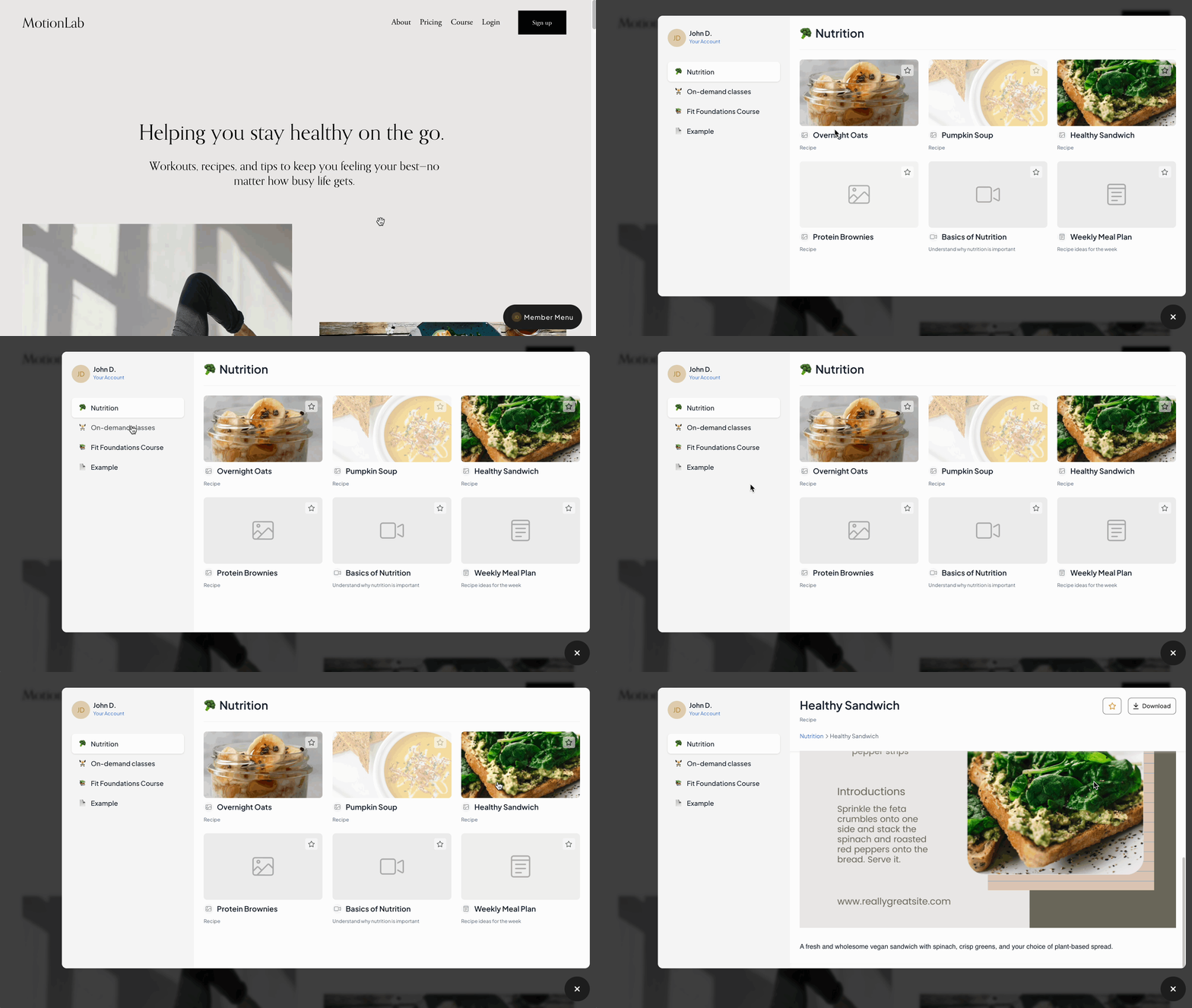
membership site products
Add your content to MemberSpace’s content hub to sell a library of digital resources to your Facebook followers.

And if you don’t have a website yet? No problem—MemberSpace will create a free customizable site for you so you can start selling right away.

Here’s how this connects with your Facebook strategy:

  • Promote on Facebook – Share your digital products, memberships, or events with your audience.
  • Sell through your content hub – Direct followers to your MemberSpace hub where they can sign up, pay, and get access instantly.
  • Grow at your own pace – Add new products, bundle content into tiers, or expand into memberships without needing new tools.

This way, Facebook becomes your marketing engine, while MemberSpace helps you secure sales, deliver content, and fully own your business model.

Facebook Page Monetization Features

Beyond selling your own content, here are Facebook’s built-in monetization options:

  • In-stream ads & banner ads – Earn from ads that play during your videos.
  • Stars – Fans send tips during livestreams.
  • Subscriptions – Fans pay monthly for exclusive perks.
  • Branded Content – Partner with brands through Meta Brand Collabs Manager.
  • Facebook Shops – Sell products directly from your Page.

Remember: these features are nice extras, but Facebook controls the rules. Your own offers—like courses and memberships—will always give you more stability.

You can track your eligibility and earnings in Meta Business Suite. Think of it as your dashboard for everything—from content performance to payouts. Staying compliant not only keeps you in good standing but also unlocks more ways to earn.

Monetization Eligibility and Requirements

If you’re aiming to use Facebook’s built-in monetization features, eligibility matters.

Here’s the baseline:

  • At least 500 followers.
  • Be 18 or older.
  • A Page that’s 90+ days old.
  • Located in an eligible country.
  • Following Facebook’s Community Standards, Partner Monetization Policies, and Content Monetization Policies.

If you’re also interested in earning revenue from other platforms, check out this guide on how to monetize a LinkedIn Group in 5 steps.

Content Monetization Policies and Guidelines

This part isn’t glamorous, but it’s important. If you want to monetize on Facebook, you need to follow their policies.

That means:

  • Respecting data privacy.
  • Avoiding copyright violations.
  • Steering clear of spammy content, misleading claims, or restricted goods/services.

Following the rules keeps your Page safe and builds trust with your audience. And trust is the foundation of any long-term monetization strategy.

Tools like Meta Brand Collabs Manager make it easier to connect with brands that align with your audience, so your sponsored content feels authentic—not forced.

Growing Your Audience

The more engaged your audience, the easier monetization becomes. Here are some ways to grow your Facebook page:

  • Go live often—Q&As, tutorials, behind-the-scenes sessions.
  • Use Reels—Facebook is pushing short-form video hard.
  • Create a free group—it can act as a funnel to your paid offers.
  • Collaborate—team up with other creators or brands for exposure.

But always remember: direct people back to something you own, like your website or email list. That’s what keeps your business safe from algorithm changes.

Common Mistakes to Avoid

  • Ignoring eligibility requirements if you’re banking on ads or Stars.
  • Relying only on ads instead of building your own offers.
  • Posting inconsistent or low-quality content.
  • Not tracking results with tools like Creator Studio or analytics.

Final Thoughts

Monetizing a Facebook Page doesn’t have to mean waiting for ad revenue. The fastest way to earn is by selling your own products, courses, memberships, and newsletters—then using Facebook as the engine to reach your audience.

Once you have that foundation, layer in Facebook’s built-in monetization features as bonus revenue. This way, you’re not dependent on one platform—you’re building a business you truly own.

Facebook Page Monetization FAQ

Do I need Facebook monetization approval to make money?
No. You can sell your own offers right away.

What’s the easiest way to start?
Digital products or a small paid community are usually the fastest.

How do Facebook Stars work?
Fans buy Stars and send them during your livestreams. Each Star is worth $0.01.

Should I focus on Facebook’s tools or my own products?
Use both, but prioritize your own products for stability and recurring revenue.

Best 8 platforms to sell training videos online

Software Stack Editor · September 4, 2025 ·

Last week, I was jumping around the internet searching for online courses on generative engine optimization, or GEO. The topic itself is important—at least to me—but I was also looking for something that matched my price point and learning style. And a big factor in both of those parameters is the platform the course is …

Continue

The post Best 8 platforms to sell training videos online appeared first on LearnWorlds.

5 corporate training strategies: Specialize or diversify for growth?

Software Stack Editor · September 3, 2025 ·

Here’s the truth: only about one in five employees around the world feels genuinely engaged at work. That’s not just an HR problem. For training providers, it’s a market signal. If learners disengage, clients won’t see results. And if clients don’t see results, they won’t come back. That’s why it pays to rethink your corporate …

Continue

The post 5 corporate training strategies: Specialize or diversify for growth? appeared first on LearnWorlds.

How to sell workshops online

Software Stack Editor · September 3, 2025 ·

You might wonder if it’s even worth selling online courses or workshops with so much competition out there. The short answer is yes. The longer answer is that it needs to be planned carefully and delivered with intention. Workshops that succeed aren’t thrown together at the last minute. They’re built on a clear idea, an …

Continue

The post How to sell workshops online appeared first on LearnWorlds.

23 best LMSs for small businesses in 2025

Software Stack Editor · September 3, 2025 ·

As a small business owner, you have a lot on your mind. Employee training might not be on your high-priority list because you lack the human resources or budget. But did you know that skills training is closely linked to employee retention? From your new hires to seasoned members of your workforce, modern employees feel …

Continue

The post 23 best LMSs for small businesses in 2025 appeared first on LearnWorlds.

How to Create a Membership Site in 5 Minutes

Software Stack Editor · September 2, 2025 ·

Picture of Haiden Hibbert

Haiden Hibbert

I’m a Content Manager at MemberSpace helping entrepreneurs and creators sell digital products.

Learning how to create a membership site is one of the most profitable steps you can take as a creator or business owner. Instead of relying only on one-time sales, you can package your expertise into products people pay to access again and again. That could be a course, a video library, a set of templates, or even a single workshop replay.

The best part? Building a membership site doesn’t have to be a major project. You don’t need a big budget, a design team, or months of prep. With the right setup, you can have a professional-looking site live in minutes, ready to start taking payments and welcoming members.

In this post, we’ll walk through how to:

  • Set up your membership website with MemberSpace in just a few minutes (yes, really!)
  • Upload and organize your digital products for members
  • Choose flexible pricing options (one-time, recurring, multiple payments, or free)
  • Share your membership site link with your audience
  • Create a smooth, professional experience for your members once they log in
  • Plan your first 30 days after launch to keep momentum going

By the end, you’ll know exactly how to create a membership site that works for you and your audience—without the stress.

Step 1: Set up your website with MemberSpace

how to create a membership site with memberspace

The first step is to get your website live. You’ll start by signing up for a MemberSpace account for free. 

Once you’re in, click Create a simple MemberSpace site for me automatically. Our Pop Site integration will start building your membership site in the background right away. 

That’s it. No plugins, no coding, no design overwhelm. You start with a site that looks clean and works right out of the gate. Here’s a peek at what your site will look like (before you get to customizing the look and feel, of course!). 

This matters because the number one thing that slows creators down is trying to build the “perfect” site before they ever launch. By starting with a functional foundation, you can focus on what actually brings in revenue—your content.

Step 2: Add your content

Now comes the fun part—uploading the products you want to sell. Your membership site can host pretty much any kind of digital content:

  • Courses or mini-courses
  • Video libraries or tutorials
  • Templates, checklists, or toolkits
  • Live or recorded workshops

Each product needs three things: a title, a description, and a cover image. That’s what your members see when they log in.

add content to membership site

Keep the titles straightforward. Something like “Beginner Sourdough Course” is much stronger than “Bread-Making Mastery Experience.” Your description should explain who it’s for and what they’ll get in a couple of sentences. And your cover image doesn’t have to be fancy—just on-brand and consistent with your style.

If you only have one product right now, don’t overthink it. Many successful membership sites start with a single offer and grow over time. Done is better than perfect!

Step 3: Set your pricing

With your content in place, it’s time to decide how people will pay. MemberSpace gives you flexible options:

  • One-time payment — perfect for courses, template packs, or standalone products.
  • Recurring subscription — best for ongoing content libraries, communities, or resources you keep updating.
  • Multiple payments — a good fit for higher-priced products where a payment plan lowers the barrier.
  • Free access — ideal for lead magnets, free trials, or growing your email list.

The right choice depends on your product and your audience. A one-off replay of a live workshop makes sense as a single payment. But if you’re releasing new resources every month, a recurring subscription creates a predictable income stream.

Step 4: Share your membership site

Once your product is ready, it’s time to get it in front of people. You can share your main membership site URL, link to a product collection, or promote a single product directly.

Here are a few smart places to start:

  • Add the link to your Instagram bio and Stories.
  • Share it in your email newsletter.
  • Pin it to the top of your Twitter/X profile.
  • Drop it in your YouTube video descriptions.
  • Add it to your website navigation.

Your launch doesn’t need to be complicated. Even a simple message like “New video library is live—join today and start watching” gets the ball rolling.

Step 5: Understand the member experience

Here’s where you step into your members’ shoes. After someone signs up, what happens next?

They log in and can access a content hub with all the products they’ve purchased. Each product shows its cover image, title, and description, so it’s easy to see what’s available. From there, they click and immediately dive into the content.

membership site products

It’s simple—and that’s exactly why it works. Members don’t have to hunt around or wait for an email with access details. Everything is right there the moment they log in.

This smooth experience makes a big difference. Happy members stick around longer, send fewer support questions, and are more likely to recommend your site.

Pro tip: Add a short welcome video or “Start Here” note at the top of your first product. It sets the tone and helps new members feel at home.

Choosing your first product

A common hang-up is thinking you need a massive library before you launch. Not true. One good product is enough.

That might be a:

  • Short course with a clear takeaway
  • Workshop recording from an event you’ve already run
  • Bundle of checklists or templates
  • Video mini-series you’ve filmed

If you’ve got content sitting on your laptop, that’s your starting point. Package it, upload it, and put it behind your paywall. You’ll learn more from your first paying members than from waiting months to “get it perfect.”

👉 Need more inspiration? Grab this free resource: 40 Digital Product Ideas to Fit Any Niche. It’s packed with examples to spark ideas for your own membership site.

Your first month after launch

Launching is just the beginning. Here’s a simple plan to keep momentum going in your first 30 days:

  • Week 1: Share your site with your audience. Collect feedback from early sign-ups.
  • Week 2: Add a small bonus—like a quick checklist or tip sheet—to surprise and delight members.
  • Week 3: Collect two short testimonials and update your product page with them.
  • Week 4: Announce your next update or upcoming product so members know more value is on the way.

This rhythm keeps your membership active and shows people you’re committed to delivering value.

Why this approach works

The process of creating a membership site can feel overwhelming—but not when you keep it simple. With MemberSpace and Pop Site, you get:

  • A fast launch (your site is live in minutes).
  • Flexible pricing (subscriptions, one-time payments, or free offers).
  • A smooth member experience (everything in one place).
  • Room to grow (start with one product, expand into a library).

This lets you focus on what matters most: serving your audience and growing your business.

FAQ: How to Create a Membership Site

What kinds of content can I sell?
Anything digital—courses, workshops, videos, templates, or entire content libraries. You can also include physical products or perks for members if it fits your business.

Can I start with just one product?
Absolutely. Many memberships launch with just one course, one download, or one podcast archive. You can add more content as your membership grows.

How do people pay me?
You can offer one-time payments, recurring subscriptions, multiple payments, or even free access. Flexibility is built in so you can match your pricing to your audience.

What is a membership platform and why do I need one?
A membership platform powers your site. It handles payments, gated content, analytics, and member management so you don’t have to juggle multiple tools.

How do membership plugins help with a WordPress site?
If you’re on WordPress, plugins add membership features like content restrictions, recurring billing, and automated member management.

How do membership sites work, and what can I offer?
They give paying customers access to exclusive content or community features. You can offer courses, downloads, coaching, or even physical products.

How can I use my membership site for professional development, selling courses, or offering resources?
Package your expertise into courses, workshops, or bonus materials like eBooks and podcasts. A private community adds even more value.

How can memberships help grow my business?
Memberships create recurring revenue and build loyal communities. Instead of one-off sales, you get a steady income stream.

How can I track performance?
Integrate Google Analytics to track visits, sign-ups, and traffic sources. Use the data to refine your strategy and grow.

What customization options do I have?
Most platforms let you customize layouts, colors, and member dashboards so your site feels like your brand.

What makes a membership site successful?
Successful sites focus on a clear purpose, serve a specific audience, and deliver consistent value. Add in community and retention strategies, and you’ve got a model built to last.

👉 Ready to try it yourself? Sign up for MemberSpace and launch your membership site today.

How to sell certification courses online: Strategies for success

Software Stack Editor · September 2, 2025 ·

Certification-based learning is booming across both B2B and B2C markets. In 2024, Coursera gained 20 million new learners worldwide, and the top 10 most popular courses were certification programs, mainly in technology[1]. Learners love these courses because they walk away with both new skills and the proof they need to show employers. Industries like technology, …

Continue

The post How to sell certification courses online: Strategies for success appeared first on LearnWorlds.

20 online learning tools and technologies for virtual education

Software Stack Editor · September 1, 2025 ·

I was running my very first virtual education program. A lot of new stuff to do and a lot of nervousness. In-school teaching involves a lot of energy, too. Online, though, those familiar rhythms of answering spontaneous questions and keeping up with different student needs were snatched away by screens and the particular challenge of …

Continue

The post 20 online learning tools and technologies for virtual education appeared first on LearnWorlds.

How to grow your Podia website traffic (7 different strategies)

Software Stack Editor · September 1, 2025 ·

If you’ve ever felt like your website is invisible, you’re not alone. Many creators put time and energy into building a great site and digital products, only to see traffic stay flat and sales slower than expected.

It’s frustrating to pour hours into content, site design, and updates, only to get a trickle of visitors in return. But the good news is that you don’t need a giant budget or a marketing team to turn things around.

With the right strategies, like SEO, content marketing, collabs, and email, you can steadily attract the right visitors, build an audience, and turn your traffic into paying customers for your digital products — without feeling like you’re shouting into the void.

In this guide, we break down 7 strategies you can use to get more website traffic to your Podia site today, so you can make more sales and grow your work long into the future.

Podia has your website, blog, digital products, audience data, and email marketing built into one easy platform. Start your 30-day free trial today.

7 ways to get more traffic to your Podia website

Website traffic isn’t everything, but it is a big thing.

More eyes on your work can lead to:

So when we talk about growing your website traffic, we’re not just talking about getting more clicks. It’s the start of a cycle that fuels your whole business.

More visitors mean a bigger audience. A bigger audience means more sales, more feedback, and more resources to reinvest in creating the products your people want. And with every turn of that cycle, your business grows stronger.

The first step? Simply getting more people to discover you. That’s why these 7 traffic-building strategies are worth putting into action today so you can set the foundation for everything else to grow.

#1 Optimize your website for search engines

Up first, let’s make it easy for people to find you.

You can do this through search engine optimization, or SEO. SEO is essentially a set of steps you can take to help search engines understand what your work is about when they scan your website. Search engine algorithms use this information to determine what pages to show in the search results.

For example, let’s say you teach a course about how to make amazing chocolate chip cookies. If someone searches for “best chocolate chip cookie course”, we want your course to be up at the top of the page!

You can improve your odds of getting that first slot by giving search engines lots of signals and information about what you do. The clearer you can explain what your site is about, the better search engines can understand where to place you.

While there’s no guaranteed way to influence your position on the search engine results pages (search engine algorithms are proprietary), there are a few widely-agreed-upon steps you can take to give your site the best chance of being discovered.

Out of the box, Podia has several spaces where you can tell visitors and search engines what your work is about. Here’s how to make the most of them.

Related post: How to build your website in Podia step-by-step

SEO tip 1: Add a site description

First, go to the Podia website editor and scroll all the way down to find your site settings.

Podia website editor Site settings gear

Click into the site settings gear, and you’ll see an option to add a site description. Here, you should share between 120–160 characters that broadly explain what your business is about, using any keywords you’re targeting naturally within the text.

For example, if you run a business helping aspiring freelance writers, your site description could be: “An online hub for freelance writers with community, training, and resources to help you find clients, grow your business, and get paid to write.”

Add a site description in site settings

Now, when search engines scan your website to learn what your business is about, they’ll see keywords like “freelance writers”, “find clients”, “grow your business”, and “get paid to write”, which makes it easier to understand what you do.

SEO tip 2: Add individual page descriptions

Next, go to the website builder and click the gear beside each page to open the page settings.

Add individual page descriptions

This lets you customize the title, URL, and page description on a page-by-page basis. Again, you can use all these spaces to tell website visitors and search engines what each page is about.

Give each page a clear page title, URL, and description that includes your target keywords. (Note, each website page and blog post should have a different target keyword.)

SEO tip 3: Use headings to break down information on your pages

Within each website page, you should use the appropriate heading hierarchy for your content. This helps search engines (and, more importantly, your readers) determine what content is most important on your page.

  • H1 heading: Use this for the most important title on the page. There should only be one H1 heading per page.

  • H2 heading: Use H2s for key headlines throughout the page to call out important information

  • H3 heading: Use H3s as subheadings within an H2 heading, if needed

When you add a new section to any page of your website, you can set the heading designation in the “Content” tab. You can also adjust headings in the text editor by pressing the slash / key.

Set heading designations in Content tab

When you add a site description, page descriptions, and proper headings, you’ll be set up correctly from day one. Take some time to update these fields and make sure everything looks good behind the scenes, then onward to links.

SEO tip 4: Interlink your website pages

Now that you’ve got your pages configured correctly, the next step is to make sure they’re all connected to one another in a logical way.

There are two reasons for this:

  1. It improves the experience for your visitors. If someone lands on your site, likes what they see, and wants to learn more, a thoughtful internal link structure helps guide them to the next step — whether that’s another article, a product page, or a signup form. Instead of hitting a dead end, they’re invited deeper into your world.

  2. It helps search engines understand your site. When your pages are linked together, Google can see how your content is related. The more connected, relevant information you have, the more authority your site builds over time — which means better chances of showing up in search results.

Now, this doesn’t mean every page needs to be crammed into your header menu (that would get overwhelming fast). Instead, think about how your content naturally fits together and link accordingly.

For example, if you offer courses and coaching products, you might have a page about your coaching offers and a page about your courses. Each of those pages would link out to the individual sales pages for all the products in each category.

Or, if you write blog posts, you can link them together by topic. For example, a post about “How to paint with watercolors” could link to another post on “Watercolor supplies for beginners.” From there, you can also point readers toward your “Watercolor Basics” course, so they always have a clear next step.

Here are a few practical ways to link your pages together:

  • Link from your blog posts to your related products or services. (For example, a blog post about “How to get started painting” could link to your “Beginner’s Painting Course” page.)

  • Use related links at the end of blog posts to guide readers to more articles on the same topic.

  • Add contextual links within your content, pointing to deeper resources on your site where it feels natural.

  • Make sure your most important pages (like product sales pages or your email signup page) can be reached from multiple spots across your site, like your homepage and site footer.

The goal isn’t to force links everywhere, but to build a web of connections so both people and search engines can easily understand what your site is about and where to go next.

One perk of using an all-in-one tool like Podia is that it’s super easy to interlink your content. Podia’s smart link feature lets you choose from a dropdown menu of products, blog posts, and website pages whenever you add a link on your site, so you don’t have to copy and paste a bunch of URLs.

Smart Link feature

Now that all your pages are linked into a happy little web (that’s easy for your customers to navigate), it’s time to enhance your site with blog posts, lead magnets, and other resources to serve your target customers.

#2 Add blog posts to your Podia website (and make sure they’re set up correctly for search)

Your website is a space to tell people about who you are and what you do, and your blog is a more dynamic place where you can share your experiences, answer questions, and go more in-depth about the topics you’re passionate about.

A blog is also a tool to boost your website traffic, since each article gives you another opportunity to show up in the search results and reach more people.

For your first blog posts, I recommend answering the questions you’re asked most often in your business. What do your prospective customers want to know? What do you get asked in your DMs and comments?

If you’re totally new without an audience, look at Reddit threads, YouTube videos, and social posts related to your niche and scroll down to see what kinds of comments people are leaving. Chances are, you’ll find some good questions to answer when you write your blog posts.

A few quick tips:

  • Address one topic per blog post

  • Link to related blog posts or website pages from within your articles

  • Add an email sign-up form or lead magnet form to each blog post so people can get on your list

Podia has blogging built in, so you can start your blog, add as many posts as you want, and customize the layout right in the website builder. Everything will look cohesive, and you don’t need to learn any new tools.

Blog example

There are also SEO settings so you can improve your chances of showing up in the search results for the topics you write about.

In Podia, click on “Blog” on the left-hand side of your dashboard. Click “New post” to add an article to your Podia website.

You can type your blog post content directly into the text editor and add images, videos, embeds, buttons, and other text effects right on the page.

Type blog post directly into text editor

Then, click on “Summary” on the right side of the page and customize the post URL to match what your post is about. Keep this short, simple, and descriptive so the search engine robots can easily understand what your article covers.

Next, click into the “Details” tab to customize your excerpt and featured image. You can also choose if you want to allow comments or not, and put your posts into categories.

Finally, click into the “SEO” tab. Here you can add your SEO title and description. Use the same strategy you used for the site description. You should tell your readers and search engines what your page is about using relevant keywords, and then press publish.

For every article you publish, there’s a chance that someone searching for that question will find your work and learn about you. The more you post, the more potential people you could meet and the more eyes you’ll get on your website.

(Pro tip: Keep up the internal linking we talked about in step #1! Someone interested in your blog post might also be interested in a related article or product, so make them easy to find with internal links.)

New to blogging? Don’t make these 15 blogging mistakes!

Next, we need to set up a way for you to stay in touch with the people who visit your website. An email list is the move here, and you can convert more website visitors into email subscribers with a lead magnet.

A lead magnet is a free product that you give away to people who are interested in what you offer. When a visitor signs up for your lead magnet, they are automatically added to your email list, and Podia will send them the product straight to their inbox.

Your lead magnet can be a checklist, minicourse, ebook, printable, digital download, or anything else that helps your audience get closer to their goals. You’ll set it up like you would any other digital download in your Podia account, and set the price to “Free email delivery”.

Free email delivery option for lead magnets

On your website, you can click into a page where you want to promote your lead magnet and add a “Products” section type. Select your lead magnet from the drop-down menu and customize it using the content and design tabs.

Customize lead magnet from products section

Press publish, and now anyone who visits your site will be able to sign up for your freebie and learn more about what you do.

(Pro tip: Use Podia Email campaigns to automatically trigger a welcome sequence when someone signs up for your lead magnet. It’s a great way to start the relationship off on the right foot.)

You can also create content around your lead magnet and share it on your social media channels or any other place you have an audience, which brings us to #4.

Help doc: How to create a lead magnet in Podia

#4 Create free content on your preferred channels

You’ve got a website, blog, and free lead magnet ready to go, so the next thing to do is share all that hard work on any channel where you already have an audience, even if it’s a small one.

You can:

  • Add a link to your website in your link in bio (you can even build a custom link in bio page in Podia!)

  • Add a link to your site, lead magnet, and relevant pages in the captions of your YouTube videos

  • Pop a note about your free lead magnet in your email footer

  • Share your blog posts on Facebook, LinkedIn, Pinterest, Instagram, TikTok, or Reddit

  • Share your lead magnet periodically on your platforms, too, so new followers can find it

But beyond just sharing your site and freebie, I also recommend regularly creating free resources and content on at least one channel. This is called content marketing, and it’s a key way to get your work in front of people who aren’t already in your audience.

If social isn’t your jam, I totally get it — no one is saying you have to become an overnight influencer — but do aim to have at least one platform where you regularly put your work out there for people to find. That can be YouTube, Facebook, LinkedIn, Pinterest, Instagram, Bluesky, TikTok, Reddit, X, a niche community, or any other platform that makes sense for your audience.

For Podia customer Em Connors, that platform was Instagram. When she had the idea to make a Canva course, she also made a new Instagram account for her business. She spent the next six months leading up to her launch sharing social media tips and Canva strategies, without asking her followers for anything in return.

Every day, she posted educational, inspirational, or entertaining content, and her audience grew. “I was there to help,” Em shares, “I wanted them to think of me when they think of Canva.”

This approach isn’t limited to Instagram either. “Pick one platform and go all in on it,” Em advises. “Don’t spread yourself too thin, and get to know it inside and out.”

Once you’ve selected a platform, consistency is key.

“Every day, [I show up]. I show my face all the time, so my followers know who I am. They hear me speaking and get a glimpse of what it would be like to take one of my courses.”

By showing up consistently and sharing valuable free content, Em had a five-figure launch when her course was finally ready to share. Her audience already knew her teaching style and trusted her expertise, so it was a no-brainer to sign up when the course became available.

This works with growing your website traffic too because if you build a bond with your audience, they’re much more inclined to go check out the new blog posts, lead magnets, and products you share with them on your channels.

If you’re not sure what type of valuable free resources to share, use these post ideas as a starting point:

  • Repurpose a blog post or video

  • Share your backstory in your business

  • Your biggest tip for your niche

  • Your biggest blunder in your niche

  • A hot take or thing you do differently from others

  • News in your industry

  • A tutorial explaining how to do something

  • A step-by-step breakdown of how you reached a goal

Related post: How to monetize your social media following (even with a small audience)

#5 Do collabs with other creators in your niche

Another great way to get more people to your Podia website is by collaborating with other entrepreneurs in your niche. If there are creators in your industry who share a similar audience, consider a reciprocal promotion.

For example, you might feature each other in your email newsletters, write guest blog posts for each other’s websites, swap social media shoutouts, or highlight each other’s lead magnets.

There are a few ways to approach this depending on your goals:

  • For visibility and reach: A traditional collaboration works well. Think of it as simply introducing your audiences to each other. You share their business with your followers, and they do the same for you.

  • For product promotion: Go deeper by swapping launch details, co-hosting a webinar, or creating a bundle that combines both of your offers. This way, your audiences get more value and both of you benefit from the exposure.

This is one of the ways educator Tamkara Adun grew her social media following to over 60k fans.

When she started her Instagram account, Tamkara wanted a space to connect with others interested in African history from a decolonized, African-centered perspective.

The more information Tamkara posted, the more people engaged, reposted, and tagged their friends. Followers also started volunteering their own knowledge and experiences, creating a reciprocal learning environment.

Tamkara kept this momentum going by contacting thought leaders she admired through comments or direct messages. She told them their posts resonated with her and reshared their content to amplify their voices. They would often visit her page and follow her in a spirit of reciprocity.

Tamkara also did collaborations with bigger accounts in her space. “When I did guest posts for them, they exposed me to their audience, and some of their followers came to my page and followed me.”

In just two years, her account grew from 50 followers to over 24,000.

“People can sense when you love what you’re doing,” she explains. “It builds trust and loyalty. I focused on posting good content that people naturally wanted to share, putting me in front of more people.”

To find your first collaboration partner, you can head to the Podia Community. If you share a bit of information about your target audience, you might meet some other entrepreneurs who are eager to connect. The Podia Community is free with any Podia account, so start your 30-day free trial to get started.

#6 Use consistent email campaigns and newsletters to send your audience back to your website

You’ll often use your website to grow your email list through sign-up forms or lead magnets, but don’t forget that you can also use email to drive people back to your website.

Every email you send is a chance to remind subscribers to visit again, check out what’s new, and dive deeper into your content or products.

Chances are, even your most loyal fans haven’t read every article you’ve published or seen every product you’ve created. Regularly sharing links to your site gives them an easy way to discover more of what you have to offer.

Pro tip: I like to go back through my evergreen content once a year, make updates, and then reshare it with my list. It’s an easy way to keep valuable content in circulation without reinventing the wheel.

Here’s a simple system I recommend when you’re first starting out:

Create a welcome campaign that automatically sends when someone joins your list.

  • Email 1: Welcome them to your brand and introduce your business.

  • Email 2: Share your best free content (blog posts, YouTube videos, etc.) to provide value.

  • Email 3: Highlight a paid product and invite them to learn more.

Send regular newsletter emails (about once a week). These should focus on value and resources that help your audience reach their goals. Include links to your blog posts, product pages, or other resources so readers naturally click back to your site.

Use a newsletter template to make sending faster. Podia offers more than a dozen starter templates you can customize to fit your brand.

Staying in touch with your subscribers is how you stay top of mind. Someone might not be ready to buy when they first sign up, but months later, that consistent newsletter could be exactly what brings them back to your site and makes them feel ready to purchase.

What email newsletter platform should I use?

10/10 recommend Podia for your email newsletters! Podia has your email marketing automatically connected to your website, blog, and digital products, so you don’t need to wire up a bunch of tech. You can use Podia for sending newsletters and building automated sales funnels to keep your business running behind the scenes.

Related posts: Discover the best email newsletter platforms or check out this handy guide on what to look for when choosing your email newsletter software.

#7 Set up your own affiliate program

A final way to bring more traffic and sales to your Podia website is with an affiliate program. Affiliates are partners (often past customers or people in your niche) who recommend your products to their own audiences. When someone buys through their link, they earn a commission. Because you only pay commissions on actual sales, it’s a low-risk way to get more eyes on your work.

What makes affiliates so powerful is that they send new people straight to your site. Every blog post they write, every newsletter they send, every social post they share about your products drives fresh traffic to your business. And there’s a good chance that traffic is the right fit for what you offer, since it’s coming from a recommendation by someone who already enjoys your work.

In this way, affiliates act like your very own marketing team, helping you get discovered by audiences you might not reach on your own.

Podia makes it simple to set up your very own affiliate program, with full affiliate features available on the Shaker plan. You can choose which products are part of the program, set the commission rates, and decide whether to make your program invite-only or open to anyone.

Set up affiliate program in Settings

You can even email your affiliates directly to share launch updates, new products, or promotional materials, which makes it easier for them to send even more people your way.

Check out this guide for the full scoop on building an affiliate program in Podia.

How to boost your Podia site traffic, grow your audience, and make more sales

Getting more eyes on your work is the first step to growing your business, and you can make sure you’re set up for success by doing these 7 things:

  1. Optimize all your website pages so search engines and readers can figure out what your business is about

  2. Add blog posts to expand your reach and help more people

  3. Create a free lead magnet to bring people into your email list

  4. Create free content on social media and any other channels where you have an audience, and point viewers back to your site

  5. Do collabs with other brands in your industry for more exposure

  6. Send regular emails and newsletters to keep your business top of mind

  7. Set up your own affiliate program so previous customers and partners can promote you to their audiences

With these key pieces in place, you’ll have a system to keep new people coming your way, learning from you, and ultimately, buying from you.

You can build every piece of this system (including your website, blog, digital products, lead magnets, email marketing, and affiliates) in Podia, so grab your 30-day free trial today to start growing a business you love.

How to Monetize a Small Audience: Proven Strategies for Success

Software Stack Editor · August 29, 2025 ·

A small audience can be more valuable than you think. While lots of creators believe that only bigger audiences lead to success, many mistakenly think a high follower count is necessary for monetization. Focusing on vanity metrics like followers, likes, and views doesn’t always translate to more money, as these numbers can be misleading indicators of true engagement or income. The reality is that attracting more people or simply growing your audience size doesn’t always result in better monetization—quality engagement matters more than numbers. 

This guide walks you through proven strategies for turning a small audience into real income—and how MemberSpace makes it possible.

Why a Small Audience Can Be More Valuable

It’s easy to get caught up chasing big follower numbers. But what matters most is engagement. Smaller audiences often:

  • Interact more often
  • Trust creators on a deeper level
  • Convert into paying customers or clients at higher rates

Many creators reach six figures in income—or even higher—by monetizing a small, dedicated audience. 

From Followers to True Fans

Not every follower will turn into a customer—and that’s normal. What really matters is focusing on your most engaged supporters.

These are your true fans: the people who open every email, reply to your posts, and consistently find value in what you share. They’re also the ones most likely to support you financially. Building trust and cultivating deeper relationships with these true fans is essential, as it leads to better monetization and long-term loyalty.

This idea comes from Kevin Kelly’s 1,000 True Fans model, later updated by Li Jin with the 100 True Fans version. The concept is simple: you don’t need a massive following to make a living online. By targeting a specific audience and building a niche community, you reduce competition and better serve your customers. A smaller group of dedicated fans can be enough to sustain your business if you give them meaningful ways to support you. Offering a paid product early is crucial—delaying this step can hurt your ability to monetize and may lead to audience fatigue. 

100 true fans

The model also emphasizes the importance of each fan spending the same amount, or at least a predictable amount, which can be achieved through offering multiple tiers of pricing strategies to maximize your total income from different segments of your audience. There are many real-world examples of creators using this approach, such as selling digital products, hosting webinars, or offering coaching calls.

For example, even 100 people paying you $20 a month is $2,000 in recurring revenue. That’s the power of focusing on true fans over chasing thousands of casual followers.

The takeaway: prioritize the people who already care about your work, serve them well, and let your business grow from there.

How to Build Trust With Your Audience

So, what are some practical ways you can turn your followers into true fans? Well, people buy from creators they believe in. It’s essential to find ways to connect with your audience to foster genuine relationships.

Here are a few ways to build it:

  • Be consistent. Post regularly, keep your promises, and show your audience they can rely on you.
  • Be transparent. Share your process, your wins, and even your challenges—it makes you relatable.
  • Share behind-the-scenes content. Give your audience a look at your daily operations or creative process to foster transparency and a deeper connection.
  • Prioritize value. Make sure your content actually helps, teaches, or entertains in a meaningful way.
  • Engage directly. Respond to comments, answer questions, and start conversations.
  • Show social proof. Testimonials, reviews, or even sharing audience feedback builds credibility.
  • Use storytelling. Share your story and experiences to connect with your audience on a deeper level.
  • Create valuable content for your niche. Focus on creating blog posts, videos, podcasts, or social media content that delivers real insights, solutions, or entertainment tailored to your audience’s interests. By honing in on a specific niche, you position yourself as an expert and build trust with your followers—making them more likely to support your work financially.

Over time, by creating content and taking these actions, you start building genuine relationships that turn casual followers into loyal fans and advocates who are more likely to support your business financially.

Ways to Monetize a Small Audience

Profitable Ways to Monetize a Small Audience

You don’t need endless options to succeed—just the right ones that fit your audience and your strengths. Here are some of the most effective paths small creators are using today:

  • Digital products: ebooks, templates, guides, courses, or even niche tools like productivity systems.
  • Private communities: spaces where members can connect, share, and learn.
  • Memberships: recurring access to exclusive content that delivers ongoing value.
  • Content libraries: video collections, resource hubs, or archives locked behind a paywall.
  • Group coaching or workshops: paid access to live sessions, recordings, or training series.
  • Exclusive newsletters: premium written content available only to paying subscribers.

Each of these can start small and scale as your audience experiences growth. For more on how to monetize a small audience, check out our latest YouTube video!

Common Mistakes to Avoid

  • Chasing followers instead of engagement. Big numbers don’t equal sales. Focus on talking with your audience—genuine engagement and building relationships matter more than follower count.
  • Ignoring feedback. Your audience will tell you what they need if you listen.
  • Not talking directly to your audience. If you don’t talk to your audience, you miss the chance to understand their needs and create meaningful connections.
  • Waiting too long to monetize. Even a small membership can generate income and give you insights to grow.

How MemberSpace Helps Creators With Small Audiences

MemberSpace makes it easy to turn your website into a membership business. You can sell any type of digital product or membership—without touching a line of code. If you don’t have a site yet, MemberSpace can even help you get one set up.

The best part? You don’t have to wait until you have thousands of followers to start. Even with just 20 or 50 members, you can generate meaningful recurring revenue.

Here’s why it works so well for small audiences:

  • Flexible pricing: Create different membership tiers and bundle products however you want, maximizing your revenue potential by offering options at various price points.
  • Start small, grow big: Launch with just a few paying members and scale as your audience grows.
  • Full control: You own the relationship with your customers—it’s your site, your content, and your revenue.

With MemberSpace, you’re not just building a following—you’re building a business around the fans who already value your work.

Frequently Asked Questions

Do I need a massive audience to make money? Not at all. With MemberSpace, you can start earning from a small group of engaged people. Even a few dozen paying members can create steady recurring revenue.

What is the ‘100 True Fans’ model? It’s the idea that a small group of dedicated fans can sustain your business. For example, 100 people paying you $20 a month adds up to $2,000 in recurring income. MemberSpace makes it easy to give those true fans access to the content, community, or products they value most.

What are the best ways to monetize a small audience? Digital products, memberships, content libraries, private communities, group coaching, and paid newsletters are all great options. You can use different platforms and tools to implement these strategies. MemberSpace lets you offer all of these directly from your website.

How do I start monetizing with MemberSpace? It’s simple: install MemberSpace on your site, choose what content you want to sell, and set your price. You decide who gets access and at what price. MemberSpace also provides tools to help you manage your audience and monetize your content efficiently.

Final Thoughts

Monetizing a small audience comes down to connection, consistency, and the right setup. When you focus on your true fans, deliver value, and give them opportunities to support you, you don’t need a massive following to succeed.

With MemberSpace, you can sell digital products, launch memberships, run private communities, and more—directly from your own website. Start small, give your audience something valuable, and use these strategies to grow your business as your revenue grows alongside your community.

  • « Go to Previous Page
  • Page 1
  • Page 2
  • Page 3
  • Page 4
  • Page 5
  • Interim pages omitted …
  • Page 35
  • Go to Next Page »

Get your Software Stack together. softwarestack.tech

Software Stack

© 2024–2025 - Software Stack is a trading name of SouthwestCIO Limited ac ompany registered in England & Wales 11319049

  • Knowledgebase
  • Home
  • About Us
  • Contact Us