• Skip to primary navigation
  • Skip to main content
software stack logo

Software Stack

Get your Software Stack together

  • Knowledgebase
    • All Categories
    • Accounting Software
    • Automation & Workflow Software
    • Customer Relationship Management
    • E-Commerce Shopfronts & Payments
    • Marketing Automation
    • Online Courses & Membership
    • Project Management
    • Surveys & Forms
    • Web Hosting
  • Home
  • About Us
  • Contact Us
  • Show Search
Hide Search

Email Marketing

SaaS Sales | What Is SaaS Sales

Software Stack Editor · July 31, 2025 ·

The software as a service (SaaS) market requires a specific approach to attract leads and nurture them into loyal customers.

If you’re just getting started in this competitive and deeply technological space, you might feel like you’re in over your head. To be successful, you need to understand the unique sales process, strategies and challenges of SaaS sales.

In this article, you’ll learn all you need to know about sales in the SaaS field. We’ll explain SaaS sales, meaning what it is and what the sales process looks like. We’ll also provide strategies to help boost conversions.

What is SaaS sales?

Software as a service refers to web-based software accessed and managed via the internet. SaaS vendors host their software on the cloud, and customers can use it on a subscription basis. SaaS sales is the process of selling this software.

Examples of SaaS apps include:

Researching SaaS sales examples can help new sales reps understand how successful deals are structured, including how features are positioned and pain points are addressed.

SaaS sales reps are responsible for finding prospective customers, understanding their needs and demonstrating how their product solves their problems.

Typically, sales professionals in the SaaS industry work closely with customer success and marketing teams to nurture relationships and ensure customer satisfaction. The exact process depends on the product, target audience and whether the brand sells to individual customers (B2C) or enterprise clients (B2B).

Key takeaways from this SaaS sales article

What makes software as a service sales different: Unlike other industries, SaaS focuses on recurring revenue and customer lifetime value. Sales reps must prioritize post-sales relationships and stay updated on product changes.

SaaS sales process and models: Choose between a low-touch self-service model for simpler products and a high-touch enterprise model for complex, high-priced software. Effective demos and ongoing customer support are crucial.

How do SaaS sales differ from other industries?

The SaaS industry is unique. With cloud- and subscription-based services, SaaS sales reps need targeted strategies to convince customers to make a purchase.

Here are a few key things that differentiate SaaS sales from other industries:

  • Subscription-based models. Where other industries focus on one-time sales, SaaS relies on monthly or yearly subscriptions. For this reason, monthly recurring revenue (MRR) is one of the most important metrics for SaaS companies to track.

  • Emphasis on customer relationships and after-sales success. SaaS sales teams must prioritize post-sales relationships, ensuring clients achieve their desired outcomes and renew their subscriptions. This relationship focus is why SaaS sales reps typically use a solution-selling methodology.

  • Importance of onboarding and free trials. The SaaS industry requires a great new-customer onboarding experience to maintain positive customer relationships. The better the onboarding, the more likely a customer is to stick with a company and get the most out of your product.

  • Constant iterations and updates. SaaS products are often under continuous development. The product teams constantly add new features and fix glitches. Sales reps must stay up-to-date on product changes to sell more effectively.

  • Focus on customer lifetime value (CLTV). In industries that focus on one-time sales, CLTV isn’t that important. For SaaS, it’s vital. With a unified approach to product development, customer support, sales and marketing, companies can retain customers for decades, causing CLTV to skyrocket.

Recommended reading

https://www-cms.pipedriveassets.com/Sales-Acronym.png

78 sales acronyms you need to know in 2025

Understanding the SaaS sales process

At a glance, the SaaS sales cycle looks similar to other industries. Sales reps need to find and qualify leads and then convince them to purchase their product. However, the unique nature of SaaS products means there are important differences.

The following five-step SaaS sales process template incorporates the most popular SaaS sales methodology and explains each stage in detail.

1. Prospecting and lead generation

The first step in any sales process is attracting potential customers, known as sales leads. These are people who have expressed interest in your software but aren’t yet convinced that it’s the right choice for them.

There are two main ways to get leads: inbound lead generation and prospecting.

Inbound lead generation includes methods that help interested customers find your company or product on their own. Examples include content marketing, advertising, social media marketing and referrals.

The goal is to create content that shows your target audience how your product will solve their pain points. By providing value to potential customers from their first interaction, you encourage them to move down the sales funnel.

Outbound prospecting is when sales reps identify leads based on their own research.

For example, a software sales team selling a project management platform might research all the companies in their area that commonly use the software, like product marketing agencies. Once they find the right prospects, sales development representatives (SDRs) can contact them using outreach tactics such as cold calls or cold emails.

Four Steps to Finding the Right Leads Fast

Make instant improvements to your lead qualification process with this four-step guide full of actionable sales advice.

How Pipedrive can help

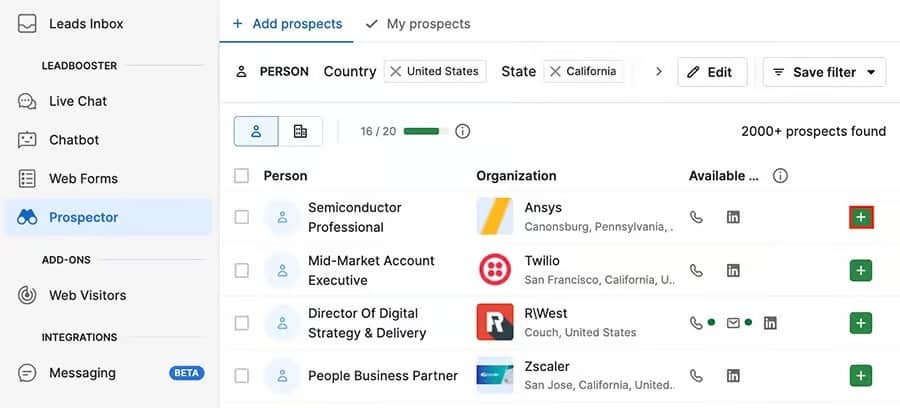
Pipedrive’s Prospector feature can streamline outbound prospecting. Based on your ideal customer persona, it searches a database of over 400 million business profiles and 10 million companies to provide your team with data and contact info for your most likely prospects.
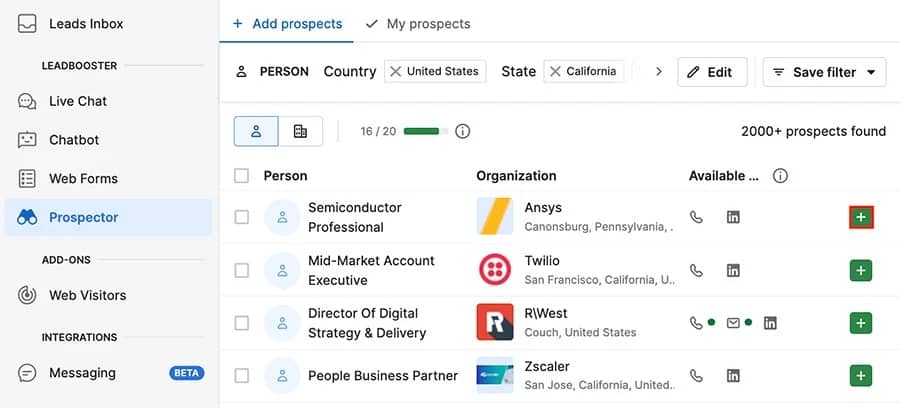
SaaS Sales Pipedrive Prospector

2. Lead qualification

The next step in the SaaS sales process is sales qualification. Not all leads are good fits for your company. Lead qualification helps you determine which ones fit your SaaS product and are sales-ready.

Often, organizations qualify leads according to the BANT framework, which stands for budget, authority, needs and timing.

Some questions you might ask include:

  • Do they have the required budget for your product?

  • Does your product meet their needs and solve their pain points?

  • Do you have access to decision-makers at their organization?

  • What is your prospect’s timeline for buying?

If a prospect meets at least three of these criteria, they’re likely a good fit for your company.

Depending on how specialized your product is, lead qualification might take more groundwork. For example, some organizations also perform needs analysis. At this stage, the sales team interacts with their prospects to fully understand their requirements, challenges and goals.

Usually, a SaaS sales rep conducts a discovery call with their prospect. During the phone call, they ask questions about their current processes and pain points. With this information, the rep can create a tailored sales pitch and demonstrate what their product can do.

How Pipedrive can helpPipedrive’s Leads Inbox provides a centralized hub for collecting and managing incoming leads before they enter the sales pipeline.

SaaS sales teams can customize leads with labels such as “cold”, “warm” and “hot” to tailor communication and prioritize leads most likely to convert.

Here’s an example of how the feature looks in action:

SaaS sales Pipedrive Leads Inbox

3. Product demonstration

Once you understand a prospect’s needs, it’s time to provide a detailed demo of your product’s features and functionality. Specifically, you want to show the prospect how it can help solve their problems.

There are two main ways SaaS companies demonstrate their products:

  • Live demonstrations. Salespeople meet with prospects either in person or virtually. For example, they might schedule a screen-sharing session to walk a prospect through the software, highlighting key features they find important.

  • Free trial periods. Many SaaS companies offer free trials so potential customers can get a feel for the software before buying. This strategy is effective because it allows customers to navigate the sales funnel. However, it’s often most effective when paired with great customer support.

Providing the perfect sales demo takes practice. Each sales demo should target a si​​ngle customer and leave room for questions, allowing you to showcase the product’s features in the context of the prospect’s pain points.

How Pipedrive can help

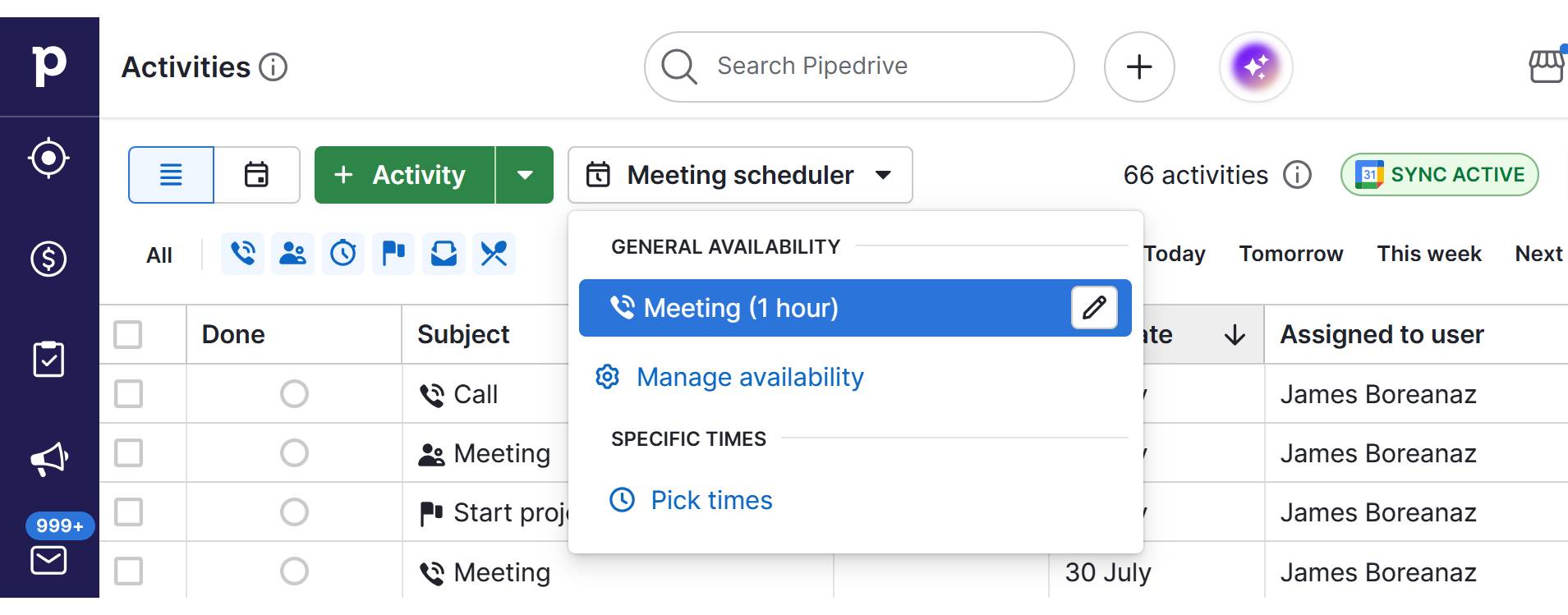
SaaS sales reps can use Pipedrive’s scheduling tools and app integrations to book live demos directly from the CRM. Pipedrive can also automate follow-ups to ensure prospects and active deals stay engaged.

Saas sales Pipedrive follow-up email automations

4. Closing deals

If the lead wants to move forward, it’s time to close the deal. This part of the sales process can differ depending on your product and target audience.

For B2C sales, customers will often take a free trial and then subscribe to the product on their own. Since they only need one subscription, the process is relatively straightforward.

However, the process can be much more complicated for B2B SaaS sales. In these cases, the sales team will usually prepare a sales proposal that outlines the pricing and terms and conditions of the subscription. The sales team then negotiates with the customer to find a mutually agreeable solution.

For example, the sales representative may present different pricing tiers and discuss contract length options based on the prospect’s budget and requirements.

The bigger the company, the longer this step will take. The sales team might have to convince multiple people or provide additional services, like large-scale onboarding or dedicated customer service agents.

The sales team will then secure the customer’s commitment. This final step involves finalizing the agreement, getting the necessary signatures and processing the payment.

How Pipedrive can help

Pipedrive’s Smart Docs can help seal the deal by centralizing the documentation process. The feature lets SaaS sales teams request signatures, get status updates and manage documents in one place.

5. After-sales service

In the SaaS industry, providing ongoing support after a sale is crucial. After closing a sale, many SaaS companies provide onboarding services. During this process, the company trains the customer to use their product effectively.

Training might involve:

  • Personalized onboarding sessions

  • Access to training materials, such as an in-depth knowledge base

  • Assistance with data migration from another service

Once the customer is actively using the SaaS product, the sales team might collaborate with customer success to reduce the churn rate. For example, they might make regular check-ins, address concerns and provide guidance to maximize the software’s value.

The sales team also plays a role in helping customers renew their subscriptions when the initial term is coming to an end. They might contact the customers, collect feedback and discuss options for renewing the current subscription.

How Pipedrive can help

Pipedrive’s sales reporting software makes it easy to monitor customer satisfaction, flag at-risk accounts and plan follow-up strategies. The feature presents key sales metrics in easy-to-view charts and tables and allows salespeople to generate real-time reports using custom fields and filters.

The two main SaaS sales models

There are two main sales models for SaaS companies: low-touch self-service and high-touch enterprise sales. The most suitable approach depends on the price of your product and your ideal customer.

While some of the bigger SaaS companies go for something in between, we recommend focusing on a single approach if you’re new to the scene. Read on for a quick explanation of each model to help you choose.

Note: You may have heard the term “transactional sales” in relation to SaaS selling. Transactional sales is another sales model that falls between the two mentioned here. It involves a short sales cycle and providing customers with quick onboarding, as well as a higher sales price, interactions with the company and some level of support.

Customer self-service

In a self-service sales model, customers discover, evaluate and purchase your product independently. The sales experience is mostly automated, and pricing, features and product information are available on your company website.

This sales model often includes support resources such as knowledge bases, FAQs and tutorials to help customers make a decision. In addition to this, customer support agents might be available to answer questions and resolve issues.

When to use a self-serve model

A self-serve sales model is best for low-cost products that are easy to learn and use. Customers need to understand whether or not your product fits their needs without personalized help from a sales rep.

Likewise, self-service models are better suited to target markets of either small companies or individual users. Larger companies will have more complex needs and more user seats, meaning a longer sales cycle and detailed negotiations.

Download our customer journey map template

Start mapping your customer journey with our free customer journey template.

Enterprise sales

The enterprise sales model focuses on selling to large companies with complex needs. It usually involves a more personalized and consultative selling approach. The sales process is also longer and often involves multiple decision-makers and stakeholders.

Under the enterprise sales model, companies typically have dedicated account executives or sales managers who engage with prospective customers. To guide these prospects through the SaaS sales funnel, they’ll conduct detailed needs analyses, provide custom demos and address specific needs and concerns.

Another key difference between enterprise sales and self-service is pricing. Under enterprise sales, pricing is based on the number of users, customized features and additional services. For this reason, it’s often not set in stone; instead, agreements are negotiated for each customer.

When to use an enterprise sales model

This sales model is most effective for software that is more specialized, complex and sold at a higher price. The more personalized approach helps convince prospects to make a purchase. It’s also necessary for them to get the most out of the product in the long term.

An enterprise sales model is also more effective for a target market of medium to large-sized companies where self-service isn’t an option.

Recommended reading

https://softwarestack.tech/wp-content/uploads/2025/03/SaaS-Sales.png

11 most effective B2B SaaS lead generation strategies for small businesses

6 high-level tips for boosting SaaS sales

If you’re new to SaaS sales, it’s crucial to develop a sales process that can scale with your business. Here are six key tips that will help streamline your sales efforts:

1. Know your product

When selling to new customers, you need to understand your product inside and out. Only then can you effectively communicate its value proposition, features and benefits.

The better you know your product, the more you’ll be able to:

  • Generate credibility and trust. In-depth product knowledge helps you answer questions confidently and address concerns. Customers will see this and see you as a credible source of information.

  • Tailor SaaS solutions to each prospect. Knowing your product will help you identify the most relevant solutions and features to highlight for each customer. You can then explain key capabilities and use cases that address each customer’s challenges and goals. You’ll also be able to find cross-sell and upsell opportunities.

  • Differentiate your products from competitors. The better you know your products, the more you can highlight their unique selling points. When a customer has an objection or mentions a competitor, you can easily position your product as the superior choice.

Many organizations provide sales training to keep their salesforce updated on products and provide reps with talking points. Salespeople can also study the specs and test the product to gain a working knowledge for reference.

2. Provide a transparent pricing model

Transparent pricing is crucial for several reasons. Firstly, when you provide a clear pricing model upfront, you build trust. Unclear pricing can imply hidden costs down the line, which can cause some customers to second-guess your offerings.

Secondly, transparent pricing helps align customer expectations with your offerings. It gives them a clear understanding of how much they’ll pay and what features they’ll get with their subscription.

Finally, a clear pricing model minimizes barriers to entry, which is especially important for a self-service sales model. When pricing is clearly communicated, customers can easily tell how affordable and feasible the product is, leading to a greater likelihood of conversion.

3. Monitor key SaaS sales metrics

Understanding and tracking key sales metrics can help you develop benchmarks and optimize your sales process. Here are three crucial examples for the SaaS industry.

Customer acquisition cost (CAC) is the amount of money it costs you, on average, to acquire a new customer. It includes all expenses from marketing, advertising and sales activities. To calculate CAC, you divide the total expenditure by the number of new customers.

For example, say you acquired 10 new customers in July and spent $1,000 on marketing and sales activities. Your customer acquisition cost is $1,000/10 = $100.

Customer lifetime value (CLTV) refers to how much revenue you can expect to generate from a single customer over their entire relationship with you. For SaaS businesses, CLTV takes into account the expected retention period and the cost of their subscription.

To calculate CLTV, you must multiply the average subscription value by the average customer lifespan. Say most customers stick with you for five years on your mid-tier plan, which costs $500 per year, your CLTV will be $500 x 5 = $2,500.

Bonus tip: By comparing your CLTV with your CAC, you can determine your efforts’ return on investment (ROI). In this case, the ROI will be $2,500 – $100, or $2,400.

Monthly recurring revenue (MRR), like annual recurring revenue (ARR), estimates the predictable revenue you can expect from your subscription-based customers. To calculate MRR, you need to multiply your number of active users by the average monthly revenue generated by each customer.

For example, say your monthly average revenue per customer is $50, and you have 1,000 active users. Your MRR will be $50 x 1,000 = $50,000.

4. Offer effective trial periods that convince prospects to invest

In the SaaS industry, it’s common for prospective customers to take a free trial but not purchase the paid plan. To address this challenge, SaaS companies must provide more effective trial periods followed by paid plans offering excellent value.

One strategy is to provide free trials with limited but meaningful access. This way, potential customers can get a feel for the software and access the core features without overwhelming them with too many options.

Likewise, providing personalized assistance during the free trial is important. The better a prospect gets to know your software, the more likely they’ll subscribe. For example, you could provide live chat support, onboarding calls and extensive user resources.

5. Provide personalized demos that convert leads into customers

To convince a prospect to buy your software, you must demonstrate its value. The best way to do this is with an interactive, personalized and impactful product demo.

Here are some tips to get the most out of your product demos:

  • Tailor the content to your prospect. Take time to research and understand your prospects’ needs so that you can position your product optimally. Collect case studies and SaaS sales examples illustrating how your software has helped similar customers.

  • Address key concerns. If you try to avoid concerns and objections, you’ll likely lose the sale. Instead, start the demo by addressing any key problems your prospect mentioned beforehand.

  • Provide time for questions. If you haven’t had a discovery call with your prospect, try incorporating some discovery questions to get to know them better. Likewise, leave time at the end of the demo to address any questions they have in return.

6. Use CRM software to nurture your customers

As mentioned above, customer relationship management software is crucial for managing customer data, prioritizing leads and optimizing sales activities.

Powerful CRM solutions like Pipedrive offer a suite of products and features that help you drive sales and maintain SaaS sales performance. These features include:

  • A centralized customer database. With Pipedrive, you can store and manage all existing customer data under one roof. Track and manage contact details, communication history and other notes, then use this information to make data-driven decisions.

  • Sales pipeline management. CRM systems like Pipedrive help you track leads and deals at various stages. You can also assign tasks, use workflow automations and set follow-up reminders, ensuring that no opportunities slip through the gaps.

  • Sales performance analysis. CRM solutions provide valuable insights and analytics on sales performance and other key metrics. For example, you can use Pipedrive to generate insights and reports and get visibility into conversion rates, recurring revenue and other key performance indicators (KPI).

Recommended reading

https://www-cms.pipedriveassets.com/SaaS-Account-Management.jpg

A complete guide to SaaS account management

Final thoughts

Selling software can be a challenge, and this is especially true when selling SaaS products. Between customer preferences, technology and increasing competition, the SaaS landscape is constantly changing.

Sales reps can use the tips outlined in this guide to build an effective SaaS sales strategy and maintain a competitive advantage.

Pipedrive’s CRM tools streamline customer data management, sales pipeline tracking and performance analysis. These tools help SaaS sales teams nurture leads and boost conversions with a centralized customer database. Try Pipedrive free for 14 days.


After the Live Event: 5 Ways to Turn One-Time Traffic into Long-Term Growth

Software Stack Editor · July 31, 2025 ·

The post After the Live Event: 5 Ways to Turn One-Time Traffic into Long-Term Growth appeared first on ClickFunnels.

You spend weeks getting traffic to your live event, summit, or product launch. Your big day hits, the numbers jump, and just like that, it’s over. Now what?

Without a funnel in place, all that traffic disappears. The clicks fade, the buzz dies down, and the momentum drops.

But it doesn’t have to. Turn that one-time surge into steady, ongoing sales with the right funnel strategy. Whether it’s a webinar, product launch, or live experience, the event itself is just the beginning. The real opportunity is what you do next.

In this blog, you’ll learn how to use your funnel builder to create an efficient event funnel that turns short-term traffic into a long-term system and keeps selling long after the buzz dies down.

  • 1. Turn Hype into Lasting Sales
  • 2. Capture Leads While Attention Is High
  • 3. Segment and Serve the Right Follow-Up
  • 4. Create a Post-Event Offer Stack
  • 5. Automate Your Event Funnel to Keep Sales Rolling In
  • Build Funnels That Keep the Momentum Going

1. Turn Hype into Lasting Sales

Special events can create visibility and momentum. However, they don’t create consistency. That is, unless you have built the right structure behind them.

A funnel helps you change all that, turning a one-time event into an ongoing income stream. While your event might draw people in with a strong hook, the funnel is what turns that interest into income. Without it, you chase traffic again and again. But with it, you build something that works on autopilot.

A good funnel doesn’t just capture attention, it extends it. It picks up where your event ends and carries that spike in interest on into a long-form sales journey, personalized for your audience.

2. Capture Leads While Attention Is High

The first step is lead capture. And it’s an essential step. You’ve already lost half the battle if your event doesn’t send people into an opt-in funnel.

Recognize your window of opportunity. The moment they finish your webinar, right after they grab that bonus, or as soon as the live stream ends, that’s your window.

Your audience is engaged. They’re curious. They’re primed. And that’s when you must drop them into a funnel. The type of funnel matters. You need one built to educate and nurture. Most importantly, it must convert.

Because if you wait? Your pumped-up audience cools off. They forget and get distracted. And you lose the momentum.

So build that follow-up funnel like it matters—because it does.

You need attention while it’s fresh, excitement while it’s high, and interest while it’s still warm. That means providing a clear call to action during the event that guides people to a lead magnet or follow-up offer. Use your funnel builder to create a responsive opt-in page in minutes and link it directly to your email automation.

3. Segment and Serve the Right Follow-Up

Not every event attendee is the same. Some show up out of curiosity, some are halfway sold, and others just need the right offer at the right time.

Segmentation becomes a powerful tool. Ask a few questions in the funnel: What brought them here? What’s their biggest challenge? What result do they want?

Use their responses to drop them into a relevant sequence. Your funnel builder should make this easy with smart tags, conditional logic, and branching automation.

Now your follow-up isn’t just one-size-fits-all. It’s personalized, relevant, and way more effective. That’s how you turn cold traffic into warm leads, and warm leads into paying customers.

4. Create a Post-Event Offer Stack

Once the event ends, people expect the energy to drop. That’s your opportunity to surprise them with a compelling post-event offer.

This could be:

  • A limited-time discount for attendees only
  • A product bundle based on what you presented
  • A course waitlist with an exclusive bonus for early action

The key here is to build urgency without pressure. Use your funnel to remind your attendees what they learned, show them what they can achieve, and position your offer as the next logical step.

You’re not just pitching a product. You’re continuing the experience and providing a way to keep the momentum going.

5. Automate Your Event Funnel to Keep Sales Rolling In

A single funnel does more than just follow up after your event. With the right automated marketing funnel, it becomes a complete customer journey engine.

Once someone opts in and sees your first offer, your funnel kicks off a sequence of upsells, emails, webinars, and product launches. Each step gives you insights so you can serve them better. From lead capture to checkout to automated follow-up, you build a system that sells whether you’re online or not.

Build Funnels That Keep the Momentum Going

Don’t let the momentum die after your event. Turn a one-day thing into a multi-month revenue generator. The proper funnel doesn’t just capture attention, it keeps your customers engaged and buying over time. Your funnel builder should help you build that funnel quickly and easily, so your business keeps growing without extra work. With the approach outlined above, you move from aspiration to activation and keep your customers coming back again and again.

Infographic

Hosting a live event, summit, or product launch can boost traffic and attention, but that momentum can fade quickly without the right structure. An effective event funnel is essential for capturing leads, nurturing relationships, and converting interest into long-term revenue. Learn more in the infographic.

5 Ways to Turn One-Time Traffic into Long-Term Growth Infographic

Book – Traffic Secrets

Thanks for reading After the Live Event: 5 Ways to Turn One-Time Traffic into Long-Term Growth which appeared first on ClickFunnels.

8 Best AI Prospecting Tools for B2B Sales

Software Stack Editor · July 31, 2025 ·

AI prospecting tools help small sales teams identify potential customers and reach out to them more effectively.

If you want to scale your team’s prospecting efforts, this guide will help you choose the right AI-powered solution.

You’ll discover eight top tools, learn about their standout features and find out how to get the best results from your chosen solution.

What AI prospecting tools do (and how they work)

AI prospecting tools use artificial intelligence to streamline outbound sales activities and help reps work smarter.

Think of using AI for sales prospecting like having a dedicated sales assistant for your team.

The software helps reps scale their outreach efforts and find the right prospects to target.

Here are some key functions the tools perform in startups and small sales teams.

Automate manual tasks across the sales process

AI prospecting tools deliver AI sales automation to eliminate the time-consuming, repetitive tasks associated with outreach sales.

Using machine learning and data enrichment, AI-powered sales prospecting tools can:

Some solutions go further by pulling in accurate, high-value information about your prospects from external sources. This data includes job titles, company details and verified contact details.

Improve lead generation with AI-powered insights

Another common use case for AI prospecting tools is helping sales reps identify better leads who match their product’s ideal customer profile (ICP).

The software measures intent signals using sales intelligence and third-party datasets to identify prospects who are most likely to engage.

Some platforms use predictive analytics to rank potential leads or highlight the best converting segments. These insights boost sales by allowing small teams to spend more time on high-quality prospects and less time pursuing cold leads.

Support sales reps with AI assistants, agents and chatbots

AI prospecting tools can support sales reps during outreach by acting as real-time assistants. Features like AI agents and chatbots help reps generate talking points. AI assistants can also recommend follow-ups based on previous interactions.

During live sales calls, AI agents can surface real-time insights – like buyer intent signals – to help reps personalize their approach. This support can help improve customer conversion rates and move salespeople closer to closing deals.

Recommended reading

https://www-cms.pipedriveassets.com/Pipedrive-Sales-strategy-13.jpg

How to build a winning sales strategy (examples, definitions and more)

8 top AI prospecting tools to try in 2025

Here are the eight best AI prospecting tools for sales teams and a summary of their standout features.

App

Standout features

Pipedrive

  • CRM-first approach with AI-assisted lead enrichment

  • Automated sales outreach and campaign management

  • Scalable solution ideal for small teams

Apollo.io

  • AI-powered lead scoring and real-time contact enrichment

  • Personalized email sequences with detailed analytics

  • Integrates smoothly with Pipedrive’s sales CRM

Seamless.AI

  • Live contact data with real-time intent signals

  • Accurate lead lists are updated continuously

  • Integrates smoothly with Pipedrive

Cognism

  • B2B lead generation and data enrichment

  • Verified contact info, including emails and phone numbers

  • Focus on compliant global outreach for enterprise sales teams

Clay

  • Flexible data enrichment tailored for SDRs

  • Automated workflows to improve productivity

  • No-code setup allows reps to get started quickly

Lavender

  • AI email assistant providing real-time feedback

  • Optimizes cold email subject lines and email content for better response rates

  • Integrates with Gmail and Outlook for smooth email workflows

LinkedIn Sales Navigator

  • AI-guided prospecting powered by LinkedIn data

  • Helps reps identify and target B2B decision-makers

  • Integrates with Pipedrive via Zapier

ChatGPT

  • Generates personalized messages and follow-up templates quickly

  • Creates SDR scripts and outreach cadences tailored to target audiences

  • Flexible AI tool adaptable to many prospecting scenarios

Now that you have some insight into the best AI prospecting tools, let’s look at each in greater detail.

1. Pipedrive

Pipedrive’s AI CRM offers a CRM-first AI prospecting solution for small teams aiming to scale their sales workflows.

Prospector is a unique AI-powered database that’s part of Pipedrive’s LeadBooster add-on. It makes prospecting faster and more effective, using verified contact details for over 400 million profiles and 10 million companies.

You can narrow large lists down in seconds using filters like job title, location and industry.

AI prospecting tools Pipedrive Prospector list filte

LeadBooster is available in the Premium and Ultimate Pipedrive plans.

Campaigns, Pipedrive’s AI-assisted email marketing software, enables users to create tailored email sequences directly within the CRM.

The AI email management tool uses lead data and previous interactions to suggest personalized email content. Automation handles follow-ups and tracks engagement, so reps know when to reach out next.

Once enabled, Pipedrive’s AI email writer is available in any email composer within the software. Simply open the composer and select “Write my email”

AI prospecting tools Pipedrive AI email write

The software will display a prompt with fields for content, tone and length.

AI prospecting tools Pipedrive Generate email

Select “Generate email”, and an AI-generated content suggestion will be ready to review after just a few moments.

Pipedrive is a powerful AI prospecting tool for small sales teams that value speed and simplicity. The all-in-one CRM combines AI-driven lead generation, data enrichment and email automation in a single, intuitive platform.

2. Apollo.io

Apollo.io combines AI-powered lead scoring with contact enrichment. This functionality allows sales teams to focus their efforts on prospects who are most likely to convert.

The platform continuously updates lead profiles with fresh data such as company size, role changes and intent signals.

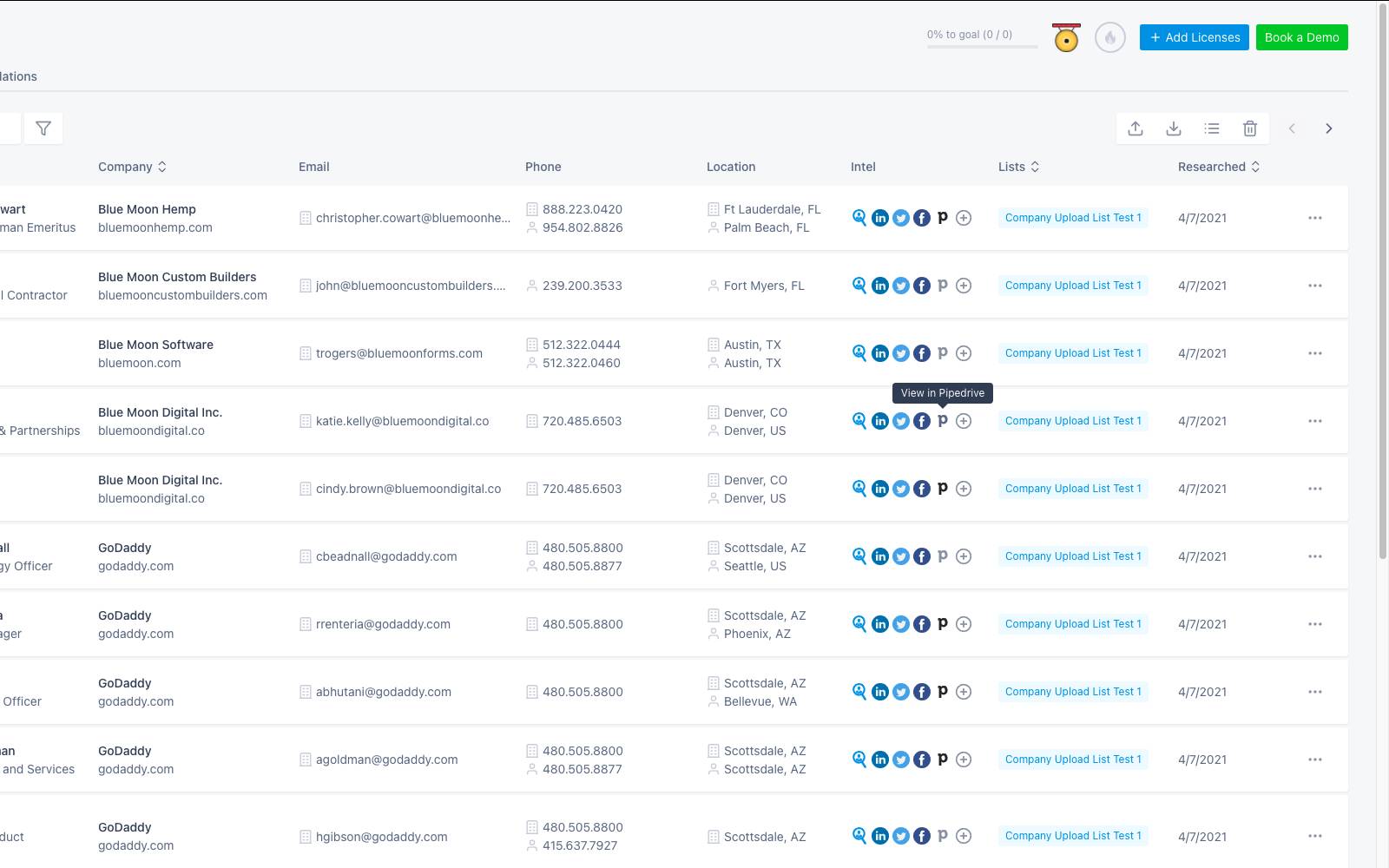
AI prospecting tools Apollo.io lead scoring

As a result, reps can be confident their outreach is timely and relevant.

Apollo integrates with Pipedrive for seamless data flow and unified sales pipeline management.

The integration can automatically push records from Apollo.io into Pipedrive based on a specific deal stage. For example, you can instruct the AI to add Apollo.io contacts to Pipedrive once reps categorize them as qualified leads.

3. Seamless.AI

Seamless.AI combines real-time contact data with intent signals to help sales teams identify potential buyers and prioritize high-quality leads.

The platform’s algorithms scan the web in real time to enrich and verify your lead lists. Seamless.AI integrates with Pipedrive to display this data in your CRM.

AI prospecting tools Pipedrive Seamless.AI integration

Seamless.AI uses intel from social media platforms and integrated CRMs to signal prospects’ buying intent. Sales leaders can choose from thousands of intent signals to create tailored insights for their teams.

Crush your manual admin with this sales automation guide

Learn how to take advantage of new sales automation tech so you can spend more time selling

4. Cognism

Cognism is a lead generation platform that helps B2B sales teams find verified contact data, including phone numbers and emails.

Its AI-powered lead enrichment and real-time data verification tools reduce bounce rates and improve outreach performance.

Cognism’s intent score feature highlights prospects who show active buying signals. This insight helps sales teams prioritize leads more effectively.

AI prospecting tools Cognism intent score

Cognism provides accurate, up-to-date prospect profiles for better customer segmentation and personalized outreach.

5. Clay

Clay offers flexible data enrichment combined with automated sales tasks for sales development reps (SDRs). It merges multiple data sources to segment prospects by company size, role and customer behavior.

Clay sends bundled Slack messages summarizing customer signal activity, helping reps stay informed.

AI prospecting tools Clay signals digest

The platform’s automation features support tailored outreach based on lead actions or timelines, keeping communication timely and relevant.

Clay’s no-code setup and intuitive interface enable small teams to get started quickly.

6. Lavender

Lavender functions as an AI-powered email assistant for sales teams. The platform analyzes email drafts to provide real-time feedback on areas like tone and clarity.

Using past data, Lavender scores emails by forecasting the likelihood of a response. The tool also offers actionable suggestions on subject lines, phrasing and message length.

AI prospecting tools Lavender suggestions

This feedback helps salespeople optimize their outreach messages before pressing send.

Lavender also integrates with Gmail and Outlook. This integration allows reps to draft and refine emails directly within their existing workflows.

7. LinkedIn Sales Navigator

LinkedIn Sales Navigator is an AI-powered sales engagement tool. It supports social selling by helping reps find and engage with the right decision-makers.

The tool uses AI and intent data to surface high-fit leads. It offers advanced search filters and real-time alerts on prospect activity.

AI prospecting tools LinkedIn Sales Navigator

Sales teams can use LinkedIn Sales Navigator to:

  • Build and manage lead lists

  • Track prospects’ job changes

  • Engage directly with leads via InMail, LinkedIn’s instant messaging platform

Integrating LinkedIn Sales Navigator with your CRM allows you to save accounts as new contacts with a single click. You can use Zapier to connect the tool to Pipedrive.

8. ChatGPT

Sales professionals can use ChatGPT for sales. The tool can generate cold emails, LinkedIn messages and SDR scripts in seconds.

The generative AI behind ChatGPT helps reps personalize their outreach and prepare for conversations with prospects.

Here are some examples of ChatGPT prompts to use for sales outreach:

1. “Write a compelling cold email template for introducing our [product/service].”

2. “Generate a LinkedIn message for [insert profile] to engage this potential customer.”

3. “Create a script for a cold call to a prospect in [specific sector].”

4. “Suggest subject lines for an email campaign targeting [target audience].”

5. “Draft a follow-up email for prospects who have shown interest in our [product/service].”

6. “Provide tips for crafting a personalized Instagram message to connect with this potential client: [add link].”

ChatGPT is a flexible, accessible tool for sales teams looking to improve the quality and efficiency of their outreach.

Recommended reading

https://www-cms.pipedriveassets.com/Manage-sales-team.jpg

How to manage a sales team effectively: A complete guide

How to choose the right AI prospecting tool for your sales team

If you’re unsure which AI prospecting tool would best fit your sales function, consider the following factors and key features as you weigh your options:

What to evaluate

Why it matters

Time-saving functionality

Use sales data to identify time-draining tasks in your sales process, like lead qualification or email writing. Choose AI sales tools that automate those steps while surfacing actionable insights.

CRM compatibility

Look for tools that sync with your CRM. This integration will reduce manual data entry, keeping your pipeline clean and sales reporting accurate.

Ease of use for small teams

Prioritize platforms with intuitive UX and minimal setup. Look for ready-to-use features like templates and automation triggers.

Potential ROI

Evaluate pricing based on team size and outreach volume. Choose tools that save time and scale with your sales efforts.

Now that you know how to identify the right AI prospecting tool, let’s explore how to use the software to its fullest potential in your sales process.

Spend More Minutes Selling With These Time Saving Sales Hacks

Take control of your workday with these time saving sales tactics that will focus your meetings and calls, and help you tackle admin tasks.

4 best practices for using AI in sales prospecting

Here are four best practices for getting maximum value from your AI prospecting tool.

1. Remember that personalization needs the human touch

AI can quickly draft cold emails or message templates, but email personalization is often what gets replies.

After generating a message with AI, add one to two specific details that show you’ve done your homework, like referencing a recent funding round, product launch or industry shift.

For example:

Instead of sending:

“Hi Sarah, I help companies like yours optimize their tech stack.”

Try:

“Hi Sarah, I saw your team just rolled out a new analytics platform – congrats! I help scaling fintech teams streamline their tools without losing visibility.”

A relevant, timely message feels human, builds trust and is more likely to start a real conversation.

2. Maintain accurate lead data with AI enrichment features

Most AI prospecting tools use real-time data enrichment to keep contact details, job titles and company info current. Ensure your tool is integrated with your CRM correctly, with the enrichment features switched on. That way, you can be sure your team always works with the freshest data.

These steps reduce the risk of emails bouncing and promote positive customer interactions during prospecting activities.

For example, a contact’s job title might change from “Head of Marketing” to “CMO”. In this scenario, a sales rep could open a conversation by congratulating the contact on their new role.

3. Align AI tools with your outreach cadence

AI prospecting tools work best when they follow the rhythm of your sales cycle. Start by mapping out your typical outreach sequence, including when your team:

Then configure your AI tool to match that cadence.

For example, you might use automation to send timely follow-ups and support manual outreach when required.

Schedule an AI-generated “just checking in” email three days after no reply. If there’s still no response by day five, set a reminder for a rep to follow up with a LinkedIn voice note or phone call.

4. Track the tool’s performance and iterate

AI prospecting tools give you access to sales performance data that can help reps move customers through the sales funnel.

Monitor sales metrics like open and reply rates, conversion rates and pipeline value. Use this data to refine your targeting, test different messaging and double down on what’s working.

For example, you might compare how value-driven messages perform against pain-point-driven communication as follows:

“Cut project delivery times in half with our all-in-one platform.”

Vs.

“Tired of missing deadlines and juggling multiple tools?”

If the first type of message gets more replies from your target customer persona, place more emphasis on your product’s value proposition in your future outreach.

While following best practices is important, knowing how to avoid common mistakes is equally critical.

Recommended reading

https://www-cms.pipedriveassets.com/AI-for-small-business-guide.png

AI for small business guide: how to work smarter

Common pitfalls to avoid when adopting AI prospecting tools

The same mistakes frequently prevent sales teams from making the most of AI prospecting software. Here are the most common missteps and how to avoid them:

Pitfall

How to avoid it

Choosing tools with no CRM integration

Verify the tool supports seamless CRM integration to ensure customer data syncs automatically, preventing manual updates and keeping your pipeline accurate.

Failing to consider setup time

Prioritize solutions with fast onboarding, clear documentation and ready-to-use templates to minimise delays in getting started.

Investing in unnecessary features

Select platforms that allow you to tailor your subscription so you pay only for features aligned with your sales goals.

Overlooking GDPR and data compliance

Confirm your preferred AI prospecting tool is GDPR compliant and follows all relevant data privacy regulations when handling customer data.

Relying too heavily on automation

Use AI to draft and scale outreach, but always review and personalize your messages to maintain relevance and trust.

Avoiding these common pitfalls helps your team remain efficient and compliant as they use AI prospecting tools.

Download Your Guide to Preventing 5 Common Sales Mistakes

Always say the right thing with this guide to avoiding the frequently-made sales conversation mistakes.

Final thoughts

AI prospecting tools can give small sales teams a powerful edge when identifying and reaching out to potential customers.

Choosing the right solution for your sales team can make prospecting a key driver of revenue growth in a startup or a scaling small business.

Ultimate Digital Sales Guide for SMBs

Software Stack Editor · July 30, 2025 ·

Selling has moved online, and many small business owners worry they’re falling behind. Traditional sales methods still work, but they’re no longer enough on their own.

A digital sales strategy helps you find buyers, build relationships and close more deals online. You keep doing what you’re good at, but technology enables you to reach more people and work more efficiently.

In this article, you’ll learn what digital sales means and how to build a winning strategy. You’ll also see how Pipedrive helps you transition and boost your sales outcomes.

What is digital sales?

Digital sales means using the internet and online tools to find and sell to customers. Instead of phone calls or sales meetings, you use websites, social media, email and software to make sales.

These tools handle repetitive tasks, organize customer information and help you stay in touch with sales prospects.

The main components of digital sales include:

How you use these tools depends on whether you sell to individual customers or other businesses.

Businesses selling to customers (B2C sales) use digital tools for quick sales, while companies selling to other businesses (B2B sales) use them to build long-term relationships with decision-makers.

These parts work together as your digital sales system. Combining them will make you grow your business faster than using in-person methods alone.

Recommended reading

https://www-cms.pipedriveassets.com/blog-assets/sales-trends-decade.jpg

12 sales trends to track over the next decade

5 key benefits of a digital sales strategy

Digital sales make you more effective by giving you better information about your customers and more ways to reach them.

Here are five ways a digital sales enablement strategy benefits your business.

1. Reach more customers, faster

Digital sales break down geographical barriers. You connect with potential customers beyond your local area without travelling or opening new physical locations.

With a broader reach, your sales organization can find more opportunities.

Pipedrive in action: Ari Motors used Pipedrive’s automations and lead generation features to bring its electric cars to customers all over Europe. With Pipedrive, Ari Motors could handle more customers and quickly increased sales by 10 times.

Instead of limiting yourself to walk-in customers, you serve clients and sell products through digital platforms. Think of a consulting firm that now works with clients via video calls and digital contracts.

Geographic limitations no longer constrain your sales potential.

2. Understand your customers and provide better solutions

Simple marketing metrics like email clicks and website visits help you understand your customers’ buying habits and what content they respond to. This information helps your team offer customers the right solutions.

An e-commerce retailer, for example, can track popular product pages and send targeted offers for those items.

Pipedrive in action: Leni, Leon & die Luchse overhauled its workflow with Pipedrive to better manage leads and customer data. With centralized information, its sales reps had clearer insights into customer needs and could tailor outreach more effectively.

Every click, view and interaction tells you something valuable about your prospects, revealing patterns in customer behavior that were previously invisible.

3. Boost sales team productivity

For small teams, every minute counts. Digital sales tools automate day-to-day tasks, freeing up your time for higher-value activities.

An automated email series nurtures leads while your team focuses on closing sales. CRMs remind you when to follow up, ensuring no opportunity falls through the cracks.

A real estate agent might use automated scheduling software to book property viewings, while marketing automation sends updates about new listings to interested buyers.

Pipedrive in action: Hanse Mondial could process twice as many leads without needing more staff. Its sales team could work five times faster thanks to Pipedrive’s automations and smart integrations.

Smart tool investments pay for themselves through eliminated overhead costs. When technology handles repetitive work, your team can focus on closing deals.

4. Reduce sales costs (and increase profitability)

Tools require an initial investment, but a good digital selling plan saves you money in the long run.

Small businesses save expenses on travel, printing marketing materials and maintaining physical office spaces.

For example, you can showcase your product portfolio online instead of printing brochures. Likewise, you can use video calls for client meetings rather than travelling across town for every consultation.

Pipedrive in action: Visionair Media saved 75% in CRM costs by switching to Pipedrive. Its transition during the COVID-19 pandemic helped streamline operations and reduce overall costs, showing how the right tools can boost profitability.

Digital operations eliminate many traditional overhead expenses that drain profit margins. The financial benefits extend far beyond the initial tool investment.

5. Improve the customer experience

Digital shopping is often faster, more convenient and more consistent than in-person shopping. Customers can reach you easily through their preferred channels and get quick responses.

Online booking systems let customers schedule appointments outside business hours. Live chat on your website answers questions instantly instead of making people wait for phone calls.

This convenience builds customer loyalty.

Pipedrive in action: DashThis used Pipedrive to create an unbeatable customer experience (CX). With a clear view of its sales pipeline, DashThis could provide better service and reduce customer churn rates.

Modern customers expect convenience and instant responses across all touchpoints.

Rather than forcing customers to call during business hours or wait days for responses, you provide immediate assistance and 24/7 access to your services.

How to transition to digital sales (and how Pipedrive helps)

Moving to digital sales can seem like a massive project, but it’s achievable when you break it down into clear steps.

Follow this roadmap to build a powerful digital sales system for your small business.

1. Map your starting point and pick a target

Before building something new, you need a blueprint of what you already have. A quick check-up helps you see what’s working, where you get stuck and what tasks take the most time.

Start by mapping out your entire customer journey, from when a person first hears about your company to the final sale. Ask yourself:

  • Where do your leads come from now?

  • What’s your average sales cycle?

  • Where do deals tend to fall through?

  • Which tasks take up the most time?

Next, examine digital sales data and check metrics like your conversion rate, time-to-close and win/loss ratio. If you’re not tracking these, now’s the time to start.

Once you understand your baseline, you can set meaningful goals, which might include:

Sales goals

What you want to achieve

Goal #1

Shorten the sales cycle by automating lead follow-up

Goal #2

Improve response time using live chat or email sequences

Goal #3

Increase conversion rates through better lead qualification

Goal #4

Grow total sales by expanding into new online channels

Use the SMART framework to make your sales goals specific, measurable, achievable, relevant and time-bound.

How Pipedrive helps

Pipedrive’s visual pipelines help you map your current sales process. Create stages matching the steps you take to close a deal and get a quick workflow overview.

Digital sales Pipedrive visual pipelines

You can create a new pipeline to test your digital sales ideas and see how they compare to your old methods.

Pipedrive also helps you set and track goals. With Pipedrive’s Activities and Goals feature, you can measure team performance on activities, revenue, deals won and more.

Set a goal like “close 10 deals from social media leads per month” and Pipedrive will automatically update you on your progress, so you know how close you are to hitting the target.

2. Choose the proper digital channels

You don’t need to be on every social media platform or run ads everywhere. The key is to be present on the channels where your ideal customers spend their time.

First, define your buyer persona by thinking about your best customers:

  • Where do they go to research solutions? (e.g., Google, YouTube, LinkedIn)

  • What kind of content do they engage with? (e.g., short videos, detailed blog posts, podcasts)

  • How do they prefer to communicate? (e.g., email, chat, texting apps)

When you have a solid understanding, match your channels to customer behavior:

Digital channel

What it’s best for

Email

Nurturing leads, re-engaging past prospects and follow-ups

Social media

Building brand awareness, sharing content and engaging with customers directly

Live chat and messaging apps

Providing instant customer support and answering pre-sale questions

Search engine optimization (SEO)

Attracting web traffic and educating leads about your offerings

Video and webinars

Demonstrating expertise and building trust for high-value sales

You can pick more than one, but you should prioritize based on your audience and goals.

For example, a B2B digital sales firm might focus on LinkedIn and email nurture sequences, while a direct-to-consumer product brand might focus on Instagram, TikTok and website chat.

Start with one or two channels you’re confident your audience uses. Build a presence, test your messaging and track your results.

Once you’re seeing consistent engagement, consider adding more.

How Pipedrive helps

Pipedrive helps you capture leads from the channels you choose. Add Pipedrive’s LeadBooster feature to your plan and engage visitors from multiple digital entry points:

  • Chatbot. Greet website visitors, qualify them and capture lead info.

  • Web Chat. Let your team answer questions in real time.

  • Web Forms. Add lead-capturing forms to landing pages or blog posts.

  • Prospector. Discover and contact verified outbound leads based on ideal criteria.

You can also integrate your CRM with popular tools like Facebook Ads and LinkedIn forms to pull leads straight into Pipedrive.

3. Build your digital sales toolkit

Your tools are the engine of your digital sales strategy. A well-chosen toolkit supports the core activities your team performs every day.

Here’s a breakdown of what you’ll need to do and the tools that can help at each step:

Sales task

Tools that integrate with Pipedrive

Capturing and qualifying leads

  • Capture leads through chat and web forms with LeadBooster

  • Sync marketing forms and track submissions with Jotform

Tracking interactions and deals

  • Manage deals and contacts with Pipedrive’s CRM

  • Track tasks and to-dos by syncing with Trello or Asana

  • Get real-time sales updates in Slack or Microsoft Teams channels

Communicating with prospects

Automating follow-ups

  • Trigger emails and tasks with Pipedrive’s automations

  • Connect apps and workflows with Zapier

Generating quotes and proposals

Analyzing performance

Start small and focus on tools that reduce manual work, talk to each other and scale with your team.

How Pipedrive helps

Pipedrive is the central hub of your digital sales toolkit. A lot of what you need is already built in or available as add-ons.

If you rely on other tools, you can easily connect them. Pipedrive integrates with hundreds of apps on the Pipedrive Marketplace, so they sync data without adding to your team’s workload.

Digital sales Pipedrive app marketplace

For example, say a lead fills out a form on your website. The form sends this info to Pipedrive, which creates a deal and sends your team a notification – no manual data entry required.

Pipedrive brings your sales stack together so you spend less time switching tools. This approach keeps your system lean.

Recommended reading

https://www-cms.pipedriveassets.com/Best-AI-sales-tools-and-techniques.png

AI sales tools and techniques you need to know in 2025

4. Create content that sells for you

Good content draws customers in. Instead of cold calling, you offer help first and build trust.

By sharing your expertise, you stay top of mind until they’re ready to take the next step and make a purchase.

Start by answering your customers’ most common questions:

  • Create short blog posts or how-to guides

  • Record simple videos explaining how your product or service solves a specific problem

  • Develop a customer story or testimonial showing how you helped another customer succeed

  • Offer a downloadable checklist or template in exchange for an email address

If you’re a service business, you might attract leads with a blog post and follow up with an email series that leads to a consultation. If you sell products, you might guide people from a how-to video to a sales demo or call.

Share this content on the digital channels you chose in step two. The goal is to be helpful and earn your target audience’s attention.

How Pipedrive helps

Pipedrive manages the leads your marketing content generates. You track what content a lead has seen by adding it to their notes or using custom fields.

If someone downloads your pricing guide, that’s a sign they’re considering buying. Your sales team sees that in the lead’s profile and follows up accordingly.

Digital sales Pipedrive customer notes

You can also build simple email flows that send helpful content to new leads over time.

For example, after someone fills out a form on your site, you can send them a case study. A few days later, you send a short “how it works” video, then a reminder to book a call.

5. Mix your digital and traditional sales strategies

As you move into digital sales, don’t overlook your offline sales. Your best results come when digital tools support the relationships your team already has.

Think about how digital and traditional sales tactics work together:

  • Use email to warm up a lead before you make a phone call

  • Use a scheduling tool to let prospects book a meeting without back-and-forth emails

  • Follow up a face-to-face meeting with a digital summary and relevant resources

Make sure your customer data flows between digital and traditional channels. When information is scattered, customers end up repeating themselves, which hurts trust.

How Pipedrive helps

Pipedrive gives you a 360-degree view of every contact. You can sync your email to track conversations and log notes in each deal or contact profile.

You can also use the built-in Scheduler feature to let prospects book meetings in your calendar. It creates an activity for the meeting and links it to the correct contact and deal, bridging your digital and traditional sales efforts.

Digital sales Pipedrive Scheduler tool

With Pipedrive’s mobile app, your team can update deals and customer info in real time, even when visiting clients or at events.

6. Put repetitive tasks on autopilot

Automation is your secret weapon for scaling your small business. It handles the time-consuming admin work, freeing your sales professionals to focus on building relationships.

Beyond just saving time, automation creates a more consistent customer experience. You can handle more leads with the same team, making your business more profitable.

To start, look for patterns in your daily work, using these two components:

  • Triggers. An event that kicks off an automated process, like adding a new lead or moving a deal to a new stage.

  • Actions. What you want to happen after a trigger occurs, like sending a notification or creating a task for a team member.

Start by automating simple tasks like sending a welcome email to every new lead from your website – then build more automations as you need them.

How Pipedrive helps

Pipedrive’s Automations feature lets you build trigger-and-action rules without coding.

Digital sales Pipedrive workflow automation

One everyday use case is preventing deals from going cold. Create a rule that says, “If a deal has had no new activity for 10 days, create a high-priority task for the deal owner to check in.” That salesperson will get a notification, preventing deals from slipping away.

This feature can automate nearly any task in your sales cycle, such as lead assignment, email sequences and deal stage updates.

7. Use data to make smarter sales decisions

Tracking your results helps you make smart business decisions and focus on what works.

Start with a few key performance indicators (KPIs) that give you a high-level view:

Digital sales KPIs

Questions to ask

Deal metrics

What is your average win rate and sales velocity? What is the average size of a won deal?

Activity metrics

How many calls, emails or meetings does it take to win a deal? Is your team putting in enough effort?

Lead source performance

Which of your sales channels are generating the most valuable leads?

Look for trends and find reasons for them. The answers will highlight your most significant sales opportunities.

For example, say deals are stalling at the proposal stage and you think a better proposal template and follow-up will help.

Implement the change, then go back to step one and measure the impact. The goal is to create a continuous improvement loop: measure, analyze and optimize.

How Pipedrive helps

Pipedrive’s Insights and Reports dashboards help you optimize sales performance. You can move beyond simple data and get actionable insights.

Use the main dashboard to see your win rate, loss rate and deal velocity. Filter by different periods to identify trends and spot where deals are stuck in your pipeline.

Digital sales Pipedrive Insights dashboard

Create reports to see the volume of activities your team is completing. Compare activity metrics (e.g., calls made) with performance metrics (e.g., deals won) to see which activities lead to the best results.

You can also use reports to analyze lead source performance. If you see that leads from Google Ads have a 25% conversion rate, while trade show leads only have a 5% rate, you know to focus on Google next time.

Get organized with your free sales pipeline excel template

Looking for a more streamlined way to manage your sales? Download this free sales pipeline template and test it out now.

Digital sales FAQs

  • It varies, but businesses can often see early wins within the first month.

    Building a fully optimized system that generates sales often takes a few months of consistent effort.

  • Absolutely! Many digital sales strategies are cost-effective.

    Tools like Pipedrive have affordable plans for small businesses, ensuring you have a professional toolkit without a significant upfront investment.

  • A CRM system is the most essential tool for digital sales. It acts as the brain of your entire operation, storing customer details, tracking leads and automating communication.

    Everything connects back to your CRM.

Final thoughts

A strong digital sales strategy transforms how you do business. It helps you reach more customers, understand their needs and save valuable time.

Start small, stay organized and build momentum from there.

See how Pipedrive brings your entire digital sales process together in one place. Start your free 14-day trial to find more leads, streamline your workflows and close deals faster.

The Essential Sales Enablement Guide

Software Stack Editor · July 30, 2025 ·

Effective sales enablement doesn’t require a big budget or a large team. In fact, aligning your SMB is easier than you might think.

In this post, you’ll learn how to create a five-step sales enablement strategy that helps you close more deals with less effort. You’ll also get tips on hiring the right sales enablement manager for your company.

What is sales enablement?

Sales enablement involves creating and gathering content and tools that help your company sell products effectively.

These resources include pitch decks, how-to guides, onboarding documents, sales training cheat sheets, digital tools and more.

For example, Pipedrive’s website features case studies that explain how real-world companies use its customer relationship management (CRM) platform:

Pipedrive Case Studies

The sales team can search keywords and send specific links to companies that want to see how others have successfully improved win rates and shortened buying cycles.

Usually, marketing and sales create a mix of internal and customer-facing assets to move leads closer to a purchase.

Typical types of assets include:

You don’t need to create all of these assets at once. Many SMBs start with a few core items (like a playbook, case study and a one-pager) and build from there.

Let’s say one of your reps finishes a sales demo with an interested prospect. On the call, the prospect asked how similar companies use your product and how they’d integrate it into their systems.

With a sales enablement strategy, salespeople can access a shared knowledge base full of marketing content.

Within five minutes, the rep can pull three or four relevant case studies and email them, along with a PDF explaining how to integrate the product using an API.

Recommended reading

https://www-cms.pipedriveassets.com/B2B-sales-enablement.png

The SMB guide to effective B2B sales enablement

What are the data-backed benefits of sales enablement?

Creating a structured sales enablement strategy improves customer experience (CX) and drives real business results.

SMBs use the strategy to close deals faster, offer consistent messaging and make the most of limited resources.

Here are three of the top data-backed benefits.

1. Faster deal cycles

Sales enablement streamlines access to content, tools and data so reps can respond faster and keep deals moving.

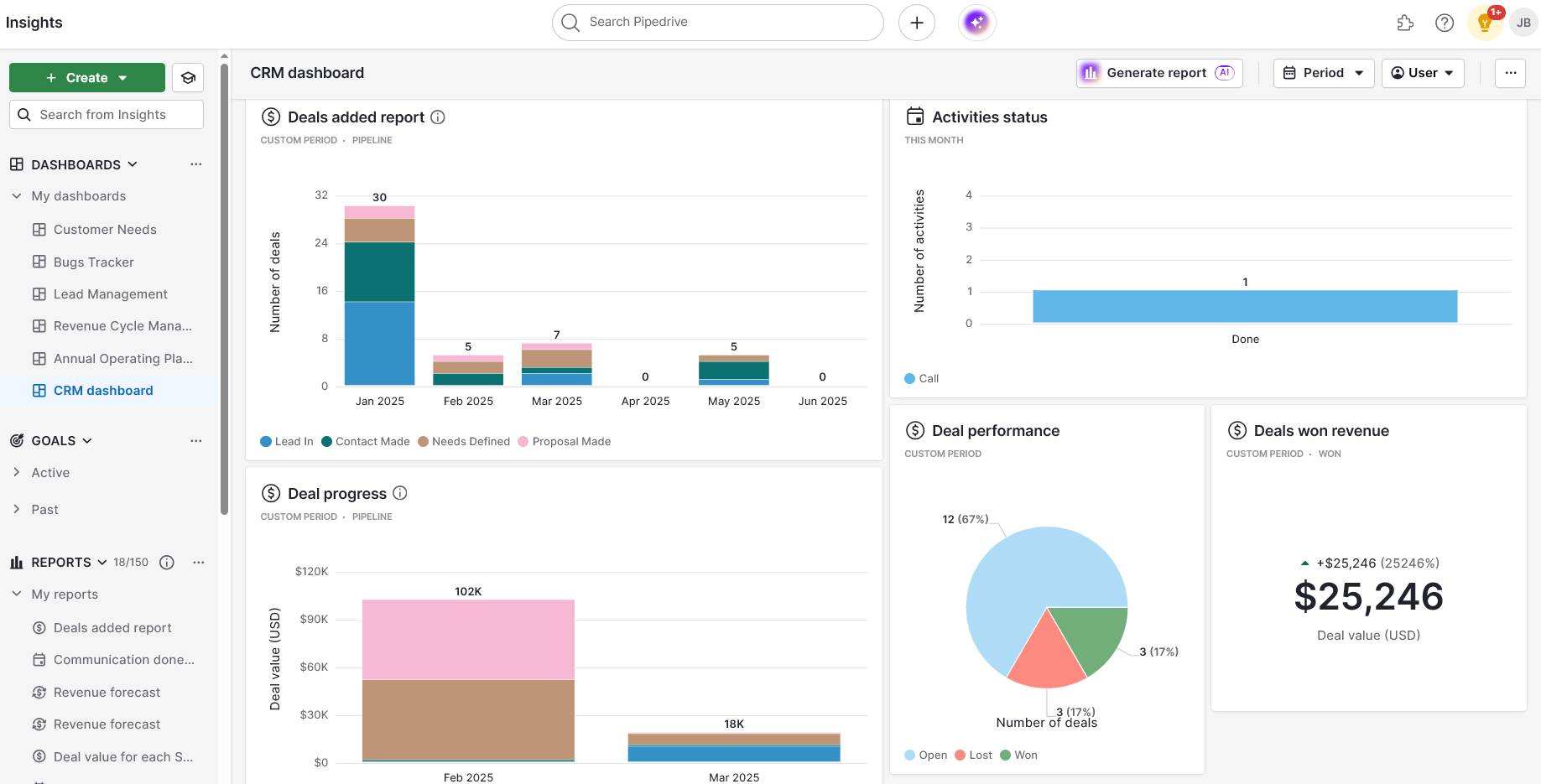
Speed is everything for lean SMB teams, and the right technology makes that speed possible. According to recent Highspot research, 72% of executives agree that AI-powered enablement improves performance and sales productivity.

Let’s say a small software company uses AI to analyze buyer personas and create personalized sales pitches.

Reps spend less time digging for relevant materials, and buyers get what they need faster to make quicker decisions. This technology cuts the average sales cycle duration from 30 to 18 days.
2. Higher win rates

When all sales materials, training and insights live in one place, reps stay aligned and focused on what works.

That consistency means fewer missed opportunities and more repeatable success. According to Highspot’s research, companies using a unified sales enablement platform are 80% more likely to increase win rates.

Imagine a logistics firm rolls out a centralized content management system (CMS). As all reps now refer to the same top-performing messaging, prospects hear clearer, more consistent value propositions across the board.

That consistency builds trust and reduces confusion, so buyers feel more confident and close rates increase by 15% in a quarter.

3. Consistent sales performance

Sales enablement ensures that new and experienced reps follow proven playbooks and get continual training.

When onboarding is faster, sales professionals will hit their stride sooner. The study cited above shows that data-driven sales enablement training (which uses real performance metrics like call outcomes or content usage to tailor coaching) makes companies 36% more likely to decrease sales rep ramp-up time.

For example, say a cybersecurity startup cuts new hire onboarding from 90 to 60 days by giving reps access to recorded calls, objection-handling guides and live shadowing tools. These strategic materials streamline the learning process and build competence quickly.

Recommended reading

https://www-cms.pipedriveassets.com/Performance-Objectives.png

How to use performance objectives to achieve business success

How to create a sales enablement strategy: 5 best practices

Effective sales enablement relies on giving your team every tool and asset they need to close a deal.

There’s no one-size-fits-all approach to developing a strategy. It’ll look different depending on your product, company and industry. However, there are some common steps every brand can follow.

Here are five sales enablement best practices to create a formula that drives more sales.

1. Audit your current sales funnel

Before you improve your sales enablement, it’s important to understand what’s working and what’s not across your funnel. A quick audit helps you spot gaps, remove friction and focus your efforts.

At the heart of every sales enablement strategy is optimizing your customer journey – the buying process people go through (from discovery to retention) when interacting with your brand.

Most companies split the customer journey into three stages of a marketing funnel: awareness (top of funnel), consideration (middle of funnel) and decision (bottom of funnel).

Sales enablement Pipedrive funnel

By analyzing what resources your team has, you’ll get a better understanding of what sales tools or content your enablement efforts need at each stage.

For example, you may be tracking deals in a spreadsheet. Adding a robust CRM platform to your tech stack centralizes sales data, improves visibility and helps reps prioritize the right opportunities:

Sales enablement Pipedrive suite of tools

Audit your entire buyer’s journey and sales funnel to identify weak points. For example, if your team is booking enough demos but your close rate is low, you need to find out why.

A low close rate may indicate a lack of assets, insufficient training or lackluster demos.

To audit your own sales funnel, follow these steps:

  • Map your full funnel. Outline each stage from lead generation to closed deals. Use your CRM or even a whiteboard to visualize the journey.

  • Review customer conversions at each stage. Identify where leads are dropping off or deals are stalling.

  • Evaluate current content and tools. Note the assets reps use at each stage and if they’re relevant, up-to-date and easy to find.

  • Talk to your sales team. Ask what slows them down, what content they rely on and where they feel unsupported.

  • Look at onboarding and training. Work out how long it takes for new reps to ramp up and if they follow a consistent sales enablement process.

  • Check for tech gaps or silos. Create a plan for integrating systems. Multiple disconnected tools slow things down.

  • Analyze top-performing reps. Find out what they’re doing differently and what you can standardize across the team.

A funnel audit gives you a clear picture of what to fix, optimize or support with better enablement tools and content.

2. Align sales and marketing teams

When your sales and marketing teams share goals, messaging and feedback, you’ll move leads through the funnel more effectively.

Alignment ensures every effort supports revenue, so you create impactful content and spend time and resources on the right prospects.

According to Pipedrive’s 2024 State of Sales and Marketing Report, one in three sales teams is investing more in aligning sales and marketing.

Sales enablement Pipedrive sales survey

Both teams can benefit from each other’s insights. Marketing can use sales data to decide which assets to develop next, while that content helps reps win over potential customers.

Say your marketers regularly check in with sales and learn reps need more bottom-of-funnel (BOFU) content. By creating new case studies and demo videos, the marketing team provides materials that help purchases spike.

The handoff between teams also runs more smoothly. Marketing qualified leads (MQLs) are better informed and more confident because the content they’ve seen speaks directly to their needs.

Sales reps can then seamlessly pick up the conversation, using the same language and stories potential buyers have already engaged with.

Here’s how to align both departments:

  • Define shared goals. Ensure both teams are aiming for the same outcomes (e.g., qualified leads or revenue targets).

  • Agree on lead definitions. To avoid confusion, clarify what makes a lead “marketing-qualified” or “sales-ready”.

  • Set up regular check-ins. Weekly or bi-weekly syncs help surface feedback, content gaps and campaign ideas.

  • Create a shared content hub. Store decks, case studies, templates and messaging guides in one central place.

  • Use feedback loops. Sales must share what content drives purchases, while marketing improves based on real buyer conversations.

  • Celebrate wins together. Recognize when a coordinated effort leads to a closed deal or strong campaign.

When sales and marketing move in sync, messaging stays consistent and you make better use of every resource. Even one regular meeting or shared doc can make a big difference.

Download Your Sales and Marketing Strategy Guide

Grow your business with our step-by-step guide (and template) for a combined sales and marketing strategy.

3. Create buyer-centric content

Create content that speaks directly to your customer’s pain points, goals and objections at each sales funnel stage.

With limited time and budget, every piece of content needs to pull its weight. Buyer-centric content shortens sales cycles, builds trust and gives reps what they need to move deals forward.

Picture an HR tech company that notices potential customers keep asking about data security. By creating a simple one-pager answering common questions, sales can address these concerns up front and move prospects to the demo stage faster.

Here are some typical types of sales enablement content and why it’s effective:

Type of sales enablement content

Why it works

One-pager

Quickly explains your product or service, key benefits and use cases.

Example: A SaaS company creates a one-pager outlining integrations and time-saving features for mid-funnel buyers comparing options.

Case study

Builds trust by showing real customer success stories.

Example: An IT services firm shares a case study about helping a hospital cut system downtime by 40%, giving reps proof points during sales calls.

Demo video

Lets buyers see the product in action, even before a live demo.

Example: A manufacturing company sends a three-minute demo video to prospects who want a quick look before booking a call.

Battlecard

Equips reps to handle objections and position against competitors.

Example: A startup selling HR tools creates a battle card comparing its key features to a top competitor’s for late-stage calls.

Email template

Speeds up outreach and follow-ups with clear, tested messaging.

Example: A logistics firm gives reps email templates for cold outreach, post-demo follow-ups and pricing discussions.

Incorporate any relevant content your marketing team generates that helps answer a question or reinforce value during sales conversations.

Here’s how to create the right type of content to convert your buyers:

  • Survey your sales team. Find out what questions buyers ask, where they get stuck and what content reps wish they had.

  • Map content to the funnel. Make sure you have the right mix of awareness (e.g., blog posts), consideration (e.g., case studies) and decision-stage content (e.g., ROI calculators).

  • Focus on real problems. Address the pain points your buyers care about, not just what you want to sell.

  • Use buyer language. Mirror the words and phrases your audience uses in conversations or emails.

  • Test and refine. Track which content each team uses to close deals and update based on what’s working.

Creating content that answers real questions and clears up doubts empowers your reps and builds trust with prospects at every step.

4. Equip your team with the right sales enablement software

Sales enablement technology helps your team organize content, track deals and automate repetitive tasks. With everything under one roof, reps can spend more time selling and less time searching or updating spreadsheets.

For example, a CRM like Pipedrive gives you structure without complexity. You can easily scale your efforts and use reports to gain visibility into the parts of your sales strategy that are working.

Sales enablement Pipedrive conversion report

You can make sales enablement more actionable without overwhelming your team by using your CRM system to:

  • Build your sales pipeline. Set up deal stages that reflect your actual sales process (e.g., “Qualified > Demo > Proposal > Closed”).

  • Add custom fields. Capture the details that matter most to your business, like lead source or industry.

  • Centralize content. Upload one-pagers, case studies and templates so reps can easily access what they need.

  • Automate follow-ups. Use workflow automation to trigger reminders, emails or task assignments at the right time based on deal movement.

  • Integrate tools. Use integrations to connect your email, calendar apps and marketing tools so everything lives in one place.

A tool like Pipedrive also includes built-in sales reporting dashboards to help you monitor pipeline health, rep activity and conversion rates.

Tracking the right key performance indicators (KPIs) gives you insight into how your team is performing and where to improve. Look at real-time metrics like:

  • Average deal size

  • Sales cycle length

  • Lead-to-opportunity conversion rate

  • Opportunity-to-close rate

  • Sales rep activity (e.g., emails sent, calls made, follow-ups)

  • Marketing and sales content usage (i.e., which assets are helping close deals)

Sales enablement tools remove friction and give your team a repeatable, data-driven way to sell. The right software lets you move fast, stay organized and enable sales every day.

5. Train and coach reps continuously

Ongoing sales coaching and training ensure rep performance improves over time. It’s about reinforcing what works, sharpening skills and adapting to changing buyer needs.

In a small team, one top-performing rep can make a huge impact. Consistent sales training ensures they don’t plateau. It also helps other team members learn from successful tactics.

According to RAIN research, salespeople with effective managers and regular coaching are 63% more likely to be top performers.

Imagine a cybersecurity firm reviews its CRM data and notices one rep consistently closes faster than the rest.

Sales enablement Pipedrive win rate report

By turning that rep’s process into a quick training module and weekly call review sessions, they lift the entire team’s performance within a quarter.

Here’s how to train and coach your team effectively as a sales leader:

  • Make sure each rep knows what great performance looks like, and keep them updated on new products or version releases

  • Review sales call recordings to highlight wins, spot missteps and reinforce best practices

  • Create short training sessions and focus on one sales skill at a time (e.g., objection handling or demo delivery)

  • Have top performers share what’s working in short team huddles or playbooks

  • Arrange guest speakers or webinars with enablement leaders and offer sales courses for certifications

  • Use your CRM to monitor close rates, time-to-close and follow-up activity

Sales coaching isn’t just for big companies. Even short, focused sessions can help SMB reps level up fast.

Your team stays sharp and confident when training becomes part of your weekly rhythm.

Recommended reading

https://www-cms.pipedriveassets.com/AI-Sales-Enablement.png

5 straightforward AI sales enablement tools

How to hire a sales enablement manager

A sales enablement manager bridges the gap between sales, marketing and operations. They ensure reps have the right content, tools, training and data to sell effectively and consistently.

When your company is growing fast, processes can get messy. A strong hire brings structure to your sales enablement team and can improve rep performance.

A manager’s role and responsibilities will differ depending on the size of your company and the team’s requirements. Before posting a job listing, map out your current enablement needs and future goals.

When hiring, look for someone who can confidently take on tasks like:

  • Sourcing and storing content creation from marketing, customer success and sales operations

  • Acting as a bridge between the sales organization, different departments and stakeholders

  • Understanding how assets fit into the sales team’s funnel and pinpointing content to fill gaps

  • Implementing new sales enablement platforms, coaching initiatives and processes

  • Tracking and analyzing which resources and assets are most effective in the sales enablement program

An ideal candidate for most brands will have a strong sales background and excellent communication skills. They’ll also be comfortable researching and implementing cross-departmental strategies.

To determine whether a candidate has the right experience, ask questions like:

  • “Has there been a time when you improved rep performance through content or training?”

  • “How have you helped align sales and marketing efforts in previous roles?”

  • “What metrics do you track to measure the success of a sales enablement program?”

Finally, compensation can vary based on experience and company size, so budget for the right hire.

A typical sales enablement leader’s salary is around $95,000 a year, while senior managers make an average of $130,000 annually.

Sales enablement FAQs

  • Sales enablement equips the sales team with tools, content and training to close deals.

    Revenue enablement is broader. It supports all customer-facing teams to drive growth across the entire buyer journey.

  • Marketing content can support sales, especially when it highlights customer wins, addresses objections or showcases product benefits.

    For example:

    Sales reps can reshare or reference these to build credibility and trust.

  • The best sales enablement platform depends on your team size, goals and existing systems.

    For example, Pipedrive is great for SMB-friendly CRM and automation, while Highspot focuses more on content management and rep training at scale.

Final thoughts

A structured sales enablement strategy aligns your teams, builds credibility and lets customer stories convince prospects that your product will work for them.

Investing in the right platform is crucial to track every new initiative’s impact.

How to Pre-Sell Your Course Idea with a Webinar Funnel

Software Stack Editor · July 29, 2025 ·

The post How to Pre-Sell Your Course Idea with a Webinar Funnel appeared first on ClickFunnels.

Creating an online course takes time. But what if you could sell it before you even build it—and do it with confidence? That’s exactly what a webinar funnel is for.

Instead of pouring weeks into content and hoping someone buys, use a webinar to test demand, attract the right audience, and make sales upfront. 

Pre-selling your course with a webinar funnel isn’t just about making early revenue. It’s about creating proof. Proof that your topic resonates. Proof that people will pay. Proof that your messaging works. And here’s the best part: you don’t need a big audience or a finished product to get started.

If you’ve got an idea, a transformation you can deliver, and a rough outline, you’re ready to launch with a funnel built for speed and validation.

  • Why Pre-Selling Beats Building First
  • The Power of a Webinar Funnel
  • Crafting a Webinar That Converts Without a Finished Product
  • Building the Funnel
    • 1. Registration Page
    • 2. Confirmation Page
    • 3. Webinar Page
    • 4. Checkout Page
    • 5. Follow-Up Sequence
  • What You Need Before Launching
  • Why Feedback and Proof Matter Most
  • Launch Smart, Not Slow

Why Pre-Selling Beats Building First

Traditional course creation looks like this: brainstorm, record, edit, design, upload, and then try to sell. The problem? You’re gambling your time and energy on an unproven concept.

Pre-selling flips the script. You start with a value-packed webinar, deliver insights that build trust, and then invite attendees to enroll in your course before it’s finished. If no one buys, you pivot or refine. If they do? You’ve got paying students and motivation to deliver.

This way, you save time, lower the risk, and build something that your audience actually wants to buy. Plus, it gives you the kind of momentum you can’t get by waiting for perfection.

The Power of a Webinar Funnel

A webinar funnel isn’t just a presentation. It’s an engine for belief. Every part of the course sales funnel is designed to educate, engage, and convert. It’s more interactive than a sales page and more personal than an email campaign.

It works because you:

  • Attract the right people with a webinar registration page that targets a specific outcome.
  • Warm up attendees with reminder emails and pre-webinar content.
  • Deliver a live webinar that builds desire and authority.
  • Make your course offer at the end with a clear deadline or bonus.
  • Follow up with emails and scarcity to drive conversions.

All of this can happen before you create the course. The secret? Selling the outcome, not the modules.

Your funnel builder should allow you to sync registration, replay, checkout, and follow-up. Having it in one place helps you focus on presenting, not tech troubleshooting.

Crafting a Webinar That Converts Without a Finished Product

You might be wondering how to pitch something you haven’t built yet. The key is to sell the transformation, not the content.

Instead of “eight video modules and a workbook,” talk about what your students will achieve. What change will they see? What problem will they solve? What results will they walk away with?

Your webinar should walk your audience through:

  • What they believe now (and why it’s holding them back)
  • What they need to think instead (your core framework)
  • How your course bridges the gap
  • Why they must act now (using limited-time bonuses, early access, or price incentives)

You’re not selling a product. You’re selling a vision and allowing people to join in early.

Building the Funnel

Your webinar funnel should be simple, focused, and conversion-driven. Here’s a breakdown of the five key components:

1. Registration Page

This is where it all begins. Use a headline that promises a specific outcome, add a short bullet list of what your audience will learn, and include a registration form. If you’re running the webinar live, clarify the date and time.

2. Confirmation Page

Thank them for signing up and set expectations. You can include a teaser video or bonus training to increase show-up rates.

3. Webinar Page

This is the heart of your funnel. Whether live or pre-recorded, the structure of your webinar should be the same: teach, inspire, and offer. Don’t overwhelm with features. Lead with outcomes.

4. Checkout Page

You’ve sold them on the transformation. Now, don’t make it hard to buy. Use a clean, distraction-free order page highlighting what they’re getting, the price, and a guarantee.

5. Follow-Up Sequence

Not everyone will buy immediately. That’s why your funnel should include a follow-up email series that restates the offer, answers objections, and emphasizes urgency. Include testimonials, limited-time bonuses, and deadline reminders.

Look for everything you need to build this out in your funnel-building platform: drag-and-drop templates, brand-friendly design, and automation that scales as you grow.

What You Need Before Launching

You don’t need a complete course to start pre-selling, but you do need clarity on your offer. Before you run your webinar, make sure you have:

  • A well-defined transformation that your course will deliver
  • A simple outline of the modules or milestones
  • A price point that reflects the value of the outcome
  • A plan for providing the content (live drip, weekly drops, or post-purchase access)
  • Confidence in presenting your core framework

That’s it. You can build the rest as you go. And because you’re validating in real time, you can even ask your first buyers what they want to see inside, giving you built-in customer feedback as you create.

Why Feedback and Proof Matter Most

Pre-selling your course with a webinar funnel gives you something more valuable than revenue: market proof.

Before your course goes live, you’ll learn what messaging resonates, what objections arise, and what parts of your framework generate excitement. You’ll also gain testimonials, insights, and confidence.

This proof fuels your future launches. You’re no longer guessing. You’re scaling what already works. And it all starts with a single webinar funnel built for speed and clarity.

Launch Smart, Not Slow

If you’re sitting on a course idea, waiting for the perfect moment to build, stop waiting. The ideal time is when you’ve validated that real people will pay for real transformation. 

A webinar funnel is your shortcut. It helps you pre-sell, prove, improve, and launch with momentum.

You don’t need tech complexity, a giant audience, or endless content. You just need a clear offer, a focused funnel, and a willingness to serve before you scale. The right funnel builder is the key to unlocking the creator inside of you.

Join CF Affiliate Program

Thanks for reading How to Pre-Sell Your Course Idea with a Webinar Funnel which appeared first on ClickFunnels.

3 Top Fixes for CRM Challenges, Issues and Problems

Software Stack Editor · July 29, 2025 ·

An efficient customer relationship management (CRM) system is essential for small and medium-sized businesses to manage customer relationships, streamline sales and support growth. Yet many struggle with common challenges like low user adoption, poor data quality and disconnected tools.

This article explores the most common CRM problems and solutions to help SMBs overcome hurdles and strengthen customer connections.

You’ll learn how to increase adoption, improve data accuracy, integrate your tech stack and choose a CRM vendor that scales with your business – so your team can sell smarter and grow faster.

1. Low user adoption

Low CRM adoption occurs when team members use the system inconsistently to log sales activity or update deals. Low usage leads to missed sales opportunities, poor communication and inaccurate reporting.

Imagine a sales rep who doesn’t regularly update the CRM with deal communications. Without these updates, other reps don’t have the full history of customer interactions and repeatedly contact the same lead.

These multiple outreach efforts risk confusing the customer, harming the relationship and wasting the team’s valuable time.

Failing to update and track deal statuses also means sales leaders can’t forecast revenue accurately or identify stalled opportunities. Managers then struggle to allocate resources effectively, plan sales strategies or set realistic targets.

For SMB sales operations with limited staff and tight budgets, low user adoption means missed revenue goals and inefficient time use. All these issues directly impact growth, cash flow and customer satisfaction with undesired effects.

How to increase user adoption

Overcoming CRM adoption challenges involves adopting tactics such as these:

  • Provide hands-on training. Practical training builds confidence and shows your team how the CRM supports daily work. Employees who see the benefits are more likely to use it consistently.
    Involve sales team members in the setup process. Gathering input from sales reps helps you create CRM processes that align with real workflows. When the system mirrors these processes, reps are more likely to trust and use it consistently.

  • Choose a user-friendly CRM. Salespeople are more likely to use a CRM that’s intuitive and fast. Select a system that offers a clean interface with simple navigation and avoids unnecessary features (like multi-level approval workflows for complex business processes).

To see a simple customer relationship management system in action, check Pipedrive out. The cloud-based CRM software lets sales reps track and manage deals without needing hours of training.

Users can move deals between stages with a simple drag-and-drop, log sales calls in seconds and view progress without digging through menus.

Here’s how deals appear in the sales pipeline:

CRM challenges issues and problems Pipedrive sales pipeline

For SMBs that need a straightforward tool without the complexity of enterprise systems, Pipedrive keeps things focused, fast and easy to use.

2. Poor data quality

Poor data quality results from outdated, incomplete or duplicated customer records. This inaccurate data leads to miscommunication, wasted time and broken customer trust.

Say your CRM has three versions of the same client, each showing different points of contact and deal statuses. When it’s time to invoice, follow up or renew the sales contract, confusion ensues.

One person may reach out too late, while another contacts the wrong person entirely. This miscommunication can damage your brand reputation.

How to improve CRM data quality

Ensuring data integrity comes down to the following:

  • Define clear data entry standards. Consistent standards reduce confusion and create cleaner records across the team. Set clear rules for which fields team members must complete, how to format names and how to log updates to stay on the same page.

  • Schedule regular data reviews. For small teams, lightweight reviews ensure CRM accuracy without adding unnecessary admin. Assign someone to audit the CRM monthly or after major campaigns to remove outdated contacts, fix errors and catch gaps in the data.

  • Use CRM tools that prevent bad data. Built-in validation and automation means spending less time fixing mistakes and more time closing deals. Choose a customer relationship management system that automatically flags duplicate entries and enforces formatting rules.

Pipedrive has a merge duplicates feature that allows admin users to identify and remove duplicate data. Here’s an overview of how it works:

Sales leaders can automatically flag and merge potential duplicates with a few clicks. As a result, you know that your CRM data is clean, improving communication and making reporting more reliable.

3. Lack of integration with other tools

A lack of CRM integrations can lead to manual data entry, disconnected workflows and time wasted switching platforms. This disconnect slows operations and increases the risk of errors, making it harder to get a clear view of your sales and customer data.

Consider an IT service company managing projects in one system and tracking leads in another. The lack of visibility creates silos between the two teams.

Sales reps miss a delay in project progress because the systems aren’t connected. As a result, they can’t proactively communicate updates or adjust sales proposals based on the changing timeline.

Integrating tools ensures all teams have a complete view of projects and sales activity in one location. Reps and project managers can collaborate efficiently and deliver a seamless experience that drives growth.

How to ensure integration with your CRM

Smooth integrations prevent small teams from wasting hours on manual data entry and risk missing essential customer signals. Here’s how:

  • Choose a CRM that integrates with your existing tools. Select a system with native, pre-built integrations for the apps you already use. Integrations that fit your workflow reduce errors, speed up processes and help you maintain strong relationships with clients.

  • Look for API (application programming interface) capabilities. When native integrations don’t cover everything, API access lets you connect third-party tools through automation platforms like Zapier. This flexibility helps SMBs connect platforms without costly custom development.

Pipedrive offers native integrations with many popular business tools, including Mailchimp, Zendesk and QuickBooks. These integrations streamline workflows across departments, ensuring teams are always up to speed on the latest customer activity.

Here’s how integrated tools appear in Pipedrive’s interface:

CRM challenges issues and problems Pipedrive integrations

If you use specialized apps, Pipedrive and Zapier integrations make custom connections simple. SMBs can connect niche tools or tailor workflows without expensive development or complex IT support.

In the Developers’ Corner, businesses can use Pipedrive’s API to create a private integration (or submit a public app to the Pipedrive Marketplace).

Whether syncing data with internal systems, automating repetitive tasks or connecting with industry-specific tools, developers can use Pipedrive to build the perfect application.

Here’s a breakdown of how it works:

Using these integration options ensures your CRM aligns with your unique business processes, helping your team work smarter, respond faster and deliver exceptional customer experiences as you grow.

Recommended reading

https://www-cms.pipedriveassets.com/Best-Practice-CRM.jpg

Best practice CRM: How to maximize your CRM investment

4. Inadequate reporting

Generic or incomplete CRM reports make it hard for SMBs to know what’s working. For instance, a company might rely on a default pipeline view that shows deal value but not deal progress.

As a result, it’s impossible to tell which leads are stuck or which reps need sales coaching.

Failing to tailor reports means sales managers cannot identify business bottlenecks and adjust strategies quickly for the best results.

On the other hand, with total oversight of key data, sales managers can spot exactly where deals stall and which sales activities drive results. They can prioritize coaching for reps who need support and reallocate resources to high-potential, hot leads.

How to ensure effective CRM reporting

Effective CRM reporting gives you clear insights about sales performance, providing data you can trust for smart business decision-making.

Here are three ways to create accurate reports and dashboards in your CRM:

  • Ensure consistent, accurate data entry. Train your team to update deals, contacts and activities regularly so reports reflect the true sales situation. Set clear data management guidelines and provide hands-on training with real sales scenarios.

  • Track relevant data in reports. Choose a system that lets you build reports focused on key sales metrics such as average time to close, deals by source and revenue by rep. These insights help you monitor performance in ways that matter most to your business.

  • Use a CRM with customizable dashboards. Tailor your dashboard to display real-time data that aligns with your sales process, such as pipeline stages and sales forecasts. Use these dashboards to spot trends, prioritize high-value opportunities and make informed business decisions.

Pipedrive makes creating custom sales dashboards easy for SMBs. Use the Insights feature to choose which metrics to display (like lead sources, deal stages or individual rep performance) to help your team focus on what drives your business.

Here’s an example of a custom dashboard in Pipedrive:

CRM challenges issues and problems Pipedrive dashboard

Pipedrive’s Insights feature also creates detailed reports. Here you can track sales activities, deal progress and revenue performance all in one place.

Here’s an example of a lead performance report:

CRM challenges issues and problems Pipedrive lead performance report

With proper reporting, you gain control over your pipeline and identify high-impact opportunities quickly.

5. Scalability concerns

As SMBs grow, one of the key issues in CRM platforms is the ability to adapt to more users, automation and advanced reporting.

For instance, a small consulting firm uses a basic customer relationship management system to track deals. As the team expands and client demands increase, it needs custom workflows, sales forecasting and automated reminders.

Without these features, the firm faces duplicated effort, missed follow-ups and unclear ownership of leads.

A scalable CRM supports this necessary growth, ensuring teams operate efficiently as they evolve.

How to ensure your CRM scales with your business growth

A CRM that expands alongside your business keeps your sales process running smoothly. Here are some scalable features to look for:

  • Select a CRM with flexible user plans. Flexible user management lets you adapt your CRM to your business size without disruption. Find a system that adds or removes users quickly without incurring extra costs.

  • Prioritize automation capabilities. Workflow automation supports consistent follow-ups and accurate forecasts, which are critical as your sales volume increases. Look for systems with automated reminders, task assignments and sales forecasting to reduce the time spent on manual tasks.

  • Ensure customizable workflows. Custom workflows prevent duplicated efforts and confusion, aligning your team’s work as business operations become more complex. Choose a CRM that tailors pipelines, deal stages and processes to fit your evolving business.

Consider Pipedrive if you’re looking for a CRM with all these growth-ready features. The software has flexible pricing plans, powerful automation and customizable workflows that scale with your team.

For example, you can add custom fields to your CRM workflows, allowing you to tailor deal stages to match your business.

Here’s an example of a custom workflow for CRM project management:

CRM challenges issues and problems Pipedrive custom workflow

As your business evolves, you can easily update these fields, adjust pipelines and create new automations to reflect your updated sales process.

Pipedrive also offers a range of add-ons, such as Smart Docs (for document management and eSignatures), LeadBooster (a suite of lead generation tools) and Campaigns (for email marketing automation).

These tools help businesses scale by streamlining key processes – like generating leads, closing deals faster and staying connected with prospects – without needing separate platforms.

Recommended reading

https://www-cms.pipedriveassets.com/blog-assets/crm-avantages.png

The benefits of CRM for your business and team

6. A complex CRM interface

Overly complex CRMs slow teams down and can lead to low employee engagement.

Think about a sales department at a small startup. It might struggle with a complex CRM that requires five clicks to log a meeting or navigate a cluttered dashboard. These features lead to frustration, preventing team members from using the system to its full potential.

With a simple and intuitive system, the team can focus on selling instead of wrestling with software. Easy navigation, clear fields and streamlined workflows make it faster to log activity, track progress and nurture the best leads.

How to simplify CRM usage

Simplifying your CRM software boosts adoption, saves time and helps your reps focus on selling. Here’s how to streamline CRM usage for better results:

  • Remove unnecessary fields. Strip out any CRM features your team doesn’t use, like overly complex deal stages. Keeping the essentials helps users focus on core activities without distraction.

  • Create streamlined workflows. Set up automation for repetitive tasks like follow-up emails or status changes. These automations simplify CRM usage by reducing manual data entry, creating consistent processes and ensuring nothing slips through the cracks.

  • Tailor views for different roles. Customize dashboards and pipeline views so each team member sees only what’s relevant to their deals. This adaptation reduces overwhelm and helps everyone act faster on the data that matters to them.

Pipedrive is built with simplicity and usability in mind, making it ideal for small and growing teams. You can easily remove or hide unused fields, simplify your pipeline stages and tailor views by role.

Here’s an overview of Pipedrive’s user management, permissions and visibility features:

These features give you complete control over what each team member can view or edit. As a result, you reduce clutter and make it easier for sales reps to focus on relevant tasks.

All the above solutions mean you’re well-equipped to optimize your CRM usage. Next, it’s time to consider practical strategies that ensure your chosen CRM delivers real, lasting results.

3 ways to overcome common CRM issues and challenges

Many CRM problems (like poor adoption, messy data or clunky workflows) stem from poor planning or the wrong tools. To get real value, here are three effective ways to solve the most common problems in CRM implementation.

1. Choose a new CRM that’s right for your SMB

The right CRM sets your business up for long-term success by aligning with your workflow and providing clear insights into your sales pipeline. As a result, you improve adoption and support meaningful business growth.

Here’s how to find a customer relationship management solution that fits your SMB needs:

  • Identify CRMs for small businesses. Look for platforms built with SMBs in mind (like Pipedrive). These platforms reduce the learning curve and let your team start using the CRM productively from day one.

  • Prioritize your must-have features. Identify the functionality your sales team needs to do their jobs successfully, such as lead tracking or reporting dashboards. Focus on these essentials to choose a CRM that directly supports your business goals.

  • Ensure it connects to your existing tools. A CRM should work seamlessly with your tech stack. These integrations ensure a smooth workflow and help your team stay in sync across departments.

The right CRM actively supports how your team sells, communicates and grows.

2. Create a CRM strategy

A CRM strategy is a plan that aligns your sales and customer relationship goals with how you use your CRM. Starting with a clear plan helps your team avoid confusion, reduce wasted effort and ensure the CRM drives real outcomes.

Here are some tips for creating a customer relationship management strategy for your SMB:

  • Define your CRM objectives. Clear goals guide what features, reports and workflows to prioritize when implementing CRM systems. Examples include improving response times, increasing deal win rates or boosting customer retention.

  • Map your sales and customer service workflows. Mapping workflows ensures that your CRM mirrors your real-world processes, so it’s easier for sales teams to use it. Outline each step of your sales and customer support process, then identify who does what at each stage.

  • Assign clear ownership. Appoint someone (or a small team) to oversee CRM implementation, gather feedback and make ongoing updates. This responsibility keeps the system clean, relevant and aligned with changing business needs.

  • Set measurable KPIs. Use KPIs to track your CRM’s effectiveness and identify areas for improvement. Choose metrics that connect directly to your business and sales goals. For example, if you want faster follow-ups, track average time to first response.

With a solid strategic approach, your CRM becomes more than a contact database. It’s a powerful tool that helps your team work smarter, track what matters and consistently move deals forward.

Download Your Guide to Sales Performance Measurement

The must-read guide for any sales manager trying to track, forecast and minimize risk. Learn how to scale sales with data-backed decisions.

3. Review and refine your CRM setup regularly

Reviewing and updating your CRM consistently aligns it with your changing business needs. This proactive approach ensures your CRM is efficient and continues to support your growth goals.

Follow these steps to match your CRM processes with your specific needs:

  • Schedule regular reviews. Regular check-ins help you catch inefficiencies early and adapt quickly as your sales processes or customer interactions change. Set aside time monthly or quarterly to assess your CRM’s workflows, data fields and automations.

  • Gather feedback from end users. Understanding the employee experience helps prioritize improvements that boost adoption and productivity. Use surveys or face-to-face discussions to gather input from your team about which features they find valuable.

  • Use insights to optimize your CRM. Using real CRM data (like sales velocity and customer conversion rates) helps you identify ways to improve it. If reports show deals frequently stall at a specific stage, you can adjust workflows to keep prospects moving.

Even with a great tool and strategic planning, many SMBs treat their CRM setup as a one-and-done task. Ensure your CRM can evolve with your business to remain valuable and relevant.

CRM challenges, issues and problems FAQs

  • CRM implementation involves setting up a customer relationship management system to support your sales, marketing and service goals. The process includes:

    A well-planned rollout prevents CRM implementation issues like low adoption and ensures the CRM supports real business outcomes.

  • Research shows that CRM adoption is fairly high, though CRM initiatives fail to meet expectations. Overall, organizations’ satisfaction with their current CRM solution is low, yet the majority of organizations plan to stick with their current vendor.

    To increase employee satisfaction, talk to your team and gather regular feedback. Adjust the setup as needed to improve their experience, or consider switching to a new system that’s a better fit.

    A CRM like Pipedrive, which scales with your growing needs, helps maintain satisfaction as your business evolves.

  • For SMBs, a CRM organizes customer data, prevents missed sales and improves team communication by centralizing key deal information.

    The software also improves data accuracy and forecasting, streamlines sales and boosts collaboration, helping small teams grow efficiently without extra overhead.

  • Common CRM privacy issues include unauthorized data access, weak password protection and inadequate data encryption, which risks customer information leaks.

    Use a CRM with robust privacy policies to reduce these data security issues. Look for solutions with strict access controls, strong encryption and regularly updated software.

  • CRMs often feel complicated when they include too many features or aren’t tailored to how a team works.

    Choosing the right CRM for your business helps reduce complexity. For example, customize pipelines to match your process and simplify views so each team member sees only what’s relevant to their role.

Final thoughts

Overcoming CRM challenges requires clear strategies, user-friendly tools and regular upkeep for a smooth and efficient sales process. With the right approach, your CRM can be a powerful ally that boosts growth and team collaboration.

Pipedrive simplifies processes for SMBs with an intuitive, flexible platform that adapts as your business evolves. Sign up for a free 14-day trial to build stronger relationships and close more deals without unnecessary complexity.

What Is a Marketing Professional? And How to Become One

Software Stack Editor · July 28, 2025 ·

Marketing professionals are the experts behind brand growth. From launching digital campaigns to analyzing results, they improve what works. Marketers combine creativity and strategy to attract, convert and retain customers – whether working in-house or at an agency.

In this guide, you’ll learn what a marketing professional does. You’ll explore common career paths and get actionable tips to start or grow your career in marketing.

What is a marketing professional?

A marketing professional helps businesses reach and engage their target audience. Using research on ideal customer needs, behaviors and preferences, they develop campaigns to promote the right product to the right people at the right time.

Marketing has many specializations because customers interact with businesses through many channels. Channels are spaces where people discover and engage with brands.

For example, an SEO specialist ensures people find your company through Google searches. A social media manager gets you followers on platforms like Instagram and LinkedIn.

Whatever the channel, marketing professionals share a common goal: to attract potential customers and prepare them for sales conversations.

To do this, they guide people through the marketing funnel. Every specialist – whether SEO, social media or PR – creates content for the different funnel stages:

marketing professional funnel stages

Each stage needs different tactics and messaging.

In the awareness stage, you attract many people at the top, where you educate them about problems they face. During the consideration stage, fewer people stay engaged as you showcase your solution. In the decision stage, you’re left with the most interested sales prospects.

Without a marketing professional, you’re guessing who your customers are and hoping they find you. With one, you strategically find and convert your ideal customers.

Keep in mind that the marketing funnel is a simplified version of the customer journey. Real buying decisions take longer and involve more steps, especially for expensive products or business purchases.

Download our customer journey map template

Start mapping your customer journey with our free customer journey template.

Traditional vs. digital marketing: what’s the difference?

The main difference between traditional and digital marketing is the channels they use. Simply put:

  • Traditional marketing uses offline channels (e.g., TV, radio, print ads, billboards)

  • Digital marketing uses online channels (e.g., websites, social media, email)

Depending on the type of business, marketing professionals may lean toward traditional or digital channels – sometimes a mix of both.

For example, personal injury law firms often succeed with billboards and TV ads. People who need immediate legal help may recall the giant sign they pass by every day.

B2B SaaS businesses that sell marketing management tools work differently. They create helpful blog content about B2B marketing or marketing abbreviations to educate potential users.

When their ideal customer signs up for their email newsletter, they send weekly emails with tips and offer free trials, keeping companies nurturing leads in long sales cycles (e.g., where buying decisions take weeks or months).

A commercial real estate CRM company could take a hybrid approach, running print ads in trade magazines alongside LinkedIn ads, digital lead magnets and email nurturing sequences. This combined strategy helps build authority faster in a niche market.

Not all marketing professionals use content or email marketing strategies – it all depends on the business’s specialization and target audience.

Next, take a look at some career paths you could follow in the marketing space.

Marketing professional career paths

Marketing is a broad field with dozens of careers, each focusing on different channels. Once you choose a path, you can build skills and increase your value as a professional.

Below are some entry-level specializations you can explore.

SEO specialist

A search engine optimization (SEO) specialist improves the chances of people finding your website over competitors. They understand how search engines like Google work and optimize your website using best practices.

For example, say a person types “how to write promotional emails” on Google. Since you sell email marketing software, you’ll want your website to appear at the top of the search results for this query.

With an SEO lead generation approach, you satisfy your customer base’s intent while also showcasing your product.

Some SEO skills you need include:

  • Google’s quality guidelines knowledge to avoid website penalties

  • On-page, off-page and technical SEO to boost website visibility

  • Keyword research to target the terms customers search for

  • Google Analytics 4 (GA4) and Google Search Console (GSC) to track website performance

SEO works across all search engines (e.g., Bing, Yahoo, YouTube). However, Google dominates 52.87% of search traffic in the US, as shown below. This dominance is why most specialists focus on Google’s guidelines and algorithm updates.

marketing professional search engines

An SEO specialist makes $65k+ per year on average in the US. They can become marketing managers, a director of SEO or a VP of digital marketing.

Content marketer

A content marketer creates content that attracts and converts customers. The content is in different formats, including blog posts, marketing videos, podcasts, infographics, email campaigns and social media.

Most content marketers start as generalists as they learn their strengths. Later on, they can specialize in what excites them the most. For example, you may discover you like writing marketing emails, so you go on to become an email copywriter.

According to leading digital marketing tool Semrush, here are the most common roles within the content marketing industry:

marketing professional content marketer

While content marketers specialize in different formats, they all need core skills that apply across every type of content:

A content marketer makes an average of $91k per year in the US. However, salaries change based on experience and specialization. People in this role can advance to marketing coordinator, head of content or content marketing director.

Digital advertising specialist

Digital advertising specialists buy ad space on Google, Facebook, LinkedIn and other social media platforms where your customers spend time.

For example, say you sell office management software. A digital advertising specialist sets up campaigns targeting this query and its audience. They write ads highlighting your free trial or pricing, set a $100 daily budget and track every click.

On Facebook, these ads appear in the feed of office managers or business owners, based on job title. On Google, your ad appears at the top of the results, and you only pay when customers click on it.

Some digital advertising skills you need include:

  • Platform knowledge (e.g., Google Ads, Meta Ads, LinkedIn Ads) to maximize ad performance across channels

  • Budget management and bid optimization to get more results per dollar

  • A/B testing and conversion tracking to know what drives sales

  • Analytics and ROI measurement to prove campaign success

A digital advertising specialist makes around $56k per year in the US. They can advance to PPC manager, director of paid media or VP of performance marketing.

Social media specialist

Social media marketing specialists manage your company’s online presence across social platforms. They create content, attract followers and engage with them to turn them into buyers.

Social media has become essential for tracking customer sentiment around your brand. As you can see below, 60% of companies review social media analytics daily. This data helps you watch out for industry trends, customer complaints and opportunities to connect with your audience.

marketing professional social data

Some social media skills you need include:

A social media specialist makes $54k+ per year in the US. They can advance to social media manager, director of social media or VP of digital marketing.

PR/Communications coordinator

Public relations (PR) specialists secure media coverage without incurring ad costs. Featuring your company in a major publication builds more trust than dozens of ads.

The PR specialist’s job is to know which reporter at which publication would care about your brand story. If your company launches a new product, PR specialists write press releases about it. They also pitch reporters at online publications like Forbes or TechCrunch.

When journalists need expert quotes, PR specialists position your marketing executives as the go-to source, securing partnerships with media outlets.

PR specialists work across many channels:

  • Traditional media (newspapers, TV, radio)

  • Online publications and blogs

  • Podcasts and YouTube channels

  • Speaking opportunities at conferences

The core skill for a PR specialist is media relations. You’ll need to understand the media landscape and build genuine relationships with journalists.

A PR assistant makes $52k+ per year on average in the US. They can advance to PR manager, director of marketing communications or VP of public relations.

Brand marketing specialist

Brand marketing specialists shape how people perceive your company while building brand awareness. They define your brand’s purpose, personality and promise across every customer experience.

Brand specialists often use Simon Sinek’s Golden Circle to grow strong brands. First, they define your “why” (the purpose that drives your company), your “how” (what makes you different) and your “what” (the products you sell).

marketing professional golden circle

The brand specialist’s job is to make sure every piece of content reflects the same core purpose and values. Some brand marketing skills you need include:

  • Brand strategy and positioning to differentiate your business from competitors

  • Market research and consumer behavior to understand customers’ motivations

  • Visual identity and design principles so potential buyers remember you

  • Cross-functional leadership to align teams around brand goals

A brand specialist typically makes $73k+ per year in the US. They can advance to brand manager, product marketing manager, director of brand or chief brand officer.

Beyond choosing a specific path, it’s important to recognize the qualities that make a great marketer. Below, you can explore a few core skills.

Recommended reading

https://www-cms.pipedriveassets.com/Key-marketing-team-roles.png

The essential guide to marketing team roles and responsibilities

What makes a successful marketing professional?

The most successful marketing professionals are T-shaped, with a combination of soft skills. They have broad knowledge across marketing and specialist skills in one field.

marketing professional marketer skills

The above diagram fits the abilities of a T-shaped marketer into three categories.

Base knowledge includes general business skills that help in any marketing role. You’ll need to do your marketing research to understand psychological selling, storytelling and work with data.

Marketing foundation covers the core skills you’ll use across all channels. The basics apply whether you work in social media, email or any other area.

Channel expertise happens when you master one specific way to reach customers. You delve deep into SEO, paid ads, content or whichever path you choose.

While these technical skills get your foot in the door, the soft skills below shape how far you’ll go:

  • Critical thinking. Digital marketing professionals face conflicting information daily. You could get campaign results showing 1,000 clicks, but only 10 conversions. Critical thinking helps you check data, question assumptions and find the real issue. Maybe your landing page loads slowly, or your message doesn’t match the ad.

  • Problem solving. Not all marketing campaigns go as planned. With platforms like Google changing their algorithms regularly, marketing professionals need to find creative solutions and turn obstacles into opportunities.

  • Communication skills. Marketing professionals need to excel at two-way communication. They need to listen to customer feedback and process market trends. From this, they create marketing strategies with messaging that connects with audiences.

  • Customer centricity. The best marketing comes from understanding what customers actually want, not what you think they need. Customer-centric marketers research pain points, read customer surveys and interact with real users.

  • Results-oriented approach. Results-driven marketers set marketing OKRs and clear business goals while also tracking key marketing metrics. They improve faster because they know exactly what works and what doesn’t.

Many marketers focus on developing technical knowledge. However, professionals who combine technical knowledge with these soft skills stay valuable no matter how the industry changes.

Now that you understand the skills and career paths you could take, it’s your time to flourish into a true marketing professional.

Recommended reading

https://www-cms.pipedriveassets.com/blog-assets/sharpen-your-soft-skills.png

88% of salespeople regularly work on soft skills: Here’s how to sharpen yours

How to become a marketing professional

Breaking into marketing is easier than most people think. You start by building knowledge, then work on your own projects, test the outcomes and repeat.

Here are five steps you can follow to launch your professional marketing career.

Step 1: choose your marketing specialization

Start by choosing a marketing channel that interests you, keeping your existing skillset and strengths in mind. Building on your strengths means you’ll learn faster and gain a competitive edge.

If you love writing, consider a career in content marketing or copywriting. If you enjoy analyzing data, try SEO or paid advertising.

You can then test your commitment for a few days. Do research on the specific role or field you chose. Watch YouTube tutorials or read marketing blogs to learn more.

Note: Your first choice isn’t permanent. Many content marketers become SEO specialists. Social media managers can move into paid advertising. Whether you work in an in-house marketing department or a small agency, the key is to pick one direction and get started.

Step 2: build foundational knowledge

Most of what you need to know about marketing is already available for free online. To build consistency, begin by signing up for free marketing courses on Coursera.

You can find digital marketing courses for every knowledge level (from beginner to expert) in many languages.

marketing professional online courses

Pipedrive Academy also offers free courses focused on sales and marketing alignment.

Commit to 15–30 minutes daily of study. Once you finish your first course, consider switching to another field (if you don’t like it) or continue to deepen your knowledge.

To build up your marketing know-how:

  • Follow industry leaders – find experts in your specialty on LinkedIn and learn from them (e.g., Neil Patel for SEO)

  • Read marketing blogs – bookmark digital marketing guides or blogs and read one post daily or regularly (e.g., Semrush Blog, Content Marketing Institute)

  • Subscribe to newsletters – sign up for Morning Brew and one specialty newsletter (e.g., Pipedrive’s newsletter for email)

  • Join specialized communities – pick communities on Reddit, LinkedIn or even a Slack group to actively take part in (e.g., r/marketing on Reddit)

Improve your chances of retaining information and learning by taking notes and writing key takeaways. Question everything by asking yourself why a tactic works and whether it applies to your situation.
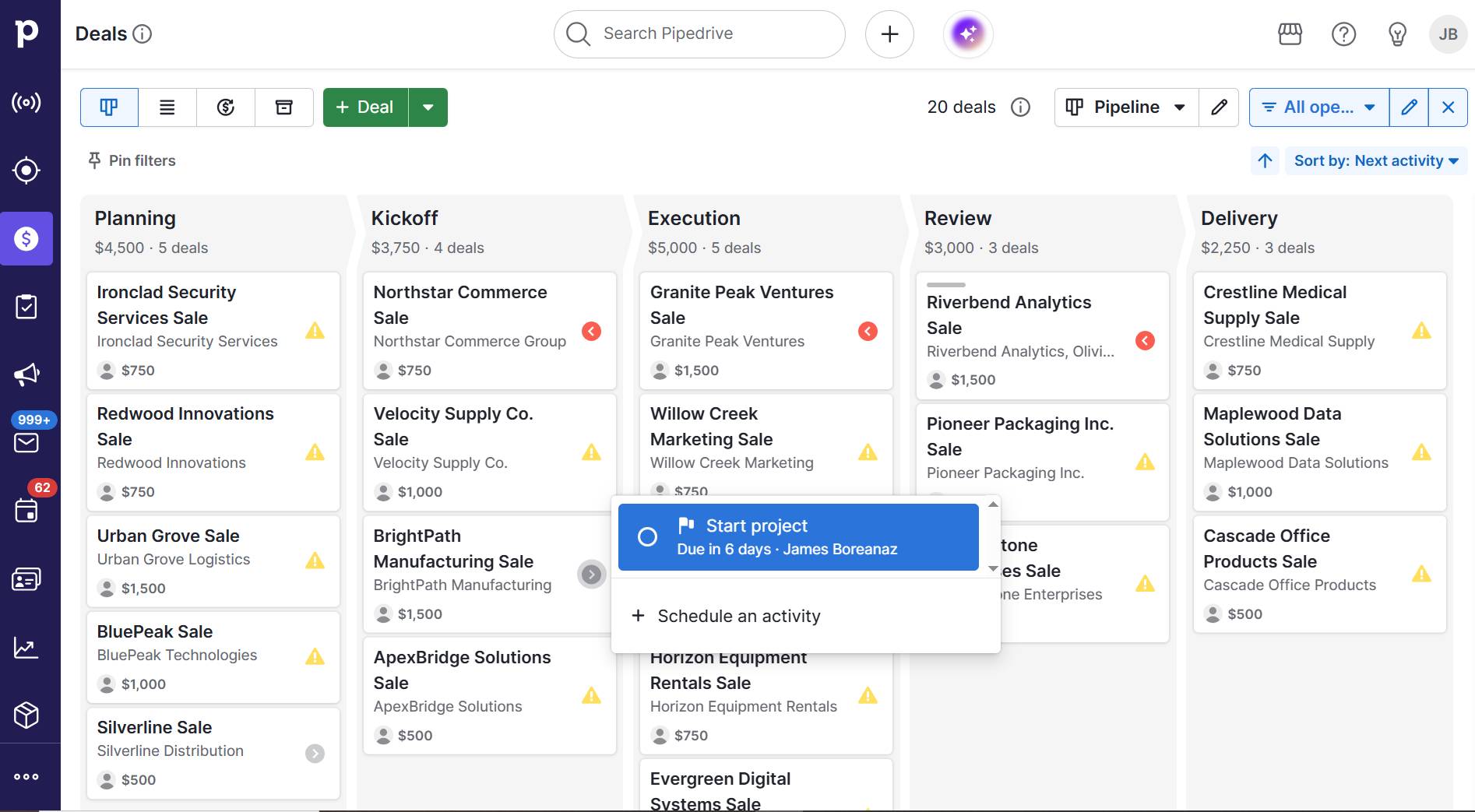
You can also test your understanding of a topic by explaining concepts to others. Write LinkedIn posts summarizing what you learned or answer questions in marketing communities. Teaching forces you to clarify fuzzy concepts.

Step 3: gain hands-on experience

While theoretical knowledge is important, nothing beats real-world experience. You can start with small projects that show your understanding of the concepts.

Here are some ideas you can work on:

Project

Skills and roles

Build a blog with 10 quality posts and track their performance

  • Shows content marketing strategy and SEO skills

  • Tests your keyword research and writing abilities

  • Gives you hands-on experience in content management system (CMS) usability

  • Use GA4 to track traffic and GSC to check rankings to prove that your posts actually perform

Roles: content marketing and SEO specialists

Email newsletter for local business

  • Proves you can use email marketing best practices

  • You can send out a newsletter every month or every two weeks and track email open rates or clicks

  • Showcase your email copywriting and analytic abilities as you iterate to get better results

Roles: continent marketing specialist and copywriter

Grow Instagram to 1,000 followers

  • Demonstrates your social media management capabilities

  • Creating a social media account from scratch and attracting followers also proves content creation and community management skills

Role: social media and brand specialist

$50 Google Ads campaign

  • Shows paid advertising basics

  • With a Google Ads campaign, you hone keyword research, ad copywriting and budget management skills

Role: digital advertising specialist

Besides working on your own marketing projects, you can also reach out to non-profits to exercise what you’re best at. Catchafire is a space where you can volunteer your marketing skills to causes you believe in.

Step 4: build a portfolio

A good portfolio may dictate whether you get interviews or not. There are many platforms where you can put up your projects at no cost (e.g., LinkedIn, Authory.com, Medium).

For example, on LinkedIn, you can write blog posts highlighting your projects. Document everything from failures to successes, and make sure to include screenshots as well as statistics.

This approach works for any of your projects. If you have a social media account, take screenshots of posts that performed well and their metrics. Explain your thinking and the strategies you employed.

Step 5: prepare for interviews

Apply to marketing jobs directly from company websites and practice how to answer common interview questions.

You’ll likely get questions about marketing concepts or on your projects. Interviewers may ask, “How would you improve our SEO?”, “Tell me about a campaign that didn’t work” or “Talk to me about [project]”.

Practice the STAR method (Situation, Task, Action, Result) and answer with honesty. Focus on what you learned from each experience, especially failures.

Before you send your first application, make sure you have these three nailed down:

  • Optimized LinkedIn profile with keywords from your target roles

  • One-page resume highlighting marketing projects and results

  • Robust portfolio showcasing projects with clear outcomes

Remember to include percentage improvements in these. “Increased Instagram engagement by 45%” beats “managed social media account”. Specificity will help interviewers understand how you measure success, not just that you can complete tasks.

Marketing professional FAQs

  • No, many successful marketing professionals don’t have degrees. Employers care more about your portfolio and proven results than formal education.

    However, becoming a certified marketing professional from Google or the American Marketing Association (AMA) is widely accepted as proof of competency and helps build credibility.

  • It depends on many factors. For example, your background can decide if you have existing skills or if you’ll need to learn them from scratch.

    Time can also affect how quickly you transition. If you’re just starting out, you’ll need more time to build foundational knowledge.

  • Hire a small business marketing professional if you’re only relying on word of mouth to make sales. Other signs include competitors consistently outranking you online and not getting traffic to your website.

Final thoughts

Marketing professionals drive business growth by connecting companies with their ideal customers through strategic campaigns and data-driven decisions.

Whether you choose SEO, content marketing, social media or another specialty, success as a marketer comes from combining technical and soft skills.

To kick-start a career in marketing, pick a specialization that matches your strengths, learn through free resources and create projects that prove real impact. With focused effort and the roadmap in this guide, you’ll be ready for your first marketing role within months.

Time to start learning? Check out Pipedrive Academy’s free marketing courses to fuel your marketing journey.

Top 5 Ways to Support Sales Professionals in Your SMB

Software Stack Editor · July 28, 2025 ·

Building skilled sales professionals directly impacts your company’s bottom line. A solid sales team drives consistent revenue growth, improves customer retention and helps your SMB outpace competitors.

In this article, you’ll learn the essential skills sales professionals need to do their jobs effectively. Discover how to support their development to see your business succeed with targeted training, regular feedback and effective sales technology.

What is a sales professional and what are they responsible for?

A sales professional generates revenue by guiding potential customers through the buying process. They’re responsible for identifying prospects, understanding customer needs, closing deals and maintaining customer relationships.

The exact duties of a sales professional vary based on company size and structure. In a small business, a sales professional might handle the entire sales cycle – from finding leads to customer support.

In a large enterprise, specialized roles (like sales representatives and customer service reps) might split these tasks between them.

Responsibilities also vary depending on the type of sales professional. Here are some typical roles that sit within the “sales professional” umbrella:

Each role is critical to a company’s client-getting system and its broader sales process. Together, they help businesses attract, convert and retain customers.

Recommended reading

https://www-cms.pipedriveassets.com/Building-a-Sales-Team.png

Building a sales team: How to set your group up for success

The must-have skills of successful sales professionals

A high-performing sales team needs a core set of skills. Strong communication, relationship-building and problem-solving help sales reps drive consistent revenue.

Take a look at these key skills (and others) in more detail:

  • Communication skills and active listening. Sales reps must clearly explain how a product or service solves a customer’s pain point. They also need to listen to understand what the problem is. Active listening helps reps uncover needs, develop trust and tailor sales pitches accordingly.

  • Relationship building. Strong relationships lead to trust, which drives sales. Building relationships also reduces churn and boosts customer retention – crucial for smaller businesses with limited budgets.

  • Problem-solving and adaptability. Sales professionals must think on their feet to handle objections, adjust their approach and offer tailored solutions. This flexibility increases the chances of closing deals and prevents potential clients from leaving the pipeline when challenges arise.

  • Time management and self-motivation. Good time management ensures no opportunities slip through the cracks, while self-motivation keeps momentum going during long sales cycles or quieter periods. These traits help sales professionals stay productive and consistently hit their targets.

  • Tech-savviness (or ability to learn). Sales technology like CRM systems help sales professionals manage pipelines, monitor deals and track customer interactions from a central location. Reps who can quickly learn and adapt to these tools work more efficiently and close sales deals faster.

To boost sales tool adoption, choose simple customer relationship management software that’s intuitive and quick for your team to learn.

Pipedrive, for example, prioritizes ease of use. Its clean interface allows users to navigate the platform without technical expertise.

For instance, use the drag-and-drop feature to move leads through the pipeline. Or create simple automations to progress them to different deal stages based on actions like email opens, form submissions and completed tasks.

Here’s an example of how a sales pipeline looks in Pipedrive:

Sales professionals Pipedrive sales pipeline

This level of visibility helps teams organize leads, spot business bottlenecks and focus their efforts on the deals that are most likely to succeed.

Recommended reading

https://www-cms.pipedriveassets.com/Lead-Management_2022-11-03-174020_nmhd.png

Best ways to use a CRM for lead management

5 ways to support sales professionals and maximize their potential

Sales professionals perform best with the right encouragement, tools and environment to succeed. From training and technology to goal setting and feedback, here are five practical ways to help your team consistently close more sales.

1. Invest in professional qualifications

Formal sales certifications are structured training programs that teach proven sales methodologies. These qualifications boost confidence and performance by giving sales reps the tools to handle pipelines, objections and deals more effectively.

Here are a few popular sales certifications worth considering:

Certified Professional Sales Person (CPSP)

Focus: Mindset, communication techniques and sales psychology.

Components: Daily video lessons, practical assignments and peer feedback over a six-week online program.

Ideal for:

  • New professionals at the beginning of their sales career

  • Mid-level sales associates looking to master core selling skills and improve emotional intelligence in customer interactions

Metrics, Economic Buyer, Decision Criteria, Decision Process, Identify Pain and Champion (MEDDIC)

Focus: Lead qualification in complex B2B sales environments.

Components: In-depth training sessions (online or in-person), case studies and interactive coaching.

Ideal for:

Challenger Sales Certification

Focus: Tailoring messaging and leading high-stakes sales conversations using the Challenger approach.

Components: Interactive workshops, online learning modules and real-world application exercises.

Ideal for:

These certifications are helpful when onboarding new hires or leveling up experienced reps. However, many SMBs don’t have the budget or time to enroll sales teams in formal programs.

The good news is that there are cost-effective alternatives (outlined in the following sections) that can boost sales performance.

Note: Formal certifications don’t guarantee success on the sales floor. When hiring or evaluating sales talent, it’s equally important to consider personality traits like resilience, curiosity and empathy, as well as actual sales experience.

2. Use on-the-job learning and shadowing

An effective (and budget-friendly) way to develop sales talent is through on-the-job learning. Practical experience helps sales reps build confidence, refine skills and adopt best practices from real-world situations.

SMBs can foster a strong learning culture by building sales mentorship, shadowing and hands-on experiences into everyday workflows. Here are some actionable ways to do this:

  • Set up regular shadowing sessions. Let junior reps observe top performers on sales jobs like discovery calls, sales demos and negotiations. Rotate who they shadow to expose them to different sales styles.

  • Encourage side-by-side calling. Pair reps to make live sales calls together, alternating who leads and who listens. Afterward, discuss what worked and what to improve.

  • Run weekly deal reviews. Host short sessions where reps walk through real pipeline opportunities, share challenges and get feedback. Use these reviews to reinforce good habits and identify improvements on stuck deals.

  • Assign mentors to new hires. Match new reps with experienced mentors for informal coaching and ongoing support. Encourage regular check-ins to answer questions and build confidence early on.

  • Use call recordings as training tools. Review past calls together to highlight good practices or areas for improvement. Focus on structure, objection handling, tone and how reps guide conversations.

  • Create a “win library”. Store examples of successful emails, pitches and recorded calls in a shared folder. Make it easy for reps to access and learn from top-performing content whenever they need inspiration or guidance.

Building these processes into daily workflows helps new and developing reps gain real insight into what works at each stage of the sales cycle – without needing a large learning and development (L&D) budget.

Note: Pipedrive’s CRM for salespeople makes it easy to store and organize successful sales documents. Use the Smart Docs add-on to centralize a shared drive directly in the CRM, allowing sales pros to access and review winning sales records.

3. Create a simple but consistent feedback loop

Consistent employee feedback gives sales professionals timely insights into what they’re doing well and where they need to adjust. The process reduces the chances of small mistakes becoming long-term habits.

For example, if a sales rep regularly loses leads during negotiation, reviewing their recent calls might reveal they’re not handling objections confidently.

With weekly coaching focused on objection handling, they refine their approach, practice responses and start winning more customers.

4 free sales feedback templates

Use these sales feedback templates to measure employee performance and gauge morale.

Here’s how sales leaders and business owners can build regular evaluations into business operations:

  • Schedule regular 1:1 check-ins. Block out 15–30 minutes each week to discuss wins and challenges with each rep. Regular touchpoints build trust and keep development top of mind, making feedback a natural part of your team’s weekly rhythm.

  • Use deal reviews to drive learning. Pick a live opportunity from each rep’s pipeline and walk through them together. Reviewing deals grounds critique in real situations, helping reps course-correct quickly and apply lessons immediately.

  • Focus on one skill at a time. Identify a key area (like deal closing or sales discovery) and center feedback around it for a few weeks. Narrowing the focus helps both manager and rep track progress more clearly, making suggestions more actionable and less overwhelming.

  • Give input immediately after key interactions. Use quick post-call debriefs or instant messages to highlight strengths and small areas for improvement. Timely input reinforces good habits and corrects issues before they become patterns.

When building a consistent feedback loop, it’s essential to have clear visibility into your team’s activity. This visibility ensures you base feedback on real, up-to-date performance data.

Pipedrive makes it easy to track sales activity in real time. Managers can access every rep’s live sales dashboards, activity logs and deal progress, allowing them to deliver targeted, timely coaching.

Here’s an example of a sales dashboard in Pipedrive, which you can filter by user to view individual rep performance:

Sales professionals Pipedrive dashboard

You can also schedule recurring 1:1s with each rep in Pipedrive. The calendar sync feature adds external calendar activities directly to your CRM.

As a result, business leaders and sales professionals don’t have to manually find the best time to meet. The system automatically schedules meetings on their behalf.

Here’s how these meetings appear in Pipedrive:

Sales professionals Pipedrive recurring meeting

These Pipedrive features help you create a consistent feedback loop, giving your sales team the skills and confidence to close more deals.

4. Tap into free or affordable resources

Sales training doesn’t have to carry a hefty price tag. There are high-quality, free (or low-cost) tools available for sales leaders and business owners to learn more about sales and sharpen their teams’ skills.

Here are some ways to make the most of free resources:

  • Start a dedicated learning channel. Make channels in your communication platform (like Slack or Microsoft Teams) to share bite-sized insights, videos or blog posts with valuable sales information. These messages keep development front of mind without overwhelming reps.

  • Encourage free course enrollments. Platforms like Coursera and LinkedIn Learning offer free sales fundamentals and CRM training. These online sales courses provide structured content from industry experts, helping sales professionals strengthen core skills.

  • Attend live (or recorded) webinars. Sign up for sessions from reputable sales sources on different sales topics. Pipedrive, for example, hosts regular sales and CRM webinars on topics like “The hidden science behind every ‘yes’: Influencing secrets for salespeople”.

  • Create a shared learning hub. Use a document storage system for useful sources and information. Organize them by skill area to make them easy to find, including objection handling, sales prospecting and closing techniques.

Use Pipedrive’s document management features to create a central hub for your resources. Upload PDFs, share article links or embed video libraries in one place. Integrate with Google Drive to organize these documents directly in the CRM.

Here’s an example of Pipedrive documents in Google Drive:

Sales professionals Pipedrive Google Drive documents

With everything centralized, sales teams can easily keep learning without switching platforms.

5. Use the right CRM to support skill development

A good CRM reinforces strong sales habits, supports coaching and helps reps learn from their activity. When salespeople can see their progress, they’re more likely to improve performance and close deals consistently.

Here’s how sales leaders can choose (and use) CRM providers that actively support development:

  • Allow reps to learn from their data. Look for systems with dashboards and deal histories that are easy to filter and analyze. These insights help reps spot what works and where they’re falling short, turning performance data into actionable next steps.

  • Use built-in automation. Find a CRM that uses automation to reduce manual work. When you automate repetitive tasks (like data entry or follow-up emails), sales professionals can dedicate more time to learning through live interactions, refining their techniques and analyzing what works.

  • Customize your sales process. Choose a CRM that lets you tailor the pipeline to match your sales process. When the CRM reflects your team’s exact steps, sales professionals can develop consistent habits and better understand each stage.

Pipedrive makes it easy to customize your pipeline to fit your sales process. You can create, rename or reorder deal stages, so the system mirrors how leads move through your sales funnel.

Here’s an example of a custom sales pipeline in Pipedrive:

Sales professionals Pipedrive custom sales pipeline

You can also use Pipedrive automation to speed up the sales pipeline. For example, instantly assign new leads to specific team members based on custom criteria like deal value, location or product interest.

Here’s an automatic assignment in Pipedrive based on currency:

Sales professionals Pipedrive automatic assignment

This automation keeps the pipeline flowing smoothly, so reps focus on more crucial tasks like nurturing leads and growing their sales skills.

Sales professionals FAQs

  • Typical skills for new sales roles include strong communication, relationship-building, adaptability, time management and the ability to use sales tools.

    The ideal skill set depends on the specific role. For example, inbound sales reps need strong listening and qualification skills, while outbound reps should be confident, persistent and good at cold outreach.

    Try to match skills to role responsibilities to hire the right sales professional for the position.

  • Ask for real-world examples that show how candidates handle objections, build customer relationships or close sales.

    Focus questions on scenarios relevant to your business goals, and explore how their approach aligns with your sales process.

    If hiring for an entry-level role, focus on soft skills like communication, coachability and resilience. Look for candidates who are curious, willing to learn and able to connect with others.

  • Sales roles don’t require formal qualifications, although some may have a Bachelor’s Degree in business-related fields. Sales certifications (like CPSP) can also strengthen core skills.

    Real-world experience, emotional intelligence and role-specific performance can be just as valuable when assessing a candidate’s potential.

Final thoughts

Sales professionals succeed through ongoing training, regular feedback and opportunities for practical learning. Tools like Pipedrive sharpen their skills while helping them stay focused on what matters most: closing deals and growing business opportunities.

Use Pipedrive to simplify pipeline management, automate repetitive tasks and give reps clear visibility into their performance. Sign up for a free 14-day trial to uncover exactly where your team can improve to land more deals.

7 Powerful Ways to Improve Customer Satisfaction

Software Stack Editor · July 25, 2025 ·

If you’re seeing fewer repeat purchases, declining customer lifetime value or lower retention rates, it might be time to improve customer satisfaction.

When customers feel valued, heard and well-served, they come back, spend more and become powerful brand advocates. Improving their satisfaction doesn’t just improve the customer experience – it drives real business growth.

In this article, you’ll learn what customer satisfaction means and why it matters to small business owners. We’ll also cover how you can measure satisfaction and seven proven strategies you can use to create happy customers.

Customer satisfaction definition: what is customer satisfaction?

Customer satisfaction (or CSAT) measures how happy customers are with your business.

High customer satisfaction levels indicate that you exceed customer expectations. Low satisfaction levels suggest that you aren’t fulfilling customer needs.

You can measure customer satisfaction in several ways, including:

For small businesses, maintaining high levels of satisfaction is key to acquiring loyal customers and increasing profitability.

The table below shows the different forms of high and low customer satisfaction scores:

High customer satisfaction

Low customer satisfaction

  • Negative feedback

  • Customer complaints

  • Loss of customers

Now you know how you would define customer satisfaction, learn why it’s so crucial for these business owners.

Recommended reading

https://www-cms.pipedriveassets.com/Types-of-Customer.jpg

7 types of customers all sales reps meet (and how to sell to them)

Why customer satisfaction matters

Brands can differentiate themselves in today’s market by delivering exceptional customer experiences. For small and medium businesses (SMBs), keeping existing customers happy is even more critical for the following reasons:

Now more than ever, SMBs have a real opportunity to stand out. Research shows that customer experience quality among US brands is at an all-time low after declining for a third year in a row. Forrester’s customer experience index rankings for 2024 show an average US score of 69.3 out of 100 – the biggest drop on record.

Customer satisfaction Forrester research

Worse still, bad customer experiences could cost organizations around the world $3.7 trillion every year. That’s a risk most small businesses can’t afford.

Just because other companies struggle to delight customers doesn’t mean yours should settle for subpar customer experiences. There’s room to better meet market needs and stay top of mind in the process.

To improve your customer satisfaction levels, you need to understand customer sentiment. Below, you’ll learn six ways to measure customer satisfaction and grow loyalty.

Recommended reading

https://www-cms.pipedriveassets.com/blog-assets/sales-tips-customers-love-your-product.png

How to get people to fall in love with your product

How to measure customer satisfaction

Measuring customer satisfaction levels highlights how happy customers are, what’s working and how you can make improvements. It creates a continuous feedback loop you can use to boost the customer experience over time.

Here are the most common methods and how they work, as well as how you can implement them:

Customer satisfaction (CSAT) score

  • Asks customers to rate their experience on a scale, usually from one to five

  • Delivers quick feedback after interactions or purchases to identify immediate satisfaction levels

Tip: Conduct post-interaction surveys with a tool like Nicereply.

Net promoter score (NPS)

  • Measures customer loyalty by asking how likely customers are to recommend your brand

  • Gives an overall view of customer satisfaction and loyalty

Tip: Survey customers on a zero to 10 scale with software such as SmileBack.

Customer effort score (CES)

Tip: Assess customers with SurveySparrow or a similar tool.

Customer satisfaction index

  • A composite index combining multiple satisfaction metrics about a company’s products and services into a single score

  • Tracks overall customer satisfaction over time, making it useful for benchmarking and trend analysis

Tip: Use a platform like Questback that aggregates survey responses across various areas to calculate an average.

Customer satisfaction surveys

  • Surveys that capture customer feedback about products, services and interactions

  • Provides actionable insights into customer perceptions and areas for improvement

Tip: Send structured questionnaires via email or in-app with SurveyMonkey or similar.

Customer churn rate

Tip: Calculate churn rate and customer retention by integrating bookkeeping software like QuickBooks into a platform like Pipedrive.

Customer lifetime value (CLV)

  • Measures the total revenue customers generate on average during their relationship with your company

  • Shows the financial impact of customer satisfaction on loyalty, repeat purchases and your bottom line

Tip: Calculate CLV using an e-commerce platform like Shopify.

Once you’ve got customer satisfaction measurements, the next step is to improve them. Below, you’ll learn seven proven steps to do just that.

Download our customer journey map template

Start mapping your customer journey with our free customer journey template.

How to improve customer satisfaction with examples

Increasing customer satisfaction levels means exceeding your client’s expectations. That sounds difficult at first, but several proven ways exist to enhance their experiences throughout the customer journey.

Here are seven ways to improve customer satisfaction, along with examples.

1. Use AI to increase customer service speed

Artificial intelligence is one of the most effective ways small businesses can deliver faster, more consistent customer service without expanding their team or overburdening existing workers.

You can’t underestimate the importance of speed when improving customer satisfaction levels. Two-thirds of customers say speed is as important as price.

AI reduces wait times, personalizes interactions and ensures that customers get what they need quickly and effortlessly. For example, AI-powered customer care agents:

  • Answer frequently asked questions

  • Provide order status updates

  • Reset passwords and other account issues

  • Direct customers to helpful content

  • Connect users to a human customer service rep

The impact of AI chatbots can be huge.

Hilton’s AI chatbot, Xiao Xi, offers travel advice and support to Hilton Honors members and guests. It has achieved 94% customer satisfaction while saving the company $1 million annually in service costs.

Implementing a single AI customer service agent is like hiring a dozen more reps for small businesses. Bots handle inquiries around the clock, letting you deliver 24/7 customer service while freeing human agents to focus on more complex issues.

2. Implement a customer service quality assurance program

A customer service quality assurance program helps you deliver a consistent, high-quality service that exceeds customer expectations.

It is a structured process that involves reviewing customer interactions, scoring them against pre-defined criteria and using those insights for call center training.

Here’s how to create your program step-by-step:

  • Define your customer service goals and key metrics based on what matters most to your customers and business

  • Create a simple QA scorecard with clear criteria to evaluate interactions

  • Select a mix of calls, chats and emails to review, focusing on high-impact or problem areas for deeper insights

  • Use AI tools to automate scoring, analyze sentiment and identify trends to speed up improvements and spot risks

  • Regularly review and refine your QA process and encourage a culture of continuous learning and improvement

Once you find problems, implement a customer training support program to improve customer service skills. You can do this by hiring a dedicated customer service manager or using a training platform like Hiring Branch to automate ongoing training.

3. Personalize the customer experience

Personalizing customer interactions creates more relevant and meaningful experiences that build deeper connections, foster loyalty and boost satisfaction.

Nearly half (49%) of consumers say they would become repeat retail customers after a personalized shopping experience.

Rather than sending bland one-size-fits-all messages, give customers insightful communication tailored to their goals and challenges. Doing so proves you understand the customer and are committed to solving their unique needs.

There are plenty of ways you can personalize customer interactions across the customer journey, including:

  • Addressing customers by name and referencing their goals in sales messages

  • Providing personalized product recommendations on e-commerce sites

  • Customizing onboarding workflows based on the customer’s challenges and needs

  • Tailoring customer service using purchase and contact history

AI-powered tools can handle much of the heavy lifting here, tailoring experiences using past customer behavior and preferences.

For example, Pipedrive’s AI email writer uses customer relationship management (CRM) data to let sales and customer service reps create highly relevant messages from a single prompt.

Customer satisfaction Pipedrive AI email writer

Pipedrive’s SmartApps is another example of AI-powered personalization. It suggests the most relevant third-party tools integrations based on your company’s size, industry and the apps you’ve already integrated.

Customer satisfaction Pipedrive SmartApps

With the right tool fit, small businesses can deliver highly personalized and memorable experiences that foster loyalty and differentiate their brand.

4. Serve your customers where they are

Customers expect to connect with businesses on their terms, whenever and wherever it’s most convenient for them.

Research shows that customer satisfaction scores reach 67% when omnichannel support is seamless, compared to just 28% for disconnected multichannel support.

Implementing an omnichannel customer support strategy means providing support on every channel your customers use, including:

For example, a SaaS company might support customers via in-app live chat during business hours, email for in-depth technical support, WhatsApp for fast collaboration and curate a robust self-service portal.

A CRM is vital when delivering omnichannel support. It serves as a central hub for customer support, ensuring a consistent and high-quality experience regardless of how customers contact you.

Customers can use a CRM’s information to personalize support by referencing previous interactions. In Pipedrive, for instance, the contact timeline lets each rep see who interacted with a customer and the conversation details:

customer satisfy Pipedrive contacts timeline

It ensures customers receive a consistent experience and don’t waste time explaining their issue every time they speak to a new rep.

By serving customers where they are through omnichannel support, small businesses can create convenient, responsive and connected experiences that drive lasting satisfaction.

5. Make it easy for customers to self-serve

Modern customers have a can-do attitude and aren’t afraid of searching for a solution to their problem.

Make the process easy by creating educational resources like:

For example, Pipedrive has an extensive knowledge base, an academy, a blog, webinars and e-books.

Here’s what the Knowledge Base looks like:

Customer satisfaction Pipedrive Knowledge Base

Making your self-serve content accessible is key. Pipedrive’s clearly categorized Knowledge Base lets customers quickly find relevant topics. The articles use simple language with simple step-by-step instructions, visuals and links to related information.

When creating your self-serve resources, avoid jargon so that even first-time customers with no experience of your brand can use them.

6. Create a customer loyalty program

Customer loyalty programs are a proven strategy to improve overall satisfaction by rewarding repeat purchases, encouraging brand engagement and strengthening emotional connections.

These programs are more critical than ever, with Forrester predicting a 25% decline in brand loyalty but an increase in customer loyalty program use.

Customer loyalty programs like the one below from HP work by giving customers a tangible reason to return, making them feel appreciated and collecting valuable data to personalize sales and marketing efforts.

Customer satisfaction loyalty program

When creating your loyalty scheme, make it as attractive as possible using the following features:

  • Points-based rewards – let customers earn points for every purchase and redeem them for discounts, free products and exclusive perks

  • Tiered membership – motivate repeat purchases with programs that unlock higher-value rewards and exclusive experiences as customers spend

  • Referral bonuses – grow your loyalty scheme by rewarding users when they refer new customers

  • Community-building – create customer communities that encourage customer-to-customer interaction and brand engagement.

  • Mission-driven incentives – reward customers for participating in sustainability initiatives like HP, or let them donate points to good causes

An effective loyalty program means small businesses can increase brand advocacy and customer satisfaction while maximizing limited marketing budgets.

7. Take suggestions from customers

Collecting customer feedback is vital to understanding your customers’ needs, determining pain points and improving your product and service management.

It’s even better if you use feedback to upgrade your offering. Respondents love it when they feel heard and products evolve with their needs.

Offering multi-channel customer support will make it easy for customers to complain. Make it even easier by asking for feedback through the following methods:

  • CSAT surveys

  • Automated feedback request emails from sales and support teams

  • One-on-one interviews and focus groups

  • Feedback widgets and forms on your website

Keep track of customer feedback in your CRM or dedicated customer support tool. Pipedrive customers, for example, could create a custom pipeline like the one below:

Customer satisfaction Pipedrive feedback pipeline

Tracking feedback in this way makes monitoring complaints and prioritizing issues easier, according to frequency or customer impact.

Once you make product or service improvements, make sure customers know about them using the following methods:

  • Send regular product update email announcements that let customers know what you’ve improved and how

  • Keep a development blog that covers new functions in detail

  • Send in-app notifications that alert users to new updates

  • Create automated product guides that teach customers how to start using a new feature

Here’s an example of a product update email from project management software provider ClickUp:

Customer satisfaction ClickUp

The company sends regular emails to customers showing how it’s improved the product. These emails improve the level of satisfaction by keeping customers informed and demonstrating continuous improvement.

Recommended reading

https://www-cms.pipedriveassets.com/Customer-Trust.jpg

Customer trust: definition and 6 strategies for building it

5 essential customer satisfaction tools

The right technology tool can boost customer satisfaction levels by streamlining customer interactions, automating positive experiences and gathering actionable feedback.

Here are the five essential SMB categories of customer satisfaction tools every business owner should use:

1. A CRM

A CRM system centralizes customer information and interactions into one platform, allowing you to deliver personalized and relevant experiences at every touchpoint.

Alerts and automation features enable sales and support teams to stay on top of sales activities, track account health and monitor customer success.

AI functionality further drives your relationship-building forward with efficient features. For instance, the AI-powered Sales Assistant by Pipedrive delivers smart suggestions about what sales-driven action to take next:

Customer satisfaction Pipedrive Sales Assistant

AI also lets you personalize messages and accelerate customer service responses to exceed client expectations and improve satisfaction.

For example, reps can use Pipedrive’s AI summarizer and email writer to assess customer sentiment and intent for quick, tailored responses.

Here’s what a summarized email thread looks like in Pipedrive:

Customer satisfaction Pipedrive AI email summarizer

These tools are a cost-effective way to deliver exceptional customer experiences. You don’t need huge sales teams to improve the customer journey when using an AI-powered CRM with automated workflows.

2. Helpdesks

Helpdesk software and ticket systems let small businesses efficiently manage and resolve requests across multiple channels.

It acts as the backbone of your customer support operation:

  • Centralizing customer inquiries from email, chat, phone, social channels and web forms into a centralized database so nothing slips through the cracks

  • Automating ticket assignment and prioritization, so customers get answers quickly

  • Giving agents context and history so they can personalize interactions

  • Facilitating cross-team collaboration using internal notes and real-time updates

  • Reporting on customer support performance and uncovering customer satisfaction trends

Many helpdesk platforms use AI and automated workflows to let teams deliver support even faster.

For example, BoldDesk streamlines repetitive tasks by automatically assigning, prioritizing or escalating tickets based on custom triggers. Customer success teams can use generative AI to summarize conversations and automate responses.

Customer satisfaction helpdesk software

Integrating helpdesk software into your CRM can make it even more powerful. Platforms like BoldDesk, Herodesk and Re:amaze connect to Pipedrive, letting your teams access complete customer profiles when administering support.

3. Chatbots, live chat and web forms

Chatbots, live chat, web forms and other customer communication tools enable easy and fast communication between you and your customers.

These tools improve customer satisfaction by offering immediate assistance, reducing friction and facilitating personalized conversations. Your customer base gets a quick way to ask questions or find support without waiting on hold.

You can access all of these tools through Pipedrive’s LeadBooster add-on.

The chatbot helps website visitors as soon as they land on your site. You can program it to answer common questions, point users toward helpful resources, book meetings or collect information for a support ticket.

If human support is necessary, the Live Chat feature hands the conversation over to a customer service rep.

Customer satisfaction Pipedrive Live Chat

Add LeadBooster to any Pipedrive CRM plan for $32.50 per company per month when billed annually. It’s included with Premium and Ultimate plans.

4. Social listening tools

Social listening tools monitor conversations, mentions and sentiment across social media platforms to capture unfiltered customer feedback.

Clients won’t immediately flag every issue to your support or sales teams, so social listening tools are a great way to quickly find and fix problems without relying on them.

For example, Mention notifies you immediately whenever the conversation about your company changes dramatically. Here’s what it looks like:

Customer satisfaction social listening tool

Other social listening tools are available, including Hootsuite and Brand24.

Look for the following features when choosing a solution:

  • Omnichannel coverage. Pick a tool that covers every channel your customers use. Bonus points if it can cover forums and aggregation sites like Reddit.

  • AI-driven insights. Look for features like AI-powered sentiment analysis and trend detection to accurately understand the context of customer conversations.

  • Competitive benchmarking. Compare your brand’s performance against competitors to add context to satisfaction levels and find ways to improve.

  • Reporting and dashboards. Use real-time analysis and visualization tools to make customer satisfaction reporting accessible to every employee.

Social listening software helps SMBs offset limited marketing budgets and gain valuable insights where costly PR expertise is not an option. With early warnings and engagement opportunity alerts, brands can act fast to protect their reputation while meeting customer wants and needs.

5. Customer survey tools

Customer survey software makes it easy to design, distribute and analyze online questionnaires that measure CSAT scores and other customer satisfaction metrics.

These dedicated tools automate the process of measuring customer satisfaction, so you keep track of happiness levels while showing clients that their opinion matters.

Choose a tool that lets you send surveys on multiple channels. By meeting customers where they are, you’ll increase the feedback you collect.

With SurveySparrow, for example, you can share surveys via email, SMS and WhatsApp.

Customer satisfaction customer survey tool

Other customer survey tools include:

  • SurveyMonkey

  • Hotjar

  • Zonka Feedback

Integrating survey tools with your CRM allows you to align questionnaires with pipeline stages. For example, Pipedrive links up with tools like Trustmary, Nicereply and Simplesat, letting you trigger questionnaires after specific activities like a product demo or onboarding.

Final thoughts

Improving customer satisfaction doesn’t require a massive budget or a large team. With the right strategy and tools, small businesses can deliver fast, personalized, high-quality interactions that exceed expectations.

Start enhancing your customer relationships with Pipedrive. Sign up for a 14-day free trial to see how the CRM, AI features and automated workflows can fulfill customer needs and make your business more customer-centric.

State of Sales and Marketing 2025

Software Stack Editor · July 25, 2025 ·

Each year, we speak with salespeople, marketers, founders and business experts around the world to understand their wins, challenges and what’s changing in their industries.

In this year’s State of Sales and Marketing report, we explore how shifting work models, AI adoption and evolving employee expectations are reshaping the profession – and why flexibility, smart tech and well-being matter more than ever.

Download the State of Sales and Marketing Report for 2024/2025

Get your report

Economic pressures are making it harder to hit targets

Rising global economic challenges are gradually making it more challenging for sales professionals to meet their goals. In 2024, 57% of salespeople reached their personal sales targets – the lowest rate in five years.

State of Sales and Marketing 2025 sales goals

Smaller companies are suffering the most, with just 48% of salespeople from micro-sized businesses (1–10 employees) meeting their performance goals. Of those businesses, only 54% typically meet their regular sales quota.

Fully remote work may slightly hinder sales performance. Only 40% of remote reps who feel more productive in the office meet their sales targets, compared to 53% of those who feel productive working remotely.

Being surrounded by supportive colleagues can play a key role in helping sales professionals perform at their best.

Longer hours aren’t leading to better performance

More sales and marketing professionals are clocking longer hours, but the extra time isn’t translating into better results.

In 2024, 75% of respondents worked more weekly hours than planned. Some logged over 20 extra hours, resulting in 12-hour workdays.

Yet, those putting in overtime are actually less likely to hit their sales goals. 63% of respondents who don’t do any overtime achieve their targets, compared with 55% of those who do.

This growing workload is damaging employees’ work-life balance.

While most respondents still rate their work-life balance as good or very good, this number has dipped slightly from 64% to 61%. Meanwhile, one in 10 feel overwhelmed and unbalanced – a stable figure that continues to concern employers.

Despite advancements, working additional hours is widespread, and it’s not necessarily leading to better results. This highlights a deeper truth: technology alone can’t fix burnout. It’s up to leaders to create a work culture that protects well-being, prioritizes work-life balance and ensures that progress doesn’t come at the cost of people.

Tanya ChanningPipedrive CPCO

Age also plays a role in how overtime affects work-life balance. For example, 30% of 26–35-year-olds aren’t doing any overtime at all, compared with 18% of 51–65-year-olds. They appear to prioritize free time more and are better at maintaining boundaries.

These findings raise critical questions about the root causes of overtime.

Is it due to too many manual tasks, lack of automation, unrealistic targets or deeper cultural expectations?

Whatever the reason, the current trend is unsustainable, and it’s clear that more hours don’t guarantee better performance.

Hybrid work wins on satisfaction

The hybrid model remains the most popular work setup, with 57% of respondents saying their company offers it (20% work fully remotely and 23% work entirely on-site).

Workplace satisfaction closely relates to the flexibility of workplace arrangements. Employees who are fully or mostly remote are about twice as likely to be very satisfied with their work model as those employed fully on-site.

The evolution of work models is ultimately a reflection of trust. When people are given the autonomy to work in ways that suit them best, they tend to be more engaged, more productive and more satisfied. It’s not about where people are, but how empowered they feel to do great work.

Tanya ChanningPipedrive CPCO

However, 5% of companies have taken the opposite route, asking staff to return to the office. This trend is more common in large businesses, with 8% implementing return-to-office policies – double the rate seen in micro-companies.

46% of marketing and sales professionals also work mainly or entirely in the office, while only 39% work mainly or fully remotely.

Productivity perceptions often align with current work setups. Remote workers feel more productive at home, while on-site staff believe they work best in the office.

However, one in five on-site workers think they’d perform better remotely – double the number of remote workers who say the opposite.

The four-day workweek is also gaining ground, albeit slowly. The most favored setup combines a hybrid work model with a four-day workweek.

Most companies still follow the five-day format, but 18% now offer a four-day week to at least some staff. Only 8% of marketing and sales employees are able to take advantage.

Pipedrive State of Sales and Marketing 4 day week

69% of those working a four-day week say it improves their productivity. These employees also report better work-life balance and are more likely to reach their goals.

Feeling valued matters more than ever

Soft factors like appreciation, open communication and strong leadership now outweigh traditional perks in determining how employees feel about their employers.

The most influential drivers of satisfaction include feeling valued, having a transparent work environment, strong leadership and clear career growth. While most companies perform well in these areas, career development opportunities still lag behind.

Base salary and bonus structures also receive lower satisfaction scores, especially among sales professionals. When choosing a new role, professionals seek fair compensation, a solid bonus structure and work-life balance.

Most sales and marketing professionals are satisfied with their employer. 84% say they’re either rather or very satisfied with their employer, with 43% reporting very high satisfaction.

However, satisfaction levels vary slightly across different groups.

Younger employees (under 35) tend to be more satisfied overall, while those aged 36–50 are more critical. Satisfaction also drops in companies that recently changed their working setup, such as closing offices or asking staff to return on-site.

Marketers also place more emphasis on remote work options, while sales professionals prioritize bonuses and career advancement opportunities.

AI adoption is solid – and growing

Most sales and marketing teams have embraced AI or plan to adopt it.

37% of sales professionals and 41% of marketing professionals have integrated AI into their workflows. Of those who haven’t, 80% are considering adopting it.

Medium-sized companies are leading AI adoption, with 44% implementing it into their sales processes. Large enterprises are the slowest adopters (30%), likely due to complex systems, strict permission processes and data rules and regulations challenges.

Meanwhile, smaller and mid-sized companies tend to be more agile, with simpler structures and faster decision-making, giving them a clear advantage when it comes to experimenting with and integrating AI into their workflows.

Viktoria RuubelCPO, Pipedrive

Marketing professionals report the greatest success with AI tools (especially for creating new content). Marketers also estimate higher time savings than their sales counterparts. Time efficiency is proving to be one of AI’s core benefits.

36% of respondents save up to two hours per week, while another third report saving between three and five hours.

State of Sales and Marketing 2025 AI adoption

Customer support is another area where AI adoption is growing fast. Around 23% of companies already use AI tools (like chatbots) to support or partially replace human representatives. These tools bring efficiency and cost benefits, but the impact on the customer experience is mixed.

Half of the companies using AI in customer service report no noticeable issues, while the other half have seen more customer frustration and disengagement.

A hybrid approach (where AI handles simple queries and humans take on complex or emotional cases) often appears as the most effective setup.

The real value lies in using AI to enhance – not to replace – the human side of sales and in building processes that help teams sell smarter and faster.

Sean EversPipedrive VP of Sales and Partner

AI-powered communication is also popular with sales and marketing teams.

Most workers who implement AI into their sales process use it mainly for communication-related tasks like content creation (74%), summarizing existing content (56%) and preparing sales materials (46%).

On the other hand, fewer than one in four respondents use AI for data-driven tasks like pattern analysis, predictive analytics and forecasting. This highlights AI’s untapped potential, which may develop as users become more familiar with its capabilities.

Concerns around AI adoption

Despite AI growing in popularity and showing no signs of slowing down, there are still concerns around using it. Of those using AI, 13% worry about job displacement, but only 6% have actually seen their team size shrink because of AI.

Other AI doubts include data privacy, the reliability of AI outputs and security. Trust in human judgment remains higher.

Pipedrive State of Sales and Marketing 2025 trust and safety uncertainty around AI

17% of sales professionals don’t plan to adopt AI, mainly due to limited knowledge and uncertainty about how to integrate it with their current systems.

Younger sales professionals are far more open to AI adoption, with employees between 18–25 being twice as likely to use AI tools as those aged 65 and over.

However, younger employees also tend to be more anxious about AI – especially given the evolving job market.

To address AI-related fears, companies need to educate their workforce. Over half of those concerned about AI-driven job loss (53%) say training and upskilling are the most effective ways to reduce anxiety.

Leadership also plays a key role. Transparency about future plans for AI can ease uncertainty and build support.

As AI adoption continues to grow, clear communication and accessible training become critical for helping teams navigate the changes.

Final thoughts

The sales and marketing landscape is changing fast, fueled by flexible work models, smarter AI tools and a renewed focus on employee well-being.

While challenges like economic pressure and heavier workloads remain, teams that embrace the right tech and prioritize clear communication are thriving.

For deeper insights and the latest trends shaping sales and marketing, download The State of Sales and Marketing 2025 report today.

Download the State of Sales and Marketing Report for 2024/2025

Get your report

7 Tips for Growing With Just One Business Funnel

Software Stack Editor · July 24, 2025 ·

The post 7 Tips for Growing With Just One Business Funnel appeared first on ClickFunnels.

What if we told you just one funnel could get the job done? Yep—just one. Because when you set your business funnel up the right way, a single one can branch into several ways to make money. No need for a dozen websites, fancy tools, or separate campaigns.

Whether you’re a coach, a course creator, a consultant, or an e-commerce seller, you can turn one well-built funnel into a revenue machine. The secret is an innovative structure, a good game plan, and a strategic platform to help you build.

Let’s walk through exactly how one funnel can drive multiple income streams without complicating things and pulling your focus in different directions. 

  • 1. Treat Your Business Funnel As More Than a Sales Page
  • 2. Start With a Front-End Offer That Attracts
  • 3. Add Upsells and Downsells That Build Value
  • 4. Introduce Subscription Models for Recurring Revenue
  • 5. Trigger Affiliate or Partner Offers After the Funnel
  • 6. Re-Engage Past Buyers With Automated Follow-Ups
  • 7. Repurpose Funnel Content Into Paid Products
  • The Flywheel Effect: Income Streams That Feed Each Other
  • Simplify, Stack, Scale

1. Treat Your Business Funnel As More Than a Sales Page

A funnel isn’t just a webpage with a “Buy Now” button. It’s a guided experience that moves your prospect from cold lead to loyal customer through a series of steps. Each step is an opportunity to create a new stream of income.

Instead of multiple disconnected sales pages or endless versions of your offer, build one funnel that opens the door to more value and revenue. Every visitor and every purchase becomes a chance to grow without needing more traffic or effort.

You’re not just selling a product. You’re creating a path of opportunity.

2. Start With a Front-End Offer That Attracts

Every funnel starts with a front-end offer—something low-risk and high-value that attracts your ideal customer. This could be a mini-course, a downloadable guide, a free trial, or even a discounted product.

But here’s where most people stop. They treat that offer as the end of the journey. In a high-converting funnel, it’s only the beginning. 

This initial offer serves two purposes: it gets your customer to say “yes” and prepares them for a higher commitment. Once they’ve taken the first step, they’re much more likely to keep going, especially when you guide them the right way.

3. Add Upsells and Downsells That Build Value

Once your customer says “yes,” it’s time to expand your revenue. You do that through upsells and downsells—offers that complement the initial purchase and deepen the customer’s transformation.

Offer something that adds value to what they just bought or helps them get results faster. That might be a deeper version of the product, a one-on-one session, or something related that boosts their outcome.  You can also offer a simpler option for those who pass on the higher price.

Various offers turn your funnel into a layered income system. Instead of one sale per visitor, you create more chances to increase order value while still helping your customer move forward.

Stacking opportunities helps you increase your customers’ average order value (AOV) while staying aligned with their goals.

4. Introduce Subscription Models for Recurring Revenue

Another way your single funnel can produce consistent income is by introducing a subscription or membership offer as a backend option.

Once someone completes the front-end purchase, you can invite them to join an exclusive monthly membership, accessing ongoing content and receiving products on a recurring basis.

The key here is timing. Don’t push the subscription upfront. Offer it after your customer has received value from the first product. This makes your offer feel more like a logical next step than a sales pitch.

Your funnel-building platform should let you set up these recurring billing models inside your funnel without needing third-party tools or tech integrations.

5. Trigger Affiliate or Partner Offers After the Funnel

Continue monetizing customer engagement without pushing your products after your customer has gone through your funnel. Achieve this by offering affiliate products that align with their interests and needs.

For example, suppose your funnel teaches people how to launch an online business. In that case, you might recommend tools for website hosting, email marketing, or productivity software. When done with integrity, it’s a win-win situation—you earn a commission; your customer gets valuable tools to move forward.

6. Re-Engage Past Buyers With Automated Follow-Ups

Here’s where the magic of marketing funnel automation kicks in. Once a customer completes your funnel, the journey isn’t over. It’s just getting started.

Use automated email follow-ups, retargeting campaigns, and check-ins to offer additional products, higher-level services, or time-sensitive promotions.

Each re-engagement is a chance to open another income stream. Because these offers are based on your customer’s prior behavior, they feel relevant, not random.

Use a funnel-building platform to help you create segmented follow-up sequences that trigger based on specific actions, like whether someone purchased, watched a video, or clicked a link. It’s engagement at scale.

7. Repurpose Funnel Content Into Paid Products

Still believe one funnel means one income stream? Think again. You can turn parts of your funnel into separate offers that generate even more revenue.

That training you gave away as a bonus? Turn it into a mini-course.

That webinar you hosted during the funnel? Package it as a replay with workbook materials.

That swipe file or checklist? Add it to a paid resource library.

Your funnel content is a goldmine. With a few tweaks, you can sell it separately or bundle it as part of your next campaign. You squeeze more revenue out of work you’ve already done without creating anything new from scratch.

The Flywheel Effect: Income Streams That Feed Each Other

When designed strategically, your funnel becomes more than a sales tool. It becomes a flywheel. Every sale opens up another opportunity, and every customer becomes a multi-stream revenue driver.

You’re not just adding income streams. You’re building a self-sustaining system that gets stronger with each pass. And because it’s all running through one funnel, you don’t need extra tech, extra pages, or extra platforms. Just one unified experience that keeps paying off.

Simplify, Stack, Scale

If you’ve been juggling too many products, managing too many pages, or trying to create separate funnels for every offer, you’re making it more complicated than it has to be.

One funnel done right can become your whole income system. It brings in leads, drives sales, grows your offers, and builds relationships, all while creating multiple revenue streams without extra time or effort.

Using the right funnel builder makes a world of difference. It should have everything you need, from drag-and-drop builders to automation triggers and upsell logic that works. It should allow you to get up and funneling in a day.

Start your funnel today. You’re only one away from attracting millions.

One Funnel Away

Thanks for reading 7 Tips for Growing With Just One Business Funnel which appeared first on ClickFunnels.

Complete Startup Incubator Guide for Small Businesses

Software Stack Editor · July 24, 2025 ·

Startup incubators offer early-stage founders the resources, mentorship and structure they need to launch their businesses.

Have you wondered what a startup incubator involves and whether joining one could be right for your small business?

In this article, you’ll learn who startup incubators are for, how to choose the right program for your business and what it takes to prepare a standout application.

What is a startup incubator?

A startup incubator is a program that helps founders of early-stage – or “pre-seed” – startups get their businesses off the ground.

Incubators provide founders with helpful resources and hands-on support, including:

  • Mentorship and training

  • Access to professional networks

  • Support with business development

  • Access to a workspace and other shared resources

Many programs focus on specific industries or regions and operate with flexible timelines to meet the needs of each startup.

Examples of popular startup incubators around the world include:

Startup incubators focus on businesses at the very beginning of their journey.

The programs offer founders a structured environment to test assumptions, build early traction and lay the groundwork for sustainable growth.

What’s the difference between a startup incubator and a business accelerator?

Startup incubators help early-stage founders develop their ideas and launch their businesses. The programs offer long-term, flexible support in areas such as:

By contrast, business accelerators help founders of more established startups scale. For example, Y Combinator is a well-known accelerator in the US focused on tech startups.

Accelerators are typically intensive, time-limited programs that include mentorship and investor access. In some cases, they also include seed funding.

Startup incubator

Business accelerator

  • For brand-new companies

  • Offers long-term, flexible support

  • Provides support for getting a new business off the ground

  • For established businesses

  • Offers structured support in a time-limited program

  • Provides support for scaling, including scaling a business globally

Startup incubators and accelerator programs both aim to drive business growth. Each one serves a different stage of the startup journey.

How does a startup business incubator work?

The best startup incubators provide a supportive environment for early-stage founders to develop their ideas into viable businesses. The programs often include:

  • Mentorship. Guidance from industry experts on how to be an entrepreneur and make good business decisions.

  • Shared resources. Access to office space, technology and administrative support to reduce business costs and support progress.

  • Business development help. Training on marketing, operations and building a customer base helps build a strong foundation to grow your business.

  • Funding connections and pitch practice. Incubators often introduce startups to investors. The programs prepare founders to pitch their ideas with confidence.

These features create a structured setting for accelerated learning and entrepreneurial growth.

Recommended reading

https://www-cms.pipedriveassets.com/Pipedrive-Bootstrapping-31_2022-09-13-142043_zfyo.png

What is bootstrapping? Definition and strategies

Who should consider joining a startup incubator?

Startup incubators are for founders looking to move beyond the initial idea stage of their venture.

The programs are ideal for entrepreneurs who want structured guidance and access to networking opportunities. Incubators are also a good fit for founders who want to grow their startups in a collaborative environment.

The programs are a particularly good match for:

  • Small business owners with a strong idea to validate or take to the next level

  • Solo founders or small teams of co-founders seeking structure or mentorship

  • Entrepreneurs who have started a business with scalable potential

These programs offer a valuable boost for those ready to build a solid foundation and prepare for the next steps in their startup journey.

Many of today’s most successful companies are “graduates” of startup incubators. Notable examples include eSIM store Airalo and B2B buy now, pay later platform Two (Antler) and fintech company Wise (Seedcamp).

5 key benefits of joining a startup incubator

Here are the main benefits that startup incubators offer entrepreneurs and founders:

1. Structured mentorship

One of the biggest advantages of startup incubation is receiving expert advice and guidance. This structured mentorship helps founders make informed decisions and refine their business strategies.

For example, some programs pair each startup with a lead mentor and a rotating group of experts. Together, these advisors provide guidance on everything from product validation to growth strategy. This 1:1 support sometimes continues after the program ends.

2. Access to funding networks

The best startup incubators connect founders with investment and funding opportunities.

The programs sometimes offer pitch practice to help entrepreneurs improve how they present their ideas to increase their chances of securing early-stage capital.

Some programs host “demo” days, which hundreds of investors attend. Guests often include:

  • Venture capital firms (or “VCs”) – Specialist investment firms that provide funding to promising startups in exchange for equity

  • “Angel investors” – High-net-worth individuals who invest their own money in early-stage startups in exchange for a stake in the business

During demo days, startups deliver well-prepared, concise sales pitches to these investors in a bid to secure funding.

3. Built-in networking ecosystem

Startup incubation creates a community of peers, mentors and partners. The programs foster collaboration and knowledge sharing among those involved.

Being part of this ecosystem helps startup founders build valuable relationships. Entrepreneurs also gain insights from others walking a similar path in business.

For example, a fintech founder in an incubator might connect with a compliance tooling startup. In the future, this relationship may lead to an integration between the two products.

These peer-to-peer connections often lead to productive collaborations. Sometimes these relationships even result in joint fundraising efforts.

4. Business plan and go-to-market support

Incubators help founders refine business plans and develop effective go-to-market (GTM) strategies. This type of support can be particularly valuable when launching a product or starting customer acquisition efforts.

In tech startup incubators, founders receive focused guidance on product management. This support includes help with:

  • Establishing an ideal customer profile

  • Building the early stages of a product roadmap

  • Testing prototypes and improving the user experience

  • Iterating toward product-market fit and commercialization (i.e., a state where early concepts have become revenue-generating products that meet a genuine market need)

For example, some incubators host workshops to help founders fine-tune their go-to-market plans. Business owners receive live feedback from marketers, product managers and growth advisors.

These sessions can surface new opportunities to explore a startup’s brand positioning and customer segmentation approaches.

5. Clarity and accountability

Joining an incubator brings structure, focus and support to the traditional chaos of early-stage startup life.

The programs often include regular check-ins, milestones and deadlines to provide accountability and help founders maintain momentum.

For example, many startup incubators include monthly progress updates. Founders check in with their mentor and receive feedback on their performance.

Recommended reading

https://www-cms.pipedriveassets.com/Corporate-finance.png

Corporate finance made simple: tips every SMB should know

Do incubator programs for startups involve any risks?

While startup incubators provide valuable resources and support, founders should be aware of a few risks.

If you’re thinking about joining a startup incubator, here are some potential downsides to consider:

Rigid programming

A structured schedule and curriculum of activities may not align with your startup’s pace or business goals.

Time and energy commitment

Participating in incubator activities can take time away from sales and business development.

The price of participation

Some incubators require founders to give up a portion of ownership in exchange for support, while others charge a participation fee.

If any of these options are particularly concerning, seek clarification from the program organizers when evaluating your options.

For example, if you’re concerned about the price of participation, clarify the exact terms and consider whether the investment is worth making. If the programming feels too rigid, ask whether there’s room to tailor the experience to your startup’s goals.

With this information, you can judge whether joining an incubator is the right path for your startup and which program best meets your needs as a founder.

Factors to consider when choosing an incubator for your startup

Selecting the best startup incubator for your business can significantly impact its growth trajectory. To find the right fit, consider the following key factors.

Sector focus

Many incubators specialize in specific industries such as technology, healthcare, life sciences or social entrepreneurship.

For example, a tech startup incubator focuses on early-stage technology. It provides sector-specific resources, investor connections and tailored mentorship on relevant topics like SaaS sales.

Choosing an incubator aligned with your startup’s industry focus means you’ll receive support for the market’s unique challenges and opportunities. A non-profit startup, for instance, may benefit more from a sustainability-focused incubator than a generalist program.

Stage alignment

Incubators vary in the startup stages they serve. Some focus on idea-stage founders still validating their concepts, while others target startups with a minimum viable product (MVP).

To get the most effective support, make sure the focus of the incubator you choose matches your business’s startup stage.

Download your free business continuity plan template

Prepare your own business continuity plan using this free spreadsheet

Track record

As part of your research, look for startup incubators with a proven track record of success.

Review the testimonials and success stories from founders who have already completed the program (known as “alumni”) on the incubator’s website.

Keep a close eye out for the outcomes they have gone on to achieve, such as:

  • Funding raised

  • Business growth

  • Product launch success

These insights can help you gauge the program’s real-world impact and evaluate whether it could help your startup achieve its objectives.

Location and accessibility

Consider whether a local, in-person program or a remote or hybrid incubator would best suit your requirements.

In-person incubators offer direct access to workspace and face-to-face networking events. Remote programs, on the other hand, offer flexibility and can broaden your access to global expertise.

When evaluating the options, focus on the resources your startup needs and your preferred working style.

Program design

Startup incubators offer various packages with different support, resources and benefits.

For example, some programs provide office space, shared services and administrative support. Other startup incubators focus on mentorship, business development support and funding introductions.

Prioritize the benefits that align with your most pressing needs and your business growth plans.

Application criteria and timelines

Finally, review the application requirements for each startup incubator carefully. Some programs have strict criteria on industry, business model or founder experience, and many only accept applications once or twice a year.

Understanding the selection process early helps you focus your efforts on incubators that match your availability and offer the best chance of success.

We’ll explore this important topic in further detail later in the article.

Recommended reading

https://www-cms.pipedriveassets.com/AI-for-Entrepreneurs.png

AI for entrepreneurs: a guide to the best tools and strategies

5 steps to navigate the startup incubator application process

Applying to a startup incubator takes time, focus and effort. Follow these five steps to avoid overwhelm and navigate the application process with confidence and clarity:

1. Understand the application timeline

Most incubators have a structured application cycle that runs once or twice a year.

The full application timeline usually spans several weeks. It starts with an online application form, followed by interviews and/or pitch sessions for shortlisted candidates.

It’s essential to plan ahead and allow enough time to prepare for each stage of the application process.

2. Prepare your application materials

To assess a startup’s eligibility, most incubators require funders to submit the following supporting information as part of the application process:

A compelling business plan

Incubators want to see that you understand your market and have a viable path to scaling. Your business plan should clearly explain your product or service, target market and competitor analysis results.

Founder bios and co-founder information

Incubators look for capable, committed founders and management teams. Your bio(s) should highlight relevant skills, experience and strengths that show you’re equipped to execute your vision and adapt as you grow.

Progress metrics

Incubators value evidence of momentum. Share any early traction to demonstrate that your business resonates with customers and is moving in the right direction. You might include data like pre-orders, pilot results or early sales metrics.

Clarity on your business model

Incubators expect a clear explanation of how your business creates and captures value. Outline your revenue streams, pricing and customer conversion strategy.

Gathering this information will also help you in the later stages of the application process. You’ll need it to prepare for your pitches and interviews.

3. Craft a standout pitch and interview game plan

The next stage of the application process usually involves pitches and interviews, during which you present your business idea and its potential.

Focus on clarifying:

  • Your value proposition

  • The problem you’re solving

  • Your target market size

  • Your competitive advantage

Present relevant data (e.g., sales or marketing metrics) and use storytelling to make your pitch engaging and memorable.

For example, if your business idea came from a specific challenge you encountered in daily life, describe the scenario in detail and how your solution solves the problem.

Practice answering the questions that decision-makers will likely ask after your pitch or during your interview. Seek feedback from a colleague or trusted friend to improve your performance.

Free ebook: How to tell your brand story

Get our ebook outlining the five steps to developing your brand’s unique story

4. Demonstrate the qualities incubators seek in founders

Beyond the business idea’s potential, incubators assess founders on their characteristics. They value qualities such as:

  • Adaptability

  • Resilience

  • A collaborative mindset

Startup incubators look for founders ready to engage with mentorship and peer learning.

For example, say you tweaked your idea following user testing or changed direction in light of market research. Being prepared to pivot in this way shows adaptability and a growth mindset.

Focus on ways to demonstrate these qualities as you craft your online application and prepare for your pitches and interviews.

5. Avoid making common application mistakes

There are several common mistakes that trip founders up when they apply to join startup incubators. Be sure to avoid:

  • Submitting a generic or unpolished business plan

  • Failing to explain your unique value proposition

  • Ignoring the challenges you face in bringing your idea to market

  • Neglecting to tailor your application to the incubator’s sector or stage focus

Following these five steps will put you in a strong position to navigate the application process confidently and improve your chances of joining the right program.

How Pipedrive can help you prepare for a startup incubator

When it comes to applying to a startup incubator, success will often come down to how well you can present your business and its sales performance to date.

Here’s how Pipedrive’s CRM for startups gives you the clarity you need to prepare an application that gets results.

Tracking leads and investor conversations

Incubators want to see traction and relationship-building in motion. Pipedrive’s deal management and contact management features let you track every investor conversation, partnership lead or early sales opportunity in one place.

Startup incubator Pipedrive deal tracking

You can also create a custom field to flag an investor’s status and record meeting outcomes or notes for follow-up conversations.

Startup incubator Pipedrive custom fields

Organizing your sales pipeline

If your startup has begun selling a new product, Pipedrive’s sales pipeline also gives you a clear, customizable view to track each deal’s progress:

Startup incubator Pipedrive custom pipeline

Pipedrive’s sales pipeline helps you demonstrate to program decision-makers that you have momentum in sales and a repeatable process. These are both key signals that a startup is ready to join an incubator program.

Running early customer outreach campaigns

Using Campaigns, Pipedrive’s email management software, you can send targeted email campaigns to prospects and early users.

Startup incubator Pipedrive email campaign performance

From there, you can monitor performance and fine-tune your messaging.

This activity allows you to validate demand while showing incubators that you’re actively engaging with your market.

Forecasting sales with confidence

Presenting sales forecasts is a great way to indicate your business’s growth potential to incubators.

Gathering and sharing these figures as part of the application process also demonstrates that you think ahead and approach your business with a long-term view.

Pipedrive’s Insights deal revenue forecast report allows you to estimate your future revenue.

Startup incubator Pipedrive insights and forecasting

You can understand how much revenue you have in closed deals and how much to expect from deals yet to close.

Final thoughts

Startup incubators can offer a strong advantage to founders at the right stage of their journey. The programs provide expert guidance, funding opportunities and access to helpful shared resources.

Choosing the right program and putting effort into your application can set your business up for long-term growth.

The Ultimate Sales Support Guide for SMBs

Software Stack Editor · July 23, 2025 ·

ND

Natashy DuarteSenior SEO Content Manager, Pipedrive

Your sales team is your company’s engine for growth, but reps spend significant time on data entry and content creation.

Sales support puts a dedicated team behind the scenes to handle these administrative tasks, freeing up your reps to focus on what matters most: closing deals.

In this article, you’ll learn how to create a sales support system that boosts productivity. You’ll discover key sales support roles and learn how to build an effective team. You’ll also see how tools like Pipedrive streamline the entire process.

What is sales support (and why does it matter)?

Sales support includes all the roles, tasks and tools that help your sales team sell more efficiently. Think of it as the pit crew for your sales reps. The work in the background equips your reps to perform at their best.

For small businesses with limited resources, having a sales support system is crucial:

These are the main reasons why sales support matters. Now, let’s look at what a sales support team does.

Crush your manual admin with this sales automation guide

Learn how to take advantage of new sales automation tech so you can spend more time selling

6 key sales support functions for small businesses

Sales support covers many roles that keep your sales team running smoothly. Here are the six main areas where this approach makes the most significant impact.

1. Lead generation and qualification

Sales support handles inbound sales leads from your website, ads and marketing campaigns. They sort through these leads, find the good ones and pass them to your sales reps.

What sales support does:

Why it matters: Every conversation counts when working with a smaller sales team. Sales support specialists filter out the bad leads so your team only talks to people likely to become customers. This process means more closed deals and less wasted effort.

2. Data management and CRM maintenance

Sales support keeps your customer database clean, accurate and current. They ensure all customer information is organized and accessible.

What sales support does:

Why it matters: Clean data means your sales team can find what they need quickly. When customer information is accurate and organized, reps can personalize their approach and avoid mistakes like calling the wrong person or company.

3. Sales collateral and content creation

Sales support creates and manages the materials your sales team uses to sell. Collateral includes brochures, case studies, presentations and email templates.

What sales support does:

Why it matters: Professional-looking materials build credibility with prospects, but your small company competes against businesses with dedicated marketing teams. When your sales team has quality content, they can respond faster and look more prepared than competitors.

4. Proposal and quote generation

Sales support creates detailed sales proposals and quotes that your sales reps send to potential customers. They handle the writing, formatting and approval process.

What sales support does:

  • Write custom proposals based on customer needs

  • Calculate pricing and create accurate quotes

  • Design professional-looking documents

  • Track proposal status and follow-up deadlines

  • Update proposal templates and pricing sheets

Why it matters: Proposals often determine whether you win a deal. Sales support ensures every proposal looks professional, has accurate pricing and is delivered on time. This consistency helps close more deals and reduces errors that cost you sales.

5. Customer communications

Sales support handles routine communication with prospects and customers. It helps you maintain constant touchpoints while your reps pursue new opportunities.

What sales support does:

Why it matters: Consistent communication keeps deals moving forward. When prospects hear from you regularly, they’re more likely to stay engaged and eventually buy. Sales support ensures that every interaction feels professional.

6. Sales process optimization

Sales support analyzes how your sales process works and finds ways to improve it. They look for bottlenecks, inefficiencies and areas for improvement.

What sales support does:

  • Track how long deals take to close

  • Identify where sales prospects drop out of the sales process

  • Test different approaches to see what works best

  • Train new sales team members on processes

  • Suggest improvements to sales tools and systems

Why it matters: A smooth sales process means more deals close faster. Sales support spots problems before they grow and helps your team work more efficiently. Constant improvement leads to higher conversion rates and consistent business growth.

How to build an effective sales support team

Building a sales support team requires careful planning and straightforward steps. Here’s how to create a team that improves your company’s sales performance.

1. Assess your straightforward sales process

Before hiring anyone, find out what your sales team does daily. Track how your reps spend their time on hiring. You’ll probably find they spend most of their day on non-selling tasks.

Create a simple time-tracking sheet with dedicated categories:

Sales activity

Time spent and impact on sales

CRM updates and data entry

___ hours

Prospect research

___ hours

Proposal creation

___ hours

Appointment scheduling

___ hours

Follow-up emails

___ hours

Product demos

___ hours

Discovery calls

___ hours

Send this sheet to each rep on Monday morning and ask them to fill it out daily for one week. Ask them to include notes about which sales activities they think have the most significant impact on sales and which ones they find frustrating.

Add up the hours at the end of the week and identify the biggest time drains.

Look for tasks that take lots of time, don’t affect sales and that reps don’t like performing. These tasks are your best candidates for sales support.

2. Define roles and responsibilities

Once you know where your reps spend their time, split what tasks sales support will handle and what will remain with the salespeople. Here’s what to do:

  • Create a comprehensive list of every task in your sales funnel

  • Go through the list and categorize each task as either “Core selling”, “Administrative tasks” or “Research and preparation”

  • Decide which team will own each task

Here’s an example of splitting core selling and sales enablement tasks between the two teams:

Task category

Who is responsible (and why)

Lead qualification

Responsible team: both sales reps and sales support

Why: support does initial screening to save rep time, while an experienced rep handles the final qualification

CRM data entry

Responsible team: sales support

Why: easy admin task, no customer interaction needed

Prospect research

Responsible team: sales support

Why: time-consuming, standardized process

Discovery calls

Responsible team: sales reps

Why: requires relationship building and expertise

Proposal writing

Responsible team: sales support

Why: simple job creating basic templates and formatting with a rep’s feedback

Product demos

Responsible team: sales reps

Why: requires product expertise and persuasion skills

Follow-up emails

Responsible team: sales support

Why: routine communication, uses templates

Contract negotiation

Responsible team: sales reps

Why: requires decision-making authority

Print this table and discuss it with your sales team. Adjust the assignments based on your team’s preferences and skills. Create a final version that everyone agrees on.

Once you’ve hired a technical sales support team, share it with them to keep everyone on the same page. Start with just 3 or 4 tasks for sales support. Once the initial functions are working smoothly, add more responsibilities.

3. Choose your team structure

Next, you must choose a structure that fits your budget and workload. Your two options are hiring an in-house sales support associate or outsourcing the work.

Here are the benefits and drawbacks of each option:

In-house sales support

Outsourced sales support

Pros: cultural fit and deeper product knowledge (with time). You get direct control, and it’s easier for your sales team to collaborate.

Pros: more cost-effective and scalable than hiring sales teams.

Drawbacks: an in-house team has higher overhead (salary, benefits and space) and a longer hiring process.

Drawbacks: you get less control and potential communication barriers between your sales reps and the support team.

Best for: growing businesses with complex sales tactics that need long-term support.

Best for: small businesses with a very limited budget that need someone to complete standardized tasks (like data entry).

A good trick is to minimize your workload from the first step. If you have fewer than 20 hours per week of sales support tasks, start with a part-time sales support hire. If you have more than that, consider full-time or outsourced options.

4. Hire and train the right people

When hiring new sales support representatives, evaluate each candidate based on your everyday work. Here’s a short checklist of essential and nice-to-have skills to include in your sales support job description:

Sales support skill

Essential or nice to have

Written communication

Essential

How to test: ask for writing samples, send a test email

CRM experience

Essential

How to test: give a practical CRM task during the interview

Research abilities

Essential

How to test: ask them to research your competitor

Organization and problem-solving skills

Essential

How to test: request examples of systems they’ve created in previous roles

Customer service mindset

Essential

How to test: roleplay a customer interaction to test interpersonal skills

Prior experience in sales

Nice to have

How to test: find out about their sales acumen and how many years of experience they have

Bachelor’s degree in a relevant area

Nice to have

How to test: ask to see proof of education in a field like business management, marketing or sales

Industry knowledge

Nice to have

How to test: discuss your market and customers

While you go through the hiring process, create a training timeline.

It’s essential not just to throw the new hire into your sales process. Plan to provide structured onboarding for:

After a few weeks, your new sales support professionals should be able to complete most tasks without supervision.

5. Establish clear processes and workflows

A straightforward step-by-step process for each role will help your sales support team provide valuable assistance. Here’s an example process for sales support doing lead qualification:

  • A new web visitor lead comes in through your website or marketing

  • Check the sales lead against your ideal customer profile

  • Research company size, industry and decision-makers

  • Score lead from 1–10 based on fit and urgency

  • Schedule initial sales call for leads scoring 7+ within 24 hours

  • Send a nurturing email template sequence to leads scoring 4–6

  • Disqualify leads scoring 1–3 with a polite email

Document your top three processes first. Use a simple format: trigger, steps, responsible person, timeline. Add more processes once these are working.

6. Measure success and demonstrate ROI

Your sales support team is an investment that needs to show returns. The key is tracking the right metrics before and after implementation to prove their value to your business.

Before the sales support team starts, establish your baseline metrics. This sales data will serve as a benchmark against which you can measure improvements.

Focus on metrics that directly tie to revenue and rep productivity, such as:

Sales metrics

How to measure

Sales rep productivity improvement

Track how many hours they spend on each task as your sales support team takes some of their workload.

Lead response speed

Measure how long it takes your reps to send the first response. Start timing from when a lead comes in until a salesperson makes contact.

Proposal and quote turnaround

Track how long it takes from when a rep requests a proposal until they deliver it to the prospect.

Sales cycle length

Calculate the average number of days from first contact to closed deal.

Conversion rates

Monitor what percentage of leads become customers.

Rep satisfaction and retention

Survey your sales team about their job satisfaction and stress levels. Ask whether they feel supported and productive.

If sales support saves each rep two hours per day and your rep closes $500 worth of deals per productive hour, that’s $1,000 extra value per rep daily.

You don’t need expensive software to track these metrics. Create a simple spreadsheet using Microsoft Excel or Google Sheets. Include tabs for each metric and update them weekly.

For time tracking, have reps use simple stopwatch apps on their phones. The key is consistency. Pick a method everyone will use and stick with it.

7. Address common challenges and improve your system

Building an effective sales support team is an ongoing process. You’ll encounter challenges, but refining your approach will help you overcome them.

Here are some of the main challenges businesses face when adding a sales support team:

  • Resistance from sales reps. Some reps might resist delegating tasks for fear of losing control. To overcome this resistance, show them how the support team will make their lives easier (more selling time, higher commissions).

  • Unrealistic expectations. Be realistic about what sales support can achieve. It’s a support system, not a magic bullet. The sales staff will still have plenty of work, and streamlining the system will take a while.

  • Quality issues. If your processes are unclear, your sales support team might not produce work that meets your standards. Create detailed checklists for each process and hold regular meetings to keep everyone aligned.

  • Scope creep. Sales reps might ask the support team to handle complex tasks, or support team members might take on responsibilities outside their expertise. Document responsibilities for each role and share these with both teams.

These challenges are especially intense when working with smaller teams, where every misstep has a bigger impact on overall performance.

To overcome these problems, schedule monthly and annual reviews with your sales department. Use the first 15 minutes to discuss issues and the last 15 minutes to plan improvements.

Track the same metrics you used to justify the sales support investment.

Figure out if response times are improving or rep productivity is increasing. If any metrics plateau, find the root causes and make adjustments.

Remember that building an effective sales support system is a step-by-step process. What works well for your business today might need adjustment as you grow or change your sales approach.

Stay flexible and refine your sales strategies based on results and feedback from your team.

Recommended reading

https://www-cms.pipedriveassets.com/AI-Sales-Enablement.png

5 straightforward AI sales enablement tools

How to improve your sales support system with Pipedrive

Creating a sales support team is much easier with the proper tools. For small businesses where the sales team is stretched thin, the right CRM helps keep everyone on the same page.

Here’s how Pipedrive’s CRM features can enhance each step of building your sales support system.

1. Create and qualify new leads automatically

When someone shows interest in your services, quickly getting their information into your system is key.

With Pipedrive’s LeadBooster feature or custom API integrations, new leads flow directly into your Leads Inbox in Pipedrive.

Sales support Pipedrive Lead Inbox feature

Once a lead arrives, Pipedrive automates the following tasks to keep things moving. For example, you can set up a workflow to instantly assign that lead to the right sales representative.

Sales support Pipedrive workflow automation

Set up automated sequences for common scenarios like lead nurturing, appointment scheduling and sending follow-ups. It’s like having a virtual assistant for your sales support team, taking care of routine tasks so they can stay focused on higher-value work.

Note: If you’re not using LeadBooster or API connections, you can still add leads to Pipedrive manually or import them from a spreadsheet. Regardless of how they enter, Pipedrive manages the next steps for you, helping your team stay responsive.

2. Centralize sales data and collateral

Pipedrive acts as a central hub for all your sales data and essential documents. Your sales support team can access and update contact, organization and deal information within Pipedrive.

Pipedrive’s visual pipelines help both sales and sales support teams see exactly where each deal stands. Sales support can easily update deal progress, ensuring sales reps always have the most current information without needing constant check-ins.

Sales support Pipedrive visual pipeline

Pipedrive also lets you attach files directly to deals or contacts. Your sales support team can quickly find and use product sheets, pricing guides or case studies.

3. Get AI-powered sales support

Pipedrive’s AI Notifications feature is an always-on layer of sales support. It acts like a sales assistant, analyzing your sales activities and offering advice.

It learns from your team’s successes and spots patterns in how deals progress. Based on this, it sends you the next best actions for each deal or lead, giving your reps quick tips on prioritizing leads.

Sales support Pipedrive AI Notifications

The AI Notifications tool also spots sales opportunities and problems before they grow. If a deal hasn’t had activity in a while, the AI flags it and suggests ways to reenter the conversation.

4. Set up role-based access for your team

Pipedrive’s permissions and visibility settings let you define which team members can see what data and access which features. Your sales support staff can update lead information and log activities without having access to sensitive deal negotiations or financial data.

Sales support Pipedrive users and access roles

This structure protects your pipeline data while giving support staff access to do their jobs effectively.

5. Measure results with custom dashboards

Pipedrive’s CRM dashboard lets you monitor your teams and track critical KPIs. You can set up dashboards that show key metrics like lead response time, conversion rates and sales velocity.

Use Pipedrive’s Insights tool to generate custom reports on these metrics.

Sales support Pipedrive custom dashboard

You can also use the AI-powered reporting feature to generate sales reports. Ask it to create a report on your chosen metric, which will help you demonstrate ROI from your sales support investment.

Recommended reading

https://www-cms.pipedriveassets.com/B2B-sales-enablement.png

The SMB guide to effective B2B sales enablement

Final thoughts

For small and medium-sized businesses, every minute salespeople spend on paperwork is money left on the table. Determine what’s taking up too much of their time, then get support staff to handle it.

A great CRM makes this whole process easier. Pipedrive helps you organize leads, automate follow-up sequences and create reports that show whether your support staff is helping close more deals.

SaaS Marketing Metric

Software Stack Editor · July 23, 2025 ·

Tracking the right metrics is essential to improving performance in SaaS marketing. From customer acquisition to retention, data reveals what’s working, where to optimize and how to scale effectively.

The guide details the key SaaS marketing metrics that are crucial for B2B teams. Familiarizing oneself with and implementing these metrics can facilitate the alignment of marketing and sales, enhance the decision-making process and establish a sustainable growth strategy.

What are SaaS marketing metrics

The metrics used in SaaS marketing are different from those used for regular key performance indicators (KPIs). They need to cover the whole customer journey, not just first-time purchases. Measurements such as churn rate, customer acquisition cost (CAC), and product engagement demonstrate the effectiveness of marketing in achieving long-term growth objectives.

Tracking these metrics helps teams across marketing, sales and customer success stay aligned on what drives sustainable revenue. For example, lead quality and conversion rate shape both campaign strategy and buyer engagement.

Breaking down metrics by customer type or channel helps teams focus their efforts. It makes it easier to target budgets and tailor messaging for better results.

Slack’s CEO, Stewart Butterfield, highlights the importance of measuring SaaS metrics:

Every customer interaction is a marketing opportunity. If you go above and beyond on the customer service side, people are much more likely to recommend you.

Why SaaS marketing metrics matter

Recurring revenue is the backbone of SaaS companies, highlighting the significance of long-term customer value over one-time transactions. Effective marketing tactics shouldn’t only focus on reach or generating leads but also on their impact on crucial stages of the sales funnel, such as acquisition, engagement and retention.

Metrics also help teams prioritize the channels and tactics that deliver the highest return. Without clear data, it’s difficult to optimize campaigns or align marketing with broader business goals.

In the case of B2B SaaS, it is crucial to monitor performance at various stages in the sales process, rather than just focusing on the initial or final click. Longer sales cycles and multiple touchpoints make it essential to understand how different channels contribute to conversion and customer retention.

Recommended reading

https://www-cms.pipedriveassets.com/SaaS-Sales.png

The ultimate guide to SaaS sales

Key SaaS marketing metrics to track

Understanding which metrics matter most allows marketing teams to focus on what drives impact, not vanity numbers. The table below shows the main metrics and details what is being measured.

Metric

What it measures

Customer acquisition cost (CAC)

The average cost to acquire a new customer across all marketing and sales efforts, helps evaluate campaign efficiency.

Customer lifetime value (CLV)

The total revenue a customer is expected to generate throughout their time with the business, used to assess customer profitability.

Lead-to-customer conversion rate

The percentage of leads that become paying customers indicates funnel effectiveness and lead quality.

Marketing qualified leads (MQLs)

Leads that meet predefined engagement or firmographic criteria signal readiness for sales outreach.

Website conversion rate

The percentage of site visitors who complete a key action (e.g., sign-up) helps evaluate landing page or call-to-action (CTA) performance.

Churn rate

The percentage of customers who cancel within a given period signals retention issues and product-market fit.

Organic traffic growth

The rate at which SEO traffic increases over time reflects content visibility and long-term inbound performance.

Payback period

The time it takes to recoup CAC from a customer, shorter periods indicate faster ROI and stronger unit economics.

These metrics guide daily campaign choices like budget, content and channel performance. They also support a broader strategy, aligning goals across product, sales and customer success for better visibility.

Recommended reading

https://www-cms.pipedriveassets.com/Key-SaaS-reporting-metrics.png

The ultimate guide to SaaS reporting

How to use SaaS marketing metrics to guide strategy

Raw numbers are only useful if they translate into action. Tracking these metrics over time can reveal patterns that help marketing teams make better decisions.

For example, if CAC is increasing while CLV stays flat, it may signal a need to improve lead quality or tighten targeting. If MQLs are high but lead-to-customer conversion is low, that could point to misalignment between marketing content and sales readiness.

In B2B SaaS, where decision cycles often involve multiple stakeholders, understanding where drop-off occurs helps focus efforts on the most impactful improvements – whether it’s refining onboarding, improving nurture sequences or adjusting pricing.

Note: Industry data from Klipfolio shows that successful software companies often maintain a customer lifetime value to acquisition cost ratio between 3:1 and 5:1, reinforcing the importance of efficient marketing and long-term customer retention in SaaS growth.

Tracking metrics across the full customer lifecycle

SaaS growth doesn’t end at acquisition. Tracking metrics across onboarding, engagement and retention helps identify where customers succeed or struggle. Product adoption, feature usage and support ticket volume reveal opportunities to improve long-term value.

These insights help both marketing and product teams make informed decisions. If churn is high in a specific segment, it may point to gaps in onboarding or nurture flows. Lifecycle metrics add context to CAC and CLV, guiding strategies that drive sustained revenue, not just initial conversions.

Acting early on these signals, like starting feature-specific onboarding, changing messages or focusing on high-retention groups, can greatly boost customer lifetime value. Using lifecycle metrics to guide both product experience and marketing campaigns creates a feedback loop that improves performance at every stage.

When teams view these insights as tools for making decisions rather than just metrics for reporting, they discover actual opportunities for growth. As HawkSEM, a digital marketing agency, puts it: “The key metrics are more than just numbers on a dashboard. These are the vital tools that drive sustained business growth”.

Benchmarks for B2B SaaS marketing metrics

While exact benchmarks depend on product complexity, pricing model and customer segment, industry averages offer a valuable reference point for evaluating performance. These figures help teams assess whether their metrics are within a healthy range or require closer inspection.

  • CAC (Customer Acquisition Cost): B2B SaaS companies spend an average of $702 per customer, based on data from Adam Fard UX Agency. Higher costs often reflect longer decision cycles and more personalized sales efforts.

  • CLV:CAC ratio: A healthy range is typically between 3:1 and 5:1, according to the KPI guide from Klipfolio. The ratio signals sustainable growth and efficient use of marketing budget.

  • Lead-to-customer conversion rate: The average conversion rate for inbound leads falls between 5% and 10%, based on benchmarks from Userpilot. Lower rates may indicate poor lead quality or misalignment with sales readiness.

  • Churn rate: A churn rate of under 5% annually is considered strong for B2B SaaS, according to Callin’s benchmark report. Higher churn may indicate friction in onboarding, support or long-term engagement.

  • Website conversion rate: B2B SaaS websites typically convert at 2% to 5%, depending on traffic source and on-page performance, as reported by Lean Labs.

These guidelines may not fit every case, but they can help measure marketing success. Finding issues early lets SaaS teams use data to make better choices. They can change their message, improve lead quality or move resources around based on what the data shows.

Recommended reading

https://www-cms.pipedriveassets.com/B2B-customer-acquisition-tactics-tools-and-metrics.png

9 B2B customer acquisition strategies to try in 2025

Metrics that align marketing with sales

Effective SaaS marketing aligns closely with sales by focusing on measurable outcomes. When both teams track the right metrics, it’s easier to stay coordinated and work toward shared goals.

Lead scoring models based on engagement and company characteristics help prioritize MQLs. Monitoring lead velocity rate, which measures how quickly leads move through the funnel, provides insight into pipeline health. Reporting on influenced revenue or multi-touch attribution connects marketing efforts directly to closed deals.

With the right metrics, marketing becomes a true partner to sales – not just a source of leads. Shared data helps both teams refine targeting, improve handoffs and keep messaging consistent. Shared visibility makes collaboration easier, improves forecasting and creates a smoother path from lead to customer.

Using metrics to justify marketing spend

In competitive SaaS markets, justifying marketing investment requires more than lead volume. Leadership teams want to see how spend translates to revenue, retention and pipeline health. Connecting metrics like CAC, payback period and influenced revenue helps demonstrate marketing’s contribution to growth.

Tools that connect campaign performance to sales outcomes make conversations with stakeholders more productive. Marketers can clearly demonstrate the impact of specific channels or tactics, helping justify spend and align future budgets with business objectives.

Reporting tools that link campaign performance to closed deals make this process more efficient. Rather than relying on surface-level engagement metrics, marketers can present clear, outcome-driven data that supports budget conversations and validates ongoing investment.

Leveraging artificial intelligence to improve SaaS marketing performance

Artificial intelligence (AI) is reshaping how SaaS marketers operate. It enables faster data analysis, more accurate predictions and smarter automation. By processing large volumes of data quickly, AI helps teams identify high-quality leads, optimize channel performance and allocate budget more effectively.

Pipedrive utilizes AI capabilities to improve decision-making throughout the entire sales process. The integration of features such as intelligent contact recommendations, automatic deal updates and predictive lead scoring provides immediate direction to marketing and sales staff.

As AI becomes more embedded in marketing workflows, platforms like Pipedrive help SaaS teams stay agile – adapting faster, scaling smarter and focusing on the strategies that deliver the strongest results.

Recommended reading

https://www-cms.pipedriveassets.com/AI-Tools-for-startup.png

9 AI tools for startups: which AI tools are worth it in 2025?

Common mistakes in SaaS marketing measurement

One mistake often seen in SaaS marketing is placing excessive emphasis on drawing in initial traffic without considering the overall impact. Relying solely on metrics such as website visits or impressions can be misleading, as they don’t provide a complete picture of customer conversions.

Another error is failing to differentiate between vanity metrics and actionable ones. While an increase in leads may seem beneficial, if they don’t align with the ideal customer profile, they could hinder growth instead of promoting it.

Using disconnected tools or inconsistent metric definitions often leads to reporting gaps. To generate reliable insights, teams need a shared understanding of what each metric means, where the data comes from and how it supports business goals.

Why Pipedrive supports smarter marketing decisions

Pipedrive helps B2B SaaS teams connect marketing performance directly to pipeline outcomes. Its visual pipelines make it easy to track lead progression and identify funnel bottlenecks.

The tool is simple to use, with drag-and-drop functionality, customizable stages and a built-in lead generation dashboard. Marketers can easily track where leads are coming from and how they’re moving through the funnel.

The platform also integrates with more than 500 key marketing and analytics tools, including email platforms, ad channels and reporting systems. These integrations ensure that campaign data is captured and connected to deal outcomes, giving teams a complete view of what’s driving growth.

As strategies evolve, Pipedrive offers the flexibility to adjust KPIs while keeping reports consistent, supporting fast decision-making and alignment between marketing and sales.

Final thoughts

SaaS marketing metrics aren’t just about dashboards, they’re about improving decisions. The right metrics help B2B SaaS teams focus on what works, cut waste and build a system that supports sustainable growth.

Whether optimizing CAC, improving conversion rates or aligning with sales, tracking key SaaS marketing metrics ensures marketing efforts stay connected to business impact. With a platform like Pipedrive in place, teams can move faster, stay focused and measure what matters most.

Product Manual Guide | Product Manual and Instructions

Software Stack Editor · July 23, 2025 ·

A well-written product manual can turn a new customer into a confident, loyal user. Whether it’s a printed guide or a digital help center, strong documentation reduces confusion, cuts support costs and adds value to every product.

The product manual guide is designed for product teams, technical writers and others responsible for product documentation. It covers the essentials of writing clear product instructions that meet user expectations and brand standards.

What is a product manual?

A product manual is a document that provides essential information about how a product works, how to assemble or use it and how to maintain it. It typically includes product features, safety warnings, step-by-step instructions, troubleshooting tips and contact information for support.

Product manuals are common across consumer electronics, home appliances, software, machinery and many other categories. They’re designed to help users feel confident and informed, reducing frustration, returns and support requests.

Product manuals serve several key functions:

  • Improve usability by guiding the customer through product features

  • Reduce customer support calls by providing self-service information

  • Ensure safe and correct usage

  • Strengthen the brand by delivering a clear and helpful experience

Whether it’s an appliance, a piece of software or a B2B platform, clear product instructions help users quickly realize value by removing confusion and making onboarding easier. The result is higher satisfaction, which directly supports retention, referrals and repeat sales.

Types of product manuals

Not all product manuals are created equal. Depending on the product and audience, different formats are more effective. Here are a few of the most common types:

Type

Description

User manuals

Help end users understand how to operate and troubleshoot the product.

Installation guides

Provide step-by-step instructions for setup and initial configuration.

Maintenance manuals

Outline care schedules, regular checks or updates.

Quick-start guides

Offer condensed directions for getting started fast.

Service manuals

Intended for technicians, with detailed repair or component info.

Each type of manual should match the knowledge level and goals of the reader. For example, a technician may need detailed schematics, while a first-time user needs a simple onboarding checklist.

Recommended reading

https://www-cms.pipedriveassets.com/Product-Guides.png

Creating product guides for beginners: how to engage customers

Key components of a good product manual

A good product manual includes several key elements. It should start with a table of contents to help readers navigate the document. A clear product overview is also essential to provide context and describe the product’s main functions.

The manual should guide users through setup, including assembly and installation. It should also explain operating procedures to help users understand how to use the product’s key features. A troubleshooting section is necessary to address common issues and provide resolutions.

To ensure the product’s longevity, the manual should include maintenance guidelines. Safety and compliance information is also crucial to prevent misuse. The manual should provide support contacts or links to direct users to additional resources.

Visual aids like diagrams and screenshots can enhance clarity, especially for complex products. They can help illustrate key concepts and make the manual more user-friendly. Effective visuals can be particularly helpful in multilingual contexts.

Writing product instructions: best practices

Product instructions that are successful are easy to understand, brief and can be put into action. To accomplish this, it is necessary to utilize simple language that does not include technical terms or specialized language, unless the intended audience is familiar with them.

Breaking content into short sections and using bulleted lists or numbered steps can enhance readability. Incorporating visuals like annotated images or videos can also help users.

Writing with the user’s intent in mind is vital. Testing the manual with real users can help identify unclear instructions. A well-crafted manual anticipates potential user mistakes and provides support before confusion arises.

According to Julie Dirksen, “Learning experiences are like journeys. The journey starts where the learning is now and ends when the learner is successful. The end of the journey isn’t knowing more, it’s doing more.”

Implementing this principle ensures manuals are not only informative, but also encourage users to take action.

Recommended reading

https://www-cms.pipedriveassets.com/Content-Marketing-Guide.png

Content marketing guide: strategy framework for business growth

Product manual content types

Various types of products require specific content formats to adequately assist users in comprehending them. For example, text-based PDFs or printed manuals are most suitable for long-lasting products, situations where legal adherence is necessary or in offline scenarios.

Online help centers or knowledge bases are well-suited for SaaS products or frequently updated content. Interactive onboarding is particularly useful for software users, as it allows them to engage with tutorials in real time.

Other formats, such as video guides, are well-suited for quick-start content and product assembly. Tooltips and in-app support are beneficial for apps that evolve rapidly or require contextual help.

Adopting a digital-first approach for documentation provides several benefits, such as improved version tracking, data analysis and simplified localization. The method allows for more streamlined handling and upkeep of product documentation.

Organizing manuals across teams

Product instructions aren’t just useful after sales. Manuals can also support the sales process by demonstrating ease of use, technical capabilities or regulatory compliance.

Sales teams rely on product documentation throughout the entire customer journey. In pre-sales conversations, sales reps use manuals and technical guides to address complex questions and demonstrate product knowledge.

After the sale, the same documentation supports onboarding by helping customers understand key features and setup steps. It also serves as a reference point for long-term success. Internally, product guides can be used to train new hires or reseller partners.

Don’t find customers for your products, find products for your customers.

Aligning product documentation with the sales team ensures consistency in messaging. When content reflects real customer needs and stays up to date, it strengthens early engagement. Clear, structured documentation doesn’t just inform – it helps close deals.

Updating and maintaining product instructions

Product instructions must evolve over time. Feature changes, hardware revisions or updated safety protocols require manuals to be kept up to date.

To manage this, consider the following steps:

  1. Establish version control: Track changes and maintain dated records of updates. Doing so helps ensure that all stakeholders have access to the most current information.

  2. Use changelogs: Highlight new updates and provide a summary of changes made. Changelogs serve as a quick reference for users to understand what has changed in the latest version.

  3. Collect feedback: Gather insights from both users and support staff to identify areas for improvement. The feedback loop is essential for refining the manual and making it more user-friendly.

  4. Monitor metrics: Track support ticket volumes to pinpoint recurring questions and assess the manual’s effectiveness. Analyzing these metrics helps identify knowledge gaps and areas for improvement.

  5. Conduct regular reviews: Review manuals quarterly or at each product iteration to ensure they remain relevant. Regular reviews provide an opportunity to update the manual to reflect any changes in the product or its usage.

For companies scaling across regions, localization should also be built into the workflow, which includes translating content and adapting diagrams or icons where needed.

Measuring the impact of a product manual

Effective documentation reduces confusion and sets clear expectations, which can lead to smoother customer experiences and stronger relationships. Teams can evaluate their progress by keeping tabs on the following key performance indicator (KPI):

Key performance indicator

Description

Support ticket reduction

Reducing support tickets lowers costs and improves customer satisfaction, leading to increased loyalty and potential for repeat business.

Effective documentation resolves issues quickly, reducing frustration and abandonment.

Product return rates

Clear setup instructions lower return rates, maintain a positive brand reputation and encourage future purchases.

Lower return rates also reduce associated costs.

Time to first use

Quick onboarding leads to higher customer satisfaction and increased likelihood of long-term use.

A smooth onboarding experience helps build early customer confidence, often resulting in stronger reviews and word-of-mouth recommendations.

Content engagement

High engagement indicates customer interest and potential for future sales. It also presents opportunities for upselling or cross-selling relevant products or services.

Net promoter score (NPS) or customer feedback

Positive feedback indicates high customer satisfaction, driving retention and repeat business.

Identifying areas for improvement enables targeted enhancements to products and services.

Effective product manuals support sales by improving customer satisfaction and reducing helpdesk requests. Clear documentation helps users confidently use the product, boosting loyalty. Fewer issues also protect the brand and contribute to long-term growth.

Note: Product-led onboarding amplifies this effect by reducing time-to-value and increasing adoption through in-product guidance. According to Pendo, companies in 2021 saw a 70% increase in usage, 90% more team activation and double the trial-to-paid conversion rate.

Why Pipedrive can support your product manual strategy

Customer relationship management (CRM) tools like Pipedrive can enhance documentation and content strategies by enabling teams to embed product manual links, onboarding flows or knowledge base content into automated communications. It enables more personalized support at every stage of the customer journey, improving engagement and satisfaction.

Pipedrive supports this integration through workflow automation and custom fields. Teams can trigger product instructions automatically after a deal closes and track documentation status directly within contact or deal records.

Pipedrive’s campaign tracking and shared resources help support customer success. Campaign tracking measures how content influences conversions or reduces support tickets, while shared resources give teams quick access to up-to-date manuals.

Using Pipedrive’s features, businesses can align every customer touchpoint with consistent, up-to-date product information. Doing so improves coordination across teams and positions documentation as a central part of customer success. As a result, customer satisfaction increases and support queries decline.

Final thoughts

A product manual is more than a formality. It’s a key customer touchpoint and a reflection of your brand. A well-designed manual can increase adoption, reduce frustration and build loyalty.

As this product manual guide highlights, clarity, consistency and collaboration are key. Whether creating a new manual or refining an existing one, start by understanding your users’ needs and how to support their success.

With the right tools, workflows and mindset, product manuals become a growth asset. Integrating CRM platforms like Pipedrive into your documentation and onboarding efforts, your business can align sales, support and content – turning guidance into measurable outcomes.

How to Shift from Traditional to Digital Sales Funnels

Software Stack Editor · July 22, 2025 ·

The post How to Shift from Traditional to Digital Sales Funnels appeared first on ClickFunnels.

Remember the days before smart TVs, when you had to sit through commercial breaks to catch the next scene of your favorite show? Companies would drop big bucks for just 30 seconds of your time, hoping to wow you with their latest toy or breakfast cereal.

However, technological changes have changed buying habits. Long gone are the days of expecting a mere TV ad to influence your potential customers into buying. So too are the days of expecting a sales rep at the mall to close more sales than the company’s website.

Times have changed. Attention is shorter. Buying habits are digital. And the old-school marketing funnel? It’s stuck in the past.

Today, your customers are online, scrolling, tapping, clicking, and buying. Your marketing needs to meet them there. That means shifting from one-size-fits-all marketing efforts to dynamic, high-converting, digital-first strategies.

  • Traditional Marketing Funnel Strategies
  • New Marketing Funnel Strategies
  • Digital Funnel Strategies
    • The Hourglass Funnel: Sales Don’t End at Checkout
    • The Looping Funnel: Funnels That Flex with Your Buyer
    • The Micro-Moment Funnel: Meet Them in Their Moment
  • From Clicks to Customers to Advocates

Traditional Marketing Funnel Strategies

Previously, marketing consisted of static strategies to get customers to enter the sales funnel. Your customer might see your television commercial, get your mass mailing, interact with your store greeter or sales rep, and receive your special discount or promotion. Times have changed.

New Marketing Funnel Strategies

The new marketing funnel is now a mix of different channels, offering a personalized experience for each customer. Buyers research online and enter or exit the funnel at various spots, including social media, search engines, and even different devices.

The goal is to connect and relate to your audience more personally. The longer you keep a customer, the more opportunities you create for revenue and reach. Loyalty becomes your best marketing tool. Word-of-mouth becomes a growth engine. Your funnel becomes more than a tactic; it becomes the strategy.

The new funnel doesn’t stop once a customer makes a purchase. It focuses on keeping customers around and includes stages like adoption, loyalty, and advocacy. The longer you can keep a customer, the more money you stand to make. Your happy customers are more likely to tell others about their good experiences, making word-of-mouth and customer loyalty a critical investment.

 Let’s look at a few examples of how the new funnel works:

  • When customers sign up for company emails, they receive personalized recommendations and deals based on what they’ve searched for or bought before. 
  • A customer searches Google for a product and clicks on a paid advertisement that takes them to a page with special offers and content just for them.
  • Customers buy online and get follow-up emails with tips and advice on using the product, which strengthens brand loyalty and creates even more positive reviews.
  • A customer follows a company on social media and interacts with their posts, sparking more interest in their products.

Digital Funnel Strategies

Today’s high-converting funnels don’t flow in a straight line. They adapt, react, and create relationships, not just clicks.

You’re no longer guiding a prospect to buy. You’re architecting an experience that makes them want to stay in your world, spend more, and bring others with them. Let’s explore three funnel frameworks that are redefining how real businesses win in today’s digital-first economy.

The Hourglass Funnel: Sales Don’t End at Checkout

Forget the funnel that stops at “buy.” That’s a rookie mistake. In a world where retention and referrals drive revenue, your funnel should expand after the purchase. Think of the Hourglass Funnel as your roadmap from stranger to superfan.

In the first half of the hourglass, you build awareness, generate interest, and drive conversions. But the real magic happens in the second half, where you focus on onboarding, customer satisfaction, and expansion. A well-structured onboarding sequence, a nurture email series, or a members-only upsell flow turns first-time buyers into lifetime customers.

When you implement this model using your funnel builder software, you can automate the entire post-purchase journey—delivering extra value, increasing cart size, and generating referrals without lifting a finger. That’s not just marketing. That’s smart growth.

The Looping Funnel: Funnels That Flex with Your Buyer

Old funnels are rigid. They assume everyone starts at the top, follows the same path, and converts in the same way. That’s not how people buy anymore. The Looping Funnel respects reality. It bends to fit your customer’s journey, not the other way around.

Here’s what that looks like: Someone clicks a Facebook ad and opts into your lead magnet funnel. They don’t buy. But instead of disappearing into the abyss, they re-engage through a retargeting ad, dive into your email sequence, then binge your YouTube videos. Eventually, they buy through a limited-time webinar offer.

That’s a loop. And every loop is a chance to build more trust, answer new objections, and meet your prospect exactly where they are. Your funnel software should let you create segmented journeys based on behavior, so no matter how many times a lead circles back, they’re always moving closer to the sale.

The Micro-Moment Funnel: Meet Them in Their Moment

Micro-moments are where buying decisions happen (often in seconds). “How do I fix this?” “Where do I get that?” “Is this the best option?” These intent-packed questions are golden opportunities for your funnel to step in and deliver.

Let’s say someone searches “best meal prep service for busy parents.” If your funnel is built for micro-moments, they’ll land on a high-converting landing page that immediately speaks to that pain point, answers the question, and offers a low-friction opt-in. From there, the follow-up sequence kicks in, providing value, building trust, and making the sale feel like the next logical step.

Don’t aim to be everywhere. Be exactly where your customer needs you, with the exact offer they’re ready for. Use your funnel-building software to help you map micro-moments into a distinct entry point in your funnel. No more cold traffic. Only red-hot leads, looking for what you’ve got.

From Clicks to Customers to Advocates

Modern funnels turn traditional linear marketing methods on their heads. Instead, they craft a living, breathing system that pulls people into your habitat and makes them never want to leave.

Whether you’re running a webinar, selling physical products, or building a coaching business, your funnel should do more than sell; it should scale.

No more relying on traditional ads and hoping for foot traffic. It’s time to evolve. The real money is in building digital funnels that follow your customer after the click, right into their inbox, onto their feed, and into their buying patterns. With the right strategy and tools, you’re not just making sales, you’re building movements.

Book – Dotcom Secrets

Thanks for reading How to Shift from Traditional to Digital Sales Funnels which appeared first on ClickFunnels.

Free Basic Customer Information Sheet Template for SMBs

Software Stack Editor · July 22, 2025 ·

Sales professionals thrive when they can access customer information quickly. With the right data at your fingertips, you can focus on conversations with prospects instead of hunting for details.

A basic customer information sheet organizes everything you need to know to build stronger client relationships.

This article provides a free customer information sheet template to get you started. You’ll also learn what specific buyer details you should collect to help your small business sell more effectively.

Download Pipedrive’s free basic customer information sheet template

Pipedrive’s customer information sheet template helps you obtain and manage the data you need during client onboarding.

You’ll get two ready-to-use Excel sheets designed for your small business type:

  1. For product-based entities (who need buying patterns and inventory details)

  2. For service-based companies (who focus on timelines and client requirements)

These customer information sheets include pre-built columns featuring essential buyer data. Use the template as a guide to determine exactly what details to collect from your customer base.

Start organizing your audience data using Pipedrive’s free template.

Get your template

What is a customer information sheet?

A customer information sheet is a document for capturing, organizing and storing specific information about each client you do business with.

customer information sheet pipedrive excel template

You can record key data such as:

This information helps you remember what matters to your customers so you can provide better service and nurture relationships.

Customer information sheets are particularly valuable in B2B sales, with their typically longer sales cycles.

For example, if Mark from Tech Solutions calls for new laptops, you already know he prefers Dell models and orders in bulk quantities of 10 or more.

Note: A customer information sheet goes way beyond a basic client list. Contact lists only store names and phone numbers. Your information sheet captures key context that helps you know what each customer wants.

Why do you need a customer information sheet?

A customer information sheet acts as a repository for all your customer data, which is especially handy for small businesses with limited resources. Instead of wasting time going through email chains or notes, you find what you need whenever you need it.

Sales conversations happen everywhere via video calls, phone calls, in-person meetings, sales emails or text messages. With a centralized data system, small and medium-sized businesses (SMBs) don’t risk losing or forgetting valuable insights.

Organized SMB customer data helps business owners:

Here’s how each of these benefits works in practice.

1. Increase sales through a personalized approach

Personalized pitches have the potential to turn more prospects into buyers. Your customer data sheet gives you the information you need for a compelling sales pitch that lands successful deals.

According to McKinsey, 71% of customers expect personalized experiences and 76% get frustrated when they don’t get them.

customer information sheet personalization importance

A customer information sheet helps you address a purchaser’s specific situation with relevant solutions.

For example, instead of broad statements like “our software helps”, you can say “based on your team size and inventory challenges, our software can cut your processing time by three hours daily”.

This tailored approach allows you to meet real audience pain points rather than just pitch features.

Download Your Guide to Preventing 5 Common Sales Mistakes

Always say the right thing with this guide to avoiding the frequently-made sales conversation mistakes.

2. Boost customer retention and repeat business

When you anticipate changing needs, buyers feel valued and stay around longer. In SMB sales, your customer information sheet isn’t a set-it-and-forget-it document. Salespeople must update it whenever customer preferences or service agreements change to ensure the data remains relevant and effective.

Accurate records keep you current with their evolving requirements and challenges. You’ll know when they:

This knowledge helps you stay ahead of issues before they become customer complaints.

On the other hand, outdated information means you’ll pitch the wrong solutions at the wrong time. For example, you offer a basic plan when your client has scaled and needs enterprise features.

Fresh information creates real, measurable customer lifetime value. By understanding the context and suggesting relevant solutions, you improve customer satisfaction. Happy clients spend more, refer others and cost less to serve.

Successful relationships work both ways. Customers experience your service while you experience their business value.

customer information sheet customer value

For instance, if a client’s company is expanding next quarter, proactively reach out and offer solutions for their bigger workforce. If you provide CRM software, offer training for their new team members.
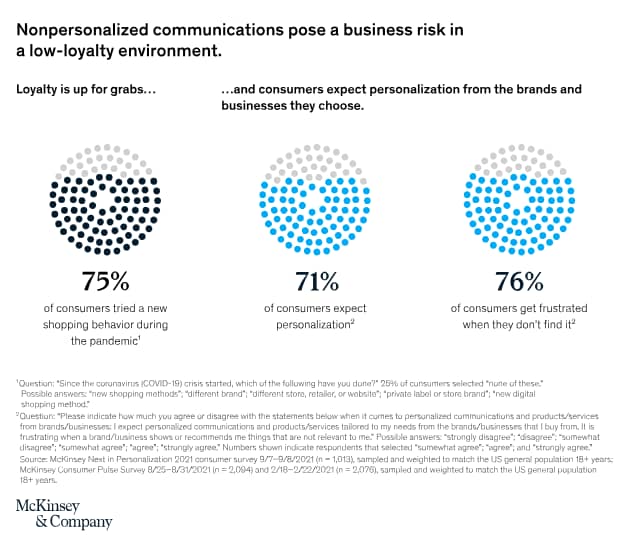
Users will feel supported rather than forgotten, improving customer retention.
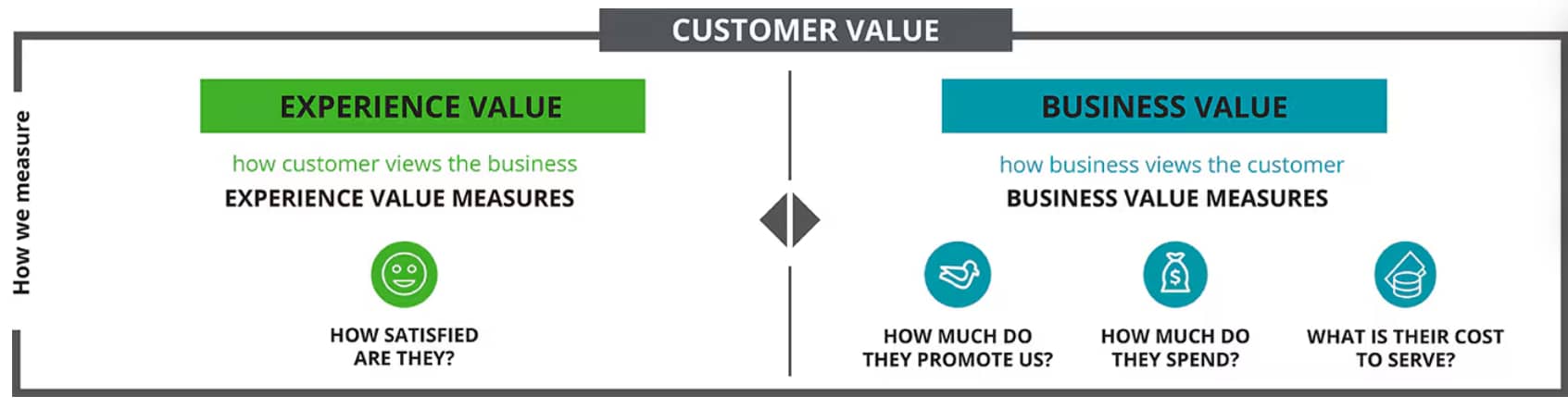
3. Enhance upselling and cross-selling success

The right timing creates easy upsell or cross-sell wins. Your customer information sheet reveals two types of sales opportunities for your business:

  1. If there’s a better solution for their changing needs (upselling)

  2. What other products/services would benefit them right now (cross-selling)

customer information sheet sales options

Existing customers trust you, so they’re easier to sell to than cold prospects. Keeping your customer information sheet up to date shows you exactly who to approach with relevant sales offers and when.

In sales, timing often matters more than product fit. By tracking contract renewal dates or business expansion phases, you can create natural conversation starters for deals.

Suppose your notes show that a retail client is expanding to three locations. They already trust you and have a clear need, so now’s the right time to pitch inventory management add-ons to track stock across all stores.

Recommended reading

https://www-cms.pipedriveassets.com/blog-assets/sales-negotiation.png

Sales negotiation training, skills and strategies to win more deals

What customer information should you collect?

Collect information that reveals buying signals and decision-making patterns to help you convert. Every data point should have a key purpose: to move prospects through your sales pipeline or improve customer relationships.

If a data point doesn’t help you sell or enhance your customer service, consider whether you should collect it at all.

Essentially, you need to know:

  • Who influences purchases in a B2B setting

  • What situations trigger buying decisions

  • How customers prefer to communicate with you

The details you should store depend on your business model and sales process. A web designer monitors project deadlines and identifies decision-makers, while a furniture seller must document delivery dates and room dimensions.

Here’s what every small company should track to keep its customers top of mind.

Essential customer information every business needs

With this information, you qualify leads and track which marketing efforts work. You need these critical details to contact clients successfully, know their context at all times and ensure you’re talking to the right person.

Contact details

  • Client name

  • Email address

  • Phone number

  • Mailing address (optional)

  • Demographic data (optional)

Business information

  • Company name

  • Job title

  • Department

  • Company size

  • Industry

Communication preferences

  • Email

  • Phone calls

  • Text

  • Video calls

Lead source

How they found you or heard about your business (e.g., social media, organic traffic, referral, etc.)

Decision-making role

Are they the buyer persona, influencer or end user?

You can compile most of this information at the first touchpoint (e.g., online forms, questionnaires or lead magnets).

Avoid overwhelming prospects with long forms upfront. Start with short forms that only ask for the basics, like names and emails, then get more details over time using progressive intake forms in stages.

Once someone submits their initial info, onboard them through an email campaign that shares helpful content and builds trust. If they show further interest by engaging with your emails (e.g., clicking, replying or requesting more info), schedule a discovery call.

Gather additional customer information by weaving sales discovery questions naturally into the conversation, such as “What’s the best way to reach you for updates?”.

With these details, you’ll know how to move forward with each prospect. Follow up using their preferred communication method, include the right decision-makers in your proposals and structure your next steps around their specific business context.

Tip: Form length matters, but context matters more. A short-form template converts well because it’s simple, while longer forms convert better when prospects have high interest. The key is matching form length to prospect motivation.

Customer information for product-based businesses

For product-based businesses, you need details that reveal buying patterns and preferences. The following data points cover when customers will reorder, what they’ll want next and how much they typically buy.

Product information

What to collect and why

Purchase history and buying frequency

What: Items they bought, when they bought them and how often they reorder.

Why: Purchasing patterns help you understand your customers’ buying cycle. You can then follow up when they’re ready to shop again.

Product preferences and specifications

What: Preferred size, colors or technical requirements.

Why: Having documented preferences makes the next sale frictionless for you and the customer. You won’t need to ask the same specification questions, and buyers will feel heard.

Seasonal buying patterns

What: Peak ordering months, slow periods or seasonal product needs.

Why: Seasonal data collection helps you reach out proactively before your customers’ busy periods.

Inventory or volume needs

What: Storage capacity or typical order quantities.

Why: Knowing customers’ constraints helps you suggest bulk discounts or delivery schedules that work with their cash flow and space limitations.

Leverage two key stages of your sales process to collect the data: discovery calls and post-sales interactions.

Schedule discovery calls to learn preferences and ask about seasonal patterns. Prospects already discuss their business needs during calls, so go ahead and ask about specific volume requirements.

Post-sales interactions like order confirmations allow you to capture extra insights. For example, “When do they typically reorder?” or “What’s their usual order size?”. These patterns help you time your follow-up emails and suggest the right quantities.

In your client information sheet template, you can check the “Next follow-up date” to focus on the customers you need to reach out to.

customer information sheet pipedrive product sheet

Start each day by checking who’s due for contact. For example, when you see a real estate company’s monthly office supply order coming up, you already know they typically order 150 reams of paper and 50 ink cartridges.

You can then send a short email or use their preferred communication method:

“Subject: Your monthly office supply order

Hi [Name],

I hope you’re doing well. Your monthly office supply order is usually due around this time. You typically need 150 reams of paper and 50 ink cartridges.

Has your printing volume changed with more digital listings, or are you still printing lots of flyers for open houses?

Let me know what you need and I can have everything delivered by Friday.

Best, [Your name]”

You’re no longer making cold calls, but informed, value-driven conversations that close deals faster. Your customers feel understood, and you hit your sales quota.

Customer information for service-based businesses

For service-based businesses, you need client details that show project requirements and service preferences.

Understand your clients’ project planning processes and approval workflows. Whether you provide consulting, ongoing services or project-based work, your success depends on knowing when they set up projects and what specific outcomes they expect.

Service information

What to collect and why

Project scope and requirements

What: Specific deliverables, project goals and success metrics they need.

Why: Documenting project details helps you create accurate sales proposals and avoid scope creep. Moreover, future projects become easier to estimate and price correctly.

Contract start/end dates and payment terms

What: Project timelines, payment schedules and contract renewal dates.

Why: Tracking contract cycles helps you plan follow-up timing and identify renewal opportunities.

Previous service providers and experiences

What: Who they worked with before, what went well and what frustrated them.

Why: Understanding their past experiences helps you position your services better and avoid previous providers’ mistakes. You’ll know their pain points upfront.

Future project plans

What: Upcoming initiatives, planned budgets and project timelines they’re considering.

Why: Knowing their plans helps you stay top-of-mind for upcoming work. You can proactively propose solutions before they start looking for providers.

Use discovery calls and client information forms to gather data on project requirements, previous provider experiences and future plans. Ask about contract terms, timelines and budget approval processes during proposal discussions.

Moving forward, update your client data after every project interaction. Tap into project kick-offs, milestone check-ins and project wrap-ups to capture extra insights.

Service businesses thrive on relationship timing. Check your client information template regularly to identify clients whose contracts are ending soon or who mentioned upcoming projects.

Say your new client’s website project finishes the last week of August. Your sheet shows they’re planning mobile app development and had communication issues with their previous developer.

customer information sheet pipedrive services sheet

Reach out before your current project is completed. Reference your client’s upcoming mobile project and position yourself as the solution to their past frustrations with poor communication.

With this tactic, you secure future projects before competitors even know they’re available. Clients see you as their go-to partner, not just another service provider.

Recommended reading

https://www-cms.pipedriveassets.com/CRM-data-entry-best-practices-for-SMBs.png

Why CRM data entry matters (and 5 tips to make it easier)

How to use Pipedrive to manage customer information

With Pipedrive’s customer relationship management (CRM) solution, you can manage both your customer database and sales pipeline stages.

Besides organizing your contacts’ information, Pipedrive also connects it directly to your sales deals. You can see all your customer interactions, conversations and deal progress in one place.

Here’s how Pipedrive helps you streamline and apply customer information more effectively.

Contacts (people and organizations)

Pipedrive allows you to organize all your client profiles in the contact list based on two types:

  1. People – specific customers or client contacts you sell to directly

  2. Organizations – companies where multiple contacts work

This structure helps you track both individual decision-makers and the companies they work for.

In the detail view of a person, you can check all of the information you’ve saved from a customer (e.g., name, email, phone number, etc.), plus get a complete history of your interactions. The data includes:

  • Calls and emails (history of every communication)

  • Notes (specifications, preferences or project requirements)

  • Attached files (contracts, proposals or product docs)

  • Scheduled activities (meetings, next steps or follow-up reminders)

customer information sheet pipedrive detail view

Unlike basic sheets, where you update old information manually, Pipedrive saves every interaction and change automatically. You can see how customer needs have evolved and which sales tactics have worked in the past.

Custom fields

Pipedrive’s CRM adapts to your sales process instead of forcing you to change how you work. When you enter a new contact, Pipedrive already has default fields, such as name and email. You can also create custom fields that match the information you want to collect.

You can add four types of custom fields:

  1. Text fields for open-ended information (up to 255 characters)

  2. Long text fields (more than 255 characters)

  3. Single option fields for drop-down selections

  4. Multiple option fields for checkbox lists

customer information sheet pipedrive custom fields

When creating custom fields, you control where they appear and whether they’re required. Fields can show in your deal pipeline, contact detail view or both. You decide if team members must fill them out for new contacts.

Customer information sheet FAQs

  • It depends on where prospects are in your sales process. Follow these guidelines:

    • For initial contact forms, just get contact details to start conversations

    • For discovery calls, ask for business details and requirements

    • For proposal stages, gather specific preferences and technical needs

    • For evaluation stages, ask complex questions

    Your prospect’s motivation can also be a factor. High-interest prospects will typically fill out longer forms.

  • Respect a buyer’s decision and focus on the information they’re comfortable sharing. You can explain how providing more information would help you recommend the right solutions faster.

    However, don’t pressure prospects for information. Trust builds over time, and they’ll share more as the relationship strengthens.

  • Record-keeping should happen immediately after every sales interaction while details are fresh. Outdated information leads to missed opportunities.

    Create a schedule to check on customers, e.g., monthly on active contacts and annually for inactive ones.

  • Customer information sheets are simple, immediate solutions for organizing basic data. A CRM like Pipedrive helps you manage customer relationships throughout the entire sales cycle, from lead generation to post-sale follow-up.

  • Upgrade when tracking customer interaction history becomes unmanageable in spreadsheets.

    If you’re struggling to manually record all calls, emails and meetings or can’t recall conversation details from months ago, it’s time for a CRM.

Final thoughts

Stop losing track of customers’ essential details in messy notes and old emails. The right customer information sheet helps you provide a better buyer experience, close more deals (including with existing contacts) and maintain strong relationships.

When you’re ready to upgrade, Pipedrive automatically saves all your call and email history. It keeps contacts organized, so your customer data seamlessly syncs with your sales process.

Easy Ways To Improve Your Sales Funnel Performance

Software Stack Editor · July 22, 2025 ·

The post Easy Ways To Improve Your Sales Funnel Performance appeared first on ClickFunnels.

Are you looking for ways to improve your sales funnel performance?

Today we are going to share ten simple tips that can help you increase conversion rates, revenue, and profitability!

Tip #1: Simplify Your Landing Page and Sales Page Design

When the visitor lands on your page, you only have a few seconds to convey the value of your offer so that they would want to stay and learn more about it.

If their senses are assaulted by a cacophony of clashing colors, crazy animations, and jarring autoplay sounds, they will probably feel overwhelmed. That can prompt them to leave and never come back.

That’s why it’s so important to keep your landing page and sales page design simple. Avoid bells and whistles that look cool but ultimately act as distractions and lower your conversion rates!

Tip #2: Add More Curiosity to Your Landing Page and Sales Page Copy

While it’s important to explain what your offer is all about, you don’t want to give everything away in your landing page and sales page copy.

Instead, you should provide just enough information to pique the visitor’s curiosity, so that they would feel inclined to get your lead magnet or buy your product. If you provide too much information, they might lose interest and leave.

This is especially important when it comes to info products like eBooks, online courses, and webinars. If the visitor feels like they already know what you are going to say, there’s no reason for them to proceed with your call to action, is there?

Curiosity – or lack thereof – can have serious implications for your business and be the difference between losing money and turning a profit. 

For example, our co-founder Russell Brunson once helped a friend decrease his cost-per-lead from $24.85 to $5.84, increase his webinar show-up rate from 22.4% to 31.7%, and make his sales funnel profitable. So how did he do it?

He added more curiosity to his friend’s landing page headline.

Here’s the original headline:

“How to Add 6 Figures to Your Web Design Business by Copying My Secret Method for Helping Companies Get More (Real!) 5-Star Reviews WITHOUT Selling, Spending Lots of Time or Money”

Here’s the improved headline:

“How I Added 6 Figures to My Web Company by Adding This One Easy to Offer Service THAT DOESN’T Require Cold Calling, Spending Lots of Time, Money or Require Extra Resources”

See how the new headline didn’t give away what the method that allowed Russell’s friend to add 6 figures to his business was? The only way to learn that was to attend the webinar. So that’s what people did!

This was the only change Russell made and it saved that entire sales funnel. That’s how powerful curiosity can be!

Tip #3: Add More Social Proof to Your Landing Page and Sales Page Copy

We live in a digital age where anyone can say anything on the Internet and there’s no way to verify it.

That’s why social proof is becoming increasingly important for businesses that sell their products and services online.

Displaying social proof can help you:

  • Position yourself as a trustworthy subject matter expert.
  • Reassure potential customers that you can deliver what you promised.
  • Reassure the potential customers that they can get the results that they want because people just like them have done so in the past with your help.

Generally speaking, the more social proof you can provide, the higher your conversion rates are going to be.

The most powerful form of social proof is testimonials from happy customers but you need to make sure that these testimonials not only are real but also look real.

The best way to present testimonials is to include the customer’s photo, full name, and job title, which makes it easy for the skeptics to look them up and verify that they are indeed a real person.

Testimonial walls like this can work really well:

Tip #4: Make Your Lead Magnet Irresistible

Your lead magnet is the foundation of your entire sales funnel.

Improving your lead magnet can help you increase your ad-impression-to-click, visitor-to-lead, and lead-to-customer conversion rates.

We recommend applying the Lean Startup methodology here. First, create the minimum viable version of your lead magnet and see if potential customers are interested in it.

Then, once you are sure that there’s demand for it, start investing resources in making it more valuable.

You can do that by improving its production value, making it more comprehensive, and adding various helpful bonuses to it.

That is going to make your lead magnet more appealing to potential customers!

Tip #5: Make Your Paid Offer Irresistible

Here’s our irresistible offer formula:

Irresistible Offer = High Value + Low Price – Financial Risk

Increase the Value of Your Offer

You can do that by bundling your core product with several bonus products to create a complete package designed to help the customer solve a specific problem.

Digital products like printable sheets, eBooks, video classes, webinars, and online courses work best as bonuses because of their high-profit margins.

You can also drastically increase the value of your offer by throwing in a one-on-one consultation with you. It’s not scalable but it can help you make more sales if you are just starting out.

Reduce the Price of Your Offer

If your sales funnel follows the Value Ladder structure, you shouldn’t be charging much for your frontend offer anyway. Why?

Because the purpose of your frontend offer isn’t to make you a ton of money, it’s to convert leads into paying customers. That’s why we recommend charging as little as possible for it.

In fact, some businesses go as far as selling their frontend offer at a loss, which is known as the loss leader strategy and can be an effective way to acquire new customers.

Of course, in that case, it’s important to make sure that the revenue from your middle offer and your backend offer make up for that frontend loss so that your sales funnel can remain profitable!

Diagram of a sales funnel value ladder with four stages: Bait, Frontend, Middle, and Backend. Steps illustrate increasing value and price, with a graph showing value versus price.

Eliminate Financial Risk

The most obvious way to eliminate financial risk from the purchase decision is to offer an unconditional, no-questions-asked money-back guarantee for a specific time frame.

30-day guarantees are the most popular but you might also want to experiment with 60-day and 90-day guarantees to see what works best for your target audience.

And if you are selling a service, see if there’s any way to switch to performance-based pricing where the client doesn’t have to pay you if you fail to deliver results.

This can work especially well if you are just starting out and don’t have any social proof yet. Getting clients is still going to be an uphill battle but performance-based pricing can make it much easier.

Meanwhile, if you are already established, this pricing model can help you charge more for your service, but you’ll need to be selective and only work with clients that you are confident you can help.

Tip #6: Add an Order Bump to Your Core Offer

An order bump is an inexpensive, straightforward offer that you present to the potential customer on the order form of your core offer.

You know how grocery stores display all these small items like packs of chewing gum and candy bars in their checkout areas?

They do that because customers who are about to check out might grab a KitKat and throw it in their cart without a second thought. Impulse purchases like that increase the average order value and can have a significant impact on the bottom line of that store.

Order bumps are a digital equivalent of that KitKat. For example, if you are selling physical products, you can offer expedited shipping as an order bump. It doesn’t require any explanation. All the customer needs to do is check the tick box. They might do it on an impulse!

Tip #7: Add an Upsell to Your Core Offer

Upsells are another way to increase your average order value.

An upsell is an offer that you present to the potential customer after they have accepted your core offer. It’s supposed to be an upgrade on it.

It typically means either pitching a higher quantity of that product at a better price per unit or a subscription for that product at a better price per unit.

Alternatively, you can upsell a package that includes the product from the original offer plus a few additional products that the potential customer might be interested in.

For example, if the potential customer is about to buy a winter hat, why not upsell them a package that includes that same hat but with a matching scarf and matching gloves?

You can use this approach when simply pitching more of the same product wouldn’t make sense.

Tip #8: Add a Cross Sell to Your Offer

You can also increase your average order value with cross sells.

A cross sell is also an offer that you present to the potential customer after they have accepted your core offer. 

However, instead of being an upgrade on it, it should be complementary to it. What would go well with the product that they already decided to buy?

For example, if the potential customer is about to buy a travel backpack, why not cross sell them a set of packing cubes and a tech toolcase for their electronics?

Tip #9: Add a Downsell to Your Core Offer

You can also use downsells to increase your average order value.

A downsell is an offer that you present to the potential customer after they have rejected your core offer. It’s supposed to be a downgrade on it. Downsells are the opposite of upsells.

For example, if your core offer is a $257 online course on dating, you can downsell a $7 eBook where you explain how to optimize one’s profile on the most popular dating apps.

Worst case scenario, the potential customer is going to leave without buying, which they would have done anyway. You have nothing to lose by pitching them a downsell!

Tip #10: Improve Your Traffic Quality

Do you already have an established business?

Then you can use your sales data to improve your traffic quality and thus boost your sales funnel performance.

Look at your existing customers, figure out what they tend to have in common, and then use those common traits in your ad targeting to attract more people like them.

You might also want to look at what leads that don’t convert into customers tend to have in common and then use those common traits to exclude people like that from your ad targeting.

We recommend reviewing your sales data and calibrating your ad targeting every quarter. Zero in on your dream customers as much as possible!

Make Sure to A/B Test Everything!

Everything that we discussed in this article is just general guidelines that shouldn’t be taken as gospel.

A/B testing is the only way to learn what works and what doesn’t work for your business.

When you have an idea for something that you want to change on your landing page or sales page, don’t just implement it blindly and hope for the best.

Instead, test two versions of the same page – the original one (version A) and the new one (version B) – against each other.

There should be only one difference between these two versions: the element that you want to change.

Say, if you want to change the headline, that should be the only difference between version A and version B, everything except for the headlines should be identical.

Drive the same amount of traffic to both versions. This will enable you to see which version converts better. Why guess when you can just look at the data?

Want to Learn How to Build Sales Funnels That CONVERT?

Our co-founder Russell Brunson used sales funnels to take ClickFunnels from zero to $100M+ in annual revenue in less than a decade.

He is now widely considered to be one of the top sales funnel experts in the world. Want to learn from him?

His best-selling book “DotCom Secrets” is the best place to start because it covers everything you need to know in order to build sales funnels that convert.

This book is available on Amazon where it has over 2,500 global ratings and a 4.7-star overall rating.

But you can also get it directly from us for free…

All we ask is that you pay for shipping!

So what are you waiting for? 🧐

Get “DotCom Secrets” for FREE!

Thanks for reading Easy Ways To Improve Your Sales Funnel Performance which appeared first on ClickFunnels.

Data Flow Diagram Guide: Data Flow Diagram Example

Software Stack Editor · July 21, 2025 ·

Clear systems start with clear visuals. Take data flow diagrams (DFD): they help you understand how information moves through your software system so that you can design smarter workflows and stronger processes.

In this guide, you’ll learn what DFDs are, how they work and how to create one that fits your business process. You’ll also see real examples, helpful templates and best practices to bring your system design to life.

What is a data flow diagram?

A data flow diagram is a graphical representation of how data moves through a system. It shows the flow of information between processes, data stores, external entities and system outputs.

By mapping these connections, a DFD helps teams understand how information systems handle input and produce results.

Below is a sample data flow diagram of what a simple sales funnel process might look like:

data flow diagram Pipedrive sales funnel

The example illustrates a sales prospect’s journey from marketing-qualified lead (MQL) to trial and sign-up. Each stage uses different shapes and colors to make the process clear.

Data flow diagrams can show different levels of detail, from a simple context diagram like the above to more detailed versions (more on these later).

This flexibility makes DFDs a powerful tool for both high-level strategic planning and detailed system design, no matter how simple or complex your process is.

To help you get started, you’ll find three downloadable DFD templates in the next section.

Recommended reading

https://www-cms.pipedriveassets.com/Action-Plan-Template.png

The ultimate guide to creating an action plan template (with examples)

Data flow diagram templates

Using a template is the fastest way to start your data flow diagram and stay aligned with best practices.

Pipedrive’s ready-to-use data flow diagram examples in Google Slides show a lead nurture flow, a re-engagement sales pipeline and customer support operations. Customize any of these templates to fit your process: simply adjust the fields, expand the steps or adapt to your team’s workflow.

Download Pipedrive’s data flow diagram templates

Get your free templates

Now that you understand what a data flow diagram is, it’s time to look at why they’re especially valuable for smaller teams.

Why are data flow diagrams important for SMBs?

Small and medium-sized businesses (SMBs) often run lean and agile projects and teams. A data flow model diagram lets these companies visualize how data moves through their information systems, making it easier to identify gaps and improve project management.

For example, a marketing agency might use a DFD to track how client briefs move from intake to delivery. It could map out data handoffs between sales, creative and billing teams to find areas for automation or cleanup.

Here are other ways a DFD can help:

  • Clarify roles and data movement between teams

  • Improve communication plans with stakeholders using a shared visual language

  • Spot inefficiencies and eliminate redundant subprocesses

  • Align system processes with real-world workflows

  • Make better system design decisions during software or process updates

  • Validate your high-level process with team feedback

  • Optimize resource use through workflow automation planning

In agile sales environments, where speed and iteration matter, DFDs provide a quick way for small teams to align on system flow without deep technical dives.

Note: Tools like Pipedrive make connecting your DFD to real workflows easier. For example, each pipeline stage in Pipedrive works as a DFD node, showing how deals and customer information move from lead capture to closing.

Everything you need to know about data flow diagrams

DFDs are powerful tools for illustrating data movement. While they share similarities with Unified Modeling Language, or UML diagrams, DFDs have a more focused purpose: breaking down the flow of data, not the structure or behavior of the system.

In this section, you’ll learn the core concepts, diagram formats and tools to help you create clear, effective DFD visuals that align with your business goals.

Types of data flow diagrams

Understanding the two types of DFDs helps you choose the proper format for your needs. Each plays a unique role in system analysis and design, depending on how much detail you need to show and who you’re sharing it with.

1. Logical DFD

A logical DFD focuses on what the system does, not how it does it. It shows the flow of information between key steps without diving into the technical setup.

Below is an example of a logical DFD where a customer selects items, the system looks up prices, calculates the total and processes payment:

data flow diagram Pipedrive logical DFD

Teams use logical diagrams in the early stages of systems analysis to:

  • Define business processes clearly

  • Identify what data you need at each step

  • Validate workflows with stakeholders

  • Keep technology out of the conversation

This is the best choice when mapping a high-level process or collaborating with non-technical users.

2. Physical DFD

A physical DFD goes one step deeper. It shows more technical details, such as how users enter data, where systems store it and which tools handle processing.

Here’s a physical DFD example showing manual scanning, file lookups, temporary transaction files and specific data interactions:

data flow diagram Pipedrive physical DFD

Physical diagrams are especially useful in real-time systems, complex systems with many data hand-offs and environments using automation. They also help you plan complex systems by showing how data moves through different components in a structured way.

Using logical and physical DFDs together gives you a complete picture of your system. The logical DFD maps user-facing workflows and data needs, while the physical DFD shows the behind-the-scenes technical setup.

4 main components of a data flow diagram

DFDs rely on a consistent set of symbols to make the data flow easy to follow. These symbols structure your diagram and make it readable for technical and non-technical stakeholders.

There are two main symbol notation styles: Yourdon and DeMarco and Gane and Sarson.

Yourdon and DeMarco notation represents processes with simple circles, making it a popular choice in general business and academic settings for its clarity and ease of use.

The Gane and Sarson style uses rectangular process boxes with rounded corners and bolded labels, which is preferable in more structured, object-oriented environments.

Both styles share elements like arrows for flows and rectangles for data stores.

Below are the four core components of a DFD diagram:

Element

Description and example

1. External entities

Also known as terminators, they’re sources or destinations of data outside the system.

They could be users, departments or third-party services that either send data into the system or receive data from it.

Examples: customer submitting a form, payment gateway, shipping partner

2. Processes

Sometimes called functions, these actions transform incoming data into outputs.

A DFD usually represents them as rectangles with rounded corners or circles. Each process should have a clear purpose and label with a verb-noun phrase like “Submit Order” or “Send Invoice”.

Examples: verify login, assign task, calculate total

3. Data stores

Various types of data storage your system uses to house information until it moves to the next step in the process.

These repositories could be databases, files, spreadsheets or even physical storage systems.

Examples: customer database, inventory file, user preferences

4. Data flows

Arrows that connect all the other components. Each shows the direction of movement and labels the type of transferred data.

Clear labeling avoids confusion and makes the diagram easier to validate.

Examples: order details, login credentials, shipment status

Using these standard elements makes documenting your system accurately and creating diagrams simpler.

Data flow levels

DFDs show systems at different levels of detail. Using varied levels of data flow diagrams helps you control the complexity, so you can focus on the big picture or zoom into specific parts as necessary.

Level 0 DFD (Context Diagram)

This most basic version of a data flow diagram treats the system as a single process and focuses only on how it connects with the outside world. Here’s a brief breakdown of what it entails:

  • View – shows the entire system as one process with arrows going to and from external entities

  • Purpose – provides a quick overview of how the system connects to external users, tools or departments

  • Use case – great for sharing with stakeholders who need to understand the system at a glance

Level 1 DFD

Once the context is clear, Level 1 dives deeper by breaking the single process into smaller subprocesses. This level starts to show how the system works internally.

  • View – breaks the main process into multiple functions and includes data stores

  • Purpose – shows how data flows between different parts of the system without overwhelming detail

  • Use case – ideal for internal planning sessions, process reviews or workflow mapping

Level 2 DFD and beyond

Level 2 and lower levels unpack each subprocess even further for deeper detail. Depending on the system’s complexity, these diagrams can be as intricate as needed.

  • View – expands subprocesses into their own detailed flows, possibly creating multiple linked diagrams

  • Purpose – helps with system design, testing and technical documentation by showing exact data movement

  • Use case – developers, system architects or QA teams can deploy it to support implementation and automation

Choosing the right level depends on your audience, activities and goals. Start with a high-level view to align on the big picture, then add the required detail for planning and further design.

Now that you understand how to structure your diagram, the next step is to see how DFDs apply to real business scenarios.

Recommended reading

https://www-cms.pipedriveassets.com/blog-assets/sales-plan-illustration.png

How to create a sales plan in 7 Steps

Examples of how to use a DFD

Data flowchart diagrams are practical tools for mapping business processes across teams, no matter what type of business you’re in.

Here are a few real-world examples of how DFDs clarify systems, automate workflows and improve operations.

Sales pipeline follow-up process using Pipedrive

Sales teams often lose momentum when follow-ups fall through the cracks. A DFD can help map a structured follow-up system using automation and manual touchpoints within Pipedrive’s customer relationship management (CRM) tool.

Here’s how that process might work:

  • A CRM trigger (external entity) starts the process when a deal goes cold after seven days

  • A “Send Follow-Up Email” process launches, pulling sales email templates from a shared content data store

  • If there’s no response, data flows into a “Schedule Reminder Task” process for the sales rep

  • After making contact, the rep logs notes into a deal record (data store), restarting the engagement

Mapping this workflow as a Level 1 DFD (per the Pipedrive template example below) helps teams identify where to automate and where human input adds the most value. It also ensures no loss of sales opportunities due to inconsistent follow-up.

data flow diagram Pipedrive sales pipeline DFD

Each Pipedrive stage represents a process node, helping sales teams see how information systems support the journey from lead outreach to closed deal.

Marketing automation workflow

A DFD can also clarify how marketing management tools work together to generate leads and nurture them. For instance, you might have:

Below is the Pipedrive template showing this workflow in DFD format:

data flow diagram Pipedrive marketing automation workflow

Mapping this process as a DFD reveals where to improve automation or where data loss between sales tools is likely.

Customer support ticketing system

A DFD can help customer support teams streamline issue resolution by tracking how they create, assign and resolve tickets:

  • Customers (external entity) submit requests via a help form

  • Requests go into a “Create Ticket” process

  • Support database (data store) stores tickets

  • The “Assign Agent” and “Resolve Ticket” processes handle the internal workflow

  • The system sends ticket outcomes to customers

Here’s what this ticket system would look like as a DFD:

data flow diagram Pipedrive customer support workflow

Using this model, managers can pinpoint bottlenecks or redundant subprocesses in the support workflow.

Note: In Pipedrive, you can use custom fields, pipeline stages and workflow automation to represent the different parts of your DFD. Each custom field can act as a data input or status flag, while automation rules handle common transitions like follow-ups and deal updates between processes.

Next, find out how to create your own data flow diagram from scratch, plus a few best practices for inspiration.

Recommended reading

https://www-cms.pipedriveassets.com/PERT.png

PERT chart 101: a step-by-step guide for project managers

How to make your own data flow diagram

If you already use Pipedrive, your sales or project pipeline is a great starting point for a DFD. Each stage in your pipeline represents a process or status change, while your custom fields, activities and automations reflect how data moves through each step.

The image below shows a typical pipeline view in Pipedrive:

data flow diagram Pipedrive pipeline view

Use it to map out key processes, identify external entities (like email capture forms or webhooks) and define what information flows in and out of each stage.

From there, follow the steps below to build your custom DFD.

1. Pick the process you want to map out

Choose a single business process that involves multiple steps, systems or data exchanges. The process could be client onboarding, a support ticket workflow or handling product returns.

Be clear on what you want to understand. Maybe it’s where delays happen or how data moves between teams.

For example, a B2B sales team might map how it requests, reviews and delivers pricing quotes. Starting with focused sales goals helps keep the DFD relevant and manageable.

2. Find a template

Templates save time and help maintain consistency in layout and symbol usage. Most data flow diagram templates come with standard shapes:

Use digital tools like Lucidchart, Draw.io or Visio to get started. These platforms often include editable templates you can adapt to your process. Just swap out placeholder text and update the flow based on your real system.

3. Start at Level 0

Begin by drawing a Level 0 DFD, or context diagram. Represent your entire system as one process and connect it to external entities like users, vendors or tools. This step helps define the system boundary and gives everyone a clear starting point.

For instance, if you’re mapping a deal review process in Pipedrive, your Level 0 diagram might show “Manage Deal Pipeline” as one process connected to a sales rep (external entity) and a reporting dashboard (another external entity).

Once the overall flow is clear, move to Level 1 and break the process into steps like “Qualify Deal,” “Assign to Rep” and “Review Forecast.” You’ll gain a more comprehensive view of how data moves from initial entry to deal analysis.

4. QA your DFD with your team

A DFD is only valid if it reflects how things actually work. Share your draft with team members who run, manage or rely on the process. Walk through each step to confirm it’s correct and complete.

This step is crucial for catching missing stages, unclear labels or overly complex flows. For example, someone might notice a forgotten manual task, like confirming refund approvals. This feedback loop turns your diagram into a reliable planning tool, not just a static document.

Note: For ongoing process tracking and task coordination, Pipedrive’s project management software offers a great way to extend your DFD into daily execution. Break down each step of your diagram into actionable tasks, assign ownership and monitor progress in real time.

Data flow diagram best practices

A well-crafted DFD helps your team communicate clearly, spot issues and design systems that scale.

Below are some best practices that ensure your diagrams stay accurate and useful over time.

  • Start simple: Outline the entire system as a single process with a Level 0 DFD. It’ll help everyone understand the big picture before diving into subprocesses.

  • Use consistent labels: Keep process names, data flows and data stores the same across all levels. Consistency avoids confusion and makes it easier to trace the flow of data.

  • Validate with stakeholders: Review your diagram with team members and subject matter experts. Their feedback ensures you haven’t missed steps or misrepresented workflows.

  • Limit clutter: Each diagram should focus on a single level of detail. If it starts getting messy, break it down into lower-level DFDs to keep each one readable.

  • Stick to standardised diagram symbols: Use commonly accepted shapes for processes, entities and data stores. Your DFD will be easier to understand for both technical and non-technical users.

  • Label all data flows: Every arrow in your diagram should have a clear, descriptive label. Accuracy is key to showing exactly what information is moving through the system.

  • Avoid unnecessary repetition: Don’t show the same data flow multiple times across diagrams unless it adds clarity. Redundancy can make diagrams harder to follow.

  • Document assumptions: If your DFD includes estimated flows or planned features, note them outside the diagram. Keep the core diagram focused on confirmed details.

Following these tips helps you create diagrams that are clear, scalable and aligned with structured design principles.

Final thoughts

Data flow diagrams are useful visual representations that turn complex systems into clear, visual workflows. By mapping how data moves between complex processes and stages, DFDs help teams design systems that scale.

Pipedrive makes it easy to operationalize your DFDs by aligning sales and marketing workflows with real-time data movement.

Try our 14-day free trial to map and track your business processes using tools like pipeline management, email campaigns, project management and more.

  • « Go to Previous Page
  • Page 1
  • Interim pages omitted …
  • Page 5
  • Page 6
  • Page 7
  • Page 8
  • Page 9
  • Interim pages omitted …
  • Page 44
  • Go to Next Page »

Get your Software Stack together. softwarestack.tech

Software Stack

© 2024–2026 - Software Stack is a trading name of SouthwestCIO Limited ac ompany registered in England & Wales 11319049

  • Knowledgebase
  • Home
  • About Us
  • Contact Us